Planning to do an ESL lesson about cooking? You want to give your students a practical and appealing introduction to cooking vocabulary?
Perfect! We got it all for you: lists, definitions, activities and worksheets.
Use the resources on this page to engage your students and make them learn cooking vocabulary.
Why Should You Spend Time Teaching Cooking Vocabulary?
Cuisine is one of the most cultural aspects of persons every day’s life. People associate emotions and identify themselves with their home kitchen.
If your students are ever in another country, they can easily connect with the person they are talking to, using cooking vocabulary.
How Can You Incorporate Cooking Vocabulary Into Your Lessons?
There are various ways to include these lists and exercises into your lesson.
You can ask your students to explain the vocabulary to each other. The other person has to guess the words and rate the explanation of the classmate.
Another option is to divide your students into groups. Then they can ask each other questions about how to prepare their favorite dish. After such a lesson, you can give your students a homework to write a recipe about their favorite dish.
ESL Cooking Vocabulary List & Definitions
to bake
cook something in the oven (We can bake the potatoes in the oven)
to boil
heat something up in water so that it gets hot or cooked (Let us boil the spaghetti in the next step)
a bowl
Round container that is open at the top and is deep enough to hold soup or fruits. (We need a bowl to serve the soup)
to carve
cut something big into small pieces (We have to carve the turkey now)
to cook
to prepare food for your meal
a cook
The person in a restaurant preparing the food (The cook starts to prepare your food now)
a chef
The head cook in the kitchen of a restaurant (The chef tells the cooks, what to do.)
a cookbook
A book with recipes and guides to help you cook (In the cookbook we can find the full instructions.)
a dish
A type of food (My favorite dish is Thai Curry.)
a fork
The silverware you need to eat most food.
to grill
to cook food directly under a hot flame (I like steak best, when it is grilled.)
herb
Ingredients used to spice up dishes. (You could add some herbs.)
ingredient
A component of a dish. (The ingredients for spaghetti bolognese are meat, spaghetti, tomatoes, salt, pepper etc.)
a knife
The silverware you need to cut your food. (The knife is blunt. I can’t cut the meat)
melt
to turn solid food into a more liquid one (The cheese on my burger melts.)
mix
to combine two or more elements and put them together (You have to mix the butter and flour.)
a pan
The kitchen utensil you need for cooking. (I need a pan to cook the eggs.)
peel
to cut off the skin of a fruit or vegetable (You have to peel the apple.)
preheat
to heat something up before cooking it (We have to preheat the chicken in the oven.)
prepare
to make the vegetables, fruits, and other food ready for cooking (Can you prepare the apples for the cake?)
recipe
An instruction that helps you to cook a dish. (Can you hand me the recipe, so I can see what else we need?)
roast
to cook vegetables or meat in the pan (ideally with a brown, crispy skin).
salt
A seasoning used for most food (I need some salt for my eggs.)
serve
to bring the dishes to the table (The waiter serves the food.)
stir-fry
to fry something quickly in the pan (with oil for example).
spoon
The silverware you need to eat a soup. (Do we have spoons for the soup?)
waiter
The person in the restaurant bringing the drinks and food. (We have to call a waiter.)
The 5 Best Activities to Teach Cooking Vocabulary
Food Quiz
Two students should get together and talk about their favorite dish. They should not mention the name of the food, but describe the ingredients that are used, the preparation and the taste of it.
Cooking Vocabulary Pantomime
The students should go together in small groups of persons and each explain two vocabularies. The team with more points wins.
Make a list of the above listed vocabulary. Give each student one piece of paper with a word on it. Tell them to explain the verbs and nouns with pantomime.
Cooking Show Time
Let your students watch a video of a cook preparing a dish. They should observe the preparation, instructions and ingredients. After watching the TV, they should explain, how to do the dish.
Restaurant Conversation
Two students should get together and make a role play. One student acts as the guest, one as the waiter.
To make it easier, let them act as if they were in a local restaurant. If necessary, give them some phrases in advance, that will help them to complete the dialogue.
Recipe Writing
Students should take pen and paper or their tablet and write an instruction on how to cook or bake a certain dish. They should list the ingredients, give tips and provide a step-by-step instruction.
Free Printable ESL Cooking Worksheets
Download, edit and print all of the following worksheets for ESL teachers – completely free!
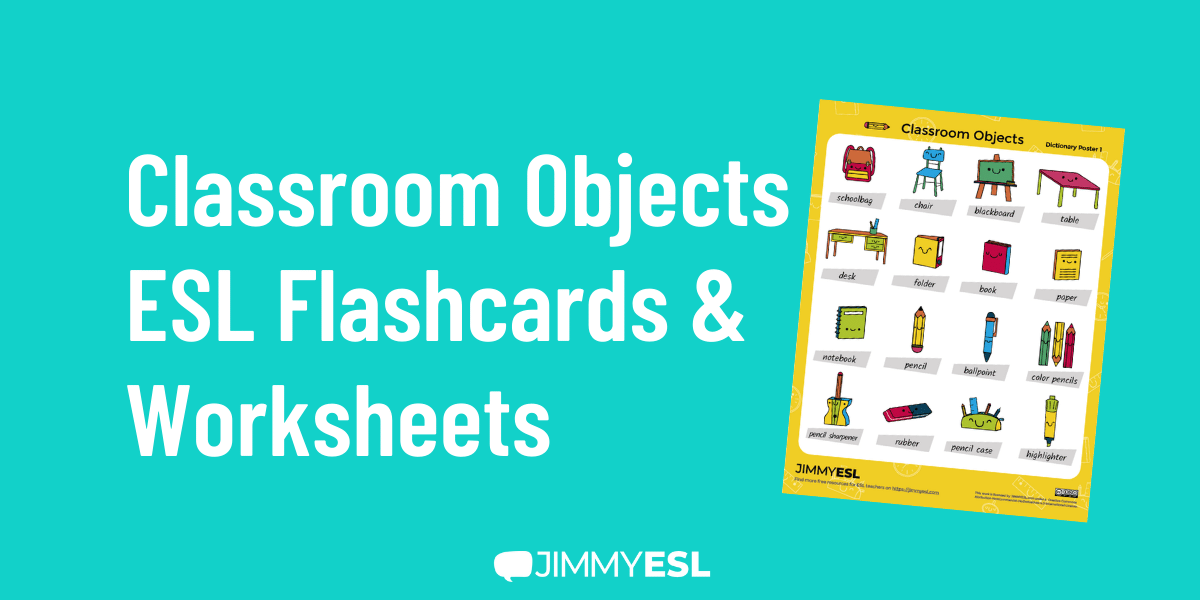
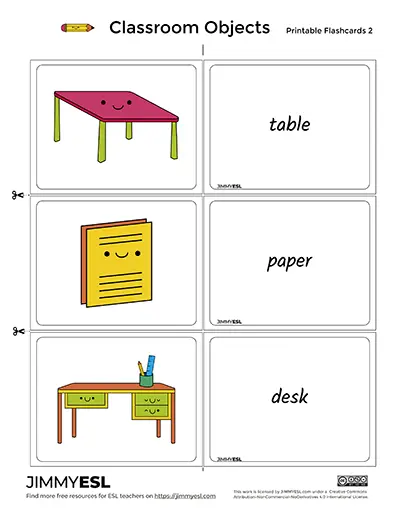
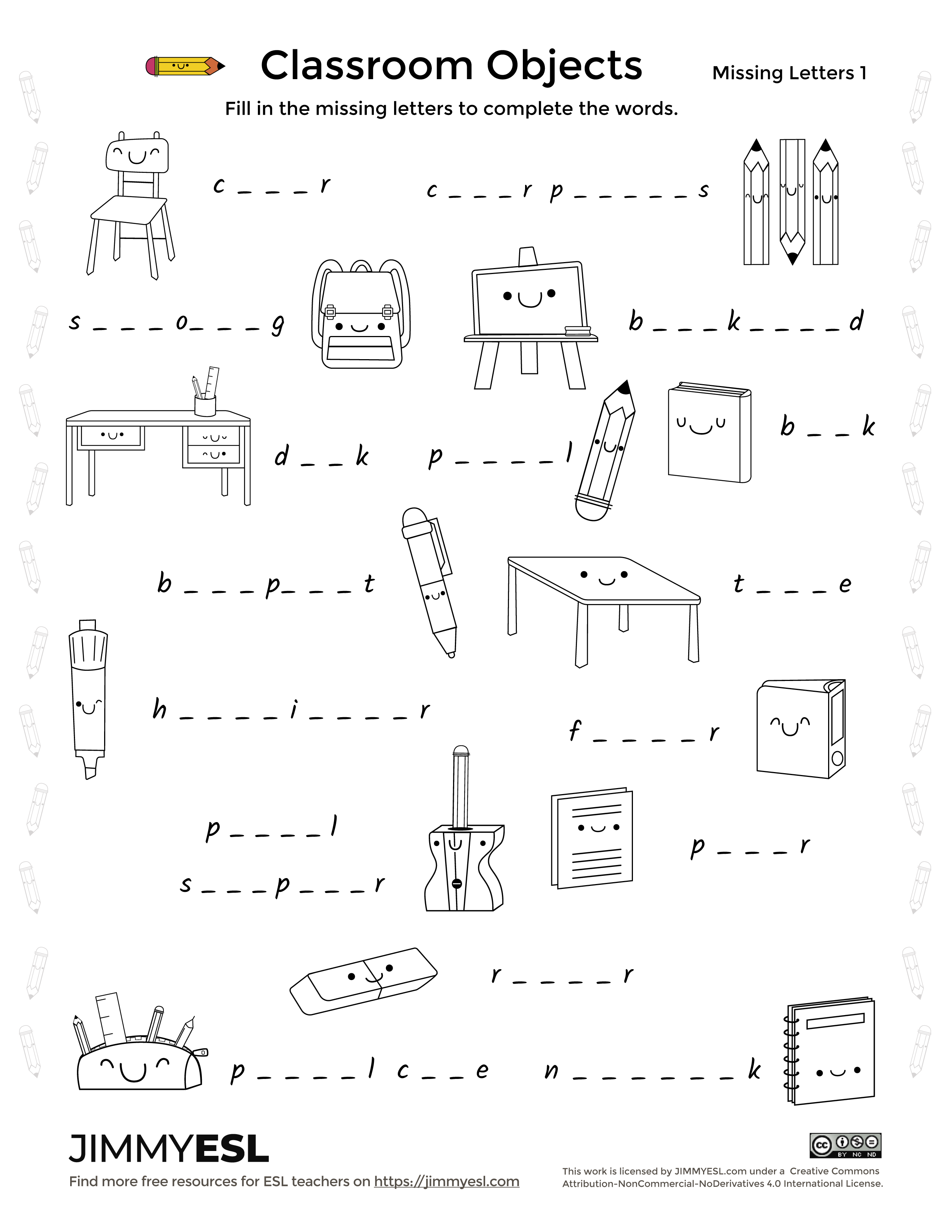
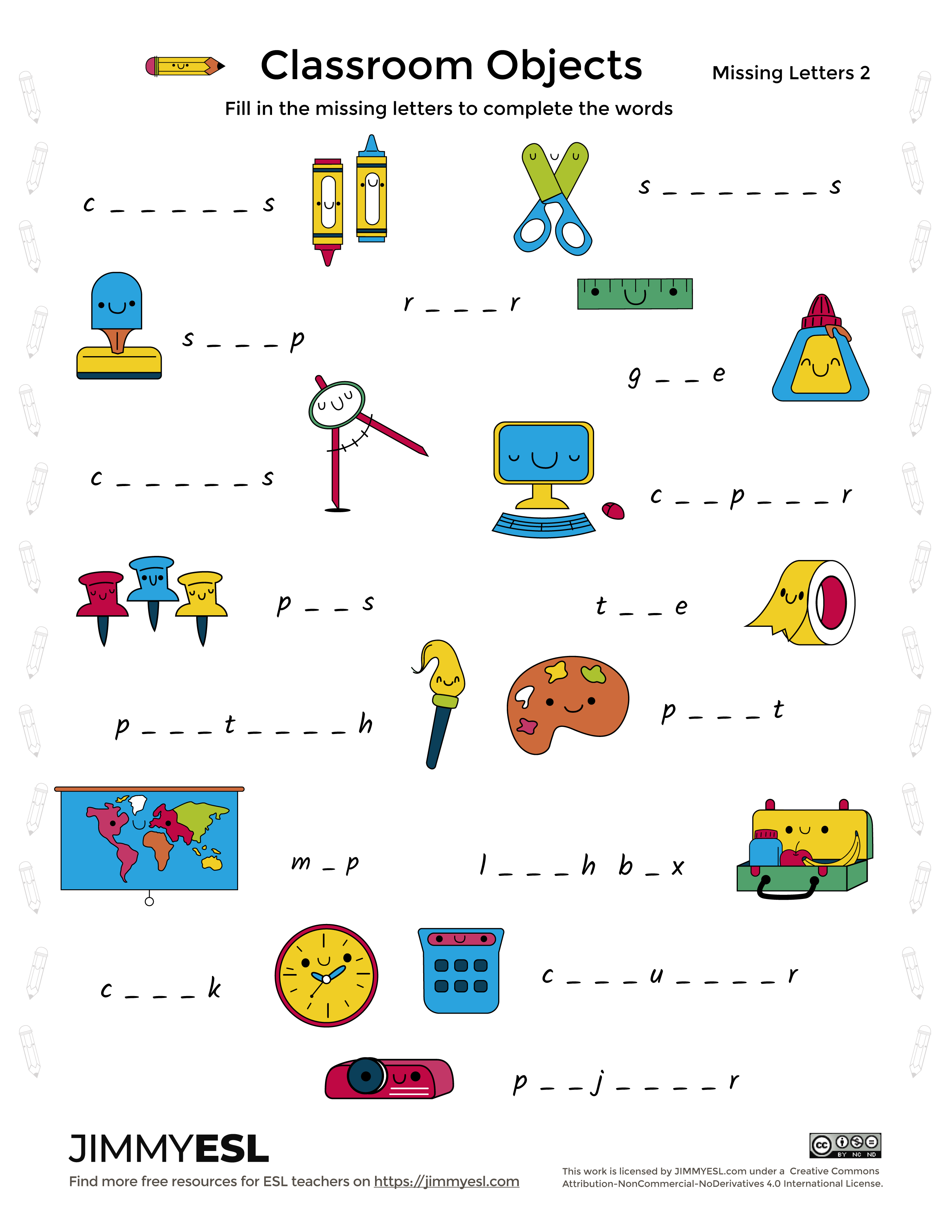
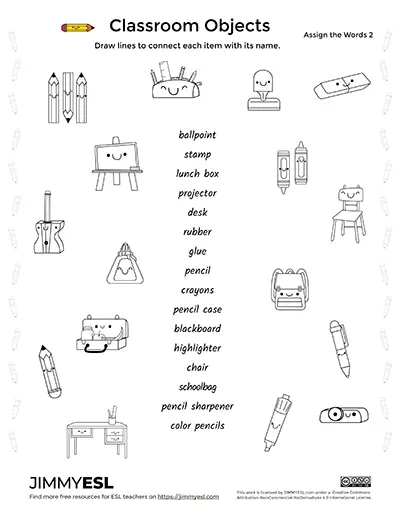
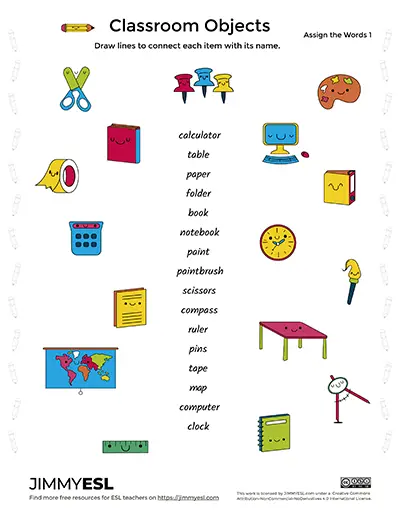
Teach English vocabulary related to school objects or classroom objects to your students – with our lovely illustrated ESL worksheets and flashcards, exclusively from JIMMYESL.
Kids – and likely adults, too – will love the “smiling items” and thus will be highly motivated to learn the new vocabulary and to complete the exercises in the worksheets.
Reward your students with a personal Certification of Achievement after taking the lesson!
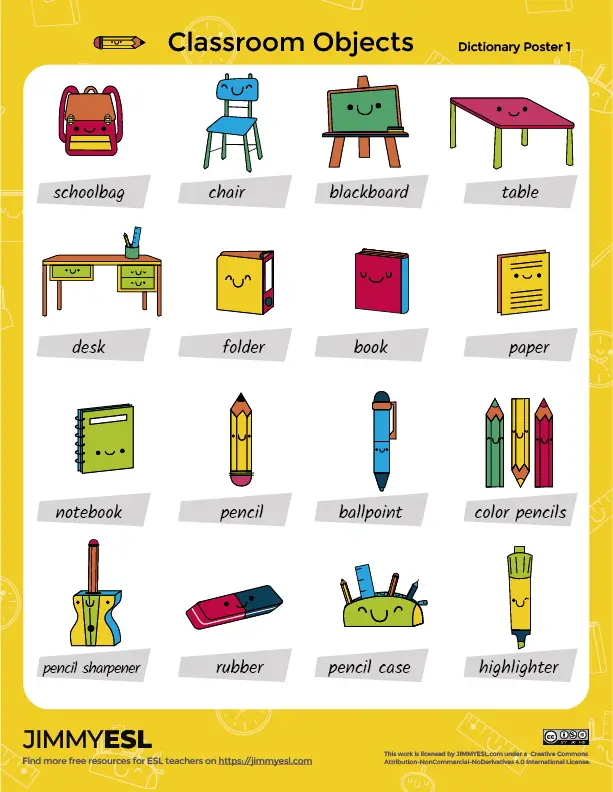
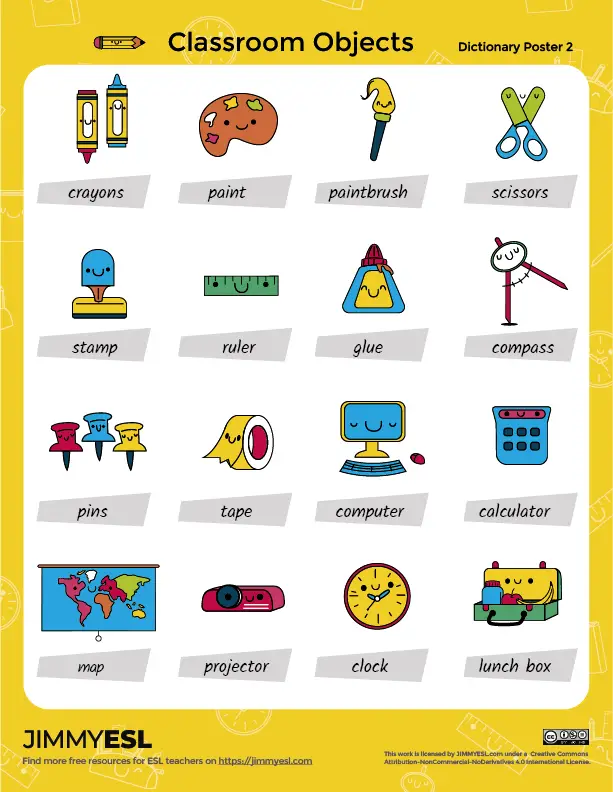
The free worksheets include the vocabulary for these 32 classroom objects:
schoolbag
I pack my schoolbag in the morning.
chair
I sit on a chair.
table
I work at the table.
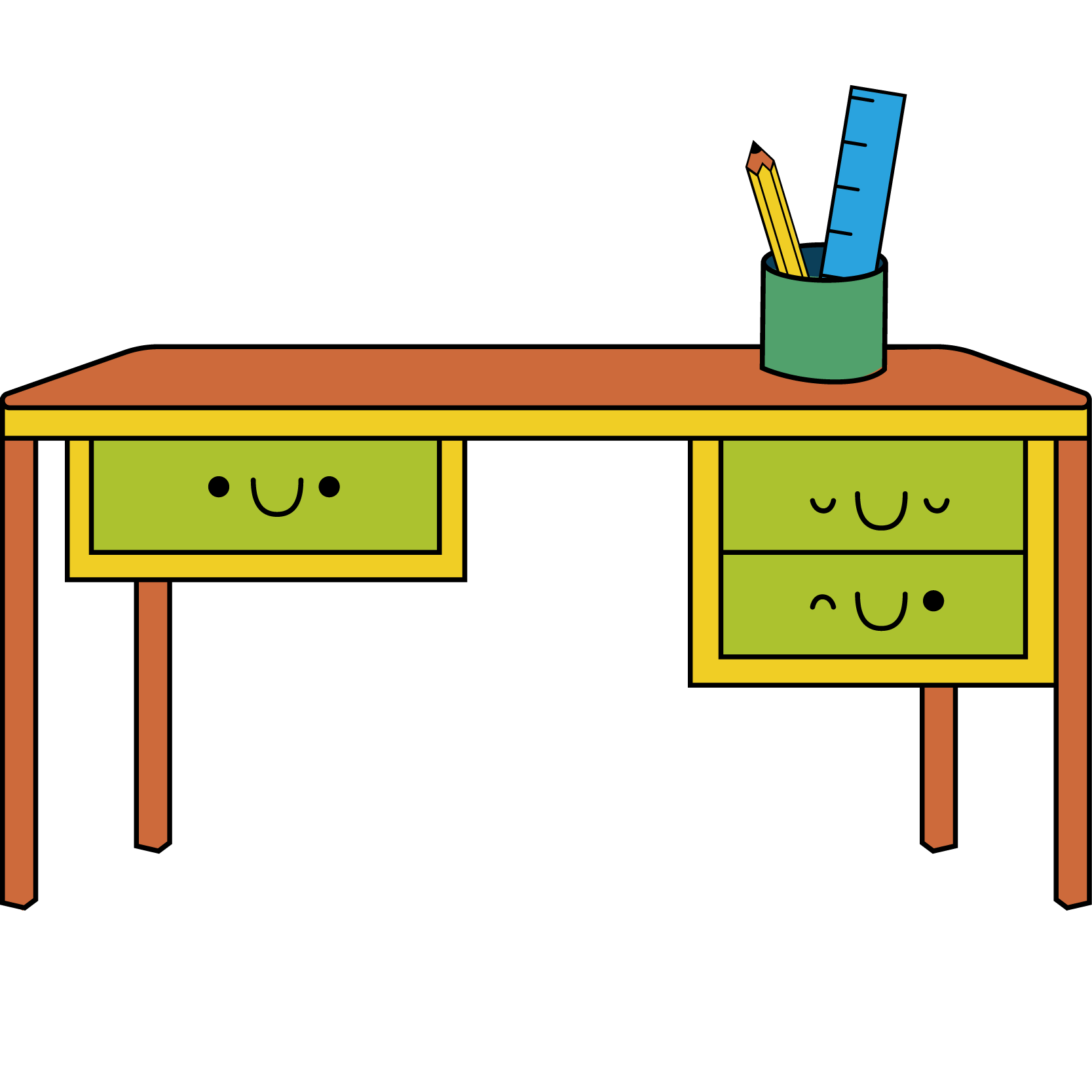
desk
The teacher sits at the desk.
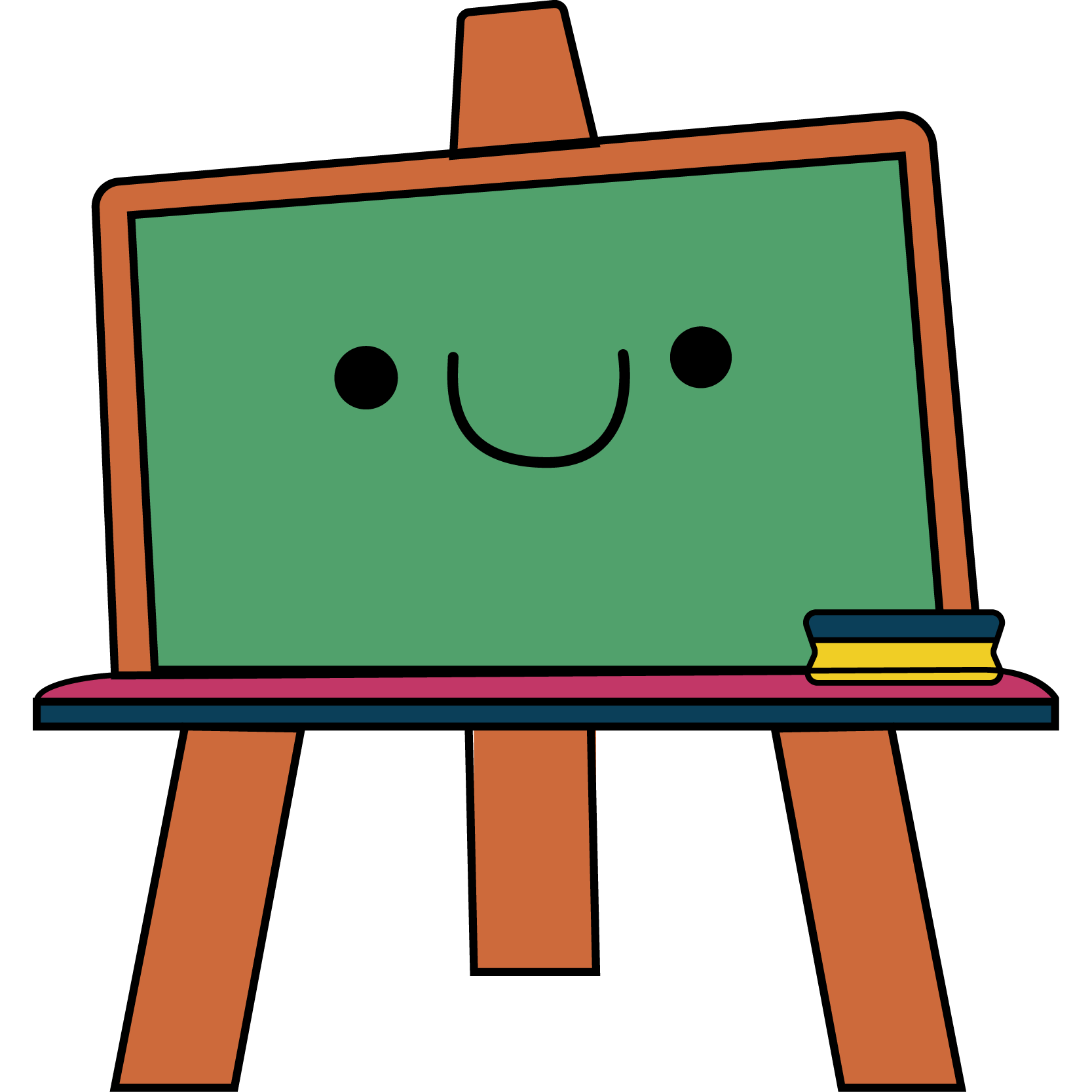
blackboard
The questions are on the blackboard.
book
I read my book.
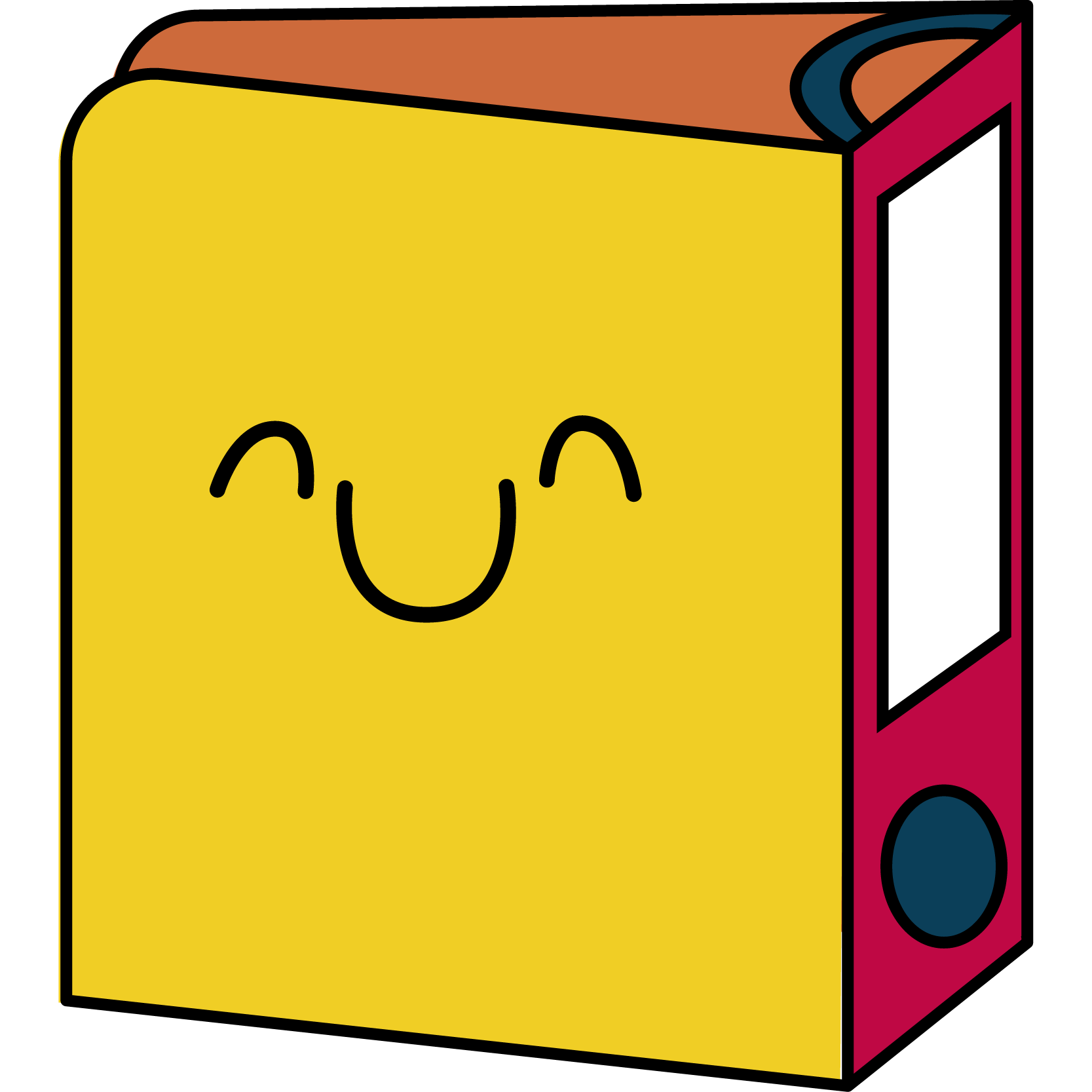
folder
I keep my work in my folder.
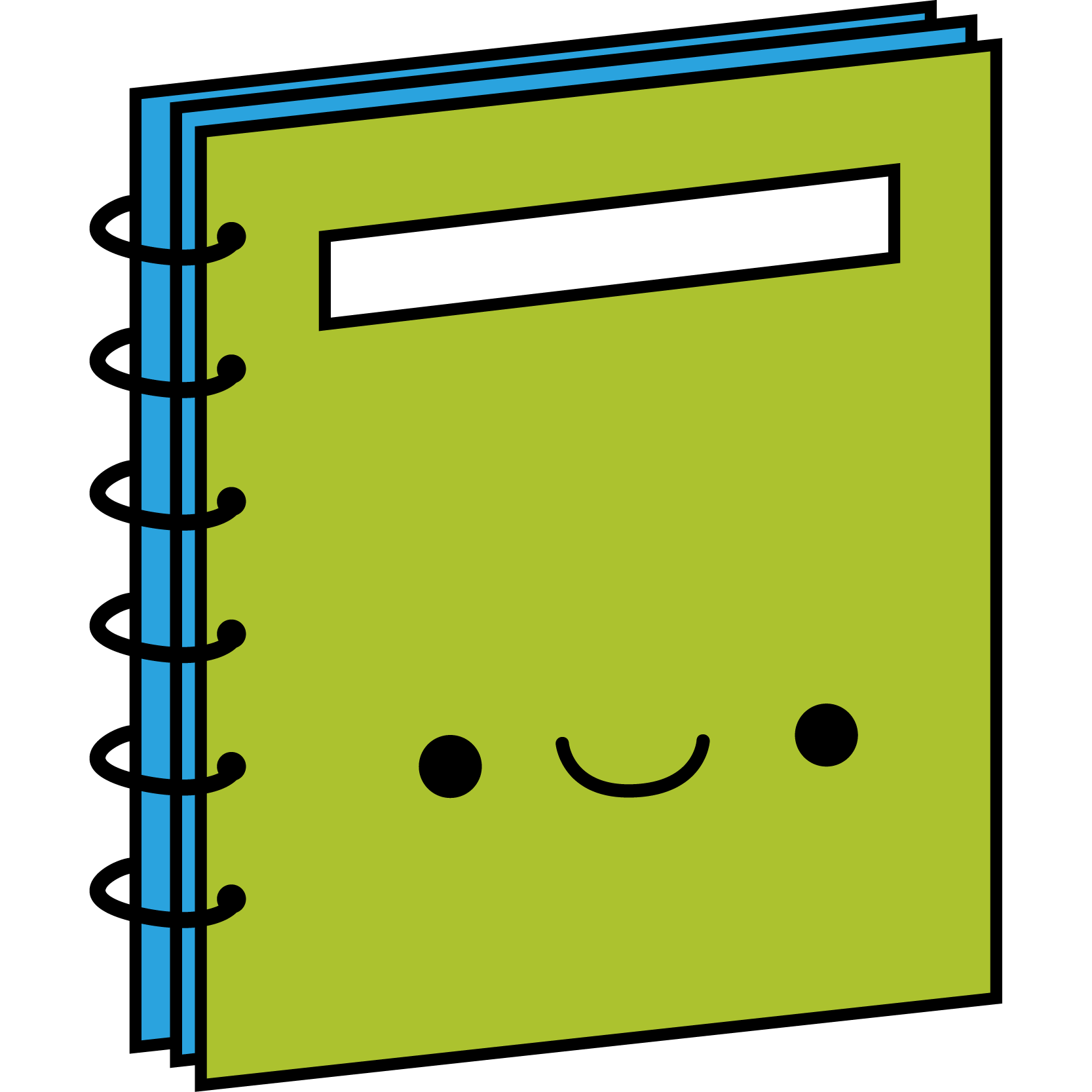
notebook
I take notes in my notebook.
paper
I write on the paper.
pencil
I use my pencil to write.
pencil case
I keep my stationery in my pencil case.
pencil sharpener
I use a pencil sharpener when my pencil is blunt.
rubber
I use a rubber when I make a mistake.
color pencils
It’s fun to use color pencils.
ballpointpen
I sometimes write with a ballpoint pen.
highlighter
A highlighter makes it easy to find parts of a sentence.
crayons
I use crayons to color my pictures.
paint
Paint can be fun but very messy!
paintbrush
I use a paintbrush to paint.
scissors
Scissors help me cut things.
stamp
The teacher stamps my work when it is finished.
ruler
A ruler tells me how long things are.
glue
Glue helps me stick things together.
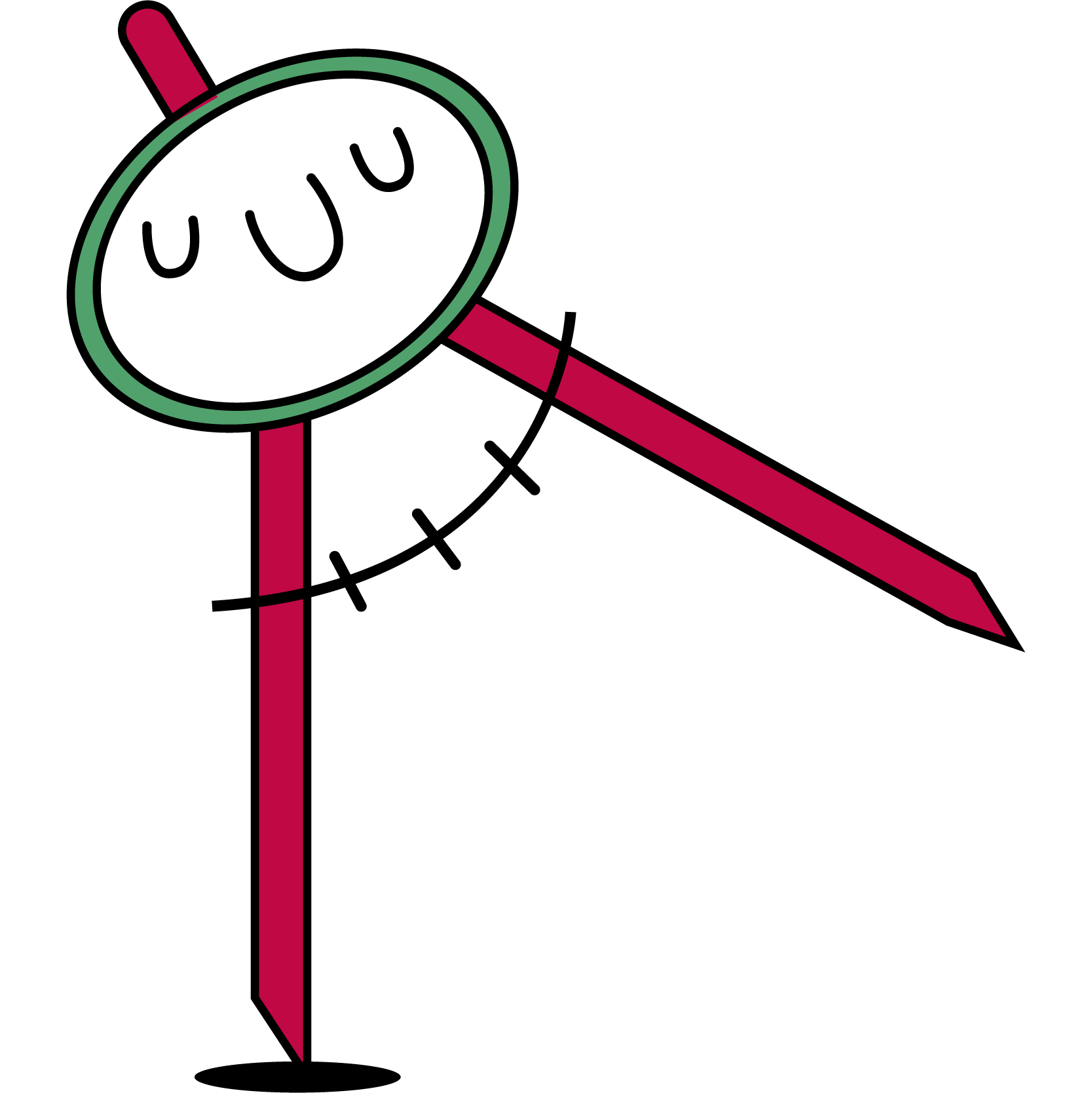
compass
A compass makes it easy to draw a circle.
pins
We use pins to stick things to the board.
tape
Tape can also be used to stick things together.
computer
I use the computer to search the internet.
calculator
A calculator makes it easier to add big numbers.
projector
We can see big pictures using the projector.
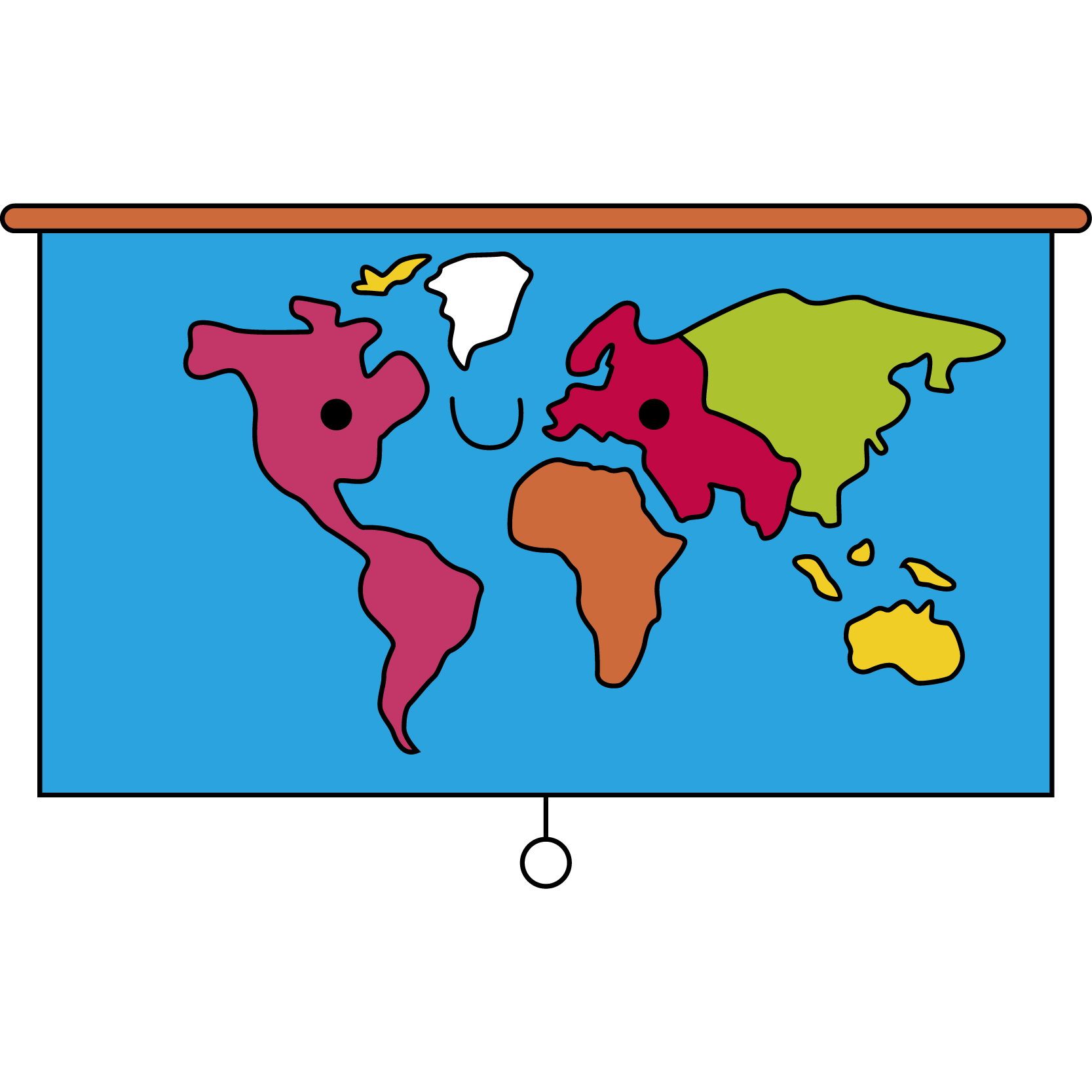
map
A map shows different places.
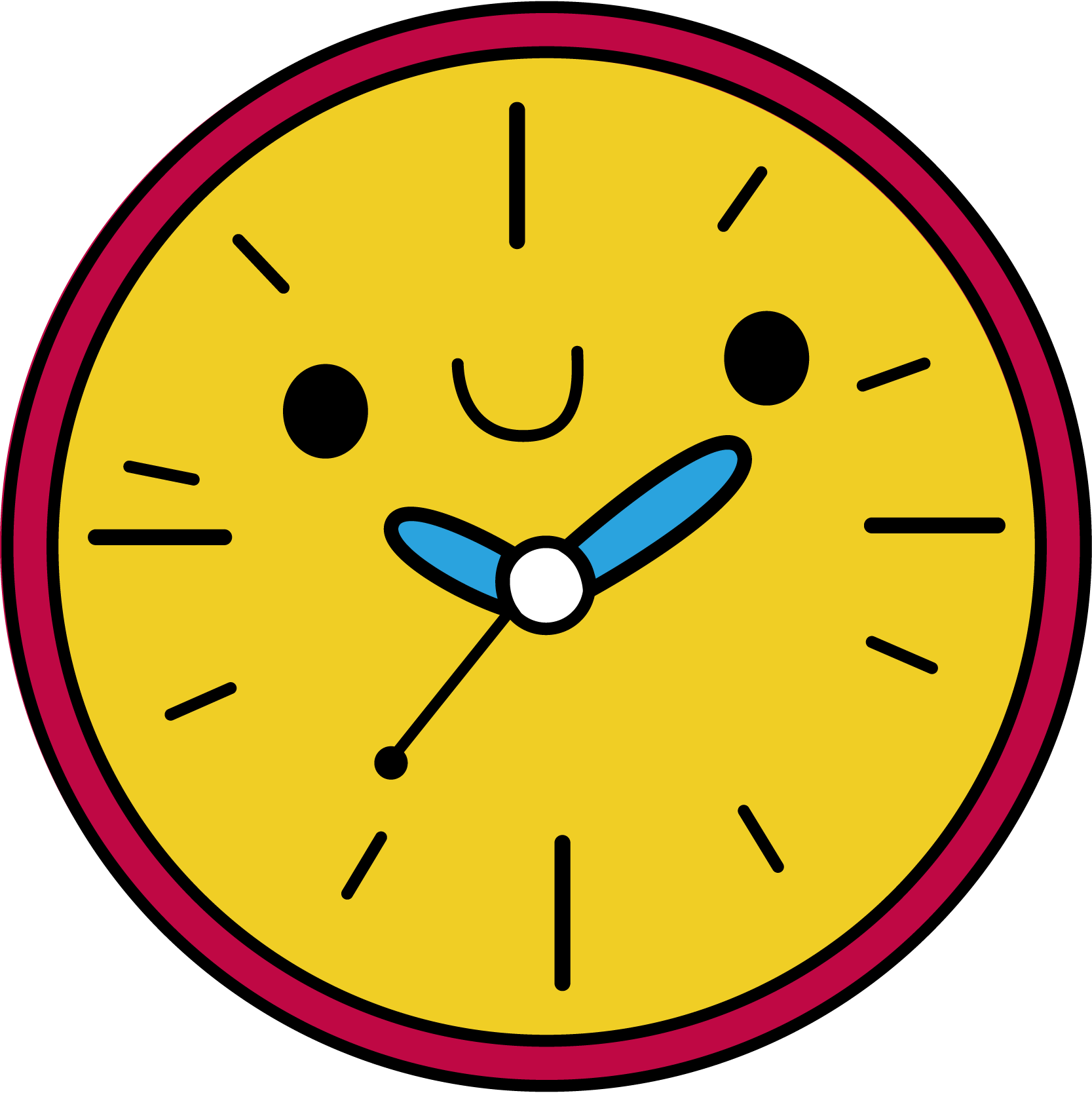
clock
I use a clock to tell the time.
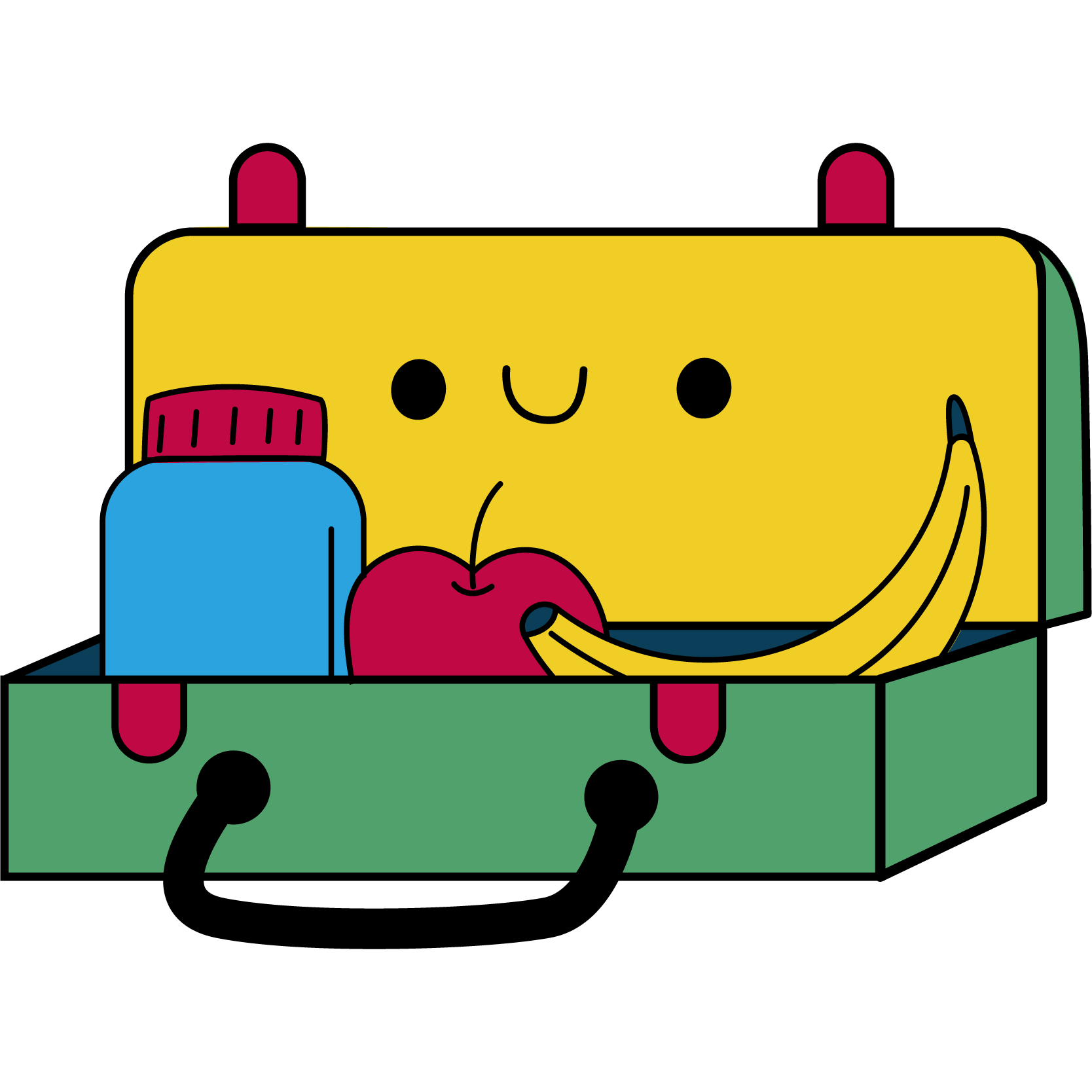
lunchbox
All of my tasty food is in my lunchbox.
Classroom Objects: The Worksheets
Dictionary Poster
The Dictionary Poster lists all 32 school and classroom objects. Print it and attach it to your classroom wall! – 2 pages
Poster Page 1
Poster Page 2
Printable Flashcards
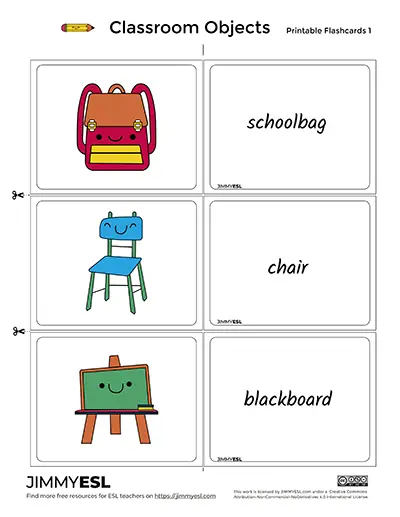
Teach school & classroom objects vocabulary with flashcards. – 32 flashcards
Printable Flashcards Page 1
Printable Flashcards Page 2
Worksheet: Missing Letters
Let your students fill in the missing letters to complete the item names and color in the illustrations. – 2 pages, colored and black & white to color in
Black & White Worksheet Page 1
Colored Worksheet Page 2
Worksheet: Assign the Items
Let your students assign the items to their names by drawing lines. – – 2 pages, colored and black & white to color in
Black & White Worksheet Page 1
Colored Worksheet Page 2
Certification of Achievement
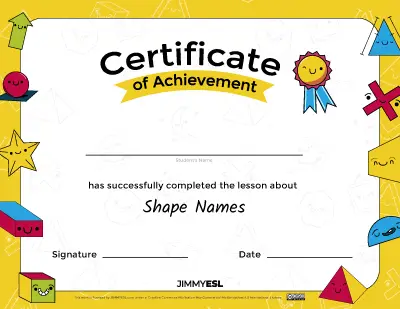
Reward your students for their effort with a personal printable certification. – 1 page
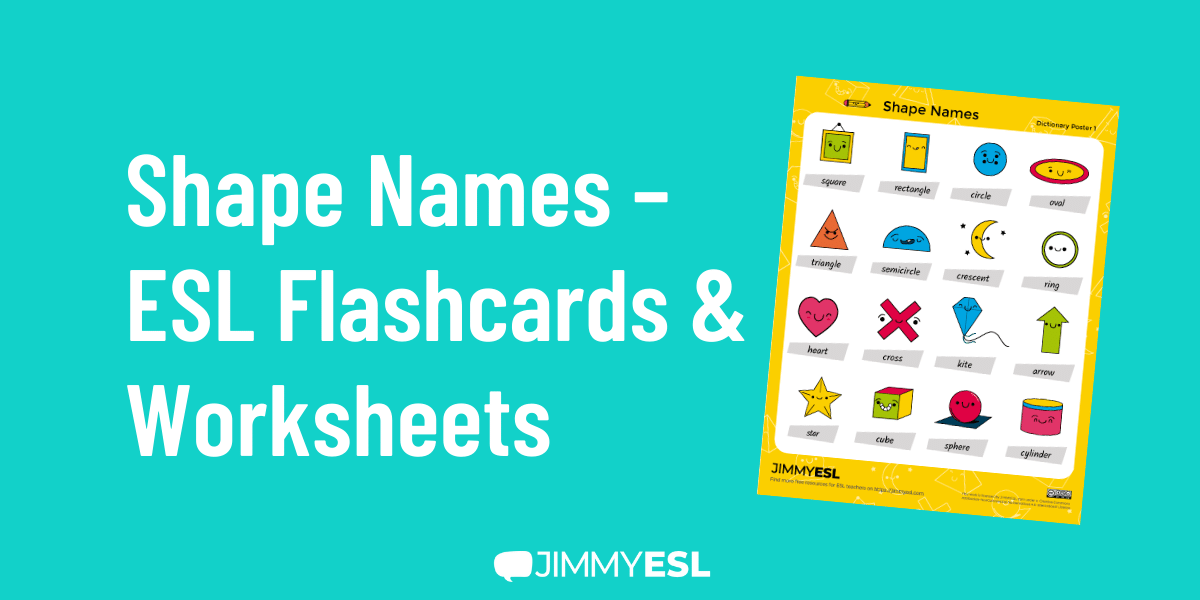
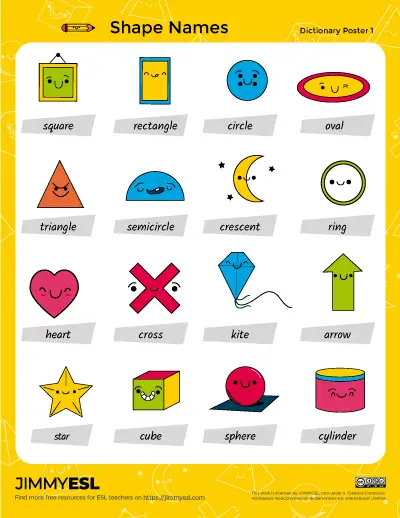
Teach the most common shape names to your learners – with our lovely illustrated ESL worksheets and flashcards, exclusively from JIMMYESL.
Kids – and likely adults, too – will love the “smiling shapes” and thus will be highly motivated to learn the new vocabulary and to complete the exercises in the worksheets.
Reward your students with a personal Certification of Achievement after taking the lesson!
The free worksheets include the vocabulary for these 32 shapes:
square
This picture frame is a square.
rectangle
My TV is a rectangle.
circle
The clock is a circle.
oval
The rug is an oval.
triangle
Tortilla chips are triangles.
semicircle
I use a semicircle ruler in maths class.
crescent
The moon is a crescent.
ring
Rings are… ring shaped!
heart
A heart is the shape of love.
cross
A cross means no.
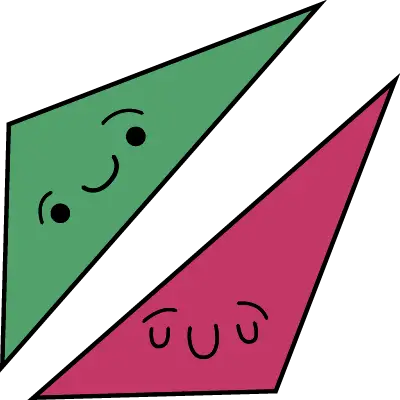
kite
I like to fly kites.
arrow
Arrows show us the way.
star
Stars are bright.
cube
Boxes are cubes.
sphere
Apples are spheres.
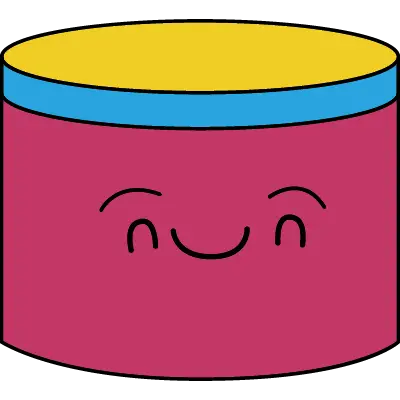
cylinder
Pipes are cylinders.
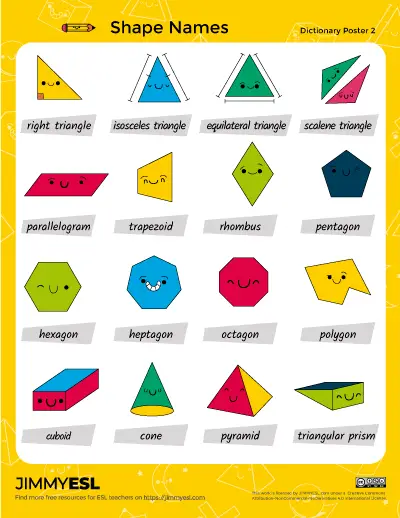
right triangle
A right triangle has a 90 degree angle.
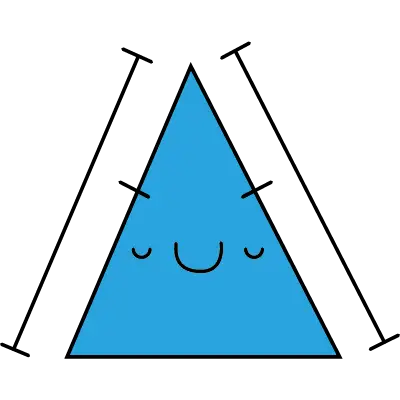
isosceles triangle
An isosceles triangle has 2 equal sides.
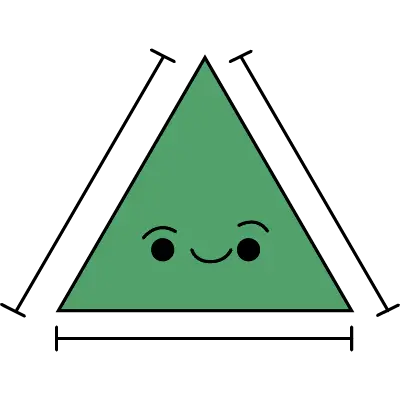
equilateral triangle
An equilateral triangle has 3 equal sides.
scalene triangle
A scalene triangle has all 3 sides at different lengths.
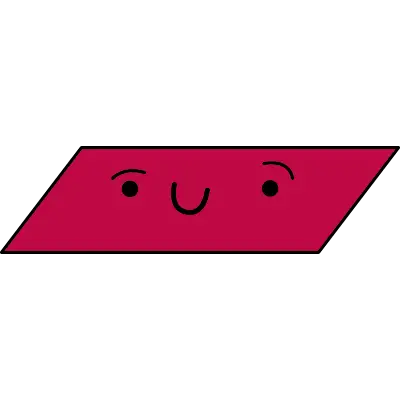
parallelogram
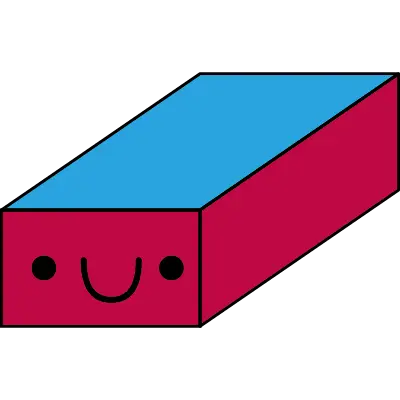
My eraser is a parallelogram.
trapezoid
Gold blocks have a trapezoid shape.
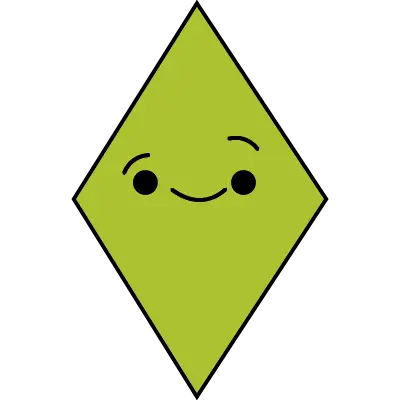
rhombus
Rhombuses look like diamonds.
pentagon
The pentagon is an important building in the USA.
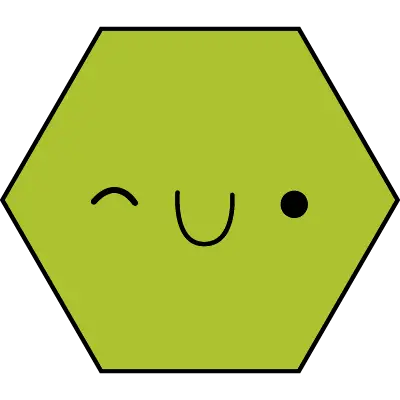
hexagon
Honeycombs are hexagons.
heptagon
Heptagons have 7 sides.
octagon
Stop signs are octagons.
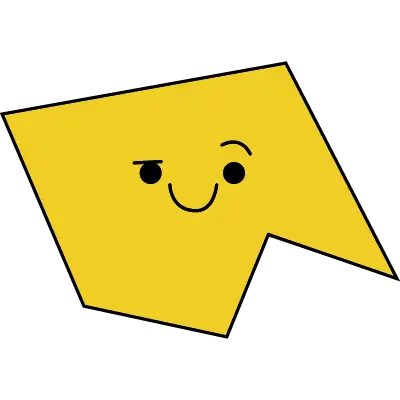
polygon
A polygon can have many sides of different sizes.
brick
Bricks are used to make houses.
cone
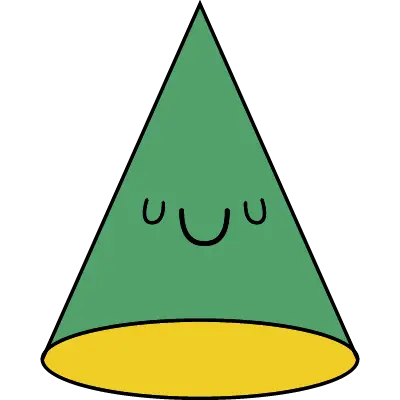
Cones are great to put ice-cream in!
pyramid
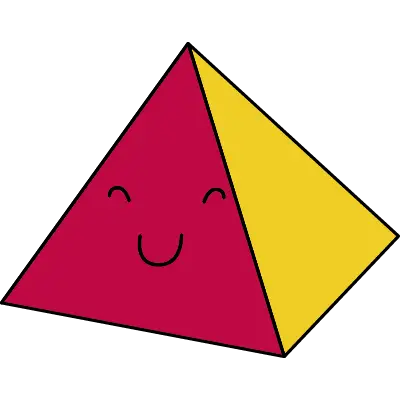
The Egyptians built pyramids a long time ago.
triangular prism
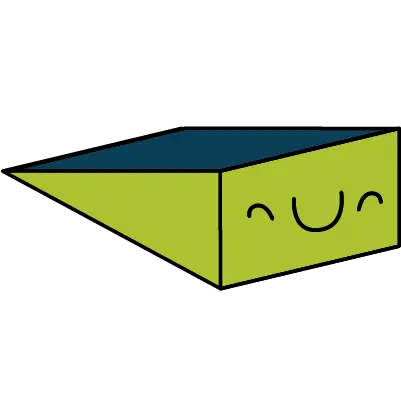
A wedge of cheese is a triangular prism.
Shape Names: The Worksheets
Dictionary Poster
The Dictionary Poster lists all 32 names of the shapes. Print it and attach it to your classroom wall! – 2 pages
Poster Page 1
Poster Page 2
Printable Flashcards
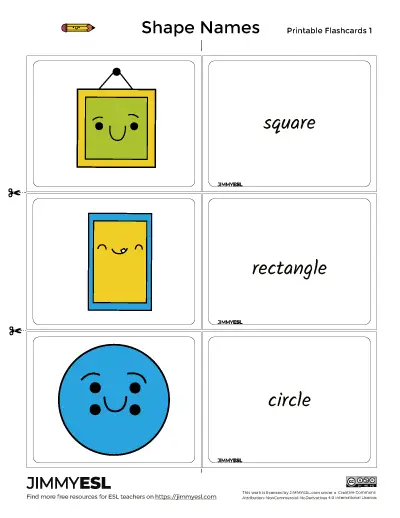
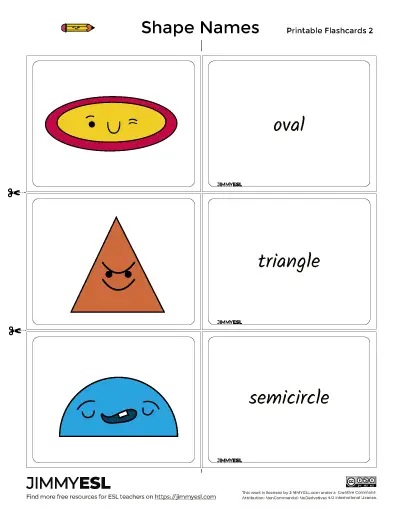
Teach the shape names vocabulary with flashcards. – 32 flashcards
Printable Flashcards Page 1
Printable Flashcards Page 2
Worksheet: Missing Letters
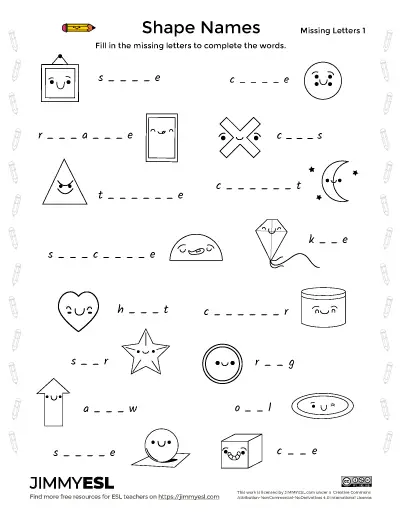
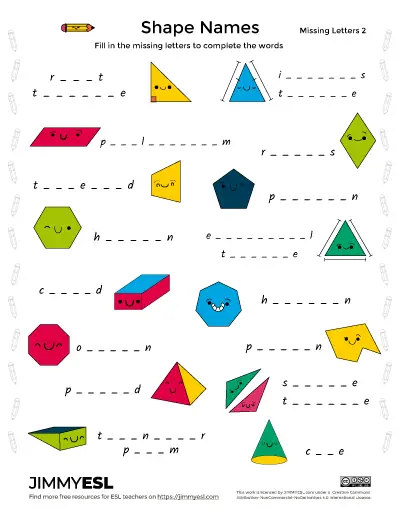
Let your students fill in the missing letters to complete the shape names and color in the illustrations. – 2 pages, colored and black & white to color in
Black & White Worksheet Page 1
Colored Worksheet Page 2
Worksheet: Assign the Items
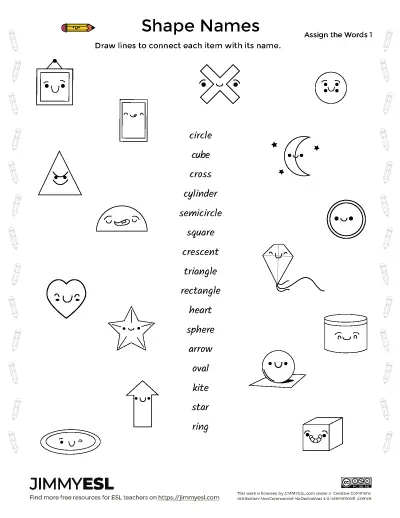
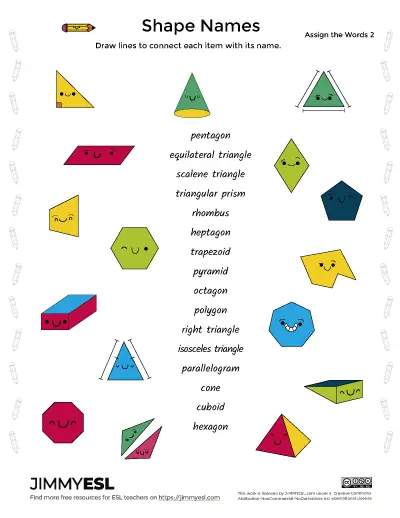
Let your students assign the shapes to their names by drawing lines. – – 2 pages, colored and black & white to color in
Black & White Worksheet Page 1
Colored Worksheet Page 2
Certification of Achievement
Reward your students for their effort with a personal printable certification. – 1 page
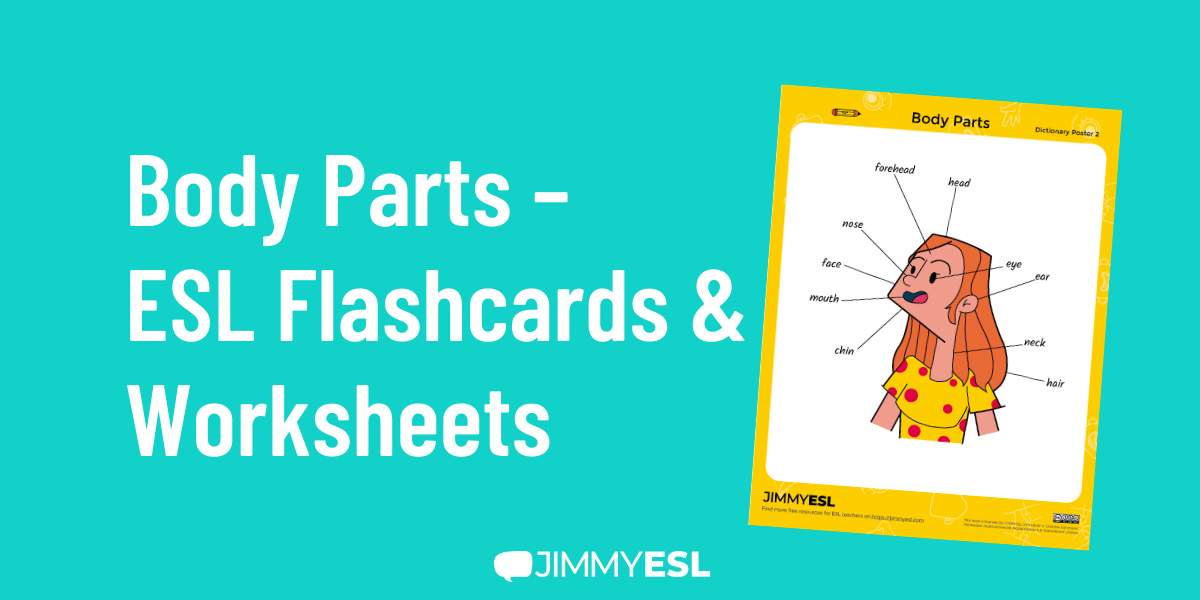
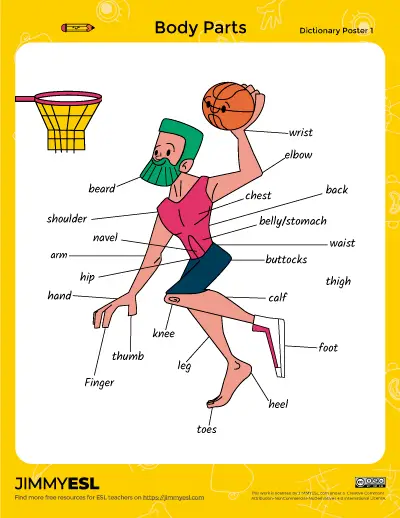
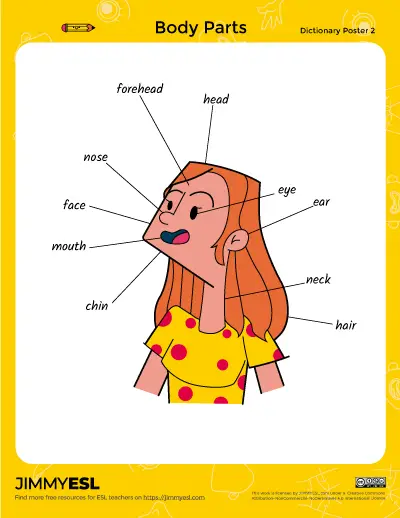
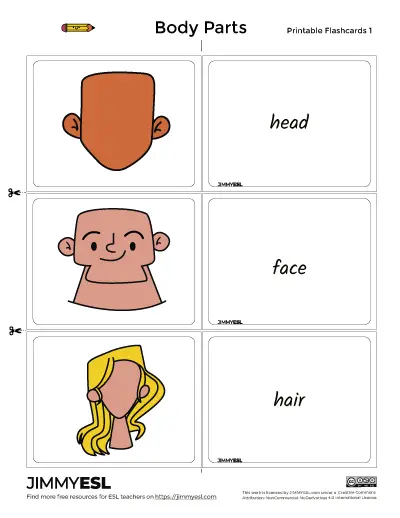
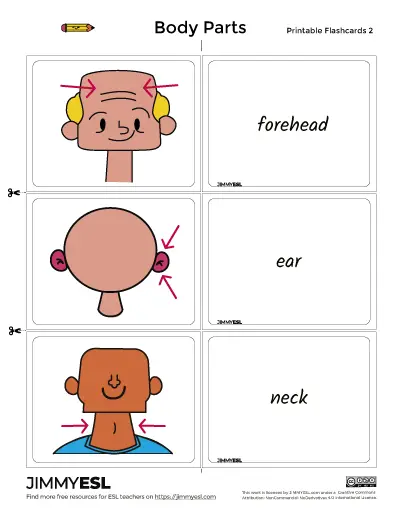
Teach the body part names to your learners – with our lovely illustrated ESL worksheets and flashcards, exclusively from JIMMYESL.
Kids – and likely adults, too – will love the illustrations and thus will be highly motivated to learn the new vocabulary and to complete the exercises in the worksheets.
Reward your students with a personal Certification of Achievement after taking the lesson!
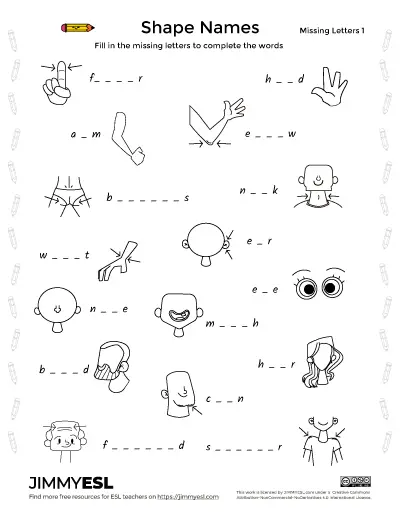
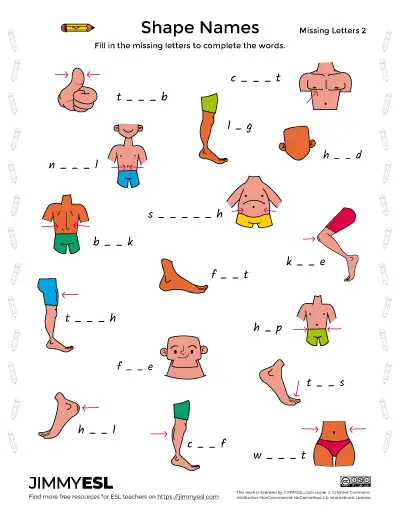
The free worksheets include the vocabulary for these 32 body parts:
Head
I have a big head.
Face
He has a handsome face.
Hair
She has long hair.
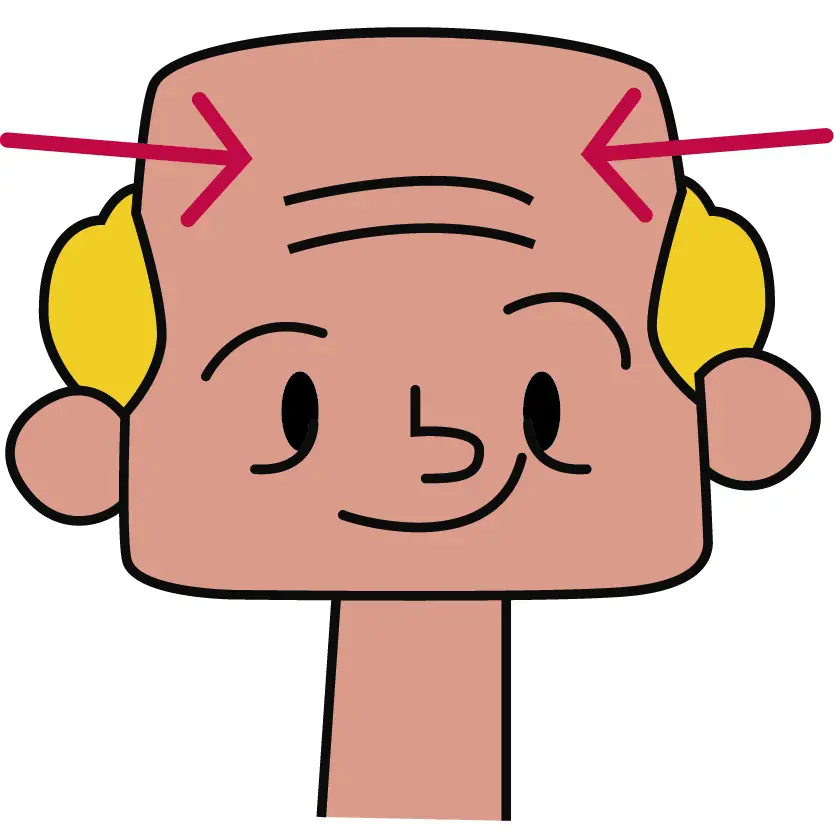
Forehead
He tapped his forehead.
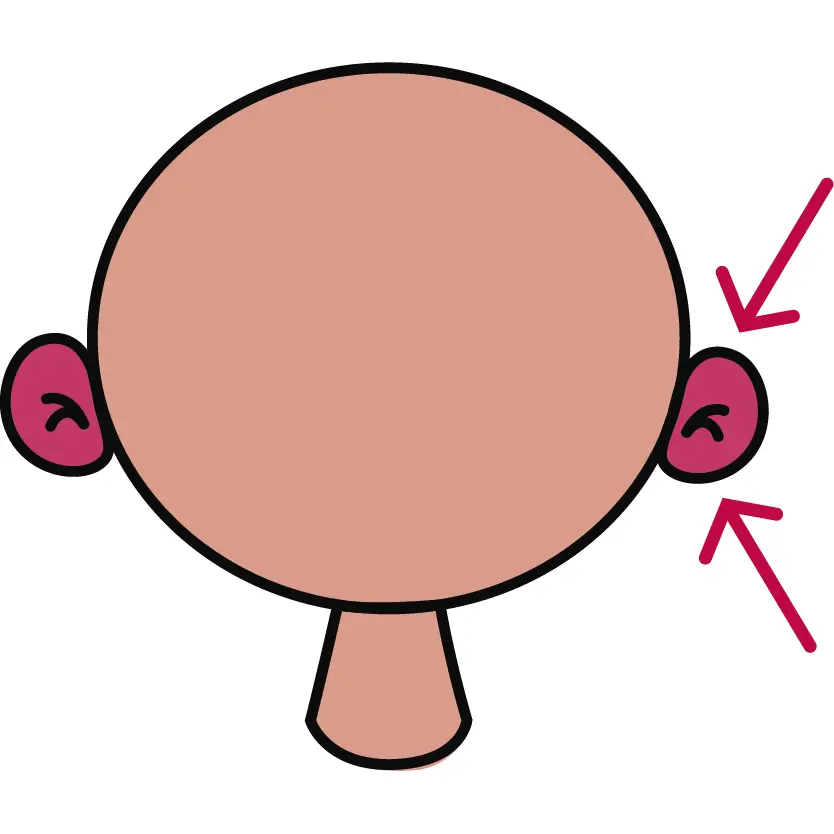
Ear
My ears are cold.
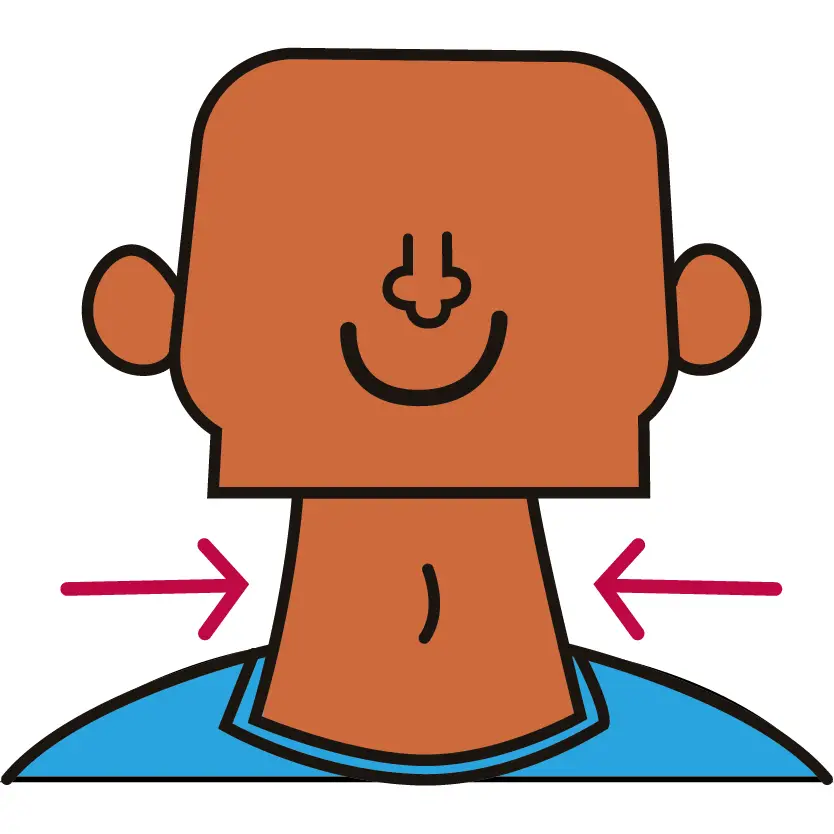
Neck
I have a pain in my neck.
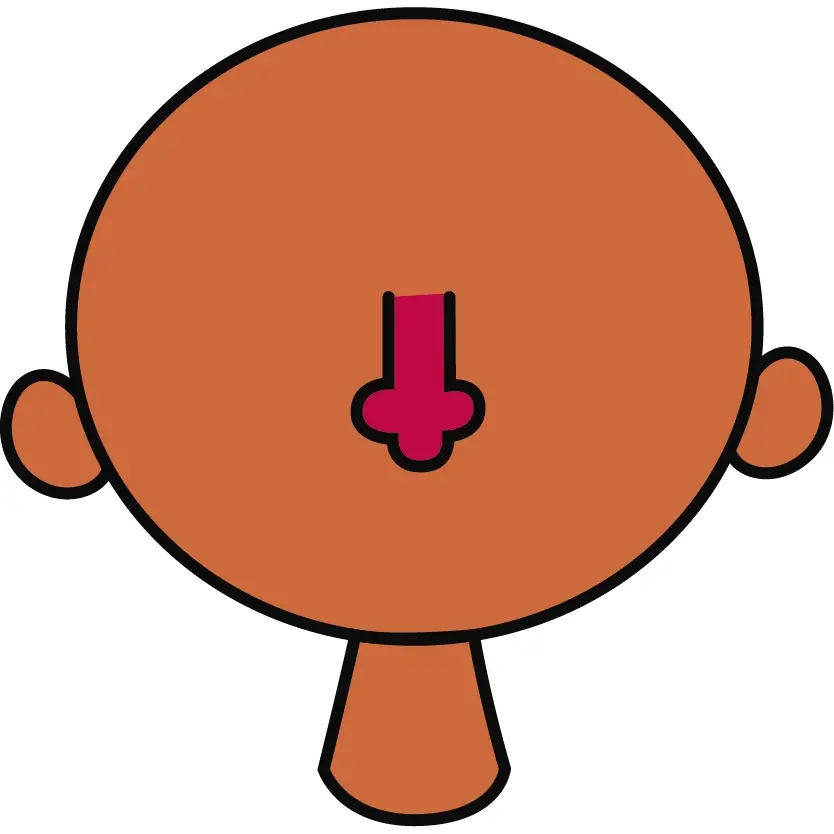
Nose
She has a small nose.
Eye
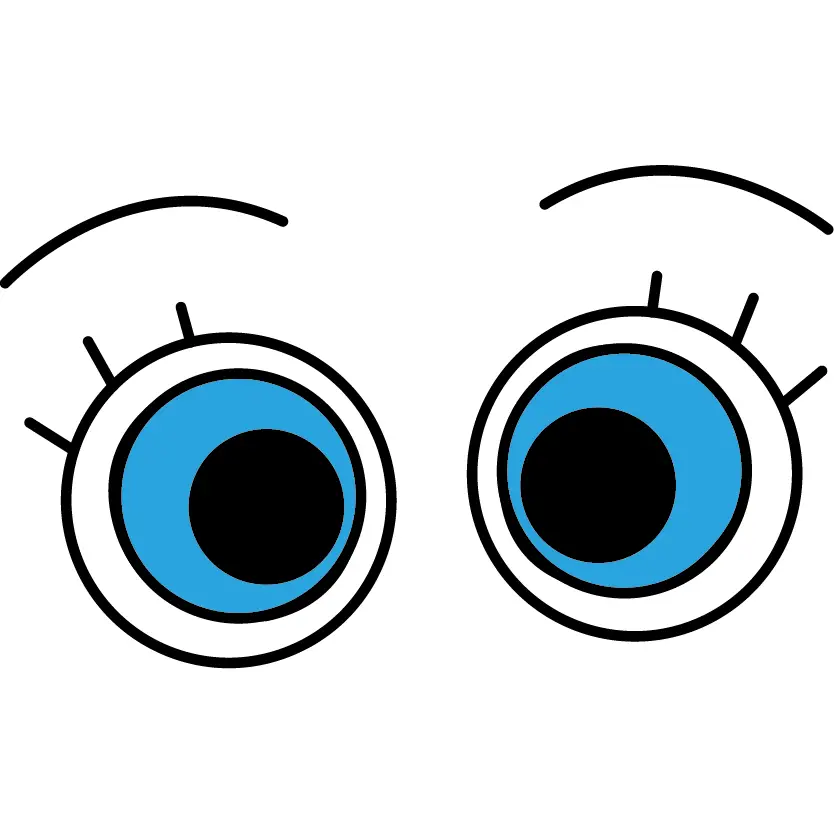
I have blue eyes.
Mouth
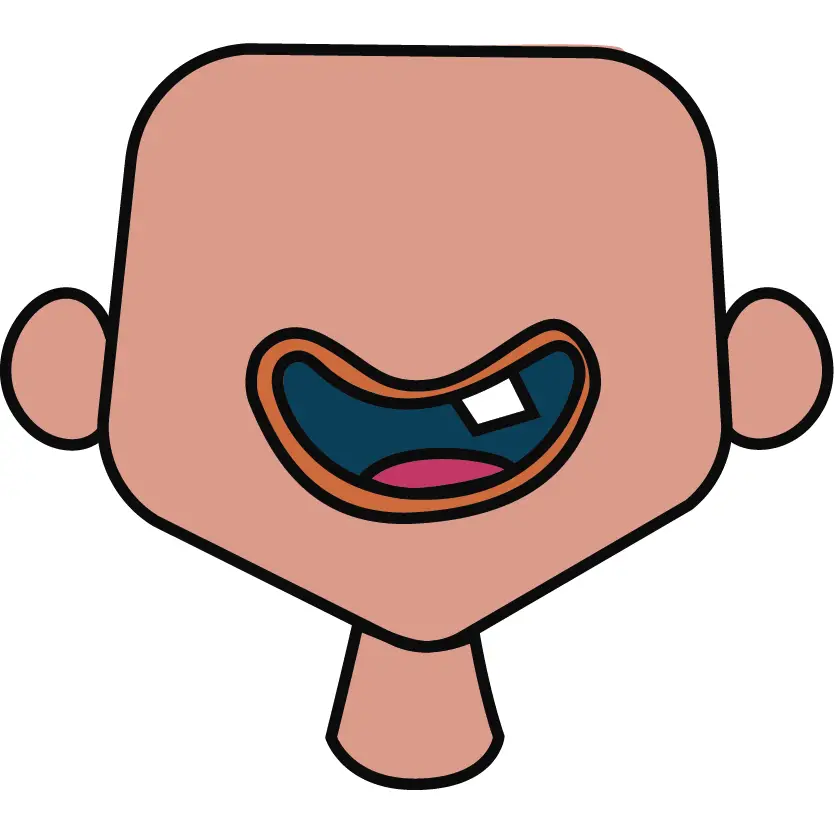
My mouth has one tooth.
Chin
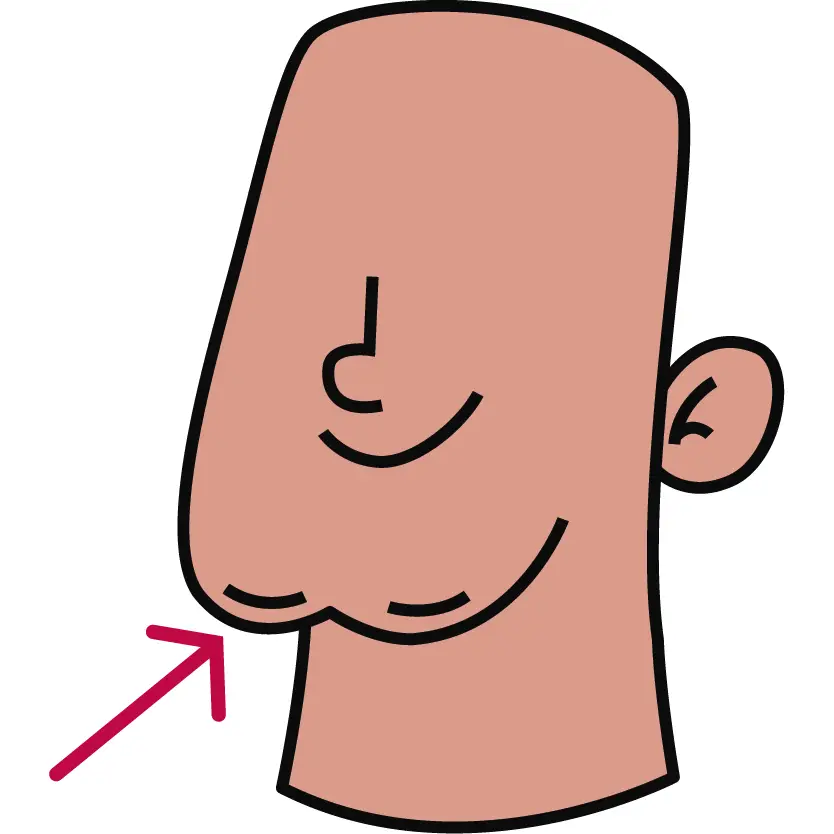
He has a wide chin.
Beard
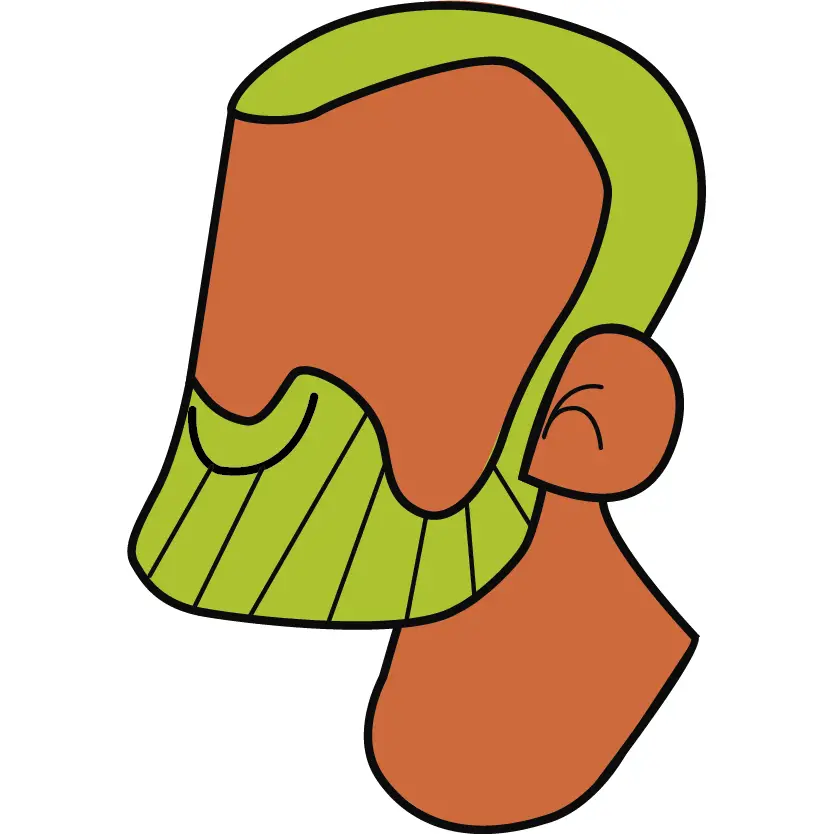
I have a bushy beard.
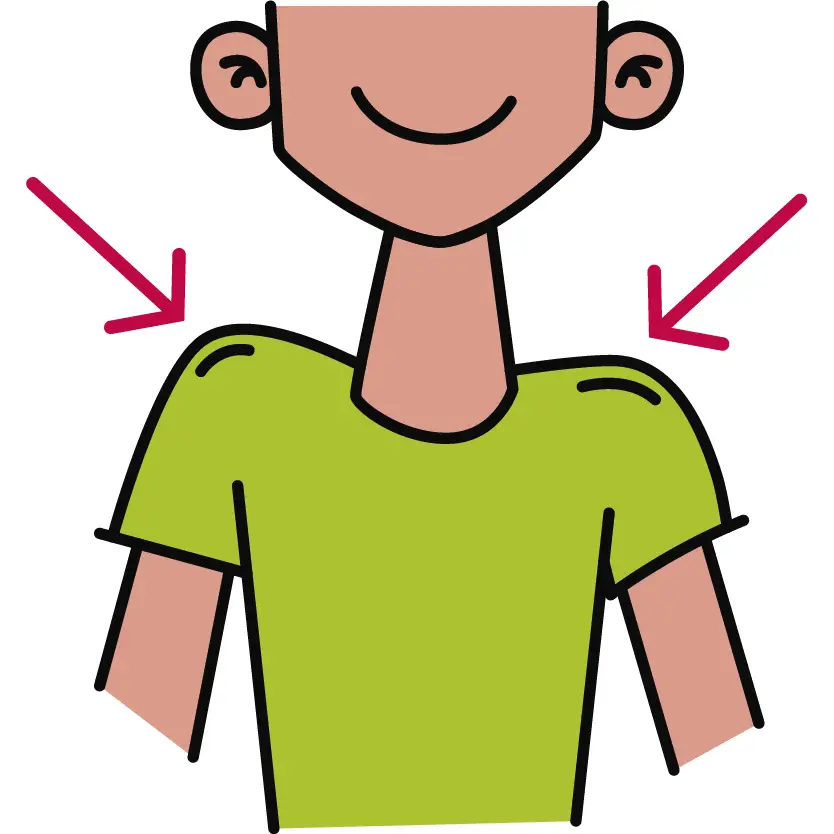
Shoulder
He has broad shoulders.
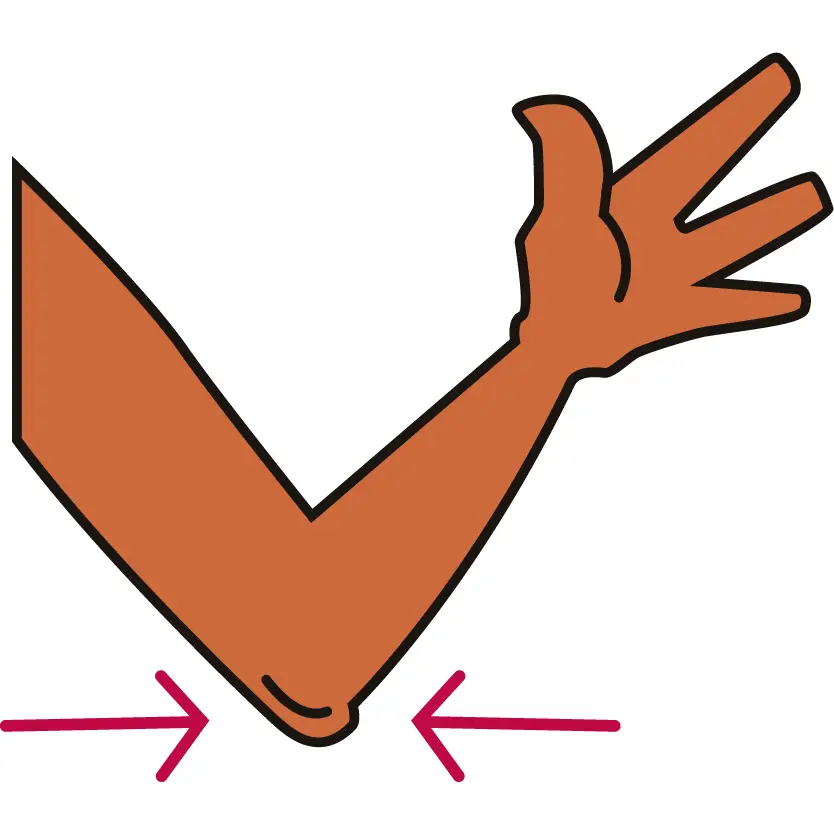
Elbow
I hurt my elbow.
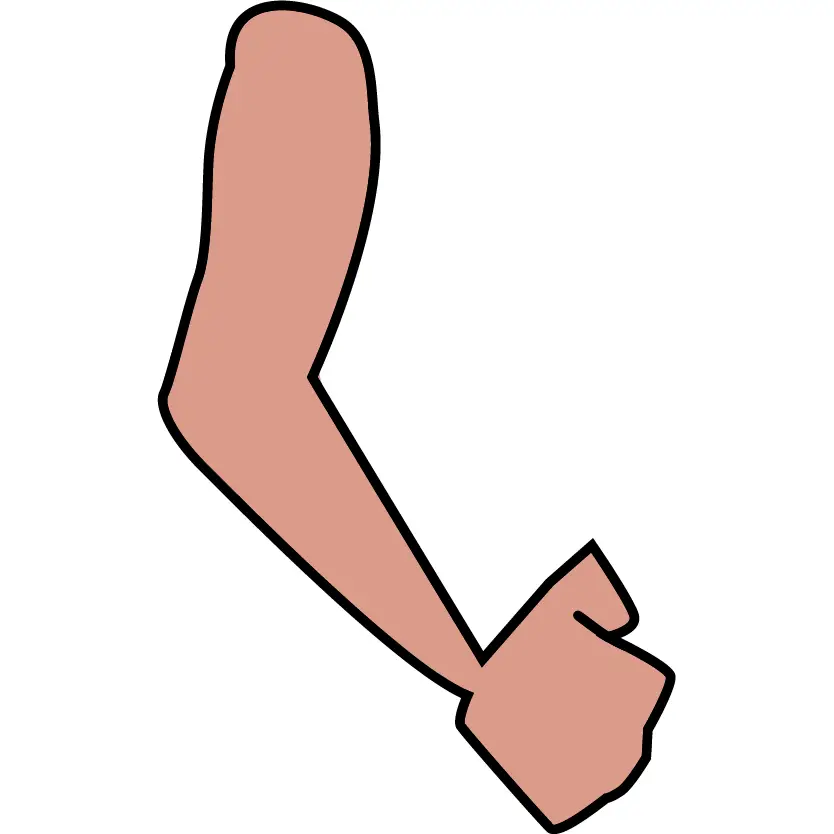
Arm
She has strong arms.
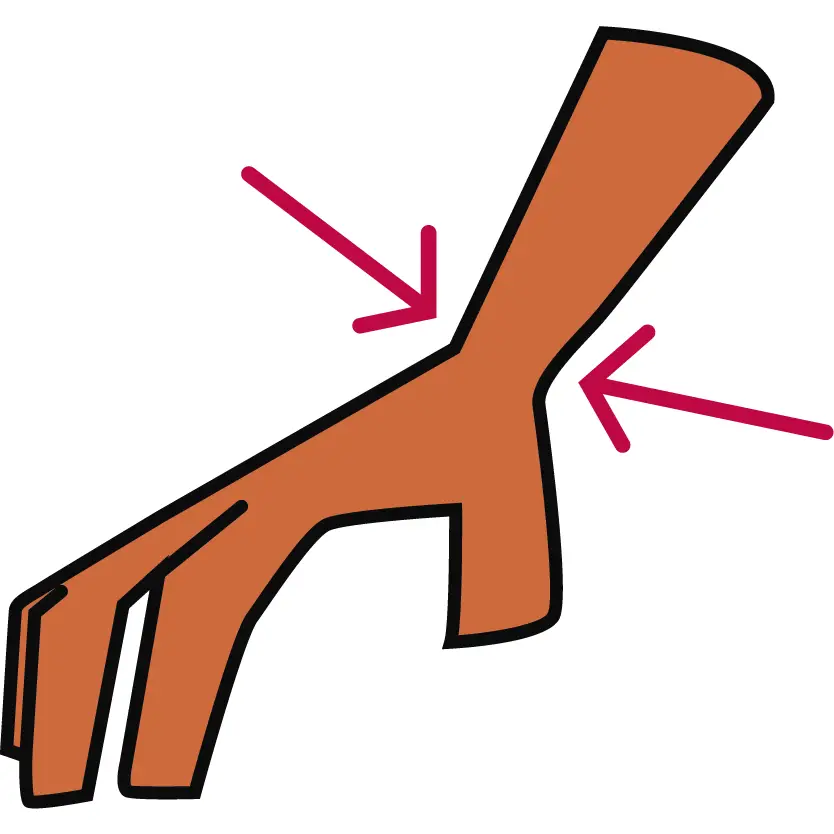
Wrist
My wrist has cramp.
Hand
I have two hands.
Finger
I count using my fingers.
Thumb
She gave a thumbs up.
Chest
He has a wide chest.
Navel
My navel is ticklish.
Belly / Stomach
I have a big belly.
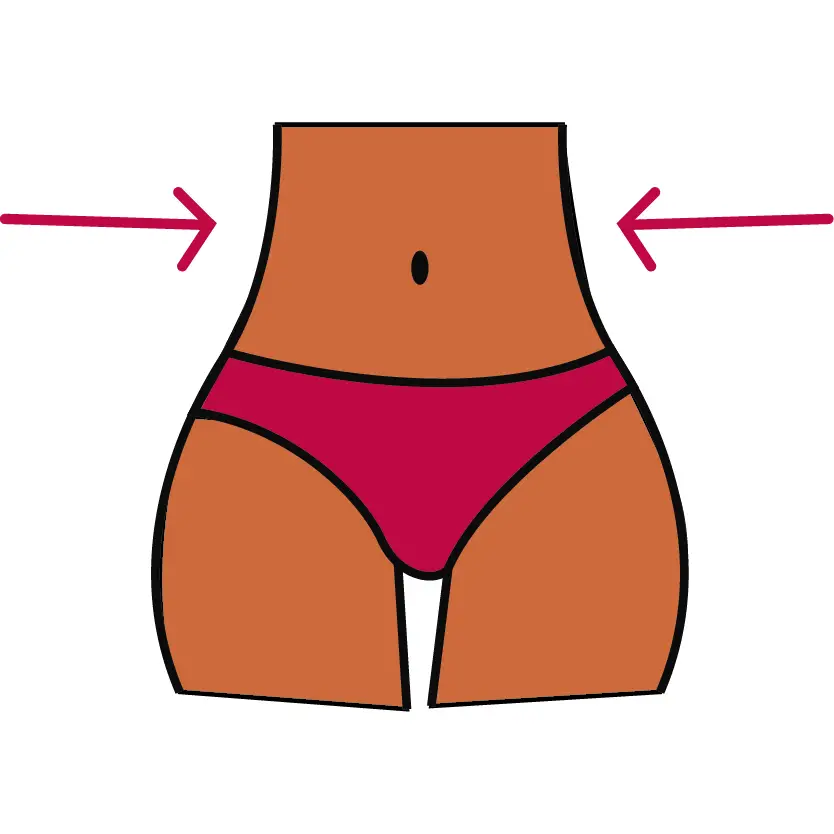
Hip
He has wide hips.
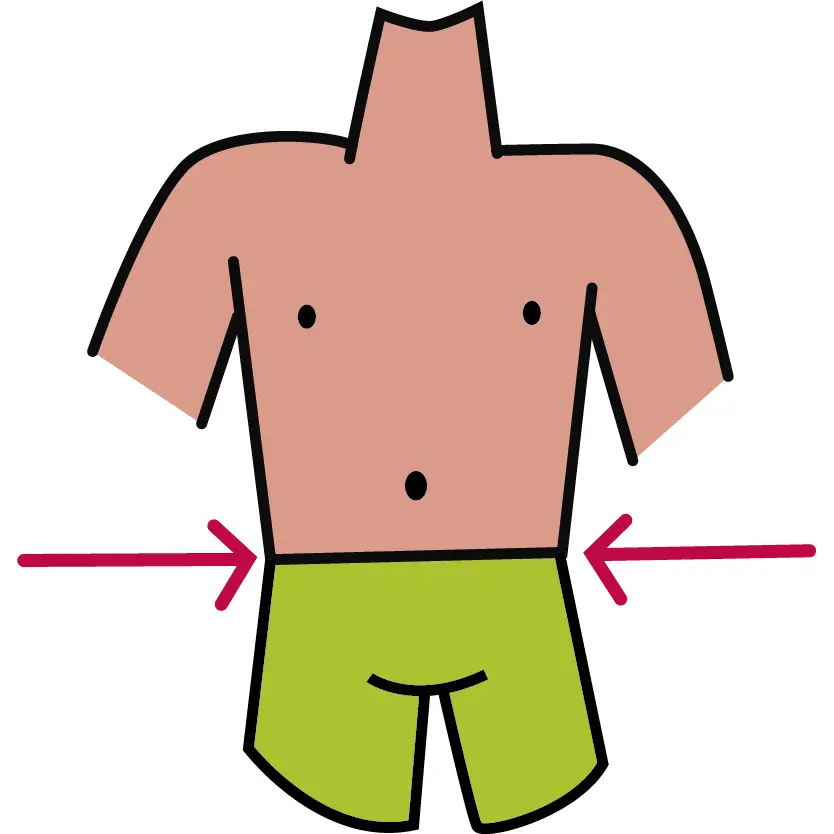
Waist
She has a slim waist.
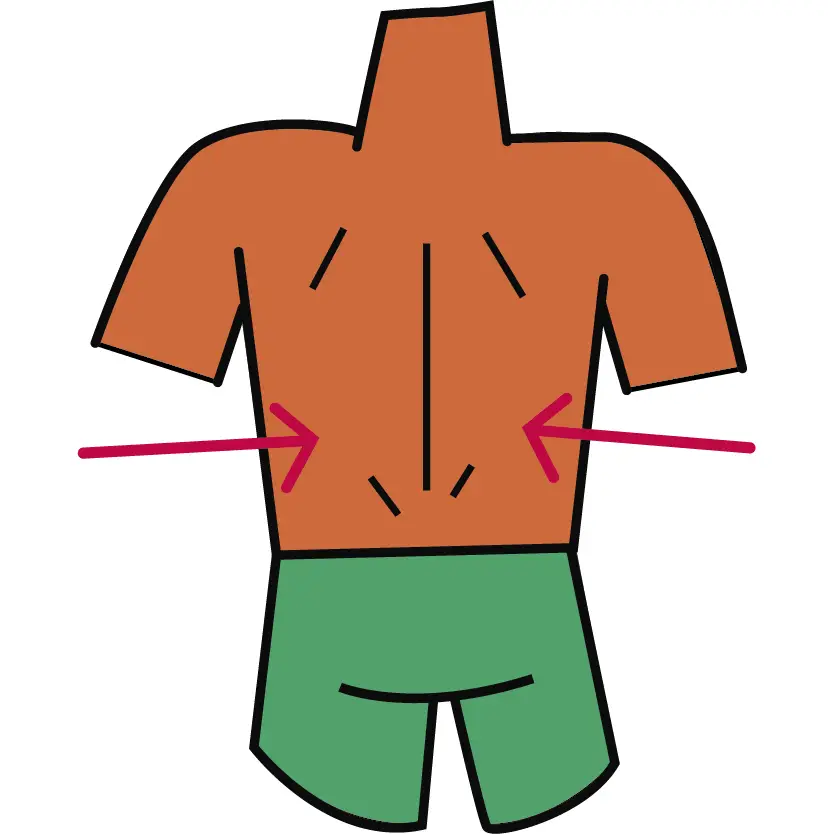
Back
Don’t hurt your back.
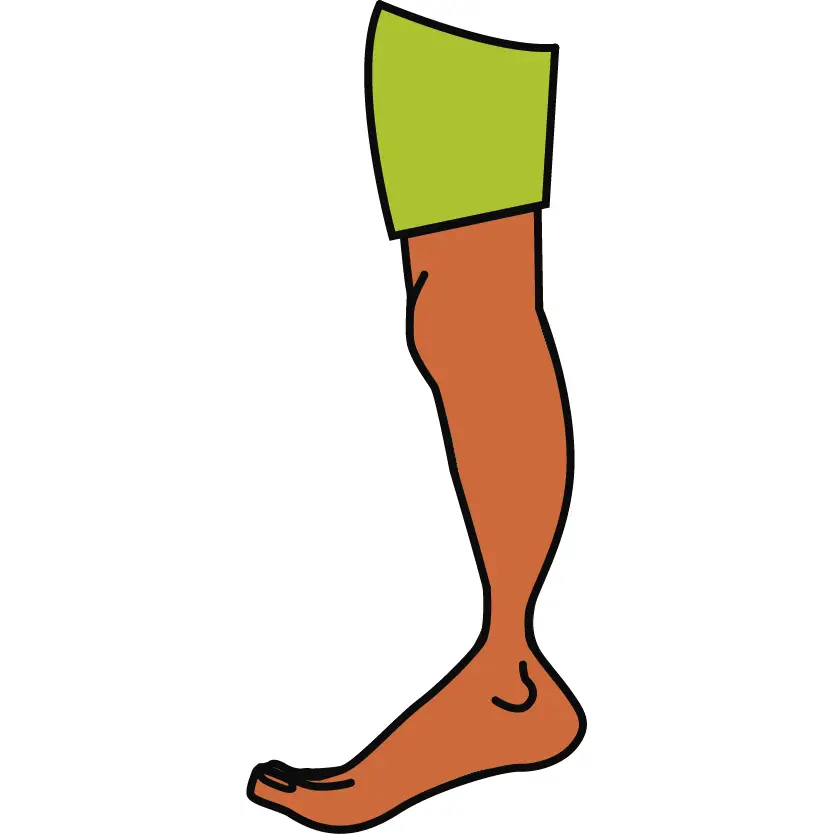
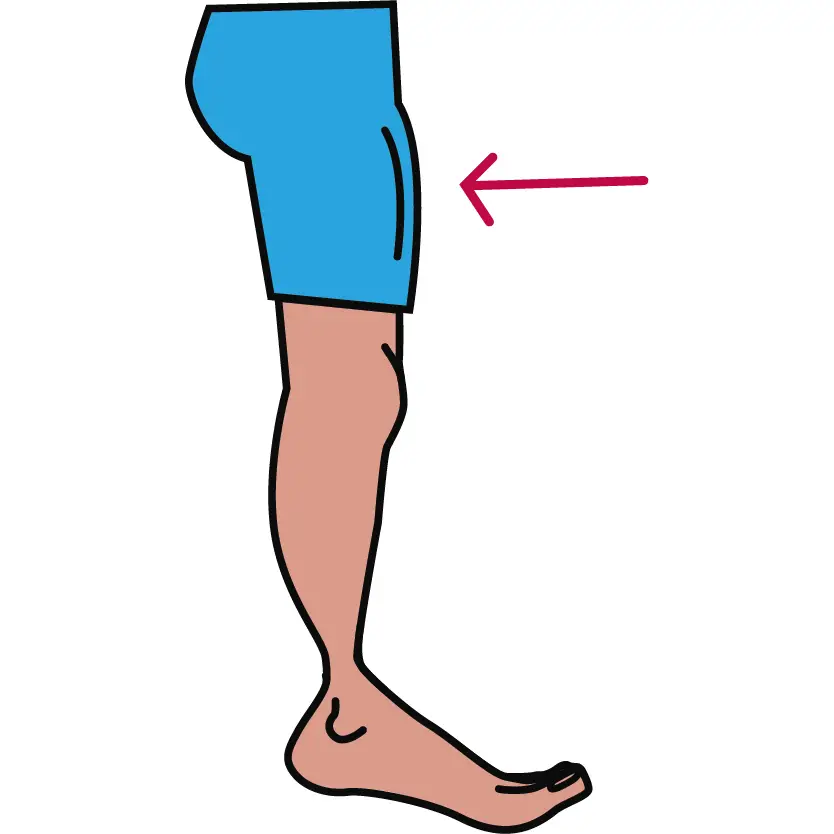
Leg
My legs are tired from walking.
Buttocks
I sit on my buttocks.
Thigh
His thighs are toned.
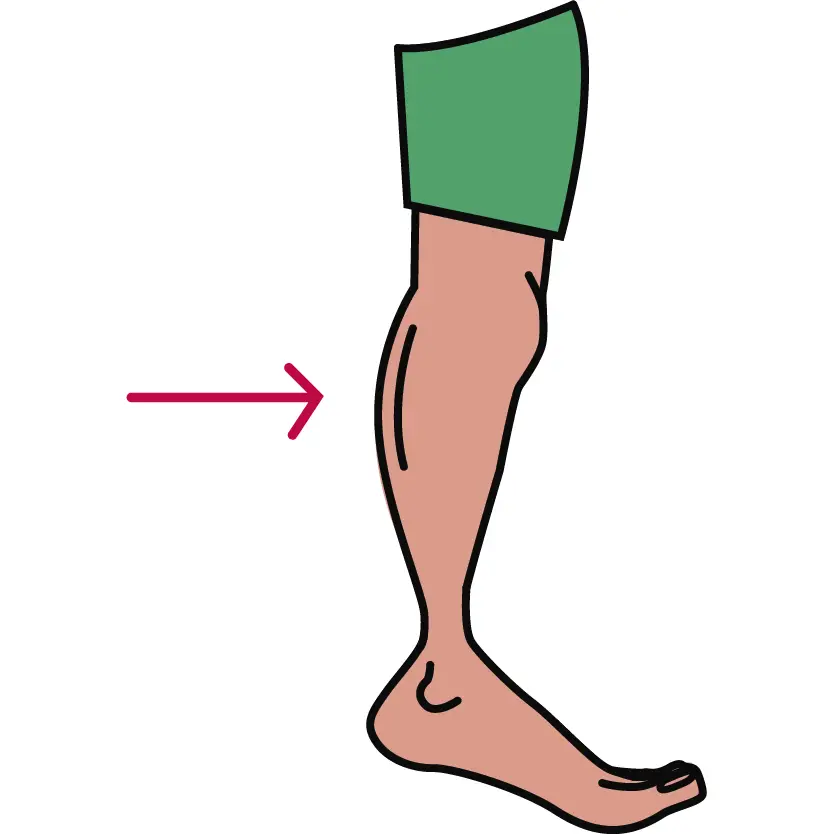
Calf
My calfs ached from walking.
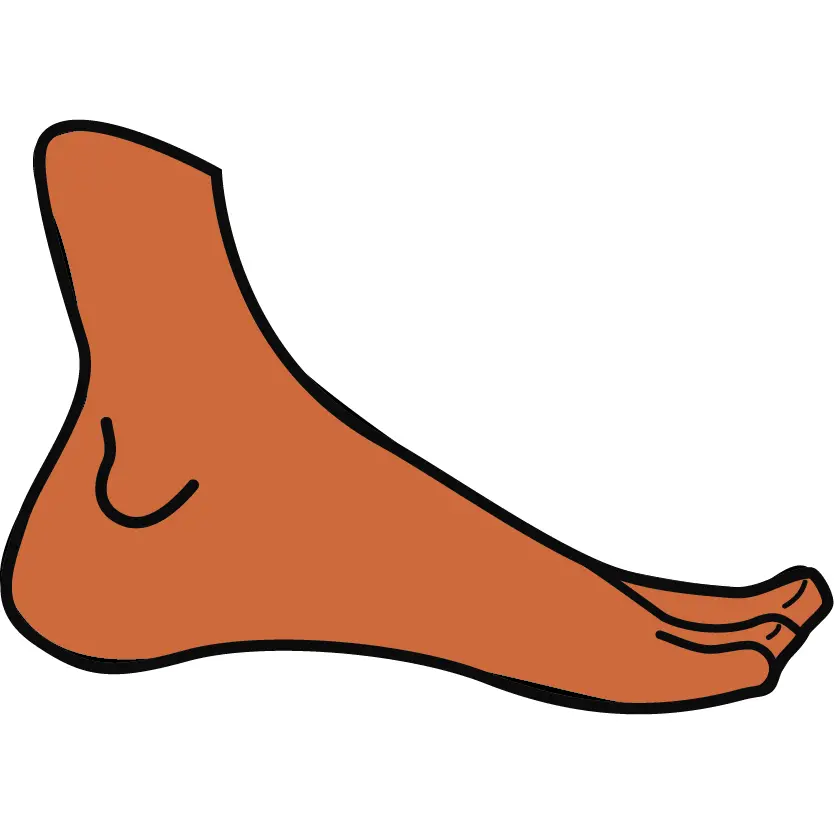
Foot
I have two feet.
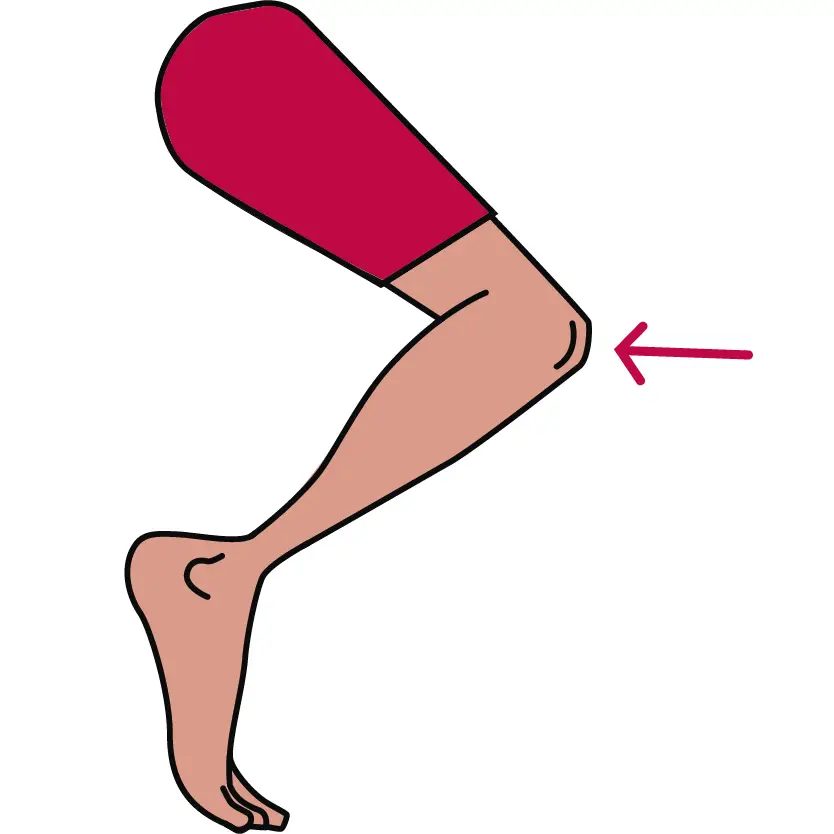
Knee
She has pointy knees.
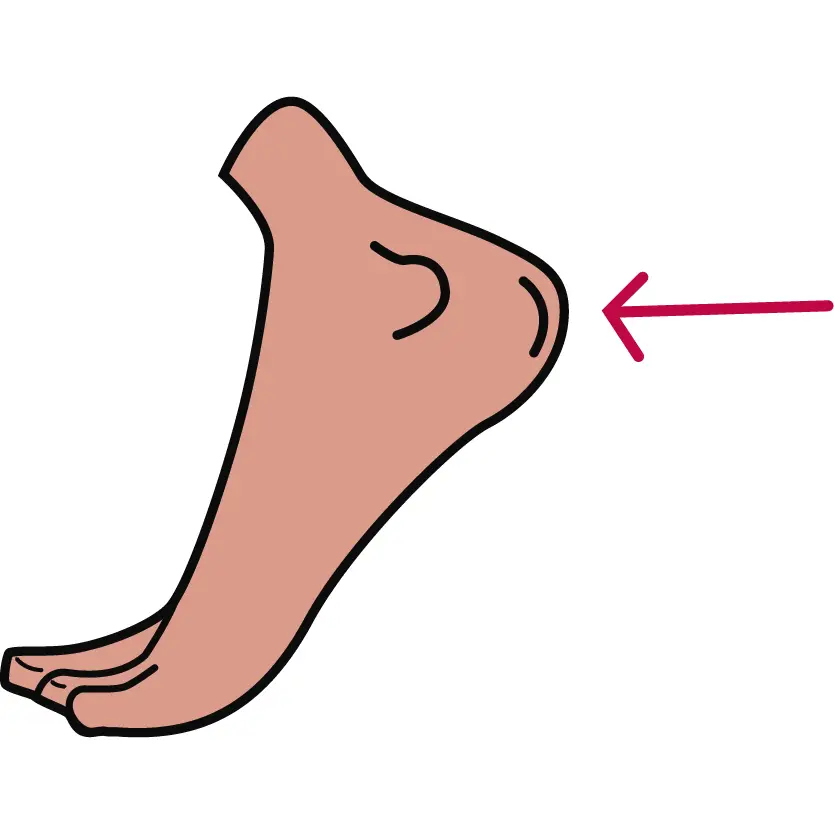
Heel
The heel is very hard.
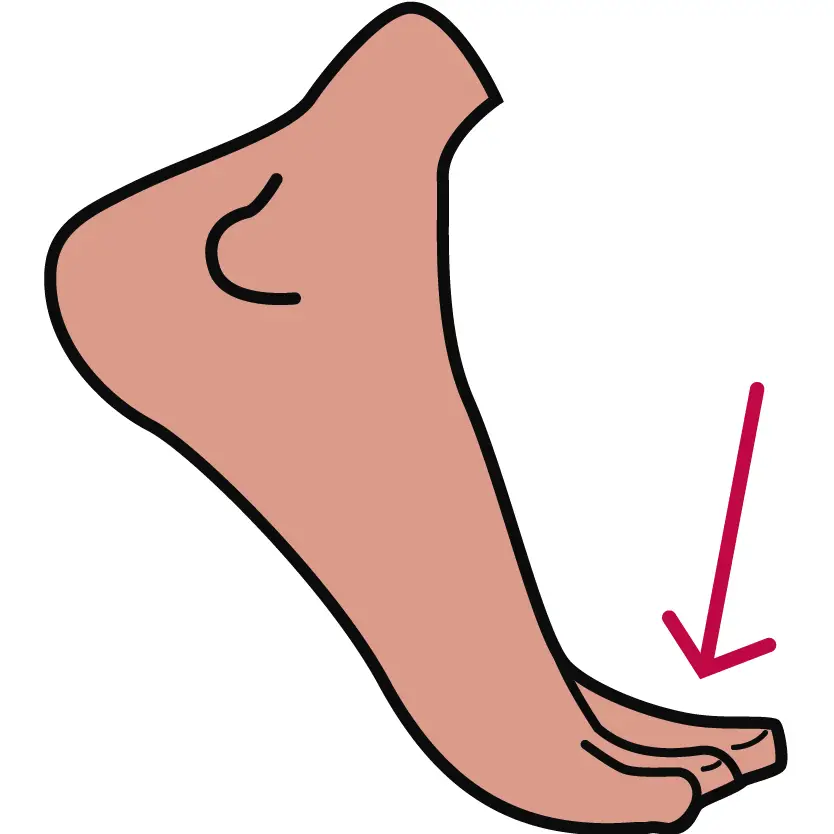
Toe
I’m taller when I stand on my toes.
Body Parts: The Worksheets
Dictionary Poster
The Dictionary Poster lists all 32 names of the body parts. Print it and attach it to your classroom wall! – 2 pages
Poster Page 1
Poster Page 2
Printable Flashcards
Teach the body parts vocabulary with flashcards. – 32 flashcards
Printable Flashcards Page 1
Printable Flashcards Page 2
Worksheet: Missing Letters
Let your students fill in the missing letters to complete the names of the body parts and color in the illustrations. – 2 pages, colored and black & white to color in
Black & White Worksheet Page 1
Colored Worksheet Page 2
Worksheet: Assign the Items
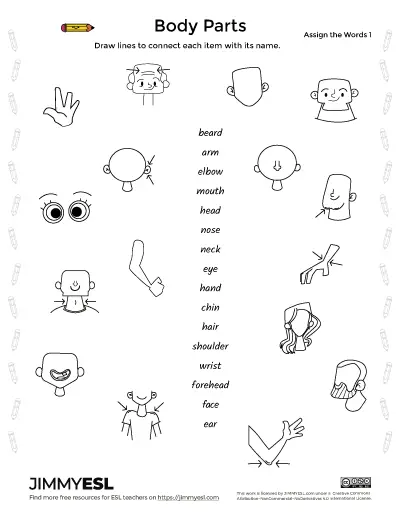
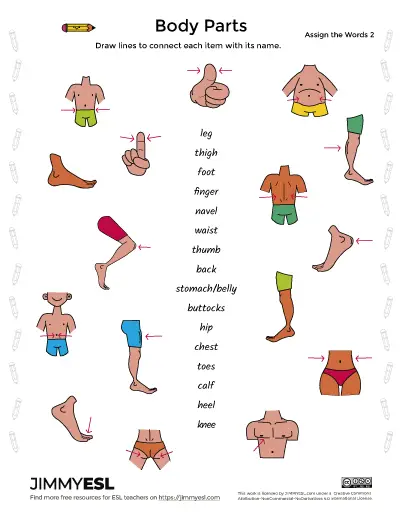
Let your students assign the body parts to their names by drawing lines. – – 2 pages, colored and black & white to color in
Black & White Worksheet Page 1
Colored Worksheet Page 2
Certification of Achievement
Reward your students for their effort with a personal printable certification. – 1 page
Do you struggle with finding interesting ways to teach ESL listening skills?
Maybe you have an activity or two already but you want to be able to mix it up and keep things interesting.
By the end of this article, you will have 12 interesting English listening activities that you can use with ESL students of various ages and skill levels.
We even selected some great resources for your next listening lesson!
Why are Listening Skills so Important?
Listening makes up one of the four core areas of language: reading, writing, speaking and listening.
If our students’ listening isn’t good enough then they are missing out on a quarter of their language ability!
Listening is needed in order to do things such as watching movies, listening to music and having conversations.
The problem is that this skill can easily become underdeveloped. Visual tasks such as reading and writing may seem more comfortable and so students may prefer to give these more time.
While this may be easier in the short run it means that those skills become a lot stronger but their listening gets left in the dirt.
We need to make a conscious effort to give listening skills the attention they deserve!
This article has a list of plenty of listening exercises that you can begin using today and let your student’s listening skills play catch up!
Here is the list of activities, exercises, and games that you can start using with your students to improve their listening skills.
Everything has been arranged into different groups to make finding the right activity for the right student even easier. Let’s begin!
Listening Exercises for Beginners
Gap Fill (Cloze Testing)
Start by writing out a sentence but omit some of the words. Each student needs a copy of this sentence.
Next, you simply read the sentence (including the missing word) and the students fill in the missing word.
Difficulty can be increased by omitting more words, speaking quicker or changing which words you leave out.
For example, if you have a sentence such as “I like to … cake” it is fairly easy to guess a word like “eat”, there are only so many words that would make sense here.
However, if we instead have a sentence like “I like to eat …” then all of a sudden there are so many more words that could fit there which makes it harder.
Always review the students’ results and use them as feedback for creating the next set of exercises.
Resource tip: Here is a selection of sample gap-fill texts.
Odd Word Out
With this activity, you need to first take a piece of a chosen text.
You then need to create another version of this text for the students and in this version, you will need to change some of the words.
You then read out loud the text from your copy and the students have to circle which words are different.
This is a great activity as it trains the students to really focus on the sounds and how they match the words.
You can increase the difficulty by either using more difficult text, using a longer piece of text or by increasing the number of incorrect words.
Bonus points if the students can tell you what the correct word should be that you said!
Resource tip: Here you can find some easy stories to use for this exercise.
Choose the Right Picture
This activity is great for building listening skills with simple vocabulary. It’s very easy to set up too!
You first need a selection of pictures, one for each piece of target vocabulary. Each picture needs a corresponding letter. For example, if we have 26 pictures then we can use ‘A’ for the first picture and ‘B’ for the next picture etc.
If this is done with more than one student then put all of these pictures on one or two sheets of paper and make copies for everyone.
You then simply need to say one of the words from your selection and your students need to write the letter for that picture down.
For complete beginners, it’s better to say the target words in isolation but you can increase the difficulty by giving them phrases or sentences with the target word “hidden in them”. After a while, you could even include more than one target word to really ramp up the challenge.
For this exercise, you will first need to have a piece of text with plenty of information. News articles are great for this.
You then either need a recording of the text being spoken or a script so that you can read it yourself.
Students will have to listen to what is being said, understand it and then write down a summary of the most important parts.
This can be quite a difficult task as there are a number of different skills students need to employ but it is extremely useful for comprehension.
In fact, this activity makes up part of the PTE exam so is especially great if you prepare any students for that.
Resource tip: My favourite site for news stories is BBC news.
Movie Star
First, you will need a movie clip with just two characters speaking (around 1-2 minutes).
Next pair two of your students and assign one of the characters to each student.
Your students will get a chance to watch the clip now and they will have to make notes on the dialogue.
Once they have made their notes they will then have to perform the scene themselves.
Now obviously it is unlikely they are going to get it word for word. Instead, you need to focus on them conveying the important parts of the scene. Make sure to tell them this in advance so that they don’t feel too stressed about trying to memorise every single word.
If you want to increase the difficulty then try this without any visual, just allow the students to listen to the scene. This makes it much harder as there is no visual context for what’s happening.
Also, you can choose a film that is less likely to be known by the students to make things even trickier.
Resource tip: You can either curate your movie collection to find some good scenes or even easier just search for them on youtube!
Take a Message
This is an activity which is extremely practical as it’s something that will need to be done in a workplace for example.
Your student will play the part of a secretary. The boss isn’t in right now and so they will need to take a message for later.
For the telephone message, you can ring the student from another room. If this isn’t possible then ring from at least the other side of the room and facing away from each other so that they don’t get any visual clues.
This is similar to the “Summarise” activity but this time the quality of the call will be degraded as it’s coming from a telephone. This is also a conversation so the student will also have a chance to ask you to repeat details or confirm certain things.
This activity is a great chance to teach your students some stock phrases such as “I’m sorry, could you repeat that?” as well as teaching them how to spell things using the NATO phonetic alphabet (alfa, bravo, charlie).
Memory Race / Running Dictation
Start by printing out some short pieces of text. You need to stick these around the classroom.
Next, split your students into pairs. Student A is the “fetcher” and student B is the “writer”.
Student B has to stay at their desk with their pen and paper. They are in charge of writing down the information they hear from student A.
Student A has to walk (or run if it’ safe!) to where the paper is. They then have to read and remember as much of it as possible before telling student B the information to write down.
They will need repeated trips to get it all, so it is motivating for them to remember as much as possible.
The first team to get their paper written down (with relatively few mistakes) is the winner!
This game is great for waking your students up and getting them moving about.
Remember to switch over so that everyone gets a turn.
Resource tip: Try using some short stories for this exercise.
If you haven’t played Simon says before then let me break down the rules to this classic children’s game.
First, the teacher will say “Simon says” followed by a verb phrase, e.g. “Simon says jump”. The students then have to do the actions.
You can make this competitive by having a student lose a point if they do it wrong, or if they’re the last.
However, if you’d prefer to keep a more relaxed environment (possibly better with younger students) then even just having them copy you will be fun enough as it gets them moving around.
Resource tip: The wikipedia page has a list of the names of this game in other languages so that your students can recognize it immediately!
Treasure Hunt
Another active game to wake up your younger students.
The idea for this game is for the teacher to say a word, e.g. “clock”, the students then have to get to that item as quickly as possible.
In order to make this a little more difficult, you could just say a letter and the students have to run to something that has the same first letter. E.g. if you say “b” then the students could run to the board or to a ball.
Resource tip: If there aren’t enough things in the classroom then you can print out some vocabulary cards and hide them around the room.
Call & Response
This one is good for training listening memory and can be a lot of fun for kids to be loud!
Simply take a word or short phrase, say it out loud and get them to shout it back to you as loud as they can!
This is very high energy so is great if you catch them falling asleep.
This works even better if you use a song or a chant to bring the energy levels up and make it even more fun!
Again, the length of the phrase can influence the difficulty. You could warm up with single words before making longer phrases later on.
This is based on the classic drinking game where every time someone says a designated word you have to drink.
Now we can’t exactly do the same here (unless you have a very particular kind of student!) so we will have to replace the drinking alcohol with some other kind of activity.
You could take a sip of water or coffee instead or you could act out some kind of activity, e.g. every time somebody says the word “fall” you have to clap your hands.
Once you have the rules set out you then need the audio. For this, you can either find your own audio material on youtube etc or you can simply read it yourself.
Bear in mind that if you do read it yourself then your attention will be split between reading and focussing on the student’s ability.
Resource tip: Here is a list of useful podcasts you can use for this exercise.
Transcription
This one is a little less fun but ideal for more serious students.
Simply take a piece of text, and read parts at a time with the student writing or typing what you are saying.
For this, I start slow by saying one word at a time with a gap in between each. After a while move up to doing two words with a gap in between and keep increasing the number of words.
The idea is to eventually get to a point where the student can transcribe entire sentences.
Once you have finished with a sentence then go through and mark it.
This is a good time to talk about logic in sentences.
For example, if they wrote down “Yesterday, I went to the peck and had a picnic.” then we could talk about why “peck” is not such a good choice here. We are expecting a noun and specifically a place.
Once we have gone through the type of word that should go there then they are more likely to end up with the right word “park”.
Resource tip:The Guardian is constantly updated with relevant news articles.
Meeting Minutes
In this exercise, you are roleplaying a meeting.
The teacher’s role is to speak on a particular topic for 5 minutes or so and the students have to listen and create minutes of the “meeting”.
The purpose of this exercise is for students to scan for the most important information and make a note of it.
The minutes they create can be basic bullet points as long as they have correct and relevant information. You can also give them a few minutes to tidy up their notes at the end.
This exercise is great because it is very relevant to utilizing listening skills in a real-world environment so the students will benefit greatly from this.
To mix things up you could also get one of the other students to speak in the meeting and have everyone else create minutes from them.
Also, it’s a good idea to familiarize yourself with as many of these as possible so that you are able to mix things up and keep your classes interesting and fun for your students.