Category: ESL Activities: Ideas & Materials

Having the right ESL activities prepared will empower you to engage your students and deliver lessons which are effective and fun. We’ve collected and put together all the ideas we could find. Just select those you want to use, and incorporate them into your lesson plans.

  • 17 Fun ESL Vocabulary Games for Adults and Kids

    17 Fun ESL Vocabulary Games for Adults and Kids

    What are your methods for teaching vocabulary?

    Drills? Flashcards? Yuck! Boring!

    While these can certainly be effective, they can be a quick way to lose your student’s attention if you spend too much time on them in a class.

    So what can you do then? The answer?

    Play some fun ESL vocabulary games with them!

    In this huge listicle, you’ll find 17 great ESL vocabulary game ideas (suitable for adults, teens, and kids) with detailed instructions to include in your lessons.

    ESL Vocabulary Games for Kids and Adults

    ESL Vocabulary Games for Kids… AND Adults, too?

    Games are a great way to get your students to engage and use the language without fighting for their attention every few minutes.

    Well, that’s great for children I hear you saying, but what about adults?

    Well, as surprising as it may sound… Adults enjoy having fun too!

    In fact, a number of the games here are what adults often play while socializing with friends or family anyway so they may already be familiar with them in the native language.

    That being said, while some of these vocabulary games can be great for adults, this isn’t the case for all of them.

    Some games on this list can be a little silly and adult students would most likely feel more than a little patronized if they were to play them. The same could be said for some games which may be too “boring” for children.

    For that reason, this list also has information about the appropriate target student. It mentions:

    • student level (from beginner to advanced)
    • type of lesson (group and/or one-to-one)
    • student type (children and/or adults)

    Make sure to read each game carefully before trying it in your class. Make a note of any realia/resources you may need and if possible practise how you will run the class so there aren’t any surprises in the classroom! Let’s get started.

    1. Whispers

    • Student level: Pre-Intermediate to Advanced
    • Type of lesson: Group
    • Student type: Children & Adults

    The idea of “whispers” is to get a message from one end of a line of people to the other. To start: –

    1. Person 1 needs to whisper a message to person 2 (without anyone else hearing)
    2. Person 2 then needs to whisper the message to person 3 etc until we reach the end of the line.

    This game can get difficult because some mistakes creep into the message which can lead to a message which is vastly different at the end than it is at the start.

    Once the message reaches the end, the final person reveals what they think it is. This often results in hilarity!

    This game trains the students to be able to understand messages in situations that aren’t so clear. It also trains them to try to understand a sentence using context. As long as the students can form sentences then they will be ok with this game.

    2. Describe It

    • Student level: Intermediate to Advanced
    • Type of lesson: Group or Individual
    • Student type: Adults

    With “describe it” the idea is to give a student a word. This can be anything you want really but nouns and verbs are going to be easier than things like adverbs and prepositions. Once the student has their word, they then have to describe it without using the word itself!

    Whoever manages to guess this correctly then gets to go next and you can keep going until everyone in the class has had a turn.

    The benefit of this game is that it forces students to use synonyms/antonyms that they might not use usually. It also helps them to develop the skill of using the language to try to express something even if they don’t have that particular word in their vocabulary.

    This game is a little more difficult than the others and is better suited to intermediate to advanced learners. Coupled with the fact that you may lose some attention from children, this is better aimed at adults.

    3. Tongue Twisters

    • Student level: Pre-Intermediate to Advanced
    • Type of lesson: Group or Individual
    • Student type: Children & Adults

    Tongue twisters are a fun way to practise new vocabulary!

    In case you don’t already know what they are; A tongue twister is a sentence (or several) that is very difficult to say (usually due to a sequence of similar sounds).

    An example of this would be “she sells seashells by the seashore”.

    These are both great fun and extremely useful as they can be used to train pronunciation for new vocabulary. They are effective with adult students but due to their silliness, it’s no surprise that kids love them!

    While there are already plenty of tongue twisters out there, you will likely have to create your own, specific to the vocabulary you are learning. (hint – don’t try to cram all of the TL into one sentence, pick one new word for each tongue twister.)

    To add a more competitive element to it, (besides just saying the sentence without mistakes) you can time the students and get them to try to go faster and faster each time!

    4. I went to the supermarket…

    • Student level: Beginner to Advanced
    • Type of lesson: Group
    • Student type: Children & Adults

    This game is a great one to flex those memory muscles! It goes something like this:

    1. Create a circle of students.
    2. Student 1 starts by saying “I went to the supermarket and I bought [some bread].” (this [ ] can be anything they choose.)
    3. Student 2 then says “I went to the supermarket and I bought some bread and [an apple].” (They have to say what the previous student said but then they choose a new object for themselves.)
    4. Student 3 then says “I went to the supermarket and I bought some bread, an apple and [some cheese].”
    5. You then continue around the circle with the students adding more and more items until somebody isn’t able to remember all of the list.

    You can choose to either reset the game once the list can’t be remembered or… for a more competitive element you can choose to reset the list minus the student who couldn’t remember. You can then repeat this until there is a “definite winner”.

    As this game is more to do with memory and doesn’t necessarily involve complex vocabulary, it is suitable for students of all ages and levels.

    Illustrated Resources for Teaching ESL Vocabulary

    5. I Spy

    • Student level: Beginner to Pre-Intermediate
    • Type of lesson: Group or Individual
    • Student type: Children

    “I spy with my little eye…” If you didn’t play this as a child then you missed out! But fear not, you have a chance to catch up with this fun game now.

    1. Student 1 first picks an object in the room (without saying what it is). For example, maybe they see a “clock”.
    2. They then have to say the phrase “I spy with my little eye, something beginning with…” and say the first letter of the word [c].
    3. The other students have to guess what it is and whoever is correct becomes the next person to play.

    Keep going until everyone has had a turn to play. This game can be fairly simple if there are common words such as “pen”, “book” etc.

    However, if you really want to bring more of a challenge, then bring some props with you or load up an image on a projector with many items.

    This game is good when learning basic vocabulary and is better suited to beginners and more specifically children.

    6. Word Association

    Student level: Pre-Intermediate to Advanced
    Type of lesson: Group or Individual
    Student type: Children & Adults

    This one is great to stimulate some creativity. It is also a very simple idea.

    1. Student 1 says a word. It can be anything but for this example, we will say “green”
    2. Student 2 says a word that is related to Student 1’s word. “Grass”.
    3. You can then continue around the chain with each student adding a related word to what the previous person has said.

    The rules are simple. You have to be able to explain why a word is related. You also can’t repeat a word that has already been said! To make this one harder you can also include a timer.

    7. A-Z Categories

    Student level: Pre-Intermediate to Advanced
    Type of lesson: Group or Individual
    Student type: Children & Adults

    In this game, the teacher picks a category such as (fruit, countries, languages, etc). The idea is then for the students to think of something for each letter of the alphabet.

    So if we picked the category “countries” then it would go like this:

    1. Student 1: “America”
    2. Student 2: “Belgium”
    3. Student 3: “China”

    You can then continue until all of the letters have been completed. Some beginners will be fine with something like “food” but some categories can be more difficult so bear this in mind when picking a topic.

    You may also want to consider cultural backgrounds. “Countries” is a good topic because although they have different names in different languages, they are known by everyone. However, a topic like “bands” can become more difficult as students may want to pick their local favourites which might not be known by others.

    8. Match

    Student level: Beginner to Pre-Intermediate
    Type of lesson: Group or Individual
    Student type: Children

    For this game, you need two sets of cards. The first set of cards will have pictures of various things (e.g ball, house, etc), the second set will have the vocabulary on. As you probably have guessed by now, the student’s aim is to match the pictures up with the vocabulary.

    You can vary this one a bit depending on how many are playing.

    1. With just one student playing you can simply time how long it takes them to match them all and then get them to try and beat that record the second time around.
    2. With more students, you can divide them into two teams. Whichever team gets the most pairs wins. (You may prefer to have the teams have one student up at a time to make sure things don’t get too crazy!)

    This one is for children. It works especially well with complete beginners because the explanation needed is minimal, demo the game to them and they will take to it like ducks to water!

    9. Word Grab Race

    Student level: Beginner to Intermediate
    Type of lesson: Group
    Student type: Children

    To set this game up you again need a collection of cards with the vocabulary on. Mix all the cards up (while still being able to see them all.) Next, divide your students into two teams. A student from each group will have their turn first.

    When the teacher says the word, the chosen student from each team has to run to the front and find the correct card with the word on from the pile. Once they have brought it back to the group both teams will then switch the active player.

    This is repeated until all of the cards have been captured. The team with the most at the end wins.

    To make this harder, instead of the teacher saying the word you could show a picture (on a screen) or hold up an object. This forces the students to use the vocabulary and understand what it means.

    10. Hangman

    Student level: Pre-Intermediate to Advanced
    Type of lesson: Group or Individual
    Student type: Children & Adults

    Hangman takes a little bit of explaining but… once your students understand it then they will love it!

    The basic point of hangman is for the students to guess a word (picked by the teacher).

    They take turns guessing a letter each. If the guess is correct (the letter is in the word) then the teacher will write the letter on the board, if the guess is wrong then a part of “the hangman” is drawn.

    There are 8 parts to the drawing:

    1. Draw the post (an upside-down “L”).
    2. Draw the head (a circle) underneath the horizontal part of the post.
    3. Draw the body (a vertical line under the head).
    4. Draw arm 1 (a stick from the body).
    5. Draw arm 2 (another stick from the other side of the body).
    6. Draw leg 1 (a stick at the bottom of the body).
    7. Draw leg 2 (a stick on the other side at the bottom of the body).
    8. Draw the noose (a line joining the head to the post).

    The students need to guess what this word is before the picture of the hangman is complete. If they guess it correctly before the hangman is complete then they win, if not then they lose.

    If you want to include the students further then whoever wins the round can have a turn at drawing the hangman in the next round.

    This game is fun regardless of age, group size or ability (as difficulty can be altered by using harder or easier vocabulary).

    11. Stand up / Sit Down

    Student level: Beginner to Intermediate
    Type of lesson: Group
    Student type: Children

    For this game, you will need either a board and projector or some realia. First of all, make a line of chairs with the students sat down (facing the teacher).

    1. You will then show either an image or hold up an object.
    2. Next, you say either the correct vocabulary or a different word.
    3. If what you say and what is shown is correct then the children stand up, if not then they stay sat down.

    To add a competitive angle to this you can have the ones who get it wrong lose the game and leave the round, repeat this until there is a winner. Alternatively, if everyone is very good then you could do the last student to stand up / sit down lose that round.

    This game is ideal for children, they love getting involved and moving around. It is a great way to win pre-schoolers back if you find you have lost their attention part way through a class.

    12. Spelling Throw

    Student level: Beginner to Intermediate
    Type of lesson: Group
    Student type: Children

    The idea of this game is to get the students to spell a word out one letter at a time, each student takes it in turns saying each letter though which is what makes it difficult.

    To begin, you first need to arrange the students in a circle (either seated or standing). You will also need a ball. For this example let’s say the chosen word is “tiger”.

    1. Student 1 – “t” *throws the ball to student 5
    2. Student 5 – “i” *throws the ball to student 3
    3. Student 3 – “g” etc

    This continues until the word is complete. Again, like with the other games you could do a knockout rule where if a student gets the wrong letter then they are out of that round (repeat until there is a clear winner).

    If this game is slightly too easy for the students then you can introduce a timer system where they will only get a few seconds to answer, if they don’t answer in time then they are also out.

    This game is best suited to children, they will enjoy using a ball to interact with. It is also more suited to beginner levels (especially when learning how to spell.) Keep this one away from adults or advanced students unless you want to hear some patronized groans!

    13. Draw It

    Student level: Beginner to Intermediate
    Type of lesson: Group or Individual
    Student type: Children & Adults

    Great fun with children and adults alike. Similar to “describe it”, the idea is for the student to express a chosen word without saying it. The difference here is that we are now drawing instead of describing.

    Obviously we will need something to draw with for this. Pen and paper would work fine if we are struggling for resources but it would be better to use something bigger so it’s easier for the students to see, so try to grab a whiteboard!

    Once you have a chosen student, tell them the chosen word (without anyone else hearing), they then have to draw it. The other students have to guess and the first one to get it right can then have their turn. Keep going until everyone has played at least once.

    The advantage of this game over “describe it” is it can be a lot easier for beginner students to draw something than to try to think of a way to describe it in English. That being said if your students are advanced, they may benefit more from the added difficulty of “describe it”.

    14. Word Search

    Student level: Beginner to Advanced
    Type of lesson: Individual
    Student type: Children & Adults

    These take a little longer to prepare but when it comes to actually playing, they are as easy as they come.

    For anyone that doesn’t know what a word search is, you basically have a grid of squares. Inside each square is a letter. At first glance, it will appear as if you are staring at a giant mess of random letters. However, there are words hidden inside this mess that must be found.

    Although this game could, in theory, be done in groups, it is one that is better suited towards individual students. It can be hard for some students to wait for their turn without shouting out that they’ve found one (especially true with children!).

    The great thing about a word search is that they are very easy to play. Even if you use advanced vocabulary, the ability to look for a word is still the same so this game is suitable for students of all levels.
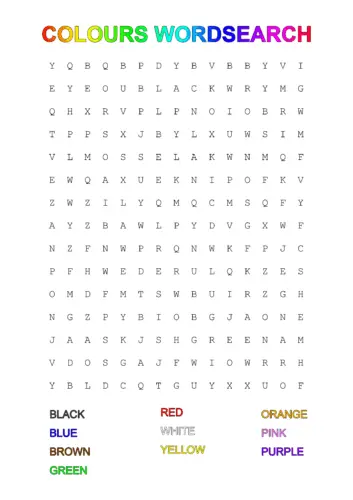
    colours wordsearch
    Click to download the PDF of this Colours word search

    15. Synonyms

    Student level: Intermediate to Advanced
    Type of lesson: Group or Individual
    Student type: Adults

    With synonyms, the point is to give a student a word, and they have to give you a synonym for that word in return. (E.g. teacher says scalding, student says hot). For this, you will need to do some research and make sure you know some synonyms for the TL of that lesson.

    A very basic idea, but we have a lot of room to work with this. Here are some things we can change:

    • Add a time limit (e.g the student has 3 seconds to reply)
    • Time limit for the whole group (e.g how many can the group get in 3 minutes)
    • In a group, the student (who just answered) could ask the next student
    • Use antonyms as well
    • Have the students ask the teacher

    This game is dependant on the students having at least a medium-size vocabulary so I would advise sticking to medium to advanced level students. Also, while this game is fun to an extent, it is more so for adults. Some children may lose concentration with this one so only play with them if you know you can hold their focus.

    16. Shiritori

    Student level: Intermediate to Advanced
    Type of lesson: Group or Individual
    Student type: Adults

    The classic Japanese game – Shiritori! You need very little to play this game, which makes it ideal as a backup activity as well.

    Simply set up the chairs in the classroom so that everyone can see and hear each other clearly. A circle arrangement is a great choice as it allows everyone to hear each other and there’s an obvious order to whose go it is.

    1. Choose a student or go first yourself
    2. The first person (A) says a word. This can be something that was taught in the class if you want to reinforce that. Or, if this is a backup activity then it can be any word.
    3. The next person to the left (B) will then say a word that starts with the last letter of A’s word. So if A said “boat” then B could say “three”.
    4. The game carries on around the circle until you reach the original student again.
    5. At this point you can either end the game there or carry on if you have time.

    A very basic idea but we have a lot of room to work with this. Here are some things we can change:

    • Add a time limit (e.g the student has 3 seconds to reply)
    • Time limit for the whole group (e.g how many can the group get in 3 minutes)
    • In a group, the student (who just answered) could ask the next student
    • Use antonyms as well
    • Have the students ask the teacher

    This game is dependent on the students having at least a medium-size vocabulary, so I would advise sticking to medium to advanced level students. Also, while this game is fun to an extent, it is more so for adults. Some children may lose concentration with this one so only play with them if you know you can hold their focus.

    17. Charades

    Student level: Beginner to Intermediate
    Type of lesson: Group
    Student type: Children & Adults

    In case you haven’t played charades before, this is how to play:

    1. Select a student to be “a word”, e.g. red, an apple
    2. Without speaking, this student has to get the other students to guess the word.
    3. They can elicit the answer by using body movements, pointing to things in the room etc. Basically anything, as long as they do not speak.
    4. Whoever guesses the answer first gets to be “it” in the next round.

    This is a great game for beginners as it works better with beginner vocabulary (run, sit, 4 etc.) 

    Beware, you may struggle with more complex vocabulary… (try acting out the word situational!)

    18. Vocab Bingo

    Student level: Beginner to Intermediate
    Type of lesson: Group
    Student type: Children & Adults

    Prepare Bingo sheets with grids and add one word to each square. Select the grid size (from 3×3 to 6×6) and the words according to the level of English of your students and the expected duration of the game.

    Write all words you’ve added to the sheets on a list; maybe add some more. Call out the words in random order, and have the students mark the words when they hear it.

    They can use a pen, or better: put little items on the squares. This is more fun, and you can reuse the sheets.

    The first person to mark each word on his sheets wins.

    You can make this ESL vocab game a bit harder: Don’t call out the exact words in the squares, but synonyms, or opposites, or any kind of related words (for example when you call “rain”, they have to mark “umbrella”).

    Conclusion

    So, there we have it, 18 games for you to try in your classes.

    Make sure to pay attention to the suitability for each game and most importantly practise these before you get in the classroom.

    Hopefully, these will also have sparked your creative juices so you will be able to think up some of your own.

    Remember to keep it fun, educational and engaging!

    If you want to find activities to build classroom community, you can have a look at this article.
  • 120 Would You Rather Questions to Start an ESL Conversation (PDF)

    120 Would You Rather Questions to Start an ESL Conversation (PDF)

    Do you want interesting questions to get the ball rolling with your ESL students?

    Are you tired of asking the same basic questions about where your students live, what hobbies they have etc?

    “Would you rather” questions are a great way to inject more fun into your speaking lessons and be “the interesting teacher”. 

    Here we have 120 fun questions for kids, teens, and adults as well, to get you started along with a follow-up question for each to keep the conversation going.

    Also useful: Want to keep the conversation going? Try our 180 conversation starters for every level, or these speaking activities when you need something more structured.

    The Power of Would You Rather Questions

    The idea is simple:

    You ask a student a question and they have a choice of two possible answers: “Would you rather be a bird or a fish?”.

    The student answers the question but… it’s important they explain WHY.

    The explanation of why they chose their answer is what really tests their ability to produce the language (rather than giving you a series of one-word answers).

    These questions are extremely useful; they are fun which engages the student more. They also get students to use the language outside of what they’re used to which will help them feel confident speaking in a wider range of situations.

    They are a great stepping stone between very basic “yes or no” questions and completely open questions which could be a little intimidating for less advanced students.

    These questions work great as a warm up to a more in-depth subject in a speaking lesson or even to round things off with some fun at the end of a particularly difficult one.

    As these are separated into different topics it may even be a good idea to use them in lessons that relate to that particular area. 

    Ok, without further ado, let’s begin!

    General Would You Rather Questions

    1. Would you rather have more time or more money?

    Would you play a lottery that had a prize of time?

    2. Would you rather be able to sing beautifully or speak fluently in a chosen language?

    Which do you think is harder to master?

    3. Would you rather be the world’s fastest runner or own the world’s fastest car?

    Which do you think would be most useful?

    4. Would you rather be able to fly or swim without needing to hold your breath?

    What’s the longest you can hold your breath for?

    5. Would you rather go to the cinema or watch a concert?

    What’s your favourite film?

    6. Would you rather be stuck inside on a good day or stuck outside on a bad day?

    What do you do when the weather’s bad?

    7. Would you rather be poor and happy or miserable and rich?

    Can money buy happiness?

    8. Would you rather travel to somewhere relaxing or somewhere interesting?

    Where did you last go on holiday?

    9. Would you rather play video games or play sports?

    What was the last thing you played?

    10. Would you rather be super fast or super strong?

    What would you do with that power?

    Funny Would You Rather Questions

    1. Would you rather be a mouse on holiday or a lion at work?

    Which do you think would be more difficult?

    2. Would you rather have a house made of chocolate or a house made of french fries?

    Which do you think would be easier to clean?

    3. Would you rather have the power to make others laugh or to make yourself laugh?

    Are there any comedians you know who already have this power?

    4. Would you rather stink or have everybody else stink (except you)?

    How much deodorant do you think would be needed to hide the smell?

    5. Would you rather marry a fish or a potato?

    Which do you think you would argue with more?

    6. Would you rather fight Santa or a reindeer?

    Do you think you’d still get presents after?

    7. Would you rather dance with a sloth or a chimpanzee?

    Do you think they would enjoy the dance?

    8. Would you rather slip on ice or a banana peel?

    Which one do you think is funnier?

    9. Would you rather laugh so hard you cry or cry so hard you laugh?

    Do you often cry when you laugh?

    10. Would you rather have an onion for a head or a cabbage?

    Do you think it would be hard to wash your face?

    Difficult Would You Rather Questions

    1. Would you rather win £1,000,000 or have your friend win £3,000,000?

    Do you think they’d let you win the money if they were in your shoes?

    2. Would you rather travel to the past or to the future?

    What about if you couldn’t return to the present?

    3. Would you rather have lots of money but not be able to buy food or have plenty of food but no money?

    Is there anyone you can think of who would pick the opposite?

    4. Would you rather be best friends with a celebrity or have your dream job?

    Have you ever met a celebrity?

    5. Would you rather fall into a cactus or walk on glass?

    Do you have a strong tolerance to pain?

    6. Would you rather climb Mount Everest or run three marathons?

    What’s the most exercise you’ve ever done?

    7. Would you rather not shower for a week or not brush your teeth for a week?

    What’s the longest you’ve gone without showering before?

    8. Would you rather be trapped in a room full of spiders or snakes?

    How long do you think you could stay in there for?

    9. Would you rather play a sport professionally or be an actor / actress?

    Which do you think pays more?

    10. Would you rather be a king for a day or a mayor for a month?

    What would you do in that time?

    Weird Would You Rather Questions

    1. Would you rather have a pillow as a pet or a piece of cheese?

    Which do you think would look funnier when taking for a walk?

    2. Would you rather be abducted by aliens or kidnapped by vampires?

    Which is more likely?

    3. Would you rather be a plant or a rock?

    Do you think life would be easier than being a human?

    4. Would you rather have a pig’s brain in a human body or a human brain in a pig’s body?

    Do you think it would be fun to switch for a short while?

    5. Would you rather wear a hat made of jam or shoes made of chocolate?

    Would you eat it after you have finished wearing it?

    6. Would you rather live on the moon or at the bottom of the sea?

    What kind of work could you do there?

    7. Would you rather be a cartoon or a puppet?

    What’s your favourite cartoon?

    8. Would you rather be sat next to a dog or a chicken on a plane?

    Would it be better than sitting next to a human?

    9. Would you rather live in a world where everything is upside down or where everything is blue?

    What would some of the challenges be living in such a world?

    10. Would you rather clean your teeth with spaghetti or a banana?

    What do you think your dentist would say?

    Food Would You Rather Questions

    1. Would you rather eat cheese and chocolate or beef and icecream?

    What’s the worst food combination you’ve ever made?

    2. Would you rather eat hamburgers everyday or never again?

    Which option do you think is healthier?

    3. Would you rather eat an amazing meal in a bad restaurant or a bad meal in an amazing restaurant?

    What’s the best restaurant you’ve ever eaten at?

    4. Would you rather be hungry or thirsty?

    What’s the longest you’ve gone without food and drink?

    5. Would you rather go out for dinner or eat a takeaway?

    What was the last thing you ate from a takeaway?

    6. Would you rather eat ice cream on a hot day or drink hot chocolate on a cold day?

    Which flavour of ice cream is your favourite?

    7. Would you rather be a chef or a waiter?

    Which do you think has the harder job?

    8. Would you rather eat three days worth of food in a day or a day’s worth of food over three days?

    Which do you think is healthier?

    9. Would you rather eat chocolate for an entire day or broccoli?

    What’s the most chocolate you’ve ever eaten?

    10. Would you rather eat peas with chopsticks or soup with a fork?

    Have you ever tried to eat with chopsticks? Did it work?

    Controversial Would You Rather Questions

    1. Would you rather end world hunger or have your friends and family live forever?

    Do we do enough to help those who are hungry?

    2. Would you rather everyone life forever or have people die painlessly at a certain age?

    How long would the planet last if we all lived forever?

    3. Would you rather imprison an innocent person or accidentally release a guilty person?

    Have you ever been blamed for something you haven’t done?

    4. Would you rather kill one person to save a thousand or do nothing?

    What’s the hardest decision you’ve ever had to make?

    5. Would you rather eat a (recently) dead body to stay alive or stay hungry?

    What’s the grossest thing you’ve ever eaten?

    6. Would you rather legalise drugs or outlaw guns (in all countries)?

    What are the gun laws in your country?

    7. Would you rather allow stem cell research (and possibly save lives) or disallow the research (possibly resulting in casualties)?

    How much do you know about stem cell research?

    8. Would you rather have evolution taught in schools or creationism?

    Which did you learn in school?

    9. Would you rather everyone have the right to marry or just heterosexuals?

    When did you last attend a wedding?

    10. Would you rather everyone have access to healthcare or only those that can afford it?

    When did you last go to the hospital?

    Clothing Would You Rather Questions

    1. Would you rather wear too many layers in summer or not enough in winter?

    What do you usually wear when it’s really cold?

    2. Would you rather wear clothes that are comfortable or clothes that look good?

    What’s the most comfortable clothing you own?

    3. Would you rather give unwanted clothes to charity or sell them?

    What was the last item of clothing you got rid of?

    4. Would you rather buy clothes brand new or from a second-hand shop?

    What’s the best bargain you’ve ever found?

    5. Would you rather fix your own clothes (e.g. darn a sock) or replace them?

    Do you have any clothes that need fixing or replacing?

    6. Would you rather wear something cool or something funny to a fancy dress party?

    What’s the best fancy dress costume you’ve ever worn?

    7. Would you rather have fewer clothes (that you love) or a wide collection of clothes (that aren’t your favourite)?

    What item of clothing could you not live without?

    8. Would you rather wear a hat or gloves in the snow?

    What do you usually wear when it snows?

    9. Would you rather make all of your clothes or borrow all of your clothes?

    What do you think the easiest thing to make would be?

    10. Would you rather all of your outfit be the same colour or the same material?

    What is your favourite material to wear?

    Geography Would You Rather Questions

    1. Would you rather live somewhere hot or somewhere cold?

    What’s the weather like where you live now?

    2. Would you rather live in a country with lots of money or beautiful scenery?

    What do you think is the most beautiful country?

    3. Would you rather visit five countries in five days or two countries in two weeks?

    Where would you go?

    4. Would you rather live near a volcano or near a swamp?

    Which do you think would have cheaper property prices?

    5. Would you rather be the leader of a small country with a lot of money or a big country with little money?

    Which is the smallest country you know of that is wealthy?

    6. Would you rather live near the ocean or near a field?

    Are there any oceans near where you live now?

    7. Would you rather live in a good neighbourhood that is far from work or in a bad neighbourhood that is close to work?

    How do you usually travel to work?

    8. Would you rather live in a quiet neighbourhood without many amenities or live in a noisier neighbourhood where there is plenty to do?

    What amenities are near your house?

    9. Would you rather go on holiday to somewhere far away or somewhere close to home?

    What’s the furthest you’ve ever been from home?

    10. Would you rather live in an area that is prone to earthquakes or one that is prone to flooding?

    Have you ever experienced an earthquake?

    Technology Would You Rather Questions

    1. Would you rather go without your phone or without internet access for a week?

    What’s the longest you think you could go without using the internet?

    2. Would you rather use the microwave or the oven to cook your meals?

    Which one is easier?

    3. Would you rather have a massive TV or a powerful computer?

    How big is your TV?

    4. Would you rather work with computers or work without them?

    What’s the longest you’ve worked at your computer before (in one sitting?)

    5. Would you rather play video games on a console or on your phone?

    What’s your favourite video game?

    6. Would you rather have a broken washing machine or a broken fridge?

    Which do you think breaks down more often?

    7. Would you rather have a fast internet connection or a stable connection?

    How fast is your internet connection at the moment?

    8. Would you rather be able to program computers (software) or build computers (hardware)?

    Can you usually fix your computer if something goes wrong?

    9. Would you rather drop your phone into a puddle from a short height or onto a dry floor from a tall height?

    Have you ever broken your phone?

    10. Would you rather stay in a hotel without a TV or without a shower?

    When did you last stay in a hotel?

    Movies Would You Rather Questions

    1. Would you rather star in a western movie or a sci-fi movie?

    What is the best sci-fi movie of all time?

    2. Would you rather be a director or an actor/actress?

    Which do you think would pay better?

    3. Would you rather watch a movie at the cinema or own the physical copy (Blu-ray etc)?

    How often do you go to the cinema?

    4. Would you rather watch a romance movie or a comedy?

    Do you ever watch rom-coms (romantic comedies)?

    5. Would you rather watch a movie or a series?

    What’s your favourite series?

    6. Would you rather watch a horror movie alone or with someone else?

    What’s the scariest film you’ve ever seen?

    7. Would you rather eat popcorn or crisps when watching a movie?

    Why do we eat such noisy food when we watch movies?

    8. Would you rather be the star of a small movie or an extra in a huge movie?

    Do you think it would be fun to be an extra in a movie?

    9. Would you rather have free access to a cinema or have your own cinema room at home?

    How often would you watch movies if you could see any movie for free (at the cinema)?

    10. Would you rather watch a movie adaption of a video game or play the video game adaption of a movie?

    What’s the best movie about video games you’ve seen?

    Dating & Relationship Would You Rather Questions

    1. Would you rather marry someone who is beautiful or rich?

    Do you think money is important in a relationship?

    2. Would you rather have a romantic or an exiting date?

    What kind of gift would you bring with you?

    3. Would you rather go on a date, accompanied by your mom or your dad?

    Do you talk with your parents about your feelings?

    4. Would you rather date someone who is talking all day long or someone who hardly says a word?

    Are you a talkative person?

    5. Would you rather have 5 kids or no kids at all?

    Why?

    6. Would you rather marry someone who is boring and loyal or passionate and cheating on you?

    What’s your main criteria when choosing your partner?

    7. Would you be rather honest and maybe hurt your partner or tell a lie to make them feel good?

    Do you think white lies are acceptable?

    8. Would you rather marry someone who is exactly like yours or completely different?

    Opposites attract – do you think this saying is true?

    9. Would you rather ask someone out or have someone asking you out?

    In your home country, is it common for women to ask men out?

    10. Would you rather find true love or live a long, healthy single life?

    In your eyes, what makes a happy life?

    COVID-19 Pandemic / Lockdown Would You Rather Questions

    1. Would you rather stay at home for three months or life your normal life, but install an app on your smartphone through which the authorities can track all your movements and contacts?

    Do you think data privacy is important?

    2. Would you rather vaccine old people or young people?

    Why?

    3. Would you rather work in an office or at home every day? (or: have school lessons at school or at home?)

    Which job did you like most and why?

    4. Would you rather lose your job or have a COVID-19 infection?

    What things in life are you afraid of?

    5. During a lockdown, would you rather stay at home alone or with other people you don’t like?

    Being home alone, what do you usually do?

    6. During a lockdown, would you rather stay in an urban apartment or in a cabin somewhere isolated in the countryside?

    How would your ideal home look like?

    7. Would you rather cook your meals yourself or get them from the same delivery service every day?

    How often do you eat out?

    8. Would you rather only read books or watch TV for four weeks?

    What do you think about movies from book adaptions?

    9. Would you rather develop a remedy for cancer or for COVID-19?

    In your opinion, which is the most dangerous disease?

    10. Would you rather wear a face mask or keep 1.5 meters distance when you meet your friends?

    What’s your favorite topic when you talk to your friends?

    Need more ESL conversation starters and questions? Click here.

    Wrap-up

    There we have it, more “would you rather” questions than you can shake a stick at!

    As I have said in my other list of questions, once you’ve gotten a feel for using these, try using them as an influence to create your own topics. You could create questions that are even more personalised and relevant to your student’s interests.

    Browse all our ESL teaching resources.

    Happy teaching!

  • School & Classroom Objects – ESL Vocabulary Worksheets & Flashcards

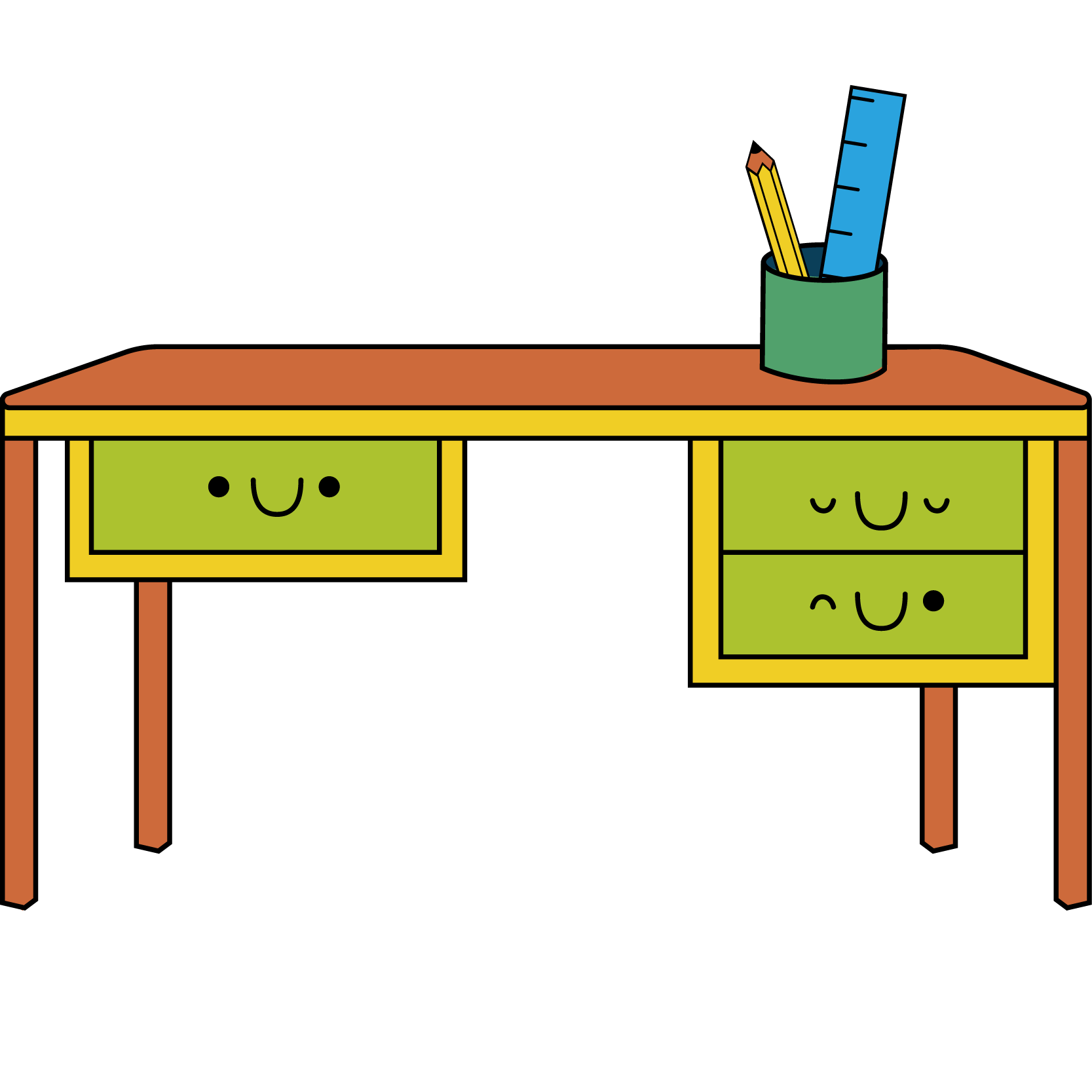
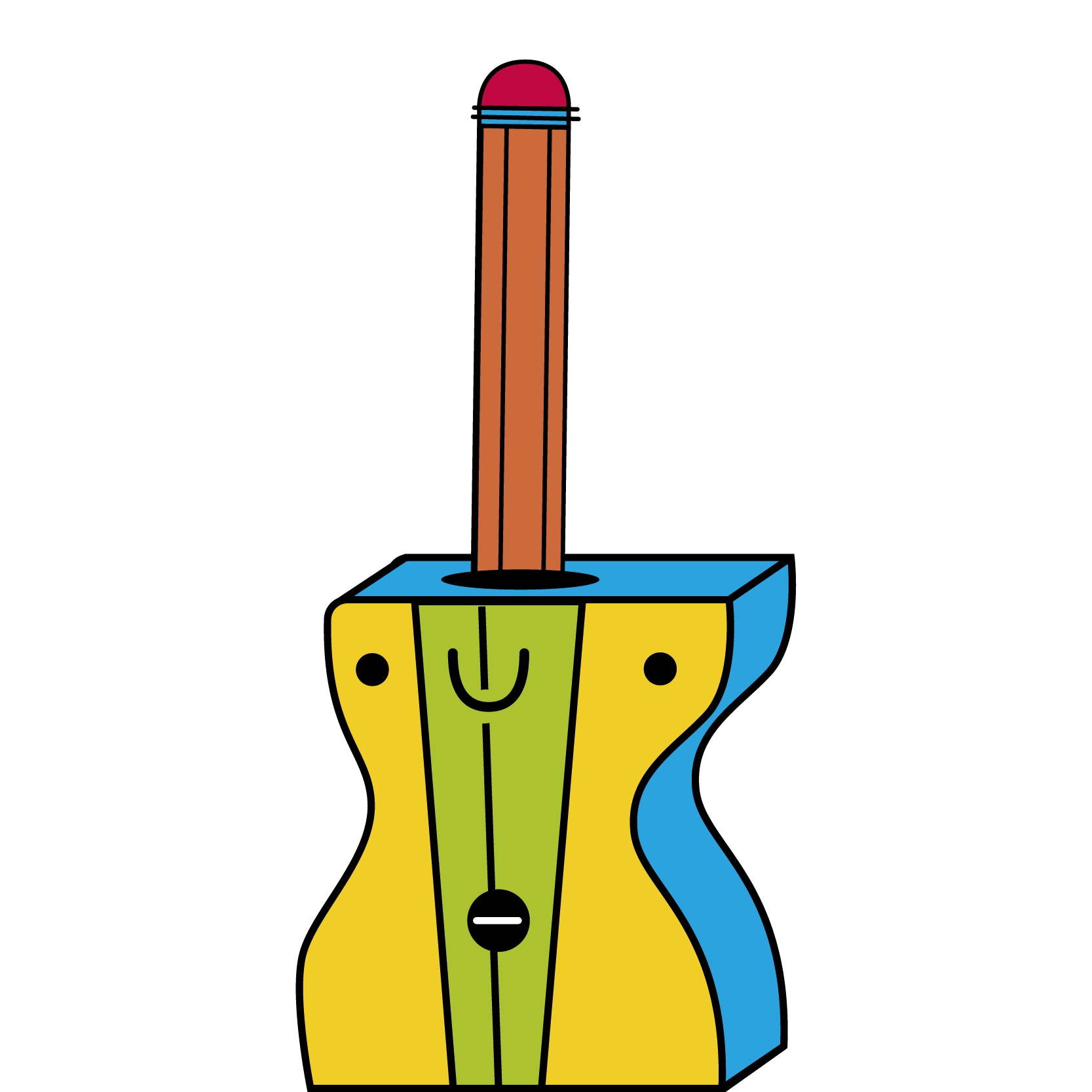
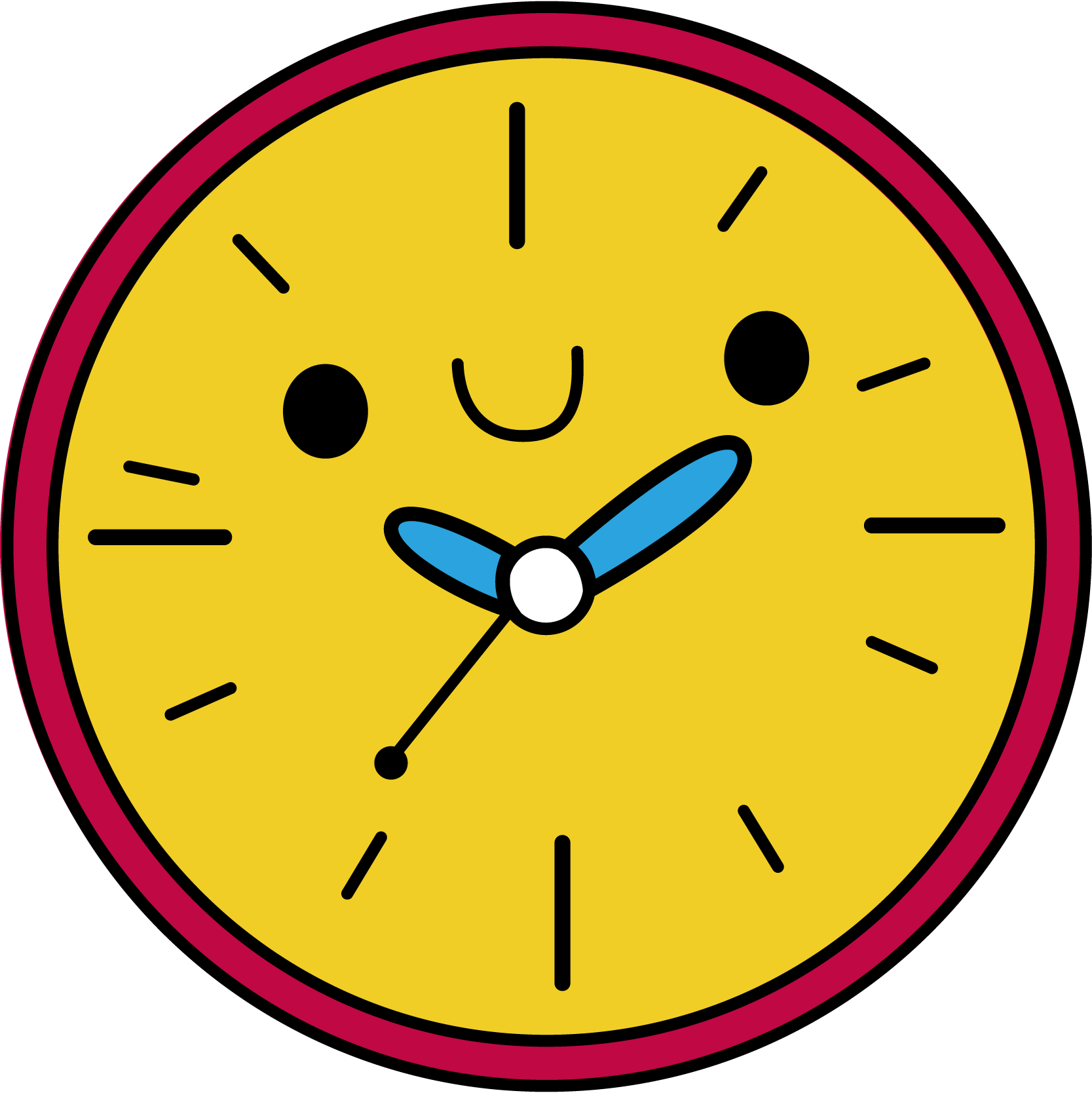
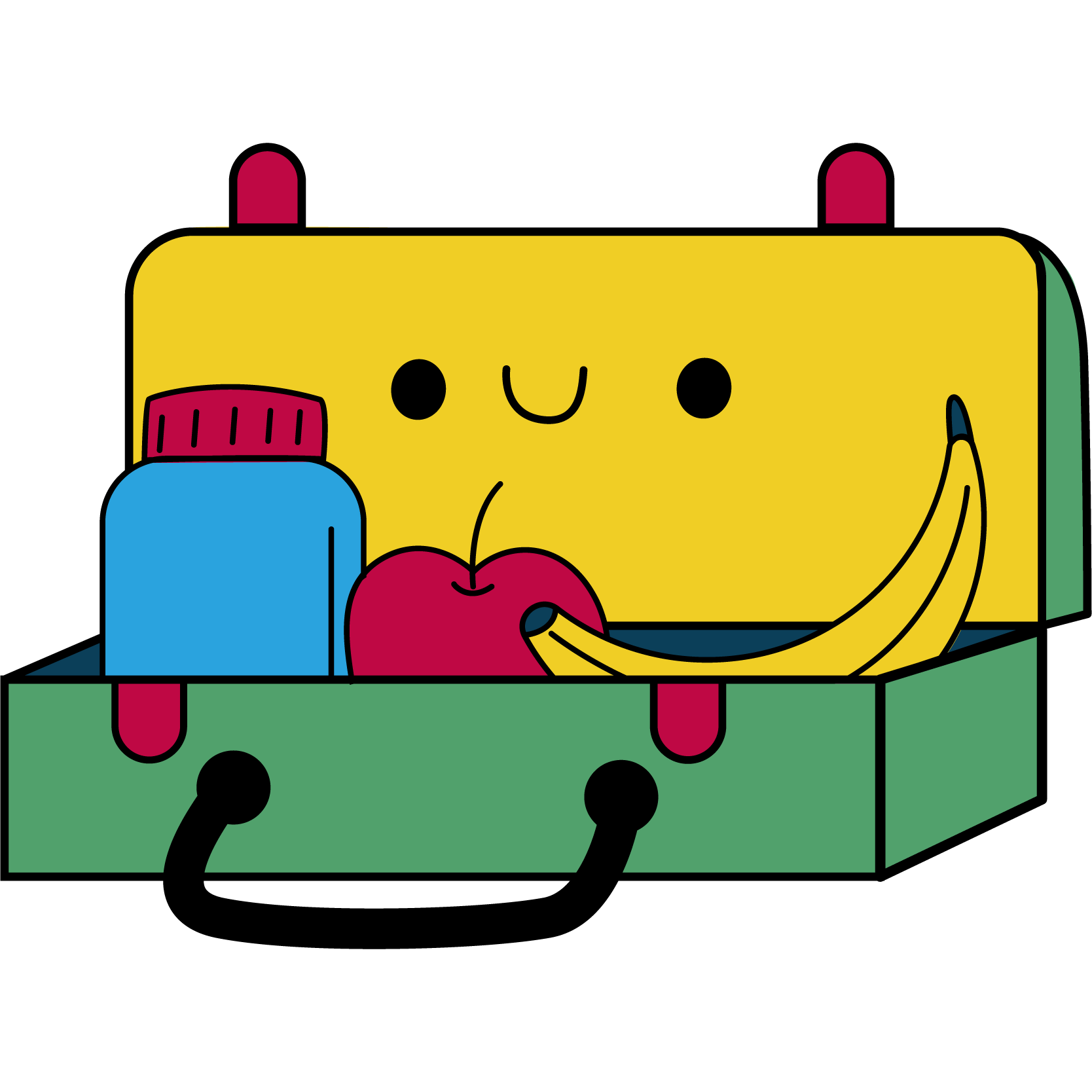
    School & Classroom Objects – ESL Vocabulary Worksheets & Flashcards

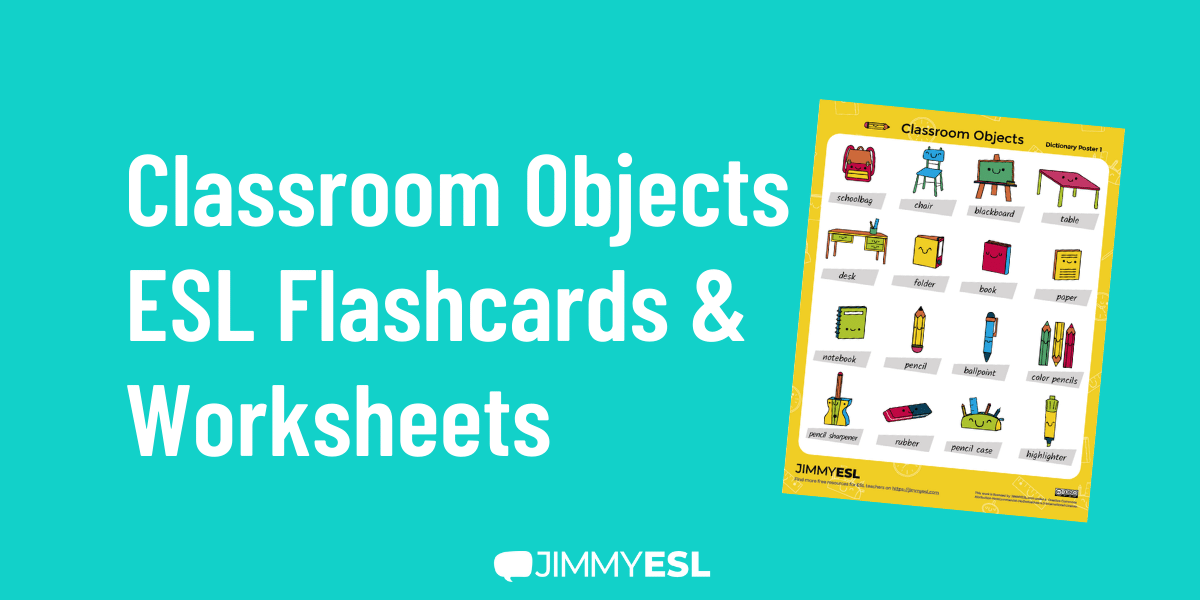
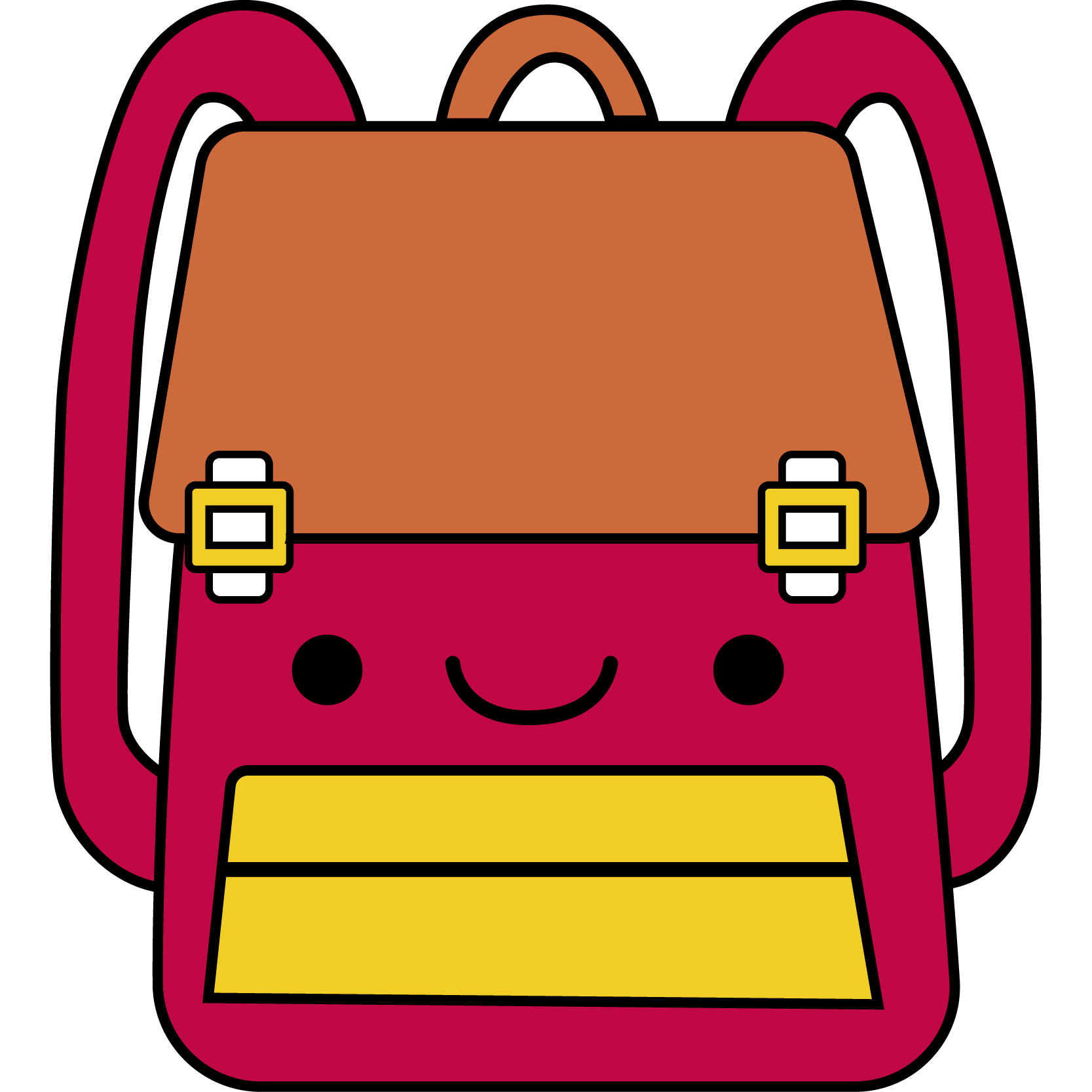
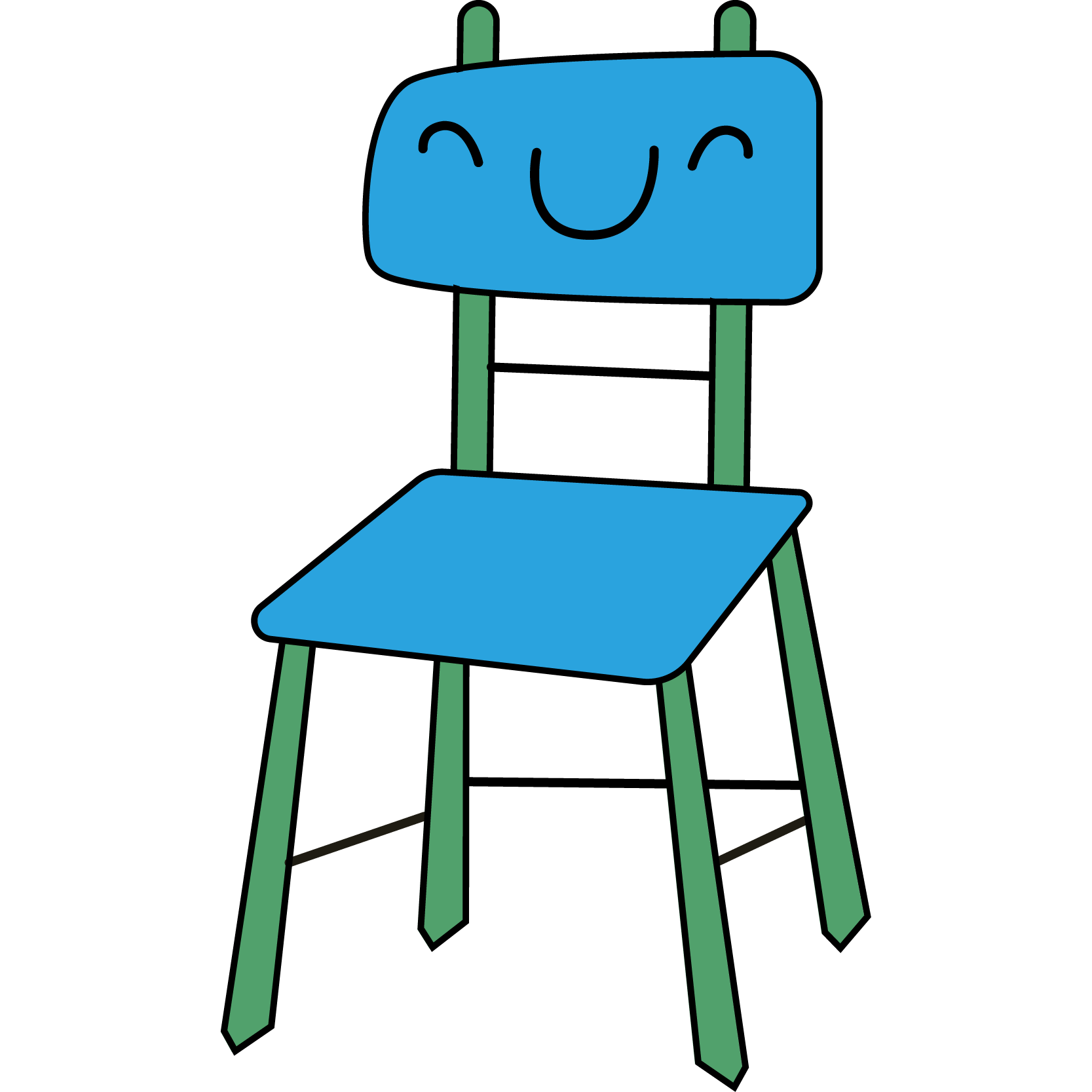
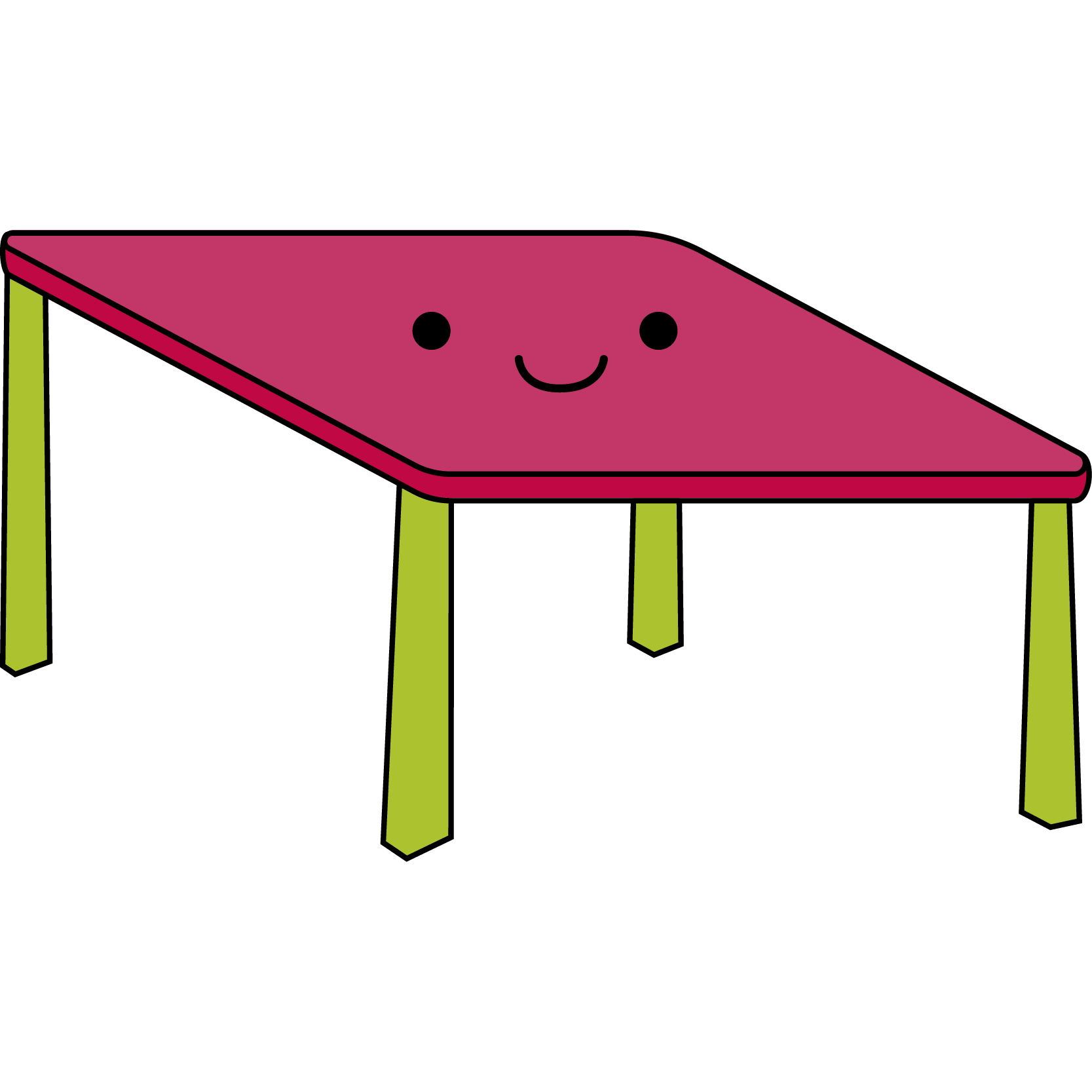
    Teach English vocabulary related to school objects or classroom objects to your students – with our lovely illustrated ESL worksheets and flashcards, exclusively from JIMMYESL.

    Kids – and likely adults, too – will love the “smiling items” and thus will be highly motivated to learn the new vocabulary and to complete the exercises in the worksheets.

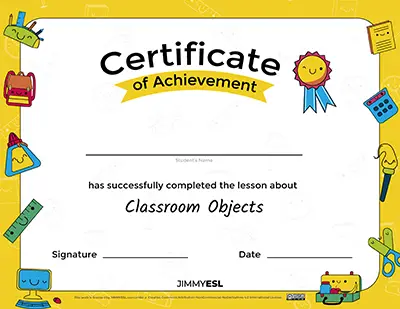
    Reward your students with a personal Certification of Achievement after taking the lesson!

    Please leave a comment below if you like it!

    Classroom objects flashcards and worksheets for ESL lessons

    License Info

    Worksheets: Use them for your lessons and share them with your fellow teachers. Details: Creative Commons Attribution-NonCommercial-NoDerivatives 4.0 International License

    Stand-alone Illustrations: All rights reserved. Please contact us if you want to use them.

    Free Worksheets Package

    The free, downloadable and printable worksheet package includes the following resources:

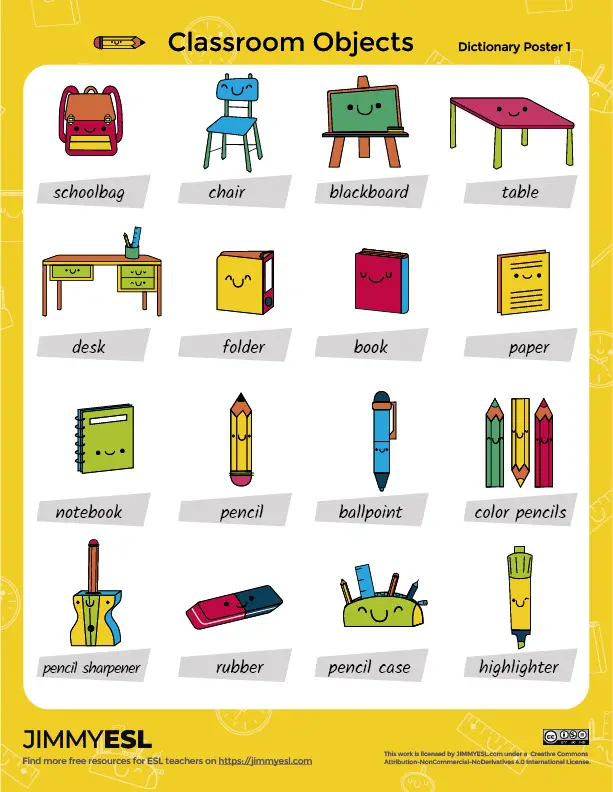
    • Dictionary Poster
    • 32 Flashcards
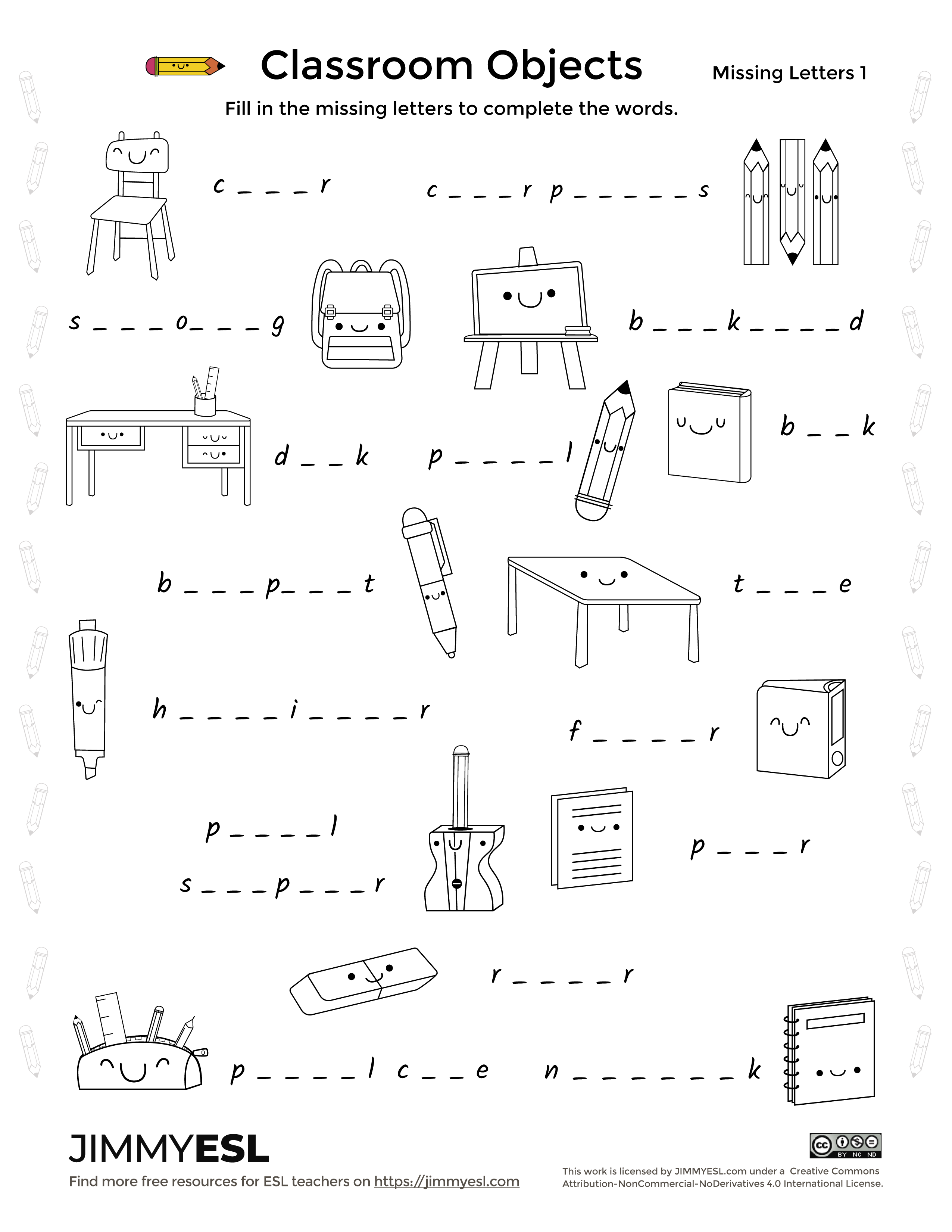
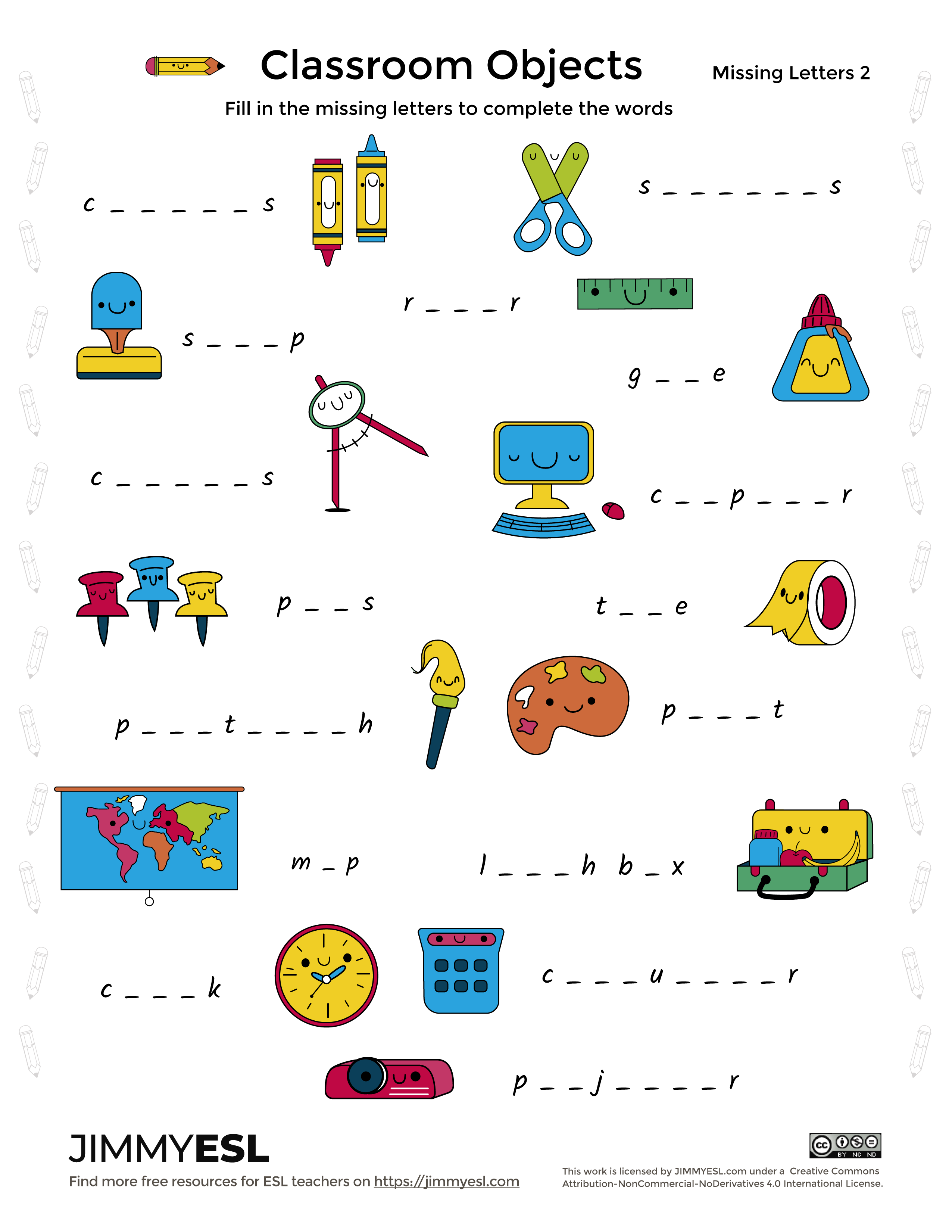
    • Worksheet “Missing Letters”
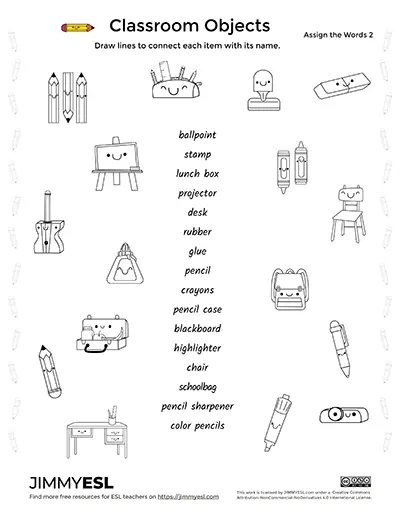
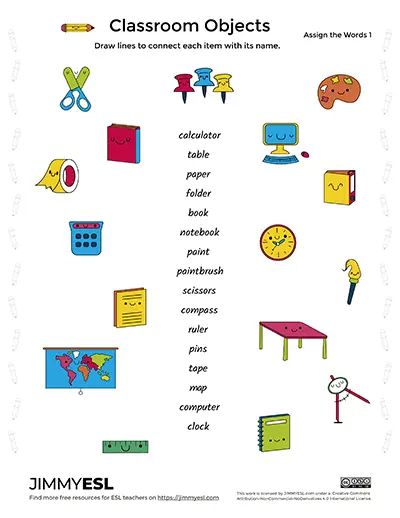
    • Worksheet “Assign the Items”
    • Certificate of Achievement

    Things Found in the Classroom

    The free worksheets include the vocabulary for these 32 classroom objects:

    schoolbag

    I pack my schoolbag in the morning.

    chair

    I sit on a chair.

    table

    I work at the table.

    desk

    The teacher sits at the desk.

    blackboard

    The questions are on the blackboard.

    book

    I read my book.

    folder

    I keep my work in my folder.

    notebook

    I take notes in my notebook.

    paper

    I write on the paper.

    pencil

    I use my pencil to write.

    pencil case

    I keep my stationery in my pencil case.

    pencil sharpener

    I use a pencil sharpener when my pencil is blunt.

    rubber

    I use a rubber when I make a mistake.

    color pencils

    It’s fun to use color pencils.

    ballpoint pen

    I sometimes write with a ballpoint pen.

    highlighter

    A highlighter makes it easy to find parts of a sentence.

    crayons

    I use crayons to color my pictures.

    paint

    Paint can be fun but very messy!

    paintbrush

    I use a paintbrush to paint.

    scissors

    Scissors help me cut things.

    stamp

    The teacher stamps my work when it is finished.

    ruler

    A ruler tells me how long things are.

    glue

    Glue helps me stick things together.

    compass

    A compass makes it easy to draw a circle.

    pins

    We use pins to stick things to the board.

    tape

    Tape can also be used to stick things together.

    computer

    I use the computer to search the internet.

    calculator

    A calculator makes it easier to add big numbers.

    projector

    We can see big pictures using the projector.

    map

    A map shows different places.

    clock

    I use a clock to tell the time.

    lunchbox

    All of my tasty food is in my lunchbox.

    Classroom Objects: The Worksheets

    Dictionary Poster

    The Dictionary Poster lists all 32 school and classroom objects. Print it and attach it to your classroom wall! – 2 pages

    Poster Page 1
    Poster Page 2

    Printable Flashcards

    Teach school & classroom objects vocabulary with flashcards. – 32 flashcards

    Printable Flashcards Page 1
    Printable Flashcards Page 2

    Worksheet: Missing Letters

    Let your students fill in the missing letters to complete the item names and color in the illustrations. – 2 pages, colored and black & white to color in

    Black & White Worksheet Page 1
    Colored Worksheet Page 2

    Worksheet: Assign the Items

    Let your students assign the items to their names by drawing lines. – – 2 pages, colored and black & white to color in

    Black & White Worksheet Page 1
    Colored Worksheet Page 2

    Certification of Achievement

    Reward your students for their effort with a personal printable certification. – 1 page

    Certificate

    Also available:

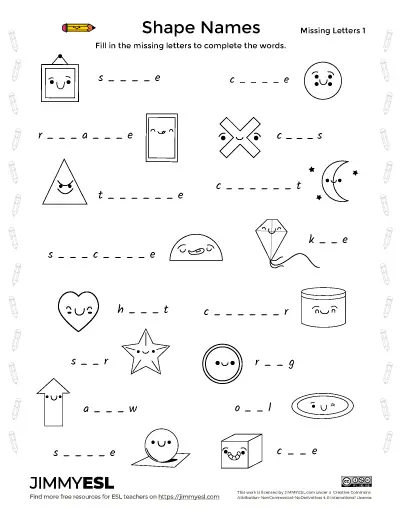
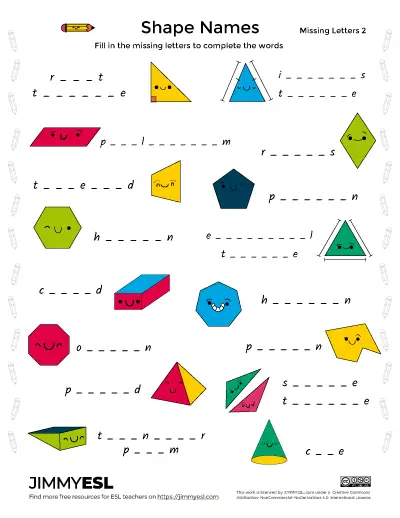
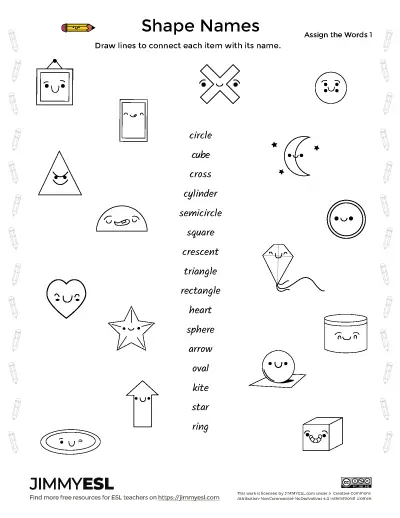
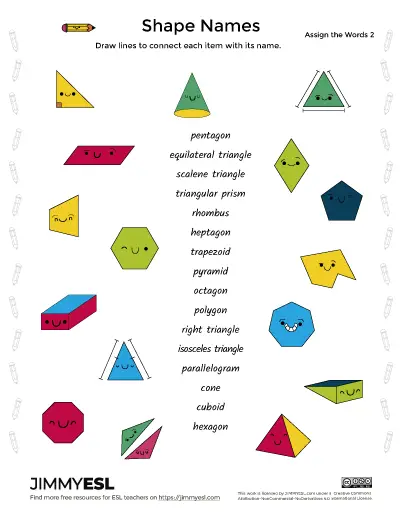
  • Shape Names – ESL Vocabulary Worksheets & Flashcards

    Shape Names – ESL Vocabulary Worksheets & Flashcards

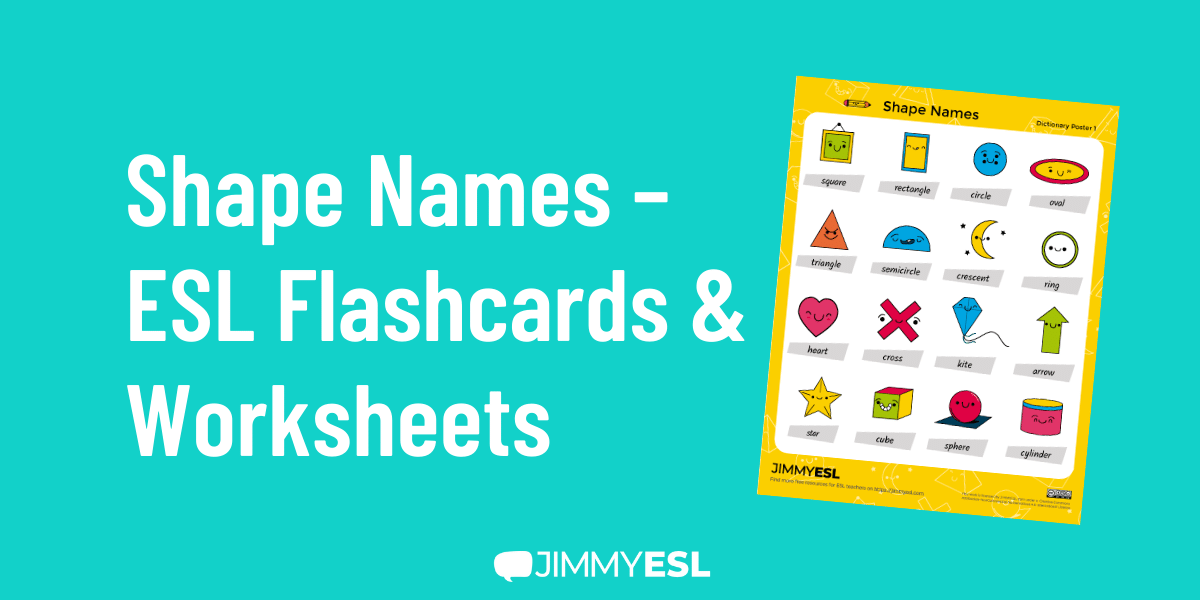
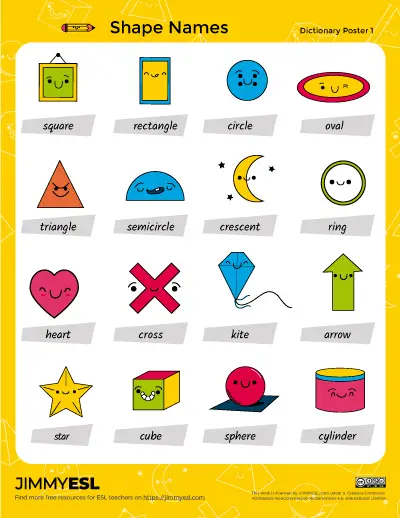
    Teach the most common shape names to your learners – with our lovely illustrated ESL worksheets and flashcards, exclusively from JIMMYESL.

    Kids – and likely adults, too – will love the “smiling shapes” and thus will be highly motivated to learn the new vocabulary and to complete the exercises in the worksheets.

    Reward your students with a personal Certification of Achievement after taking the lesson!

    Please leave a comment below if you like it!

    Shape Names Flashcards and Worksheets

    License Info

    Worksheets: Use them for your lessons and share them with your fellow teachers. Details: Creative Commons Attribution-NonCommercial-NoDerivatives 4.0 International License

    Illustrations: All rights reserved. Please contact us if you want to use them.

    Free Worksheets Package

    The free, downloadable and printable worksheet package includes the following resources:

    • Dictionary Poster
    • 32 Flashcards
    • Worksheet “Missing Letters”
    • Worksheet “Assign the Items”
    • Certificate of Achievement

    Scroll down to get a detailed list of the included resources.

    Common Shape Names: The Items List

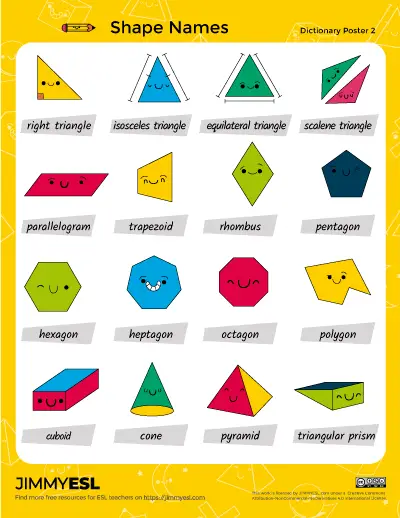
    The free worksheets include the vocabulary for these 32 shapes:

    square

    This picture frame is a square.

    rectangle

    My TV is a rectangle.

    circle

    The clock is a circle.

    oval

    The rug is an oval.

    triangle

    Tortilla chips are triangles.

    semicircle

    I use a semicircle ruler in maths class.

    crescent

    The moon is a crescent.

    ring

    Rings are… ring shaped!

    heart

    A heart is the shape of love.

    cross

    A cross means no.

    kite

    I like to fly kites.

    arrow

    Arrows show us the way.

    star

    Stars are bright.

    cube

    Boxes are cubes.

    sphere

    Apples are spheres.

    cylinder

    Pipes are cylinders.

    right triangle

    A right triangle has a 90 degree angle.

    isosceles triangle

    An isosceles triangle has 2 equal sides.

    equilateral triangle

    An equilateral triangle has 3 equal sides.

    scalene triangle

    A scalene triangle has all 3 sides at different lengths.

    parallelogram

    My eraser is a parallelogram.

    trapezoid

    Gold blocks have a trapezoid shape.

    rhombus

    Rhombuses look like diamonds.

    pentagon

    The pentagon is an important building in the USA.

    hexagon

    Honeycombs are hexagons.

    heptagon

    Heptagons have 7 sides.

    octagon

    Stop signs are octagons.

    polygon

    A polygon can have many sides of different sizes.

    brick

    Bricks are used to make houses.

    cone

    Cones are great to put ice-cream in!

    pyramid

    The Egyptians built pyramids a long time ago.

    triangular prism

    A wedge of cheese is a triangular prism.

    Shape Names: The Worksheets

    Dictionary Poster

    The Dictionary Poster lists all 32 names of the shapes. Print it and attach it to your classroom wall! – 2 pages

    Poster Page 1
    Poster Page 2

    Printable Flashcards

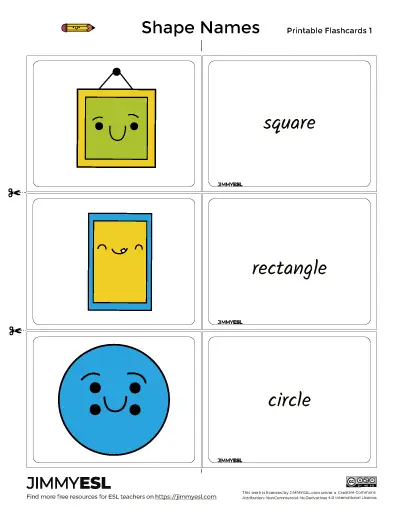
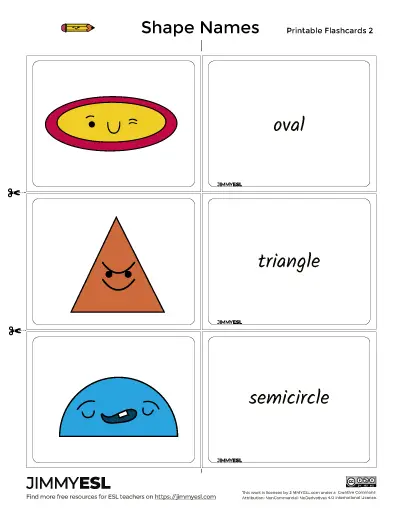
    Teach the shape names vocabulary with flashcards. – 32 flashcards

    Printable Flashcards Page 1
    Printable Flashcards Page 2

    Worksheet: Missing Letters

    Let your students fill in the missing letters to complete the shape names and color in the illustrations. – 2 pages, colored and black & white to color in

    Black & White Worksheet Page 1
    Colored Worksheet Page 2

    Worksheet: Assign the Items

    Let your students assign the shapes to their names by drawing lines. – – 2 pages, colored and black & white to color in

    Black & White Worksheet Page 1
    Colored Worksheet Page 2

    Certification of Achievement

    Reward your students for their effort with a personal printable certification. – 1 page

    Certificate

    Also available:

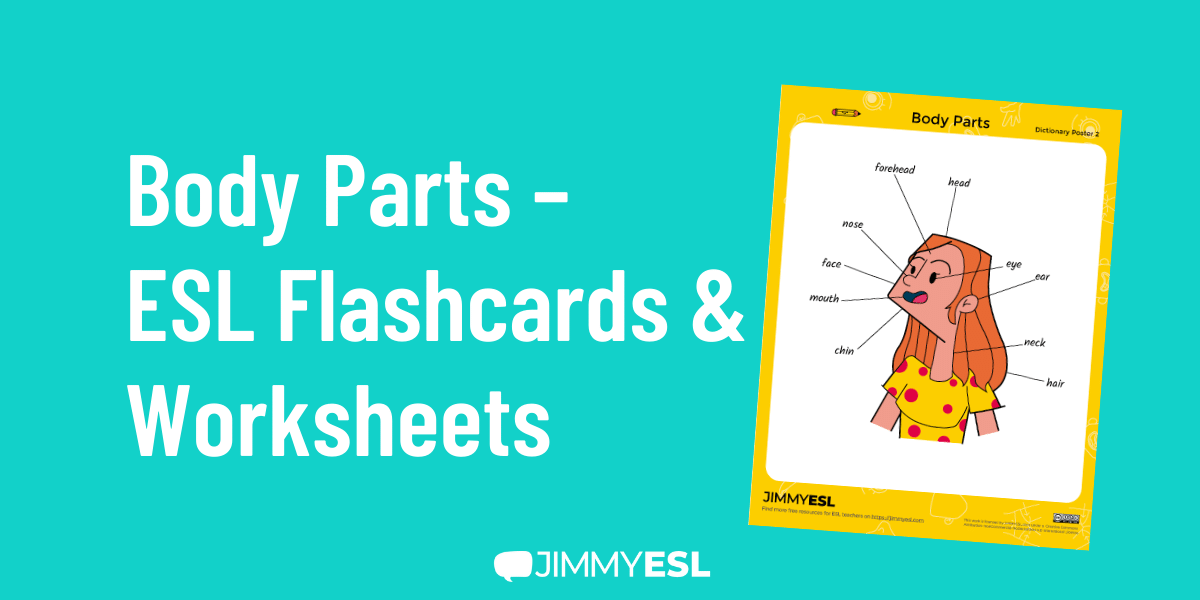
  • Body Parts – ESL Vocabulary Worksheets & Flashcards

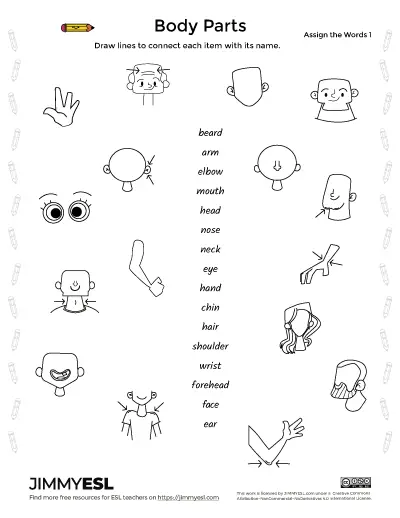
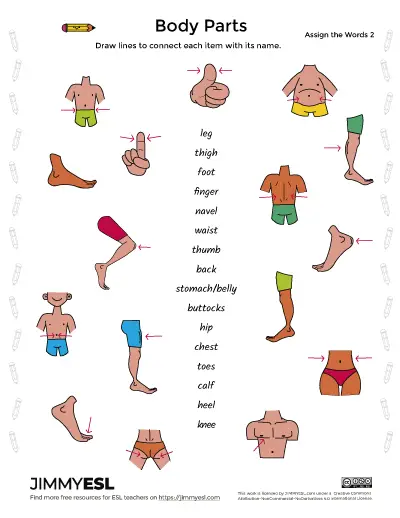
    Body Parts – ESL Vocabulary Worksheets & Flashcards

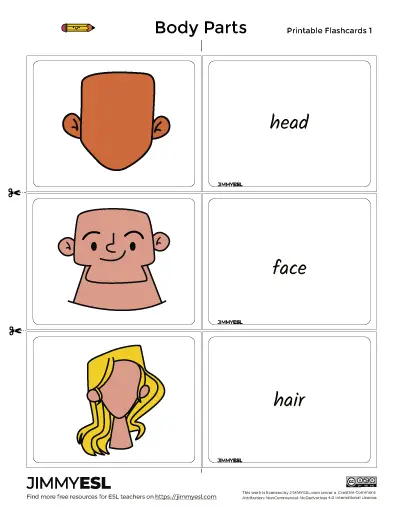
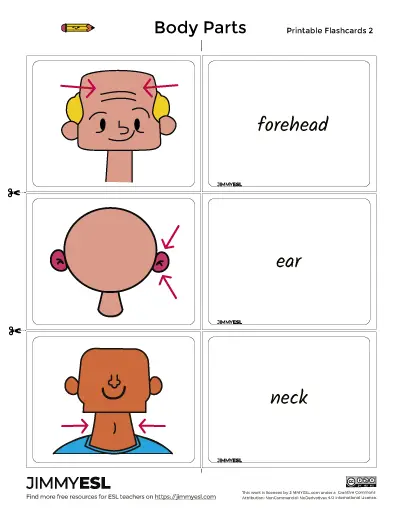
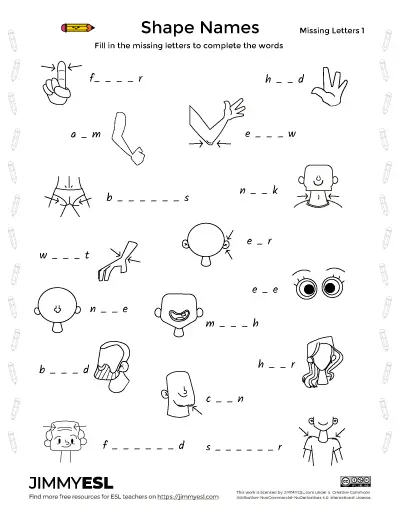
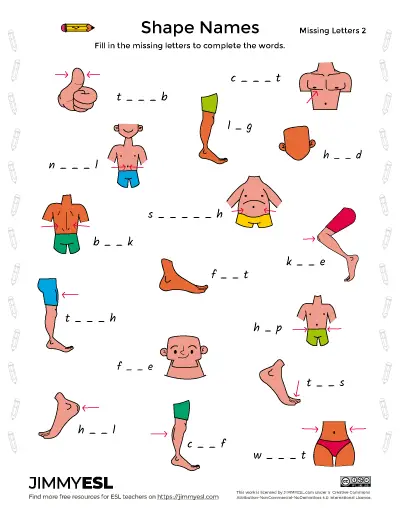
    Teach the body part names to your learners – with our lovely illustrated ESL worksheets and flashcards, exclusively from JIMMYESL.

    Kids – and likely adults, too – will love the illustrations and thus will be highly motivated to learn the new vocabulary and to complete the exercises in the worksheets.

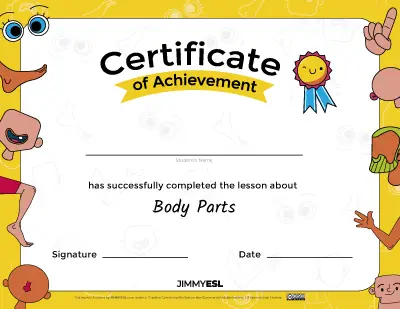
    Reward your students with a personal Certification of Achievement after taking the lesson!

    Please leave a comment below if you like it!

    Body parts – flashcards and worksheets for ESL lessons

    License Info

    Worksheets: Use them for your lessons and share them with your fellow teachers. Details: Creative Commons Attribution-NonCommercial-NoDerivatives 4.0 International License

    Illustrations: All rights reserved. Please contact us if you want to use them.

    Free Worksheets Package

    The free, downloadable and printable worksheet package includes the following resources:

    • Dictionary Poster
    • 32 Flashcards
    • Worksheet “Missing Letters”
    • Worksheet “Assign the Items”
    • Certificate of Achievement

    Scroll down to get a detailed list of the included resources.

    Body Parts: The List

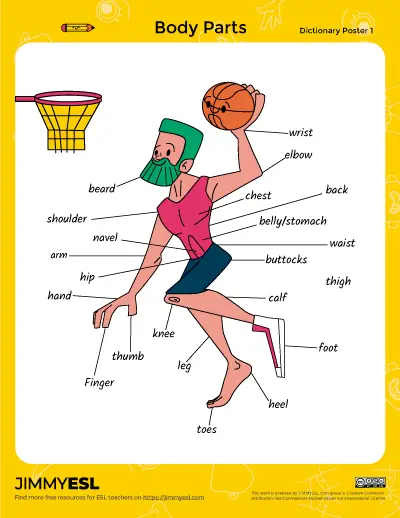
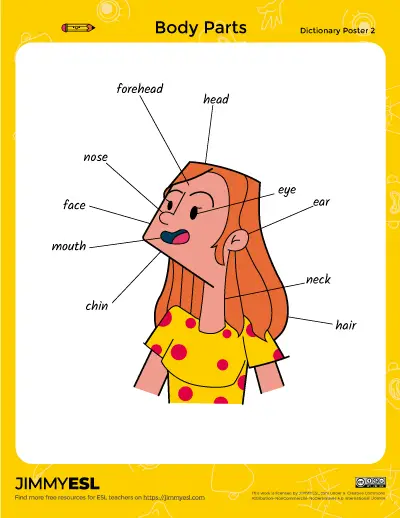
    The free worksheets include the vocabulary for these 32 body parts:

    Head

    I have a big head.

    Face

    He has a handsome face.

    Hair

    She has long hair.

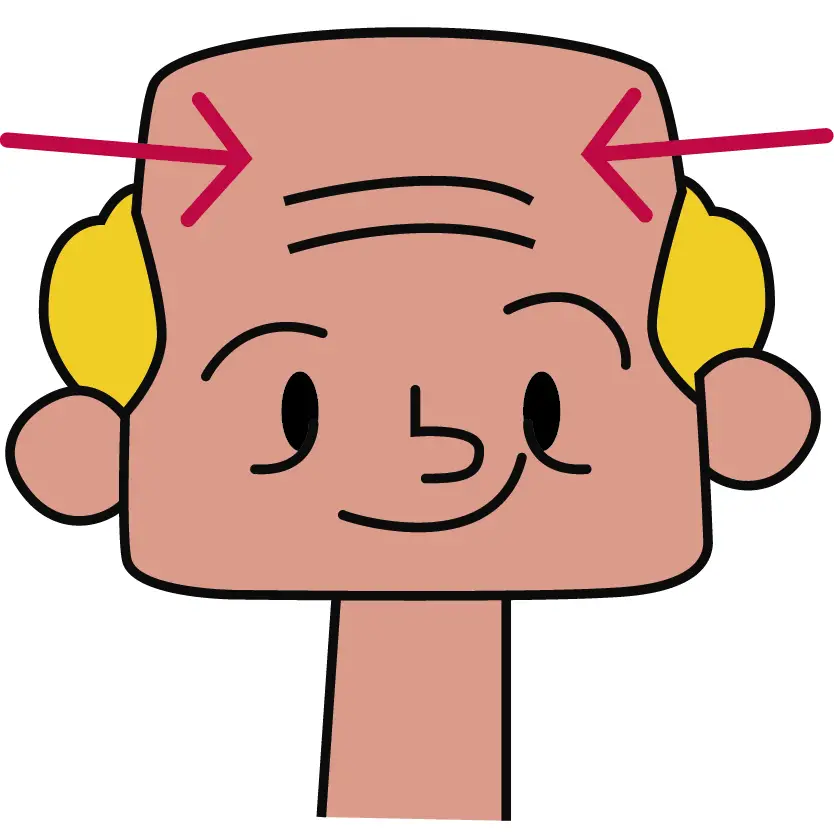
    Forehead

    He tapped his forehead.

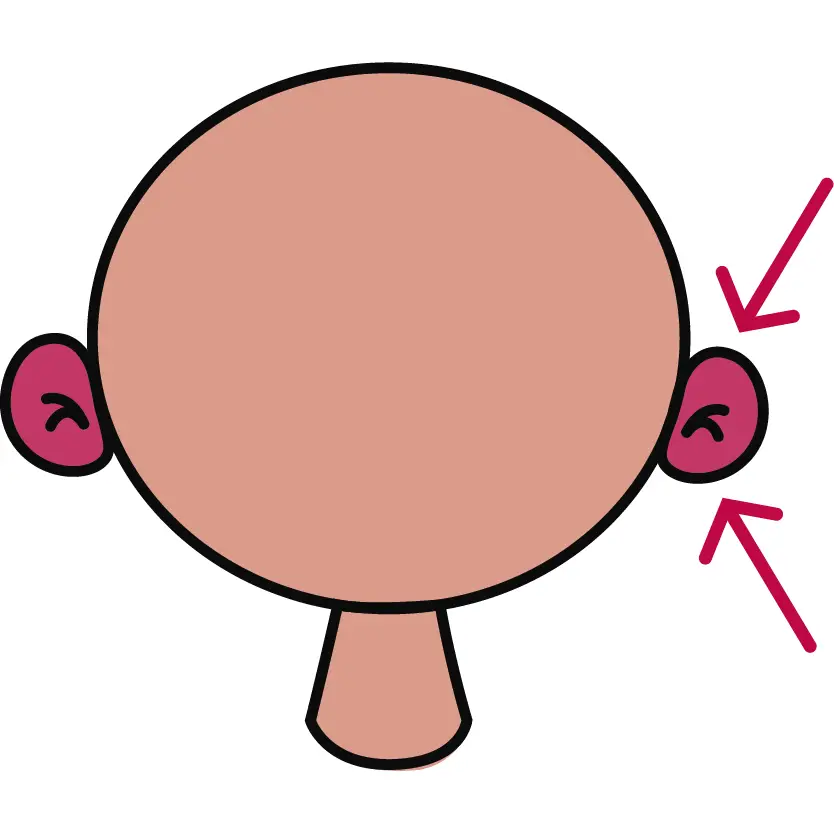
    Ear

    My ears are cold.

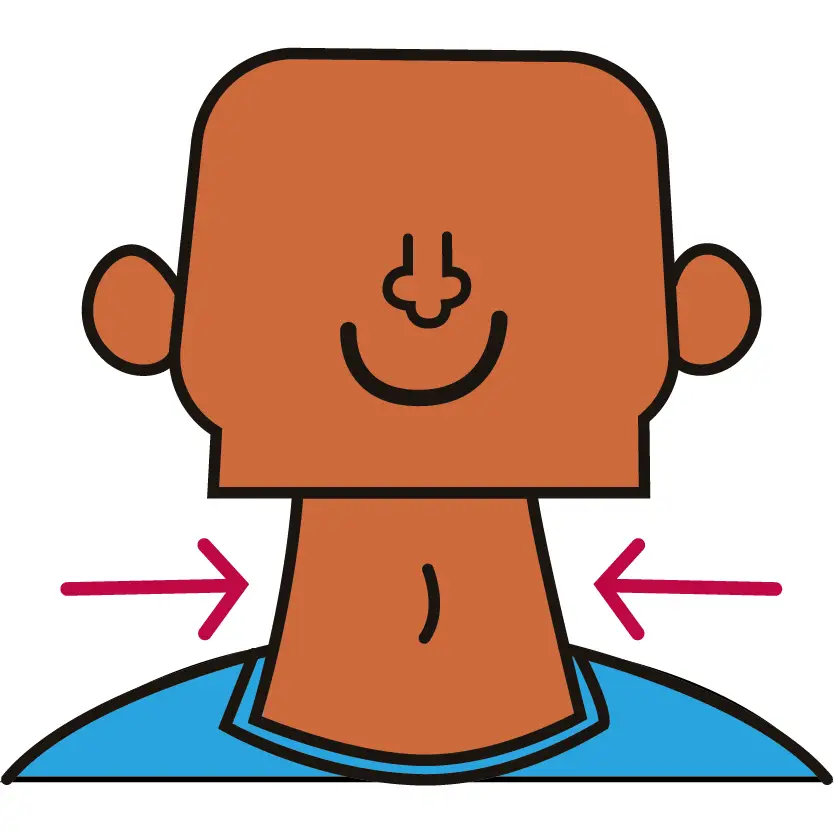
    Neck

    I have a pain in my neck.

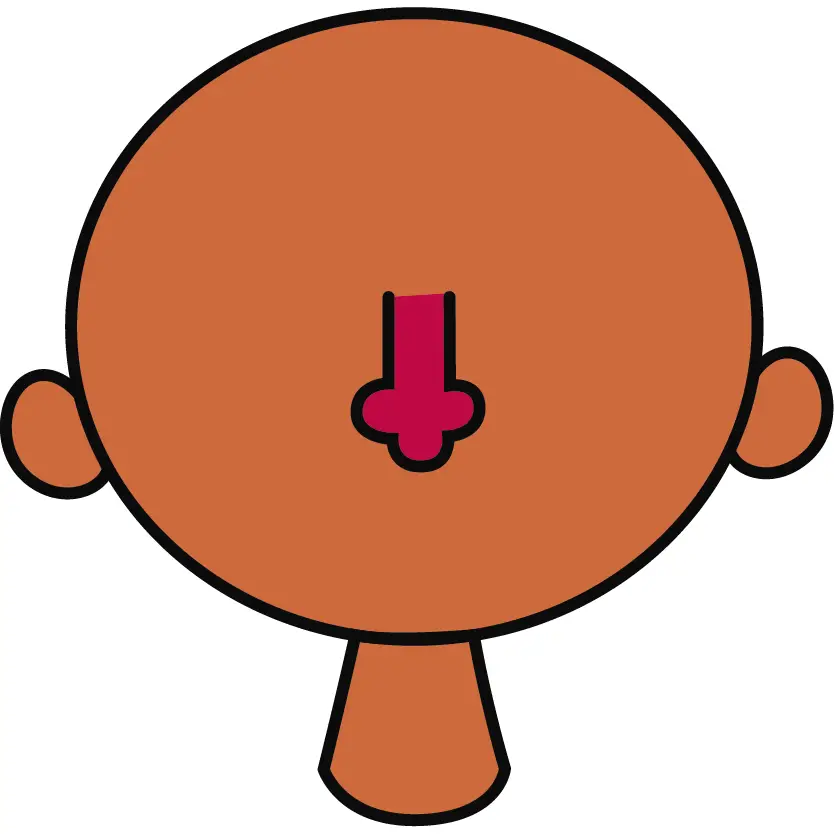
    Nose

    She has a small nose.

    Eye

    I have blue eyes.

    Mouth

    My mouth has one tooth.

    Chin

    He has a wide chin.

    Beard

    I have a bushy beard.

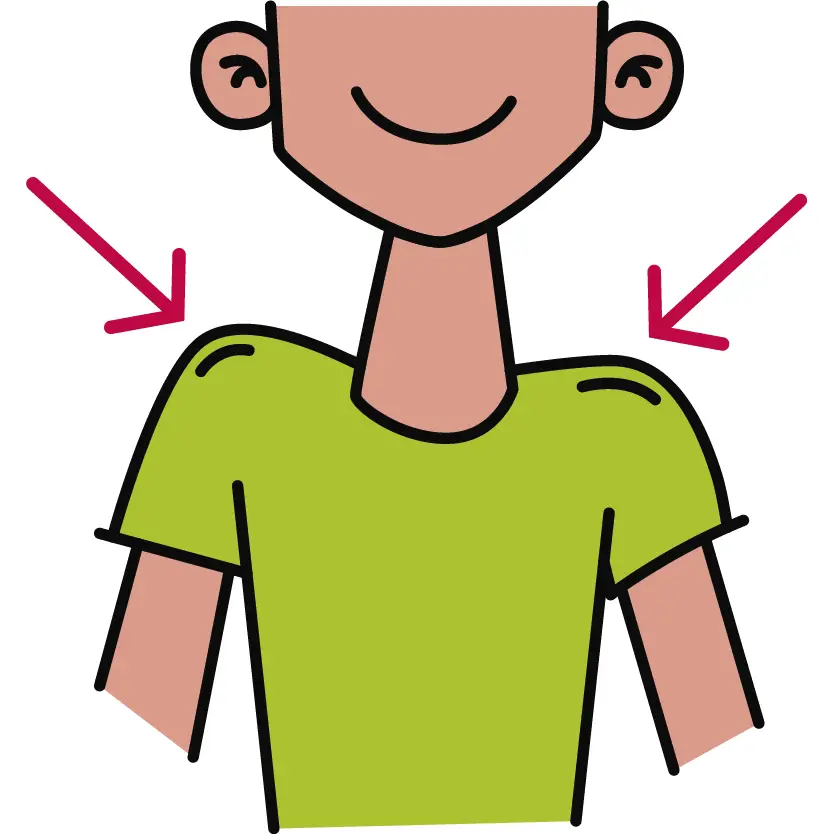
    Shoulder

    He has broad shoulders.

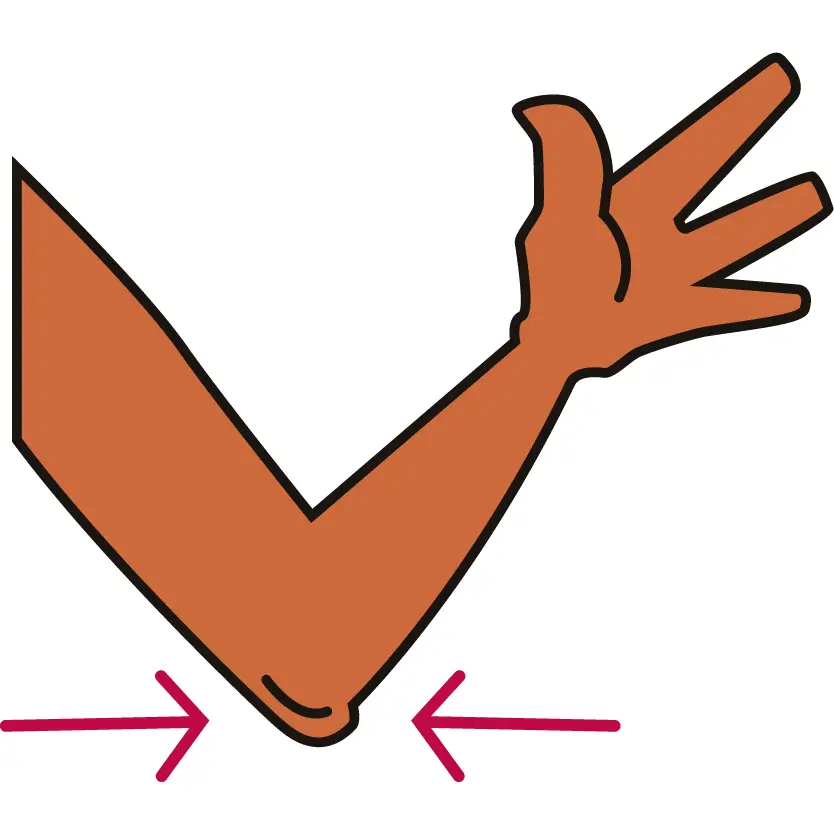
    Elbow

    I hurt my elbow.

    Arm

    She has strong arms.

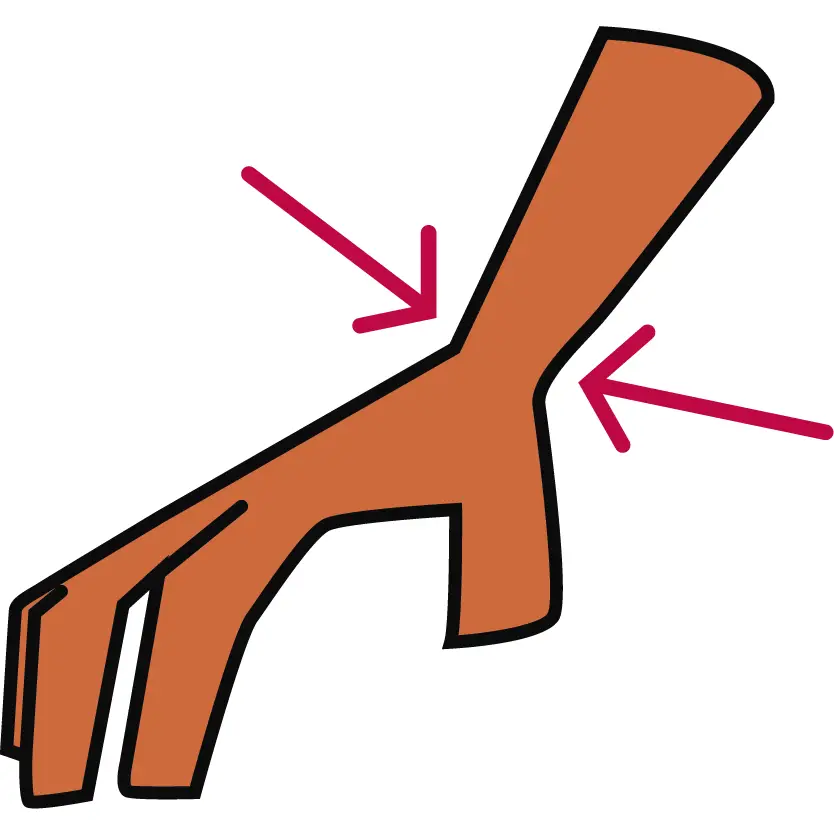
    Wrist

    My wrist has cramp.

    Hand

    I have two hands.

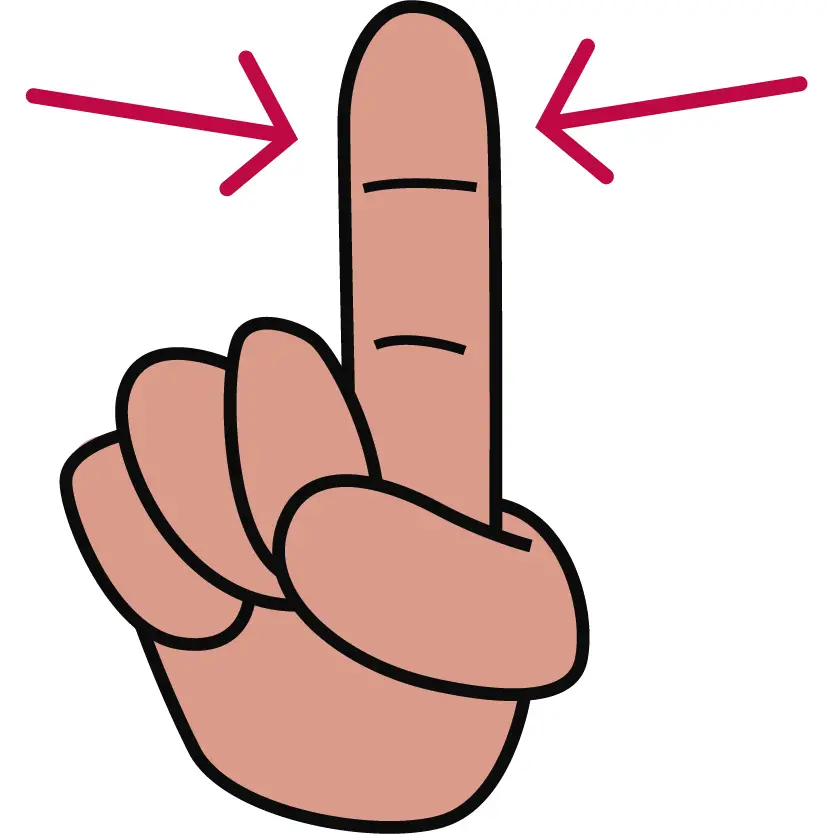
    Finger

    I count using my fingers.

    Thumb

    She gave a thumbs up.

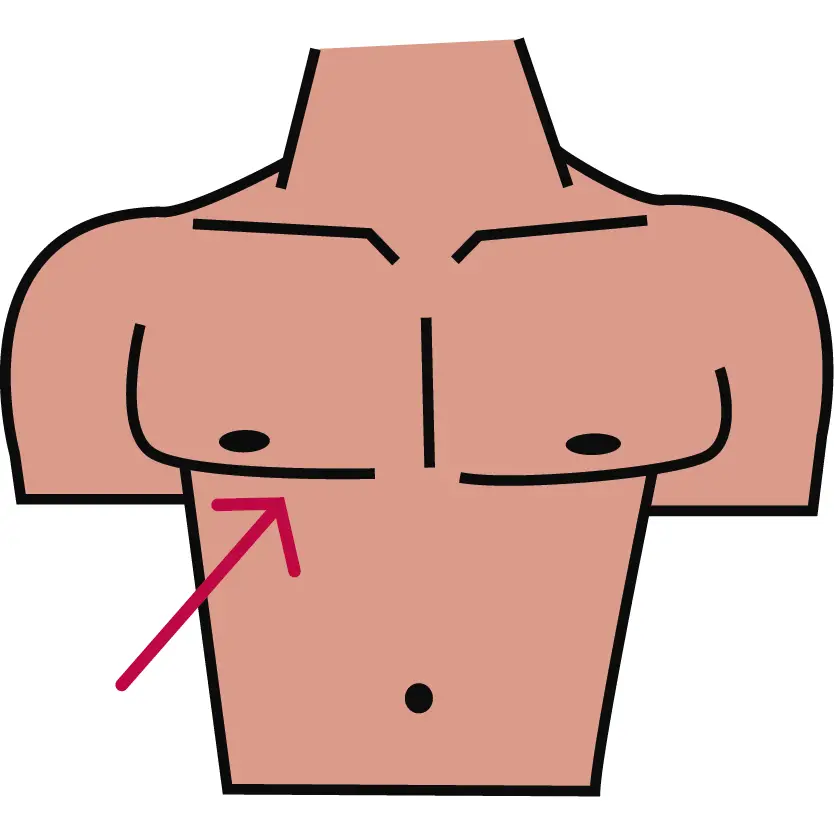
    Chest

    He has a wide chest.

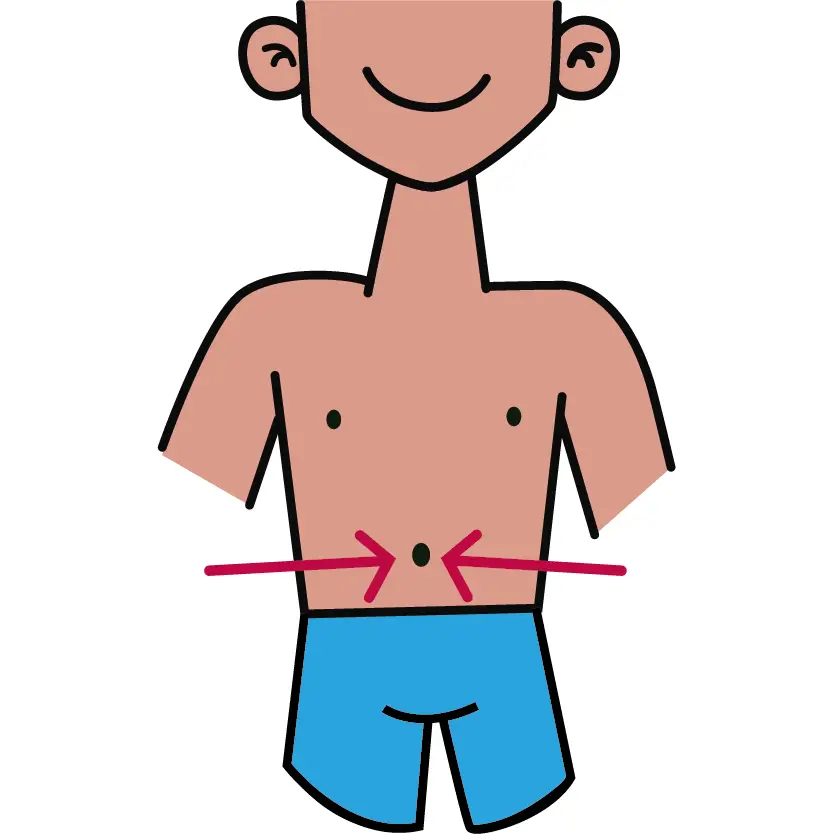
    Navel

    My navel is ticklish.

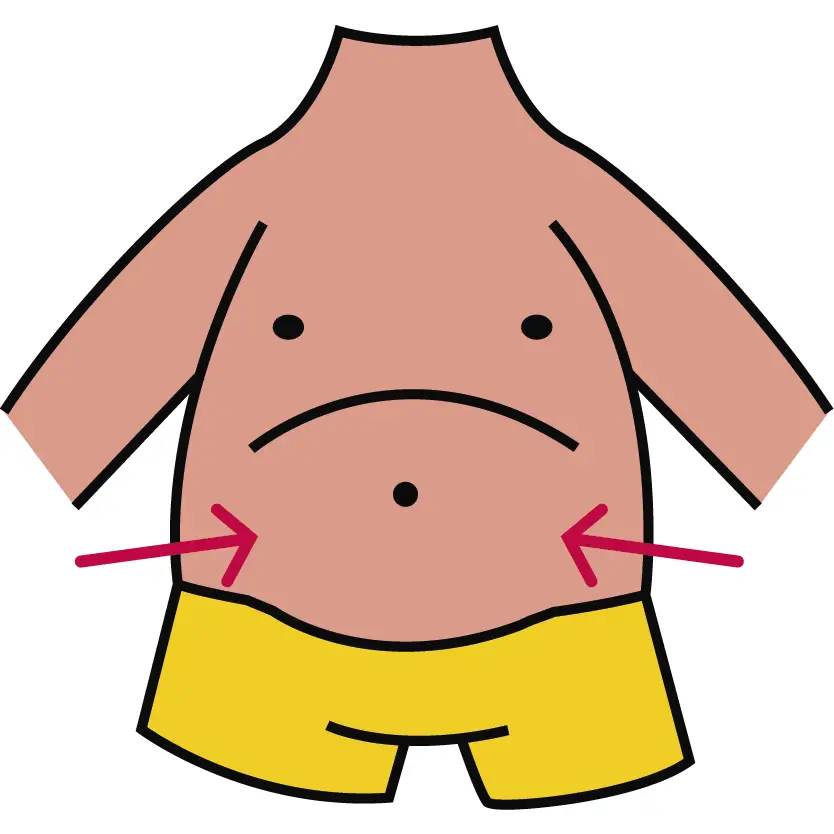
    Belly / Stomach

    I have a big belly.

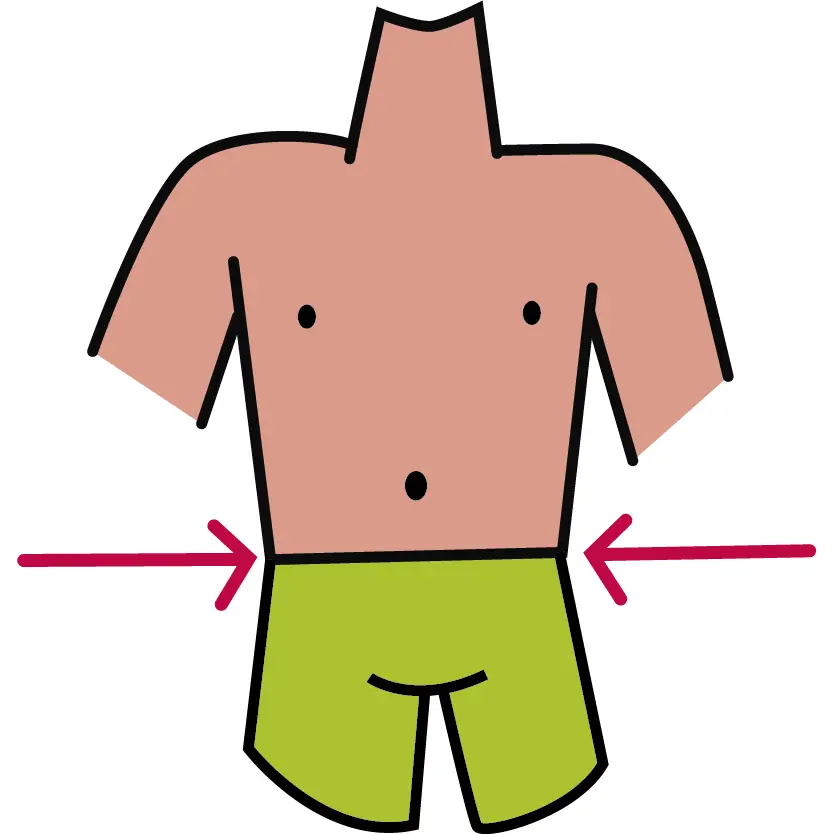
    Hip

    He has wide hips.

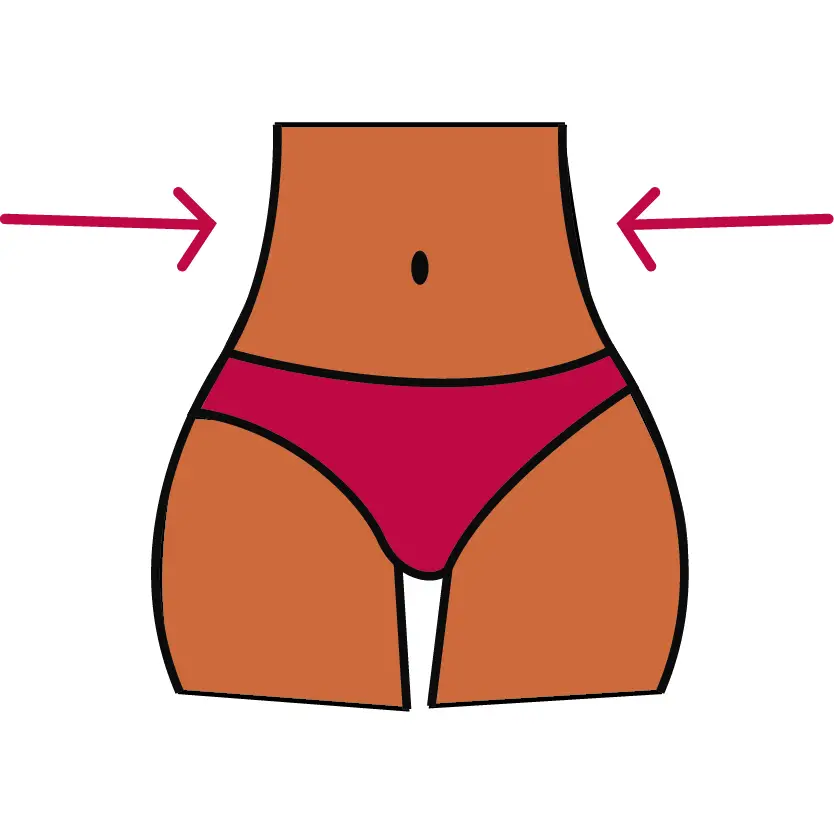
    Waist

    She has a slim waist.

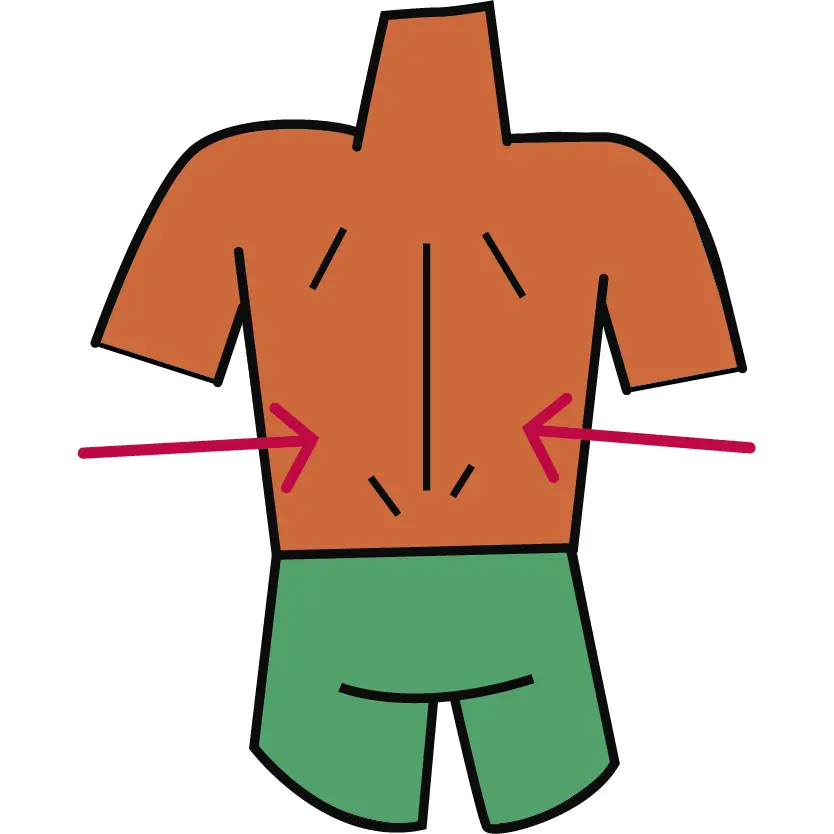
    Back

    Don’t hurt your back.

    Leg

    My legs are tired from walking.

    Buttocks

    I sit on my buttocks.

    Thigh

    His thighs are toned.

    Calf

    My calfs ached from walking.

    Foot

    I have two feet.

    Knee

    She has pointy knees.

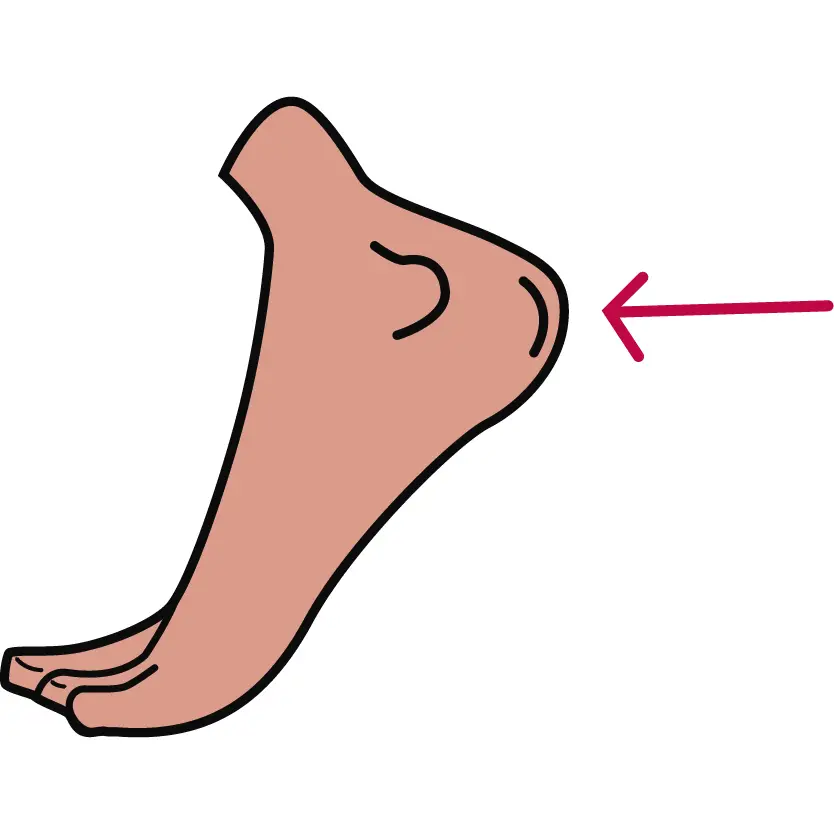
    Heel

    The heel is very hard.

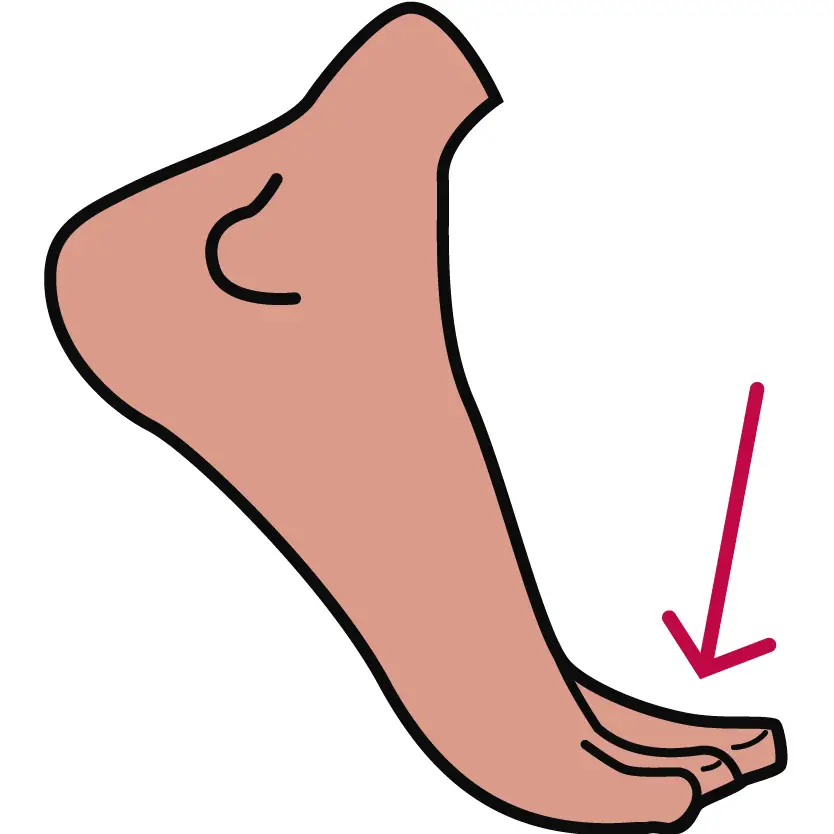
    Toe

    I’m taller when I stand on my toes.

    Body Parts: The Worksheets

    Dictionary Poster

    The Dictionary Poster lists all 32 names of the body parts. Print it and attach it to your classroom wall! – 2 pages

    Poster Page 1
    Poster Page 2

    Printable Flashcards

    Teach the body parts vocabulary with flashcards. – 32 flashcards

    Printable Flashcards Page 1
    Printable Flashcards Page 2

    Worksheet: Missing Letters

    Let your students fill in the missing letters to complete the names of the body parts and color in the illustrations. – 2 pages, colored and black & white to color in

    Black & White Worksheet Page 1
    Colored Worksheet Page 2

    Worksheet: Assign the Items

    Let your students assign the body parts to their names by drawing lines. – – 2 pages, colored and black & white to color in

    Black & White Worksheet Page 1
    Colored Worksheet Page 2

    Certification of Achievement

    Reward your students for their effort with a personal printable certification. – 1 page

    Certificate
  • Must-Have ESL Books for Teachers (and Students)

    Must-Have ESL Books for Teachers (and Students)

    There are so many ESL resources out there, books especially. 

    But, which are the best? The essentials? The desert island books that no ESL teacher should be without?

    Let’s take a look at the need-to-own ESL books so that you can be confident you are giving your students the very best, every lesson.

    Each book is labelled with the target ability level and type of student it is best suited for, along with a roundup of the pros and cons.

    This will enable you to find the perfect book for your students and always be delivering the right material.

    Must-Have ESL Books: for Teachers and Students

    Essentials

    Magic Time 1 & 2 (Beginners – Preschool)

    [amazon fields=”019401617X” value=”thumb” image_size=”large” image_class=”my-aawp-img” tracking_id=”j4t_jimmyesl-20″]

    [amazon link=”019401617X” title=”The Magic Time books” tracking_id=”j4t_jimmyesl-20″] are perfect for preschool/kindergarten students. Written by Kathleen Kampa and Charles Vilina (and released by Oxford University Press) these two books give you a reliable resource to help with the very youngest of students.

    These books are made up of colourful scenes, fun games, catchy music and movement ideas which focus on building speaking, listening, and pre-writing skills in a fun and inviting way.

    As this book is aimed at preschoolers, you will find that the book doesn’t race along, trying to cram in as many concepts as possible. Rather, it is designed to build a solid foundation for later English language learning and ensure that your students will have fun discovering the language for the first time.

    In each chapter, you will find two vocabulary pages made up of mostly nouns, along with a simple sentence that introduces some new grammar. 

    In the first level, there are two verb pages and a phonic alphabet section every three chapters. Then, in the second level, there is one verb page and phonic alphabet practice every chapter. As well as this, there’s a review section every 3 chapters to help test retention.

    Pros

    • Great games and fun, bright scenes which are perfect for young students.
    • Great pace, doesn’t rush things and builds a solid foundation for future learning.

    Cons

    • Focuses mostly on speaking and listening. While you can dabble with writing and reading, these are not heavily featured.

    [amazon link=”019401617X” title=”Buy Magic Time books on Amazon” tracking_id=”j4t_jimmyesl-20″]

    Let’s Go (Beginners – Children)

    [amazon fields=”0194626180″ value=”thumb” image_size=”large” image_class=”my-aawp-img” tracking_id=”j4t_jimmyesl-20″]

    [amazon link=”0194626180″ title=”The Let’s Go series” tracking_id=”j4t_jimmyesl-20″] is arguably the best choice for children just starting to learn English.

    It was first released in 1990 by Oxford University Press and it is now used in over 160 countries around the world and is up to its 5th edition. As you can see it has had plenty of time to refine its formula and has gained massive popularity since its first release.

    Each chapter takes a topic such as family, food, colours etc and utilises conversations and questions to put emphasis on spoken English from the start. Every chapter finishes with a review so you can test your student’s progress as you advance throughout the book.

    Each chapter has a phonics section, designed to help independent reading. After a new area of phonics is introduced, there are accompanying stories, songs and chants to give the student even more practise with that sound.

    If that wasn’t enough, there are a host of games, homework and other activities which give plenty of variety to keep your students engaged and having fun throughout your classes. 

    Pros

    • The bright colours and fun text makes these books perfect for young learners and particularly beginners.
    • Great for developing spoken English and pronunciation.

    Cons

    • Although good for beginners, this is not a good choice for teens or adults. The songs and bright imagery may obviously be a little patronizing!

    [amazon link=”0194626180″ title=”Buy the Let’s Go book on Amazon” tracking_id=”j4t_jimmyesl-20″]

    American English File & New English File (Beginners – Teens/Adults)

    [amazon fields=”019477614X” value=”thumb” image_size=”large” image_class=”my-aawp-img” tracking_id=”j4t_jimmyesl-20″]

    [amazon fields=”019438425X” value=”thumb” image_size=”large” image_class=”my-aawp-img” tracking_id=”j4t_jimmyesl-20″]

    Another Oxford University publication. The American English File is the result of Christina Latham-Koenig and Clive Oxenden’s collaboration. 

    The series starts from beginner (A1) and advances through to C1 with an emphasis on grammar, vocabulary and pronunciation in each lesson.

    Each chapter introduces a theme (hello, we’re Canadian, what’s in your bag etc.) Each of these themes is practical that can be used in day to day conversation. Grammar, vocabulary and pronunciation are then used to support the newly introduced topic.

    There are two versions of this series: [amazon link=”019477614X” title=”American English File” tracking_id=”j4t_jimmyesl-20″] focuses on American English, while [amazon link=”019438425X” title=”New English File” tracking_id=”j4t_jimmyesl-20″] focuses on British English. This allows you to use this material regardless of which style you teach.

    While this series is a little less colourful compared to something like the Let’s Go series, there are still plenty of diagrams and images to make it more inviting to your older students and things are laid out in an inviting and easy to understand manner.

    Pros

    • Includes plenty of material.
    • Suitable from beginners to advanced.
    • Great balance of grammar and vocabulary.

    Cons

    • Not appealing for younger students.

    [amazon link=”019477614X” title=”Buy the American English File book on Amazon” tracking_id=”j4t_jimmyesl-20″]

    [amazon link=”019438425X” title=”Buy the New English File book on Amazon” tracking_id=”j4t_jimmyesl-20″]

    Market Leader (Business – Adults)

    [amazon fields=”1408237032″ value=”thumb” image_size=”large” image_class=”my-aawp-img” tracking_id=”j4t_jimmyesl-20″]

    Despite having an elementary book, [amazon link=”1408237032″ title=”Market Leader” tracking_id=”j4t_jimmyesl-20″] is very much an intermediate to advanced level series. 

    It will cover the basics such as introductions but will move through at a fairly quick pace, so make sure your students already have a good foundation of the language.

    That being said, the focus of this series is business. Your most likely students will be people already somewhat comfortable with English and just need to finetune things to make their work-life easier.

    This is the series that excels at that.

    The Market Leader series covers the 4 major skills (reading, writing, listening and speaking). What’s more, these are all done in the context of business, utilising meetings, phone calls etc. to make these situations extremely relevant to your students.

    Another plus is the audio and transcripts for conversations throughout the book. Not only are these great to work within lessons but can be useful for a student wanting to train their listening skills outside of class.

    Pros

    • Ideal for intermediate to advanced students.
    • Niche material for business English.
    • Covers the 4 core skills (reading, writing, listening and speaking).

    Cons

    • Not suitable for beginners.

    [amazon link=”1408237032″ title=”Buy the Market Leader book on Amazon” tracking_id=”j4t_jimmyesl-20″]

    Check Your English Vocabulary for IELTS (Advanced – Teens/Adults)

    [amazon fields=”1472947371″ value=”thumb” image_size=”large” image_class=”my-aawp-img” tracking_id=”j4t_jimmyesl-20″]

    Written by Rawdon Wyatt, [amazon link=”1472947371″ title=”this bestselling coursebook” tracking_id=”j4t_jimmyesl-20″] is designed to give a huge boost to an IELTS student’s vocabulary.

    Although this could, in theory, be used for any student, it is mainly suited to those preparing for the IELTS exam.

    Not only does it teach words and phrases that are great in general situations (such as IELTS speaking), it also teaches very niche vocabulary that is needed for things like the written IELTS section. 

    Part 1 of the academic writing section can be challenging, as students need a very scientific, objective way of communicating. This book gives both the vocabulary necessary to excel in such areas as well as plenty of exercises to strengthen and reinforce this area.

    The exercises are really well written and the book is written in such a way that it can be useful in class as well as in self-study time. This makes it ideal for students preparing for IELTS as they will spend a lot of time studying by themselves as well as with a teacher.

    Don’t think of this as purely a vocabulary resource either, as this book also covers grammar, comprehension and spelling.

    Pros

    • The perfect resource for IELTS students.
    • Well written exercises and relevant vocabulary.
    • Contains IELTS-style Speaking and Writing tasks with sample answers.

    Cons

    • Very specific to IELTS students, so other resources may be better for other students.

    [amazon link=”1472947371″ title=”Buy the IELTS coursebook on Amazon” tracking_id=”j4t_jimmyesl-20″]

    Grammar Books

    As well as the essential resources above, here is a selection of bonuses that can also be a great addition to your teaching armoury!

    English Grammar in Use

    [amazon fields=”0521189063″ value=”thumb” image_size=”large” image_class=”my-aawp-img” tracking_id=”j4t_jimmyesl-20″]

    Do you want to brush up on your grammar? Or maybe you just want a solid reference for when you build your grammar lessons. Whatever the case, [amazon link=”0521189063″ title=”English Grammar in Use” tracking_id=”j4t_jimmyesl-20″] is the only book you need, to cover anything you need to know with regards to grammar.

    It’s laid out beautifully and as well as solid definitions for each topic, it also contains a host of exercises which are great for in-class or for setting as homework.

    [amazon link=”0521189063″ title=”Buy the English Grammar in Use book on Amazon” tracking_id=”j4t_jimmyesl-20″]

    English Phrasal Verbs in Use

    [amazon fields=”1316628094″ value=”thumb” image_size=”large” image_class=”my-aawp-img” tracking_id=”j4t_jimmyesl-20″]

    Here’s one for your advanced learners (C1 – C2) that want to take that extra step in improving their fluency. [amazon link=”1316628094″ title=”English Phrasal Verbs in Use” tracking_id=”j4t_jimmyesl-20″] has around 1000 phrasal verbs, split up into various topics (such as work, nature, food etc). 

    As well as the explanations, exercises are included to help retention and build confidence in their use. This is great to be used in class or even to recommend to students who want to expand their phrasal verb collection in their own time.

    [amazon link=”1316628094″ title=”Buy the English Phrasal Verbs in Use book on Amazon” tracking_id=”j4t_jimmyesl-20″]

    Activity Books

    ESL Games for the Classroom

    [amazon fields=”1641521090″ value=”thumb” image_size=”large” image_class=”my-aawp-img” tracking_id=”j4t_jimmyesl-20″]

    Do you struggle with coming up with ideas for fun classroom games? This is where [amazon link=”1641521090″ title=”ESL Games for the Classroom” tracking_id=”j4t_jimmyesl-20″] comes to the rescue. Giving you 101 activities, split up into 6 categories (speaking, listening, reading/writing, vocabulary, spelling and grammar). 

    These games require minimal preparation so you can start using them immediately to take the stress out of lesson planning. 

    [amazon link=”1641521090″ title=”Buy the ESL Games for the Classroom book on Amazon” tracking_id=”j4t_jimmyesl-20″]

    Dictionaries

    New Oxford American Dictionary

    [amazon fields=”0195392884″ value=”thumb” image_size=”large” image_class=”my-aawp-img” tracking_id=”j4t_jimmyesl-20″]

    You don’t always have access to a computer to check definitions and pronunciation. This is where having a physical resource can save you! 

    The [amazon link=”0195392884″ title=”New Oxford American Dictionary” tracking_id=”j4t_jimmyesl-20″] contains more than 350,000 words and phrases. With plenty more notes and illustrations etc, to say this is thorough would be an understatement. The most important part I’ve found is the phonetic spelling which allows me to check when I have my doubts on the pronunciation of a particularly rare word!

    [amazon link=”0195392884″ title=”Buy the New Oxford American Dictionary on Amazon” tracking_id=”j4t_jimmyesl-20″]

    Teaching & Education

    Exploring Psychology in Language Learning and Teaching

    [amazon fields=”B01HOFFTV8″ value=”thumb” image_size=”large” image_class=”my-aawp-img” tracking_id=”j4t_jimmyesl-20″]

    If you have been teaching for a while and really want to step up your teaching game then this is essential reading. 

    It not only looks at the psychology of learning but specifically the psychology of learning with regards to language. [amazon link=”B01HOFFTV8″ title=”Exploring Psychology in Language Learning and Teaching” tracking_id=”j4t_jimmyesl-20″] will illuminate what exactly happens inside the head of a language learner and I’ve found myself seeing every lesson in a different way since reading it.

    [amazon link=”B01HOFFTV8″ title=”Buy the Exploring Psychology… book on Amazon” tracking_id=”j4t_jimmyesl-20″]

  • The Definitive Guide on Teaching English Pronunciation (PDF)

    The Definitive Guide on Teaching English Pronunciation (PDF)

    How often do your students say they struggle with pronunciation… It’s a lot, right?

    English can be really tough in this area and mastering how to teach it will really step up your game as a teacher.

    By the end of this article, you will know the pronunciation fundamentals that every teacher needs to know.

    You will learn effective activities and be given the resources needed to get the most from your student’s pronunciation. 

    So, without further ado, let’s get started!

    Objectives of Teaching Pronunciation

    When focussing on pronunciation it’s important that we focus on that… pronunciation. 

    This is different from accent reduction where the aim is to sound “like a native”. This goal can take many many years as well as a very high level of immersion.

    The point of pronunciation is that we understand which word the speaker is trying to say.

    We do this by focusing on things such as word stress, vowel sounds and consonant sounds.

    As mentioned, English is tough because although there are some rules, they tend to get broken so often. Added to that, there are plenty of words that sound different to how they are written and it’s a recipe for confusion!

    Incorrect pronunciation can lead to mild discomfort at best, and at worse, we could have some incredibly dangerous mistakes.

    E.g. A Dr that tells a Nurse to give a patient eighty milligrams of a drug instead of eighteen (because they missed out the n sound at the end!)

    International Phonetic Alphabet

    One invaluable tool that you will want to familiarise yourself with (if you haven’t already) is the International Phonetic Alphabet (IPA).

    This is a method of spelling words based on how the word sounds as opposed to how it is represented in a language.

    For example, cough is spelled /kɒf/. Here it is very easy to see that the final consonant sound is an /f/ and not some kind of g.

    Let’s look at other ways gh is used:

    • Ghost = /ɡəʊst/
    • Through = /θruː/ (silent)
    • Laugh = /lɑːf/
    • Bighead = /ˈbɪɡ.hed/
    • Hiccough = /ˈhɪkʌp/

    If you can introduce this to your students and show them how to find the phonetic spelling of words on a website like the Cambridge Dictionary then it’s similar to teaching them how to fish (rather than simply handing the fish over).

    How to Teach Word and Sentence Stress

    Teaching stress can be difficult depending on your student’s mother language. 

    For a student whose mother language is Russian, it can be fairly simple to explain which syllable the stress should fall on in a particular word. This is because Russian uses variable stress; this is similar to English where the stressed syllable can change in a non-predictable way.

    For students from languages such as Polish or Finnish where the stress is on a fixed syllable each time, you will need to explain the difference first.

    Then there are languages such as Mandarin or Thai where you will need to explain the concept of stress from the beginning as they more or less lack lexical stress altogether.

    Word Stress (Lexical Stress)

    For most intermediate and advanced students you will simply need to pronounce a chosen word with the correct stress and then have your students memorise it.

    Make sure to test these on a regular basis or have your students use some form of memory aid such as ANKI.

    ANKI

    ANKI is a free piece of software that is incredibly efficient at helping someone memorise large amounts of information. Very useful in language learning!

    It would be a good idea to look at some constants, such as how compound nouns will have the stress on the first syllable of the first word most of the time.

    You can also use the IPA spelling which gives the stress of a word with an apostrophe, useful for your students to check while doing self-study.

    For beginner students, you will need to explain things from the beginning.

    Pick a couple of words that have the stress on different syllables, say them out loud and ask your student if they can hear the difference.

    This works better if it’s a verb / noun pair.

    Examples: Verb-Noun-Pairs to Practise Word Stress

    to increase (verb) /ɪnˈkriːs/ — Increase (noun) /ˈɪn.kriːs/

    to record (verb) = /rɪˈkɔːd/ — Record (noun) = /ˈrek.ɔːd/

    to permit (verb) = /pəˈmɪt/ — Permit (noun) = /ˈpɜː.mɪt/

    to accent (verb) = /əkˈsent/ — Accent (noun) = /ˈæk.sənt/

    to digest (verb) = /daɪˈdʒest/ — Digest (noun) = /ˈdaɪ.dʒest/

    to overlap (verb) = /ˌəʊ.vəˈlæp/ — Overlap (noun) = /ˈəʊ.və.læp/

    They should be listening for a slight raise in pitch as well as raise in volume on the stressed syllables. Once they can hear it, get them to repeat what you are saying.

    Sentence Stress (Prosodic Stress)

    Although word stress is arguably the more important of these two to get right, eventually your more advanced students will benefit from learning about sentence stress.

    A great way to do this is to take a sentence that has plenty of variations of meaning depending on where the stress falls.

    Example: Sentence Stress Excercise

    Jim stole the chocolate cookie. = It was Jim who stole the cookie (not someone else).

    Jim stole the chocolate cookie. = It was theft that was done (not something else).

    Jim stole the chocolate cookie. = It was a chocolate cookie that was stolen (not another flavour).

    Jim stole the chocolate cookie. = It was a cookie that was stolen (not another chocolate flavoured thing).

    After using some examples you can ask your students to give you a sentence that has a particular meaning.

    E.g. Who was it that stole the cookie? Which cookie was stolen? etc.

    How to Teach Vowels

    When teaching vowels it’s important to consider your student’s mother language. 

    A lot of European languages have the same words with similar spelling. However, vowel sounds can shift in English. 

    A common example is the word chocolate. In many European countries, this word has a more pronounced ‘a’ vowel sound, this will often sound like the ‘a’ in late. However, in English, this is pronounced as a schwa: /ˈtʃɒk.lət/. 

    A schwa

    …is the unstressed vowel sound found in words such as the, about and pencil.

    This will not be the first time you will have to tell your students that a vowel is pronounced as a schwa instead of the vowel they are used to pronouncing in their own language.

    We can split our vowels into two groups: monophthongs and diphthongs. Let’s take a look at the differences and how to teach them.

    Monophthongs

    Monophthongs are the simple vowel sounds that you might find in words such as cat, boom and tree. 

    You will know when you are producing a monophthong as the shape of the mouth will stay the same.

    Have a look at your mouth as you produce the vowel sound in the words not (monophthong) and no (diphthong). In the vowel sound of not, your lips will stay in the same place. However, when you produce the vowel sound in no, you will find that the opening of the lips reduces.

    Get your students to do the same so that they can see and hear the difference.

    It would be handy to have a list of words that cover all of the monophthongs used in English. This way you can quickly test that your student can make all of the sounds.

    After this, you will need to do reading practise so that your students can associate those sounds with words when they read by themselves.

    Diphthongs

    Diphthongs are often known as gliding vowels. To make these sounds we take two monophthongs and then move between them to get our final sound.

    Examples are the vowels in words such as buy, lay, bow.

    Although many languages utilize diphthongs, they are non-existent in languages such as Japanese.

    For this reason, your students may struggle when introducing these sounds as they will naturally hear them as two different vowels and may give them too much separation.

    To break this habit you can have the student pronounce each monophthong separately and then gradually reduce the gap between them until you have a fast, smooth glide.

    How to Teach Consonants

    When looking at consonants it is common practise to separate these into two groups: voiceless and voiced sounds. Let’s look at the difference.

    Voiceless Sounds

    Voiceless consonants are sounds that nearly exclusively use just the teeth, tongue and lips to make the sound.

    These usually sound “harsher” and include:

    Voiceless Consonants

    • /k/
    • /f/
    • /p/
    • /s/
    • /t/
    • /ʃ/(sh)
    • /tʃ/(ch)
    • /θ/ (th)

    Most students shouldn’t have any problems reproducing these sounds. That being said, if the sounds they are producing seem too soft then you can ask them to really force the air out. Start by exaggerating and producing an overly forced sound and then soften it until it sounds natural.

    Voiced Sounds

    Voiced consonants are a lot softer in comparison. They still utilise the teeth, tongue and lips but the difference is that they bring the voicebox into play.

    You can check if you are making a voiced sound by placing your fingers on your voice cords. If you feel them vibrate quite a bit then it is likely a voice sound.

    Voiced consonants in English include:

    Voiced Consonants

    • /b/
    • /d/
    • /g/
    • /dʒ/ (j)
    • /m/
    • /n/
    • /v/
    • /w/
    • /j/ (y)
    • /z/

    Voiced and Voiceless Pairs

    Once you have established the difference between voiced and voiceless sounds you can introduce voiced and voiceless pairs. 

    Some voiced and voiceless sounds go together. They have the same teeth, tongue and lip movements. The only difference is that one doesn’t use the voicebox and has a more forceful sound.

    An example of this is /d/ and /t/. Get your students to say both of these sounds and notice the difference between them. When producing these it is important that there is enough of a difference so that the listener can differentiate them. 

    You can demonstrate this importance by using a phrase such as “He is Ted.” vs “He is dead.”

    As you can see, this slight change in consonant sound produces a very drastic difference in sentence!

    You can then give a list of other example pairs: 

    Examples: Voiced/Voiceless Pairs

    “My car has a dent.” vs “My car has a tent.”

    “I sent her a card.” vs “I sent her a guard.”

    “I need a pill.” vs “I need a bill.”

    “This is a gold chain.” vs “This is a gold Jane.”

    “I will visit the zoo.” vs “I will visit the Sue.”

    Activities

    After teaching the basics of pronunciation you will need ways to drill this information to memory.

    Remember that your students will often be unlearning habits from their native tongue which are ingrained in their minds as well as their muscles.

    This can take time so always reassure them when they make mistakes that it doesn’t need to be rushed.

    You find a selection of activties here – and even more in our dedicated list of ESL pronunciation activities.

    Tongue Twisters

    Advantage: Very targeted practice for specific sounds

    Disadvantage: Sentences are less natural and not likely to be encountered in English

    Tongue Twisters are one of my favourite ways to drill pronunciation.

    You can take a very specific sound or pair of sounds (e.g R/L for Japanese students or V/W for students of Slavic languages). You then get your students to read through the sentences slowly and each time they read, try it a little faster.

    Examples: Tongue Twisters

    “She sells seashells by the seashore.”

    “Red lorry, yellow lorry, loud lorry, run!”

    “Peter Piper picked a peck of pickled peppers.”

    “Veronica went away to view a vase”

    “They thought the thistles touched their tongues though.”

    These will be difficult at first because there are so many tricky sounds but the idea is doing focussed difficult practice like this will make everything else seem easier. Similar to how lifting heavy weights in a gym makes everything else feel lighter after.

    Word Lists

    Advantage: Can be used for very common words with a particular sound

    Disadvantage: Can get boring quickly

    Word lists are much simpler in nature. We now just have a list of words that have the target sound in them.

    These are great for examples and are essential in associating certain sounds with certain spellings.

    That being said, reading a list of words can get a little boring quickly. For that reason maybe pick 10 or so, spend a few minutes on practising the pronunciation and then move on.

    Reading

    Advantage: Can test a wide range of sounds

    Disadvantage: The sounds are so varied so it’s not great for practicing a specific sound

    Now, this is a much more natural activity. Find a piece of text from the news, a story or wherever you want.

    Have your student read out loud and just make a note of any words that aren’t quite right. After a few paragraphs, check these words with your students. 

    Sometimes a student doesn’t know the correct pronunciation of a word and sometimes they just made a one-off mistake.

    For this reason I like to ask them to read that word again without saying the pronunciation myself to see whether we need to spend time memorising it later.

    Movie Mimicking

    Advantage: Great for practising with a reference

    Disadvantage: Less mentally engaging

    Take a movie clip (youtube is a great source for this) and play a sentence and then have your student copy along.

    This is called mimicking and is great at achieving correct pronunciation and can also be used for accent reduction.

    This one can work well in class for short periods of time but I prefer to set this type of activity for homework when the student can do it in their own time.

    Flashcards

    Advantage: Incredibly efficient

    Disadvantage: Takes a bit of time to set up

    This is a very powerful way of memorising pronunciation (a must in English where the words can be spelt so differently from how they sound.)

    We will use ANKI for this. First, help your student to set up ANKI and create their first cards.

    On side A: Write the target word (e.g. challenge)

    On side B: You can either spell the word phonetically, get a recording of the word and attach it to the card or both! (e.g. /ˈtʃæl.ɪndʒ/)

    Now, your student will have a reminder to revise these words as well as the reference for each one. For each review, they will be shown either side A or B and will have to recall what the other side is.

    I recommend helping them set up ANKI in class and then sending them the reference files etc as homework.

    Go this way if you need activities to teach English grammar, too.

    Resources

    When teaching pronunciation you are going to need text… a lot of text!

    This section will give you the places to find articles, stories etc to practise with your students.

    I’ve also curated a list of the best books to help develop your pronunciation teaching skills and get the very best out of your students.

    News Websites

    BBC News

    As mentioned already, BBC news is a great resource.

    It is continually being updated with new stories, it is well written and uses a wide range of vocabulary that is ideal for testing all sounds that are pronounced in British English.

    Wired Magazine

    I like Wired magazine as it is more specific to technology.

    This is great if you have a student that has a passion for this area or works in this industry. It allows you to test their pronunciation on niche words that they will often use, very useful!

    News in Easy English

    News in Easy English is my go-to website when I need to check the pronunciation of a beginner student.

    Most of the language used is fairly simple and is a great way to get the foundations locked down.

    Books

    How to Teach Pronunciation

    This is essential reading for teaching pronunciation. [amazon link=”0582429757″ title=”How to Teach Pronunciation”] covers the basics (such as vowels and consonants) all the way to more advanced topics such as intonation and connected speech. 

    It also includes sample lessons to give you immediate ideas on how to start applying these concepts in your lessons.

    Cambridge English Pronouncing Dictionary

    Exactly as it sounds, the [amazon link=”0521765757″ title=”Cambridge English Pronouncing Dictionary”] contains over 230,000 words and gives the IPA spelling for each. Extremely useful if you are learning how to read and write using the IPA and if you need to check the pronunciation of a word without access to the internet. 

    As well as the pronunciation list, it contains essays, notes and a glossary explaining various aspects of pronunciation.

    Pronunciation Contrasts in English

    [amazon link=”1577666410″ title=”Pronunciation Contrasts in English”] is a great book for highlighting the differences between certain sounds.

    The authors have brought together the experience of 50 ESL teachers as well as their own experience in teaching and present clear concepts and patterns to help teach non-native students. 

    This is the ideal choice for teaching minimal pairs and other such similar sounds.

    Summary

    So you should now have a much clearer idea of how to teach English pronunciation to your students.

    Remember that you will find a lot of students who choose to self-study and are happy building their grammar and reading skills alone.

    However, pronunciation is one of the areas that has been the most in-demand with my students.

    Being able to provide feedback and explain pronunciation concepts in a concise and easy to understand way has kept my students coming back for more.

    Get this right and you will find the same happening for your lessons!

    Browse the full archive of ESL teaching resources.

  • 12 Great ESL Listening Activities & Games

    12 Great ESL Listening Activities & Games

    Do you struggle with finding interesting ways to teach ESL listening skills?

    Maybe you have an activity or two already but you want to be able to mix it up and keep things interesting.

    By the end of this article, you will have 12 interesting English listening activities that you can use with ESL students of various ages and skill levels.

    We even selected some great resources for your next listening lesson!

    ESL listening exercises free worksheets

    Why are Listening Skills so Important?

    Listening makes up one of the four core areas of language: reading, writing, speaking and listening.

    If our students’ listening isn’t good enough then they are missing out on a quarter of their language ability!

    Listening is needed in order to do things such as watching movies, listening to music and having conversations.

    The problem is that this skill can easily become underdeveloped. Visual tasks such as reading and writing may seem more comfortable and so students may prefer to give these more time.

    While this may be easier in the short run it means that those skills become a lot stronger but their listening gets left in the dirt.

    We need to make a conscious effort to give listening skills the attention they deserve!

    This article has a list of plenty of listening exercises that you can begin using today and let your student’s listening skills play catch up!

    Browse our full archive of ESL teacher resources and worksheets.

    12 Low or No Prep ESL Listening Activities

    Here is the list of activities, exercises, and games that you can start using with your students to improve their listening skills.

    Everything has been arranged into different groups to make finding the right activity for the right student even easier. Let’s begin!

    Listening Exercises for Beginners

    Gap Fill (Cloze Testing)

    Start by writing out a sentence but omit some of the words. Each student needs a copy of this sentence.

    Next, you simply read the sentence (including the missing word) and the students fill in the missing word.

    Difficulty can be increased by omitting more words, speaking quicker or changing which words you leave out.

    For example, if you have a sentence such as “I like to … cake” it is fairly easy to guess a word like “eat”, there are only so many words that would make sense here.

    However, if we instead have a sentence like “I like to eat …” then all of a sudden there are so many more words that could fit there which makes it harder.

    Always review the students’ results and use them as feedback for creating the next set of exercises.

    Resource tip: Here is a selection of sample gap-fill texts.

    Odd Word Out

    With this activity, you need to first take a piece of a chosen text. 

    You then need to create another version of this text for the students and in this version, you will need to change some of the words.

    You then read out loud the text from your copy and the students have to circle which words are different.

    This is a great activity as it trains the students to really focus on the sounds and how they match the words.

    You can increase the difficulty by either using more difficult text, using a longer piece of text or by increasing the number of incorrect words.

    Bonus points if the students can tell you what the correct word should be that you said!

    Resource tip: Here you can find some easy stories to use for this exercise.

    Choose the Right Picture

    This activity is great for building listening skills with simple vocabulary. It’s very easy to set up too!

    You first need a selection of pictures, one for each piece of target vocabulary. Each picture needs a corresponding letter. For example, if we have 26 pictures then we can use ‘A’ for the first picture and ‘B’ for the next picture etc.

    If this is done with more than one student then put all of these pictures on one or two sheets of paper and make copies for everyone.

    You then simply need to say one of the words from your selection and your students need to write the letter for that picture down.

    For complete beginners, it’s better to say the target words in isolation but you can increase the difficulty by giving them phrases or sentences with the target word “hidden in them”. After a while, you could even include more than one target word to really ramp up the challenge.

    Download vocabulary flashcards on classroom objects, body parts and shape names here.

    Listening Activities for Advanced Students

    Summarise

    For this exercise, you will first need to have a piece of text with plenty of information. News articles are great for this.

    You then either need a recording of the text being spoken or a script so that you can read it yourself.

    Students will have to listen to what is being said, understand it and then write down a summary of the most important parts.

    This can be quite a difficult task as there are a number of different skills students need to employ but it is extremely useful for comprehension.

    In fact, this activity makes up part of the PTE exam so is especially great if you prepare any students for that.

    Resource tip: My favourite site for news stories is BBC news.

    Movie Star

    First, you will need a movie clip with just two characters speaking (around 1-2 minutes).

    Next pair two of your students and assign one of the characters to each student.

    Your students will get a chance to watch the clip now and they will have to make notes on the dialogue.

    Once they have made their notes they will then have to perform the scene themselves.

    Now obviously it is unlikely they are going to get it word for word. Instead, you need to focus on them conveying the important parts of the scene. Make sure to tell them this in advance so that they don’t feel too stressed about trying to memorise every single word.

    If you want to increase the difficulty then try this without any visual, just allow the students to listen to the scene. This makes it much harder as there is no visual context for what’s happening.

    Also, you can choose a film that is less likely to be known by the students to make things even trickier.

    Resource tip: You can either curate your movie collection to find some good scenes or even easier just search for them on youtube!

    Take a Message

    This is an activity which is extremely practical as it’s something that will need to be done in a workplace for example.

    Your student will play the part of a secretary. The boss isn’t in right now and so they will need to take a message for later.

    For the telephone message, you can ring the student from another room. If this isn’t possible then ring from at least the other side of the room and facing away from each other so that they don’t get any visual clues.

    This is similar to the “Summarise” activity but this time the quality of the call will be degraded as it’s coming from a telephone. This is also a conversation so the student will also have a chance to ask you to repeat details or confirm certain things.

    This activity is a great chance to teach your students some stock phrases such as “I’m sorry, could you repeat that?” as well as teaching them how to spell things using the NATO phonetic alphabet (alfa, bravo, charlie).

    Memory Race / Running Dictation

    Start by printing out some short pieces of text. You need to stick these around the classroom.

    Next, split your students into pairs. Student A is the “fetcher” and student B is the “writer”.

    Student B has to stay at their desk with their pen and paper. They are in charge of writing down the information they hear from student A.

    Student A has to walk (or run if it’ safe!) to where the paper is. They then have to read and remember as much of it as possible before telling student B the information to write down.

    They will need repeated trips to get it all, so it is motivating for them to remember as much as possible.

    The first team to get their paper written down (with relatively few mistakes) is the winner!

    This game is great for waking your students up and getting them moving about.

    Remember to switch over so that everyone gets a turn.

    Resource tip: Try using some short stories for this exercise.

    Here’s a more detailed instruction on running dictations.

    Listening Games for Children

    Simon Says

    If you haven’t played Simon says before then let me break down the rules to this classic children’s game.

    First, the teacher will say “Simon says” followed by a verb phrase, e.g. “Simon says jump”. The students then have to do the actions. 

    You can make this competitive by having a student lose a point if they do it wrong, or if they’re the last.

    However, if you’d prefer to keep a more relaxed environment (possibly better with younger students) then even just having them copy you will be fun enough as it gets them moving around.

    Resource tip: The wikipedia page has a list of the names of this game in other languages so that your students can recognize it immediately!

    Treasure Hunt

    Another active game to wake up your younger students.

    The idea for this game is for the teacher to say a word, e.g. “clock”, the students then have to get to that item as quickly as possible.

    In order to make this a little more difficult, you could just say a letter and the students have to run to something that has the same first letter. E.g. if you say “b” then the students could run to the board or to a ball. 

    Resource tip: If there aren’t enough things in the classroom then you can print out some vocabulary cards and hide them around the room.

    Call & Response

    This one is good for training listening memory and can be a lot of fun for kids to be loud!

    Simply take a word or short phrase, say it out loud and get them to shout it back to you as loud as they can!

    This is very high energy so is great if you catch them falling asleep.

    This works even better if you use a song or a chant to bring the energy levels up and make it even more fun!

    Again, the length of the phrase can influence the difficulty. You could warm up with single words before making longer phrases later on.

    E.g 

    “hello” … “hello”

    “I’m happy” … “I’m happy”

    “I’m happy to meet you” … “I’m happy to meet you”

    Resource tip: Here’s a long list of great call and response ideas.

    Listening Activities for Adults

    “Drinking” Game

    This is based on the classic drinking game where every time someone says a designated word you have to drink.

    Now we can’t exactly do the same here (unless you have a very particular kind of student!) so we will have to replace the drinking alcohol with some other kind of activity.

    You could take a sip of water or coffee instead or you could act out some kind of activity, e.g. every time somebody says the word “fall” you have to clap your hands.

    Once you have the rules set out you then need the audio. For this, you can either find your own audio material on youtube etc or you can simply read it yourself.

    Bear in mind that if you do read it yourself then your attention will be split between reading and focussing on the student’s ability.

    Resource tip: Here is a list of useful podcasts you can use for this exercise.

    Transcription

    This one is a little less fun but ideal for more serious students.

    Simply take a piece of text, and read parts at a time with the student writing or typing what you are saying.

    For this, I start slow by saying one word at a time with a gap in between each. After a while move up to doing two words with a gap in between and keep increasing the number of words.

    The idea is to eventually get to a point where the student can transcribe entire sentences.

    Once you have finished with a sentence then go through and mark it.

    This is a good time to talk about logic in sentences.

    For example, if they wrote down “Yesterday, I went to the peck and had a picnic.” then we could talk about why “peck” is not such a good choice here. We are expecting a noun and specifically a place.

    Once we have gone through the type of word that should go there then they are more likely to end up with the right word “park”.

    Resource tip: The Guardian is constantly updated with relevant news articles.

    Meeting Minutes

    In this exercise, you are roleplaying a meeting. 

    The teacher’s role is to speak on a particular topic for 5 minutes or so and the students have to listen and create minutes of the “meeting”.

    The purpose of this exercise is for students to scan for the most important information and make a note of it.

    The minutes they create can be basic bullet points as long as they have correct and relevant information. You can also give them a few minutes to tidy up their notes at the end.

    This exercise is great because it is very relevant to utilizing listening skills in a real-world environment so the students will benefit greatly from this.

    To mix things up you could also get one of the other students to speak in the meeting and have everyone else create minutes from them.

    Resource tip: This page has plenty of roleplays and activities for meetings.

    Conclusion

    As I’ve said before, this is an area that can be easily neglected especially if your students aren’t doing much in the way of self-study.

    Make sure to revisit their listening skills often to keep everything even.

    Find great ESL speaking activities for your students here.

    Also, it’s a good idea to familiarize yourself with as many of these as possible so that you are able to mix things up and keep your classes interesting and fun for your students.

    Free Worksheets with Listening Exercises

    Head over to our list of ESL listening worksheets.

  • 33 Sure-Fire Strategies & Activities for Teaching English Grammar

    33 Sure-Fire Strategies & Activities for Teaching English Grammar

    Grammar… how do we teach it?

    Is it just reciting monotonously from a textbook and hoping that the students are on board?

    Can we make it more interactive and dare I say, even fun?

    Read on and find out yourself!

    Whether you’re new to teaching English (ESL) or are just looking for new ways to keep things fresh in the classroom, there is something in this guide about teaching grammar for everyone.

    After using some of these 33 strategies and activities, don’t be surprised if you’re soon being harassed by other teachers who want to know your secrets!

    Why Inspiring Grammar Lessons Are So Important

    Grammar in any language is important, that’s a fact and English grammar is no exception. Learning grammar can be no easy task and teaching it can be even harder!

    There are a number of reasons that can make teaching grammar a difficult task, including fossilized errors, irregularity of verbs, plurals, etc and vast differences between English and the student’s mother tongue.

    Another issue can come from the mindset of the students. If they have experienced dry, boring grammar lessons in the past then they will likely expect the same this time around.

    It is important for you to break the mold and allow your great grammar lessons to captivate and inspire your ESL students to get the best results from them.

    So… How do we do this?

    7 Sure-Fire Strategies and Survival Tips for Your Grammar Lessons

    Let’s have a look at some “survival tips” to help you and your students navigate the jungle that is English grammar.

    1. Teaching Grammar in Context

    One method of teaching which has had a lot of success is teaching grammar in context.

    This makes sense as we created “grammar rules” as a way to make sense of the patterns that we use in the language. They are not arbitrary systems imagined out of thin air.

    For this reason, it makes sense to see how these rules apply in the language.

    Use different example sentences so that students can see how we can use these rules. It’s important to show why these are useful and why someone would want to use these.

    It’s all well and good teaching a student the intricacies of the past perfect tense but if it hasn’t clicked in the student’s mind why they would want to use such a device then it most likely won’t get used in their active language skills.

    2. Teaching Grammar Rules Inductively

    Inductive teaching is a very useful tool when it comes to teaching grammar. Let’s have a look at how it works.

    We start with specific examples, such as sentences that all use a particular grammar point. The students then use these examples to come to their own conclusions about what the rule is.

    This is in contrast with deductive teaching, which starts by teaching the rule/s first and then looking at examples afterward.

    This teaching style is great as it starts with a real-world example that already gives the grammar device relevance. It then forces students to engage cognitively instead of passively taking in a presentation which they may or may not be on board with.

    The idea is that a student who engages in this way is more likely to understand and retain a particular point.

    That being said, while this method can be very successful with some aspects of grammar which are generally straightforward (such as adjectives), there are some areas of grammar (such as articles) where it may not be as effective due to the large number of rules and irregularities that can occur.

    3. Grammar Placement Testing

    One thing that needs to be known before we start teaching grammar is what the students actually know.

    For a class learning English as a foreign language from the very beginning, this is a lot simpler. We can somewhat assume the students are a blank slate and we just need to stick to the syllabus.

    Maybe some have had some prior outside tuition and have covered certain areas, these students can be assigned harder tasks to avoid boredom but the vast majority will be at the same level.

    If we are teaching one-to-one classes though, our job becomes a little more tricky. Not everyone learns grammar in a fixed order so the things a student knows can be a bit “random”.

    Even if they showed you a syllabus of what they have covered, there may be some areas that require doubling back on if they have forgotten or didn’t understand properly in the first place.

    How do we know which topics these are?

    This is where placement testing becomes extremely useful. The student is given a test designed to test them on a variety of different grammar points. From this, the teacher is able to see where the student’s weaknesses are and use that to form a plan of what needs to be studied.

    You’ll can take the online English placement test by Macmillan here.

    4. Teaching Grammar Through Writing

    Writing is fundamental for teaching grammar. When explaining structure you and your students need to see what is happening in order to make sense of it.

    The nice thing about practicing writing (compared to speaking) is that it gives the students time to think and work things out. You can plan worksheets beforehand to work through and these can also be used to set homework.

    Browse our archive of grammar worksheets here on JIMMYESL.

    5. Teaching Grammar in the Conversation

    There is something to using grammar by using conversation too.

    It may be worth doing this after the student has had a chance to practise with writing first to boost their confidence.

    A good idea is to have a free conversation session at the end of the lesson where you can use the new grammar concept. This is more likely to have the concept “stick” when the student speaks in the language in the future.

    Need ideas for conversational lessons? Here are 7 easy ESL speaking activities and a huge list of ESL conversation starters and questions.

    6. Teaching Grammar to Kids vs. Adults

    Teaching children and teaching adults can be two very different things!

    Let’s look at some of the differences.

    When teaching children, a big challenge is engagement. Expecting a class of 6-year-olds to sit still for an hour and watch you explain grammar points on a board is not realistic.

    Doing activities that get them physically involved (games), mixing up activities often and using examples with things like pictures will help draw them into the subject.

    Also, it’s a good idea not to drop too much on them at once. Maybe introduce the present simple tense into a class on verbs, instead of bombarding them on all of the simple tenses and their rules for a whole class.

    Teaching adults with regards to grammar can sometimes be easier. Adults tend to have a little more patience and are usually ok taking their time to focus on each point without needing a new activity every few minutes or a game to liven things up.

    That being said, some variety is still needed to keep them interested but there is less pressure in this area than with children.

    Adult beginners will usually go along with the tasks set and will only really ask things if they don’t understand something.

    Be aware though that the more advanced students can ask you a lot of background questions about a particular topic especially if they are very interested — e.g “why would we use the past perfect continuous instead of the past simple?” — so it’s a good idea to make sure you are prepared!

    7. Tackling Common Grammar Mistakes

    It’s important to tackle common mistakes early before they become fossilized, otherwise, it can be an uphill battle!

    Here are some of the common grammar mistakes you should watch out for with your students:

    • Adding “s” to noncount nouns
    • Missing articles
    • Improper placement of adverbs
    • Subject / verb agreement

    If you are teaching a particular grammar point then it is important to stop a student and correct them immediately if they make a mistake related to that grammar point.

    I’ve seen students self-correct after just a few of these interruptions so it doesn’t take long!

    To reinforce these points you can set homework (such as essay questions) that are designed to get the student to use the taught grammar.

    13 Great Games and Activities to Teach Grammar Rules

    Having a list of fun games and activities for your class is a necessity.

    Not only will you have great material for your lesson plans but you will also feel confident knowing you have something to fall back on if things don’t go according to plan or if you start losing the students’ attention.

    1. (Reverse) Taboo

    Subject: Adjectives

    A student has to get either the teacher or other students to guess a particular word by only using adjectives to describe what it is.

    Example:

    A ball – “round, bouncy”

    2. Sentence Expansion

    Subject: Adverbs

    Write a simple sentence. Then get the student to insert an adverb.  

    Example:

    “He eats sandwiches.” – “He eats sandwiches noisily.”

    3. Article Drop

    Subject: Articles

    Take a section of a text and remove all of the articles from it. The students have to put the articles back in where they think they should go.

    For a more competitive element, you could split the class into two teams who have to work together to complete the task first.

    Example:

    “[…] man went to […] shop and bought […] ice cream.”

    4. I want…

    Subject: Determiners

    Split the students into groups and get them to ask the other group for things like “that pen” or “those sweets” etc.

    Example:

    “Have you seen that boy over there?”

    “Do you like this pair of jeans?”

    5. He/she said…

    Subject: Direct and Indirect Speech

    Pair students up. Have student 1 say a sentence. Get student 2 to tell us what student 1 said. Carry on from student to student.

    If you are teaching one to one lessons then you could always use a scene from a movie and get the student to tell you what the actors said.

    Example:

    Student 1 “Yesterday I went to school.”

    Student 2 “Student 1 said he went to school yesterday.” – “I want an apple.”

    Student 3 “Student 2 said she wants an apple.” – “I like cats.”

    6. Fact Finder

    Subject: Gerunds or Present Participle

    Pair students up and get them to find out five facts about the other. These facts must be made up of at least one gerund or present participle.

    Example:

    “Jane likes snowboarding”

    “Ben is studying English”

    7. I Spy With My Little Eye

    Subject: Nouns

    A classic for beginners. Use the phrase “I spy with my little eye, something beginning with…” followed by the first letter of a noun that is in the room. The other students have to guess what the word is.

    Example:

    Student 1 “I spy with my little eye something beginning with ‘a’.”

    Student 2 “Is it an axe?”

    Student 1 “No.”

    Student 3 “Is it an apple?”

    Student 1 “Yes!”

    8. Voice Switch

    Subject: Active and Passive Voice

    Ask the students to convert a sentence from an active voice to the passive voice and vice versa.

    Example:

    “The man ate the cookie.” -> “The cookie was eaten by the man.”

    9. Whose Is It?

    Subject: Possessives

    Give an object (e.g. a ball) to a student and ask the others whose it is (“his”, “Jim’s”, etc).

    Repeat this a few times and then move on to splitting the class into groups so that this time it is now “theirs” / “ours” etc.

    Example:

    “Whose is this?”

    “It is Jane’s”

    “Good, and whose is this?”

    “It is mine.”

    10. Guess Who

    Subject: Relative Clauses

    You can use the classic game “guess who”. The rules are the same as the original. Each person has a collection of faces in front of them, they also have a card with one particular face on. They then each take it in turns to ask questions and find out which card the other player has.

    The difference with this game is that we have to use a relative clause in our questions.

    Example:

    The students have a selection of faces in front of them.

    They have to find out the chosen face by asking questions:

    “Do they wear glasses?” – “Is it someone who wears glasses?”

    11. Interview

    Subject: to-Infinitives

    Pair the students up and one can be the interviewer while the other can be the interviewee. The aim is to find out what the person being interviewed “likes to do”.

    After they have a few answers, students swap roles. This is designed to test “to-infinitives” so make sure the students use the “to verb” format in their answers.

    Example:

    “What do you like to do?”

    “I like to ski.”

    12. Delegation

    Subject: Causative Verbs

    Split the students into groups of three: the boss, the boss’s assistant, and the worker. The boss needs to get the assistant to ask the worker to do a task.

    Example:

    Boss: “Have Student C stack the documents.”

    Assistant: “Stack the documents.”

    Worker: “Ok.”

    Rotate this so everybody gets a turn.

    You can also have the students use “get” after a few repetitions. (Make sure to explain that “get” is more casual.)

    13. Simon Says

    Subject: Verbs and Verb Tenses

    This is a great one for getting the attention of younger learners when teaching verbs. Say the sentences “Simon says…” and then add a phrase after it such as “jump up”. The students then have to do what you say.

    Example:

    “Simon says ‘stand up’”

    *Class stands up

    “Simon says ‘sit down’”

    *Class sits down

    How to Teach Specific Grammar Areas

    Now that we have gone over an overview of grammar overall, it’s time to look at the methods of delivery for each specific area.

    It goes without saying that you need to be comfortable with whatever topic you are delivering so that you are prepared in case you get any of those “curveball questions”. These sections will look at the teaching of each topic. For the background information, there is a more in-depth resource list at the end of the article.
    1. Adjectives

    What are adjectives?: Describing words for nouns.

    “The tall building.” / “The ball is red.” / “That car is expensive.”

    Adjectives are quite straightforward. Most languages will have an equivalent so it is quite an easy concept to grasp. Getting the student/s to use the adjectives will prove very useful and will help them “stick” a bit better when they can be visualized.

    More info on adjectives.

    2. Adverbs

    What are adverbs?: Describing words for verbs, adjectives and other adverbs.

    “He suddenly woke up.” / “The car is very small.” / “She sings really well.”

    Now adverbs get a little trickier. Students often struggle with getting the order of words right with adverbs. A good idea is to split the adverbs up into groups (degree, time, manner, etc) and teach each group individually before moving on to the next.

    Seeing these adverbs used in context will be very useful and getting the students to identify which type of adverb is being used in a sentence will also help get them to think about their own word order.

    More info on adverbs.

    3. Articles

    What are articles?: They tell us if a noun is specific or general.

    “I have a car.” / “Do you want an apple?” / “I will take the day off work.”

    Articles are a simple concept to begin with. Most students who have spent any time with the language knows that we have to use them but they do get a fair amount of misuse. More exposure to the language and seeing lots of example sentences help to see how they are used.

    More info on articles.

    4. Determiners

    What are determiners?: Pointing words.

    “I want that one.” / “Do you want these?” / “No, I want those ones.”

    These are some of the first things a student will learn on their English journey. As it is likely to be children you are teaching, it may help to be a little more interactive and use props to help engage them in the lesson.

    More info on determiners.

    5. Direct and Indirect Speech

    What is direct and indirect speech?: Quoting speech

    “He said ‘hello’.” / “She said she would text me.” / I said that yesterday.”

    This is a great area to get your students interacting with each other and testing their listening skills at the same time.

    More info on direct and indirect speech.

    6. Gerunds and Present Participle (ing-form)

    What are gerunds and the present participle?: Making nouns from verbs

    “He is running down the street.” / “I am working in a school.” / “I like playing football.”

    These are good to teach at the same time. As they both have the same ending it is easy for students to get the two confused.

    This is where inductive teaching can play a valuable part.

    Put two sentences on the board, one of these sentences uses a gerund and the other has a sentence in the continuous tense.

    First, ask students if they can spot the difference. If they can’t guess it then start asking questions such as “where is the verb in this sentence?” or “where is the noun?”.

    Once you’ve drawn their attention to that and explained the difference then they should be able to guess any more examples you send their way.

    More info on gerunds and present participles.

    7. Nouns

    What are nouns?: Names / objects.

    “This is a ball.” / “Hello, my name is Tim.” / “There is a lot of information here.”

    It’s very easy to explain these to beginners and nouns are some of the first words that students learn. In English there are certain rules that have to be obeyed though such as:

    • Capitalization
    • Singular / plural nouns
    • Count vs Non-count

    We can also open things up by talking about topics such as compound nouns, collective nouns as well as abstract nouns.

    More info on nouns.

    8. Passive Voice

    What is the passive voice?: When something is done to the subject.

    “The cookie was eaten.” / “The signature was forged.” / “The person was murdered.”

    The passive voice is extremely useful when teaching students who are studying for things such as IELTS (that requires a high level of academic writing). It is worth setting these students essay questions for homework on a regularly basis and getting them to use the passive voice in their answers.

    More info on the passive voice.

    9. Possessive

    What are possessives?: Belonging words.

    “That is my car.”/ “This is yours.” / “The summer of love.”

    For beginners we can use flashcards or the students themselves to demonstrate the possessive form and it shouldn’t take too long to grasp. The difficulty usually comes in when trying to decide where the apostrophes go in things like singular and plural nouns. For this reason it’s a good idea to teach these around the same time as singular vs plural.

    More info on possessives.

    10. Relative Clauses

    What are relative clauses?: A clause that adds additional information to a sentence.

    “I went to the place where I was born.” / “I bought a dress that looks really nice.” / “This is that person who I told you about.”

    Relative clauses can be a messy area. It’s a good idea to take things slowly and lay the groundwork. First look at sentence structure, look at the differences between phrases, clauses and sentences. Once you have this locked down then you can build that and introduce relative clauses.

    As you get into more technical aspects of grammar like this it is a good idea to get the students to make their own sentences using the construct. With simpler aspects of grammar it’s very easy for them to see the value in a certain point and find the motivation to use it.

    When things get more difficult though they will need an extra push in seeing why it has use and why they should use a more difficult sentence structure (compared to using two separate simple sentences.)

    More info on relative clauses.

    11. The To-Infinitive

    What are to-infinitives?: Verbs that can be used as nouns or paired with other verbs.

    “I want to go.” / “He needs to do his homework.” / “She has to buy a ticket.”

    When tackling the topic of to-infinitives it is most likely a good idea to bring gerunds into the mix as they can sometimes act in similar ways. Start by introducing two sentences, one using a to-infinitive and one using a gerund:

    • I like skiing.
    • I like to ski.

    Once they have seen that you can use both in similar ways then the next obvious question is “why should we use one or the other?”. At this point you can introduce sentences where one is a preferable choice:

    • I want to play football.
    • I want playing football.

    You can explain the situations where gerunds are prefered and situations where to-infinitives are preferred. After that you can get them to correct mistakes, choose between a gerund or to-infinitive and then finally give them scenarios where they get a chance to form their own sentences with either type of verb.

    More info on to-infinitives.

    12. Causative Verbs

    What are causative verbs?: Making somebody else do an action.

    “I had my haircut.”/ “I got Jim to fix the car.” / “I got my house cleaned.”

    Causatives are usually a little more advanced but you can still have a lot of fun with them especially as there’s a lot of opportunity to get movement involved and act things out.

    More info on causative verbs.

    13. Verbs and Verb Tenses

    What are verbs and verb tenses?: Actions and when they happen in time.

    “I went to the shop.” / “I am going to the shop.” / “I will go to the shop.”

    You’re going to have a much easier time explaining things like tenses with a diagram related to time. It doesn’t matter whether it’s a timeline on a board or a clock, as long as it’s something visual to point at it will make your life a lot easier.

    More info on verbs and verb tenses.

    More Resources for Teaching English Grammar

  • 20+ Great Business English Topics and Lesson Activities

    20+ Great Business English Topics and Lesson Activities

    For Business English students, it’s important that ESL lessons are based on the needs of their day-to-day work.

    They want to practice situations taken from their professional environment, and discuss real-life Business English topics.

    Some are: making phone calls, being able to hold and carry on conversations, speaking with colleagues, preparing and giving presentations, or negotiations. 

    Coming up with creative activities and finding good topics for your lessons can be tough and time-consuming.

    The Business English activities in this post will save you time and effort in making quality content for your lessons.

    Business english: 20+ activities for ESL Lessons

    About the Business English Topics And Activities

    Lessons including well-designed activities will prepare your students for their professional lives and give them the necessary skills and vocabulary needed to communicate effectively in English.

    The 20 activity suggestions you’ll find in this post relate to the topics of business travel, commuting to work, big business, artificial intelligence, technology, and music.

    The activities you can do on these business English topics are from specific lesson plans based on videos, which come equipped with a range of different printable Business English worksheets, conversation topics, speaking exercises, listening activities, and writing exercises for adults.

    Below are some examples of activities from these lessons that can help your Business English students improve their communication skills.

    Topic: AirBnB Business Travel

    Airbnb has been expanding their services to open up the market for business travelers.

    They are simplifying the process of booking and launched some tools which automatically organize your business trip expenses. This new business travel program is coming out strong.

    Activities

    • Phone Calling
    • Writing Accommodation Descriptions
    • Leaving Reviews
    • Mobile App Concepts
    • Debate With Hotel Owner
    • Comparing and Contrasting

    This topic works especially great with Business English lessons in the real estate, hospitality, or mobile app industries, but also in general for any businessmen or women who have to travel for their jobs.

    This is an especially engaging Business English topic for a few reasons: it’s controversial (hotel owners aren’t happy about AirBnB) and it’s a hot topic (more and more people are choosing Airbnb over hotels).

    Airbnb is a relatively new global powerhouse, revolutionizing the hospitality industry the same way that Uber revolutionized the taxi industry.

    Activity: Phone Calling

    Put students in pairs or a group. Assign each student a different role from the roles below, or they can choose one.

    Students have to imagine that they are Airbnb hosts who just hosted:

    • A small group of middle-aged business travelers
    • A small group of young adult party travelers
    • A small family of 4 with young children
    • An individual traveler who came with his dog

    Students then ‘call’ their ‘friends’ (another student in the class) to either leave a voicemail or talk about the experience (or complain about the experience!).

    They should describe how the experience was as the host for these types of travelers:

    • What was different about hosting each of their stays?
    • Was it positive or negative and why?
    • Did anything good, bad, surprising, or unusual happen during their stay?

    You could even have them imagine what could be a positive and negative experience for hosting these types of travelers.

    You could even get a bit more creative with this one by assigning a pair of students a role from the list above, and they have to call the ‘host’ (their partner) and ask them questions or make special requests about their stay, e.g:

    • Am I allowed to bring my dog to your property?
    • Is there a nice cafe in the area where I can bring my laptop to do work?
    • We have a baby who cries a lot during the night. Will this bother you?

    Even though with Airbnb, you would probably just message the host online, but in this case, you can make it a phone call to practice speaking.

    Activity: Writing Accommodation or Property Descriptions & Reviews

    Students work with a partner or group and imagine they are Airbnb hosts offering a special, exotic, or unique type of accommodation rental.

    They should discuss and agree on the type of home rental they have to offer, where in the world it is, and create their own online listing for this rental on Airbnb.

    In the listing, they should explain what type of rental it is, the location, the check-in and check-out procedure, a description and special features of the accommodation, and other housing details and rules.

    Make students offer something different or special about their property – something they wouldn’t get somewhere else. Remember, they want to sell the experience!

    Students then present their accommodation profile description to the other students in the class and then give their listing to another student or group.

    The other student or group then makes a detailed review for that listing, imagining they actually stayed there.

    Activity: Creating Mobile App Concepts in the Sharing Economy

    Put students in pairs and give them a list of other mobile apps in the sharing economy.

    Examples:

    • DogVacay
    • HomeDine
    • BlaBla Car
    • Neighborgoods
    • JustPark

    Based on the name of the app, students have to discuss and explain what they imagine the concept of the app to be and how it works.

    After students work together for a couple of minutes, go around the class and ask them to report their answers. If they’re not able to imagine what it might be, you can just tell them.

    Ask them questions like:

    • Would this type of app be useful for you? Why or why not?
    • Which app from this list would help you the most?

    Try to create an in-depth class discussion about all of these apps.

    For the apps listed above specifically, you can discuss things like:

    • If parking is a problem for your students (JustPark)
    • What they do with their dog when they go on a trip (DogVacay)
    • If they would be interested to drive with a stranger for many hours (BlaBla Car)
    • If they’ve ever eaten at someone’s home, from another country or culture (HomeDine)

    Then, students can either work with the same or different partners to create their own concept for a mobile app in the sharing economy.

    They should focus on things like:

    • The special features of the app
    • What problem it solves / Why it’s a good idea
    • How it works
    • What problems could happen when people use your app

    An alternative to this one is I’ve also had students imagine that they were the founders of Airbnb, and they have to come up with their own detailed story behind the establishment of the company, which turned out to be a fun activity.

    Activity: Debate Between AirBnB Representative and Hotel Owner

    Put students in pairs or two small groups and they prepare for a debate.

    One student or group takes the position of an AirBnB company representative and the other takes the position of a Hotel Owner.

    Each side must prepare, defend, and present their positions to the other groups, presenting information about…

    • Why they believe their accommodation service is better (at least 3 advantages of your service) Students must talk about the top reasons to stay in a hotel over Airbnb, or vice versa.
    • If you think Airbnb should be legal or illegal and why (obviously the AirBnB rep will say it should be legal and the hotel owner will say it should be illegal)
    • The positive impact your service has on society and the economy
    • What actual people and guests have said about your accommodation services

    You can refer to this article to help students talk about Airbnb versus hotels if they are having trouble coming up with ideas.

    Your role as the teacher will be the moderator during the debate – generating follow-up questions for the students or groups when they present their sides. Keep the debate clean and flowing smoothly.

    Activity: Comparing and Contrasting (Hotels vs. AirBnB or Uber vs. Taxi)

    If for any reason you don’t want to make this an official ‘debate,’ another thing you could do is just make it a general, in-depth class discussion, conversation, or compare & contrast about the advantages and disadvantages of staying in Airbnb in comparison with hotels.

    Make sure students talk about their own experiences.

    Transition the discussion to the conflict between Uber and Taxi, because they are facing a similar conflict for similar reasons.

    If your students enjoyed the discussion about AirBnB and hotels, an interesting follow-up lesson topic for you might be about a businessman who is building hotels designed for outer space.

    Topic: Commuting to Work

    Many businessmen and women in the modern world have to commute for hours and hours per week to their jobs or for work purposes. Sitting in the car or public transit like this can really have a negative impact on one’s overall lifestyle.
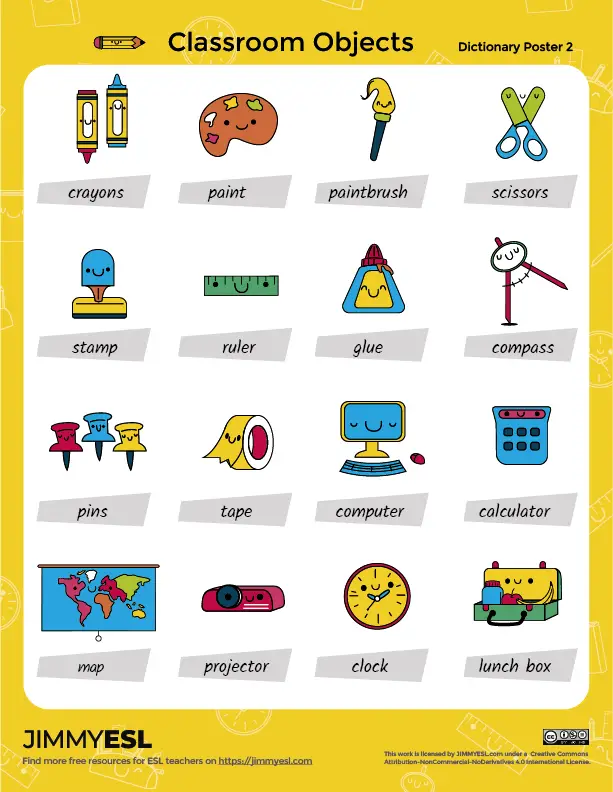
    Activities

    • Telling a Story
    • Commenting on YouTube
    • Expressing Frustrations or Complaining
    • Talking About Lifestyle & Daily Routines

    The reason this topic works so well in Business ESL lessons is that it reaches such a wide spectrum of people.
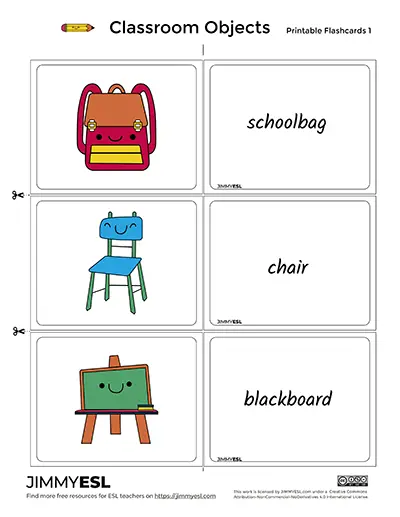
    Everyone who has a job as an employee in a company, a school, a factory, etc has a unique situation. All Business English students usually have a lot to say about their experience commuting (or home office if they have that privilege!).
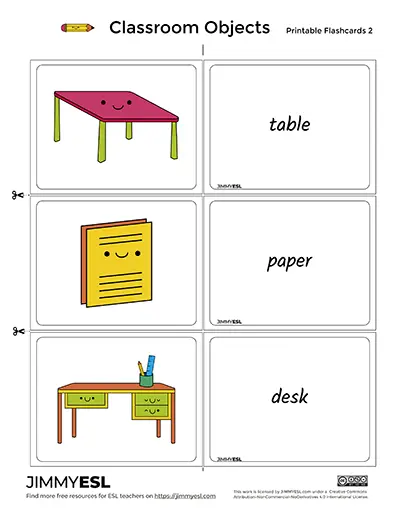
    Activity: Telling a Story

    Students work in pairs.

    Student A: This student imagines that he/she spends a lot of time commuting and is very pessimistic about the situation.

    This student believes that they have the worst commute in the world. Describe the situation in detail. The student should complain about it as much as possible and why they hate it so much.

    They should take notes on:

    • Where you live
    • Your daily routine
    • Where you go to work
    • What’s so bad about the commute / What are the conditions of the commute
    • How commuting makes you feel

    The student then has to tell one negative story that they have had during their commute.

    Student B: This student imagines that they spend a lot of time commuting but is very optimistic about the situation.

    This student loves the situation that they have. They should discuss and explain in detail why they have the best commute in the world, talk about it as much as possible and why they enjoy it.

    Also, they take notes on:

    • Where you live
    • Your daily routine
    • Where you go to work
    • What’s so bad about the commute / What are the conditions of the commute
    • How commuting makes you feel

    They tell one positive story that they’ve had during your commute.

    After the students write notes for their roles (give them a few minutes), have them describe their situations to their partner.

    They should listen to their partner’s situation carefully because they should then report the details of their partner’s situation back to the class!

    Activity: Commenting on YouTube

    At the beginning of the video, the reporter complains about her long daily routine and commute, and then she says to the audience:

    “Before you go and post that comment telling me to ‘move closer’, you need to see that I’m not the only person doing this.”

    In pairs, students should come up with a response that the following type of people would write or say to the reporter in the YouTube comments section, e.g:

    • What could be a rude response to that statement in the comment section of the video?
    • What could be an empathetic response to that statement in the comment section of the video?
    • What could be a funny response to that statement in the comment section of the video?

    Another activity you could do is give students some imaginary comments to that video, and then the students have to write responses to these imaginary comments. You can make it a speaking or writing activity.

    For example, here are a few possible comments to that video:

    Comment #1:

    “Americans are completely crazy and lazy. You drive these huge cars to work and in reality, you don’t need to. Look at the Netherlands and Denmark – they have very efficient bicycle transport systems and bicycles are much more environmental. It’s stupid to drive everywhere.”

    Comment #2:

    “The best solution to this problem is self-driving cars. Our tax money should go more to support the production of self-driving cars. That way when people commute they can do productive things.  The solution to public transit is getting better wifi connections on the subways and buses.”

    You can instruct one student to write a response which agrees with each comment, and the other student to write a response which disagrees with each comment, something along those lines.

    Activity: Expressing Frustrations & Complaining

    Put students in pairs, or in two groups. You’ll distribute to each student pair or group two cards which read:

    • A: Riding on public transport
    • B: Driving in a car

    Students must work together to come up with a list of all the things that frustrate them, annoy them, stress them out, or make them angry while (1) riding on public transport and (2) driving a car.

    The group which comes up with the most things in the time limit (3 minutes should be good) wins.

    This activity usually works really well because everyone gets angry, stressed, frustrated, etc. at some point while driving a car or riding public transportation.

    A lot of good vocabulary can also come out of this one. You can even teach a couple of fun phrasal verbs related to driving when you talk about this topic:

    • Cut (someone) off – “I hate when I’m driving and someone cuts me off and then I have to slam on my brakes.”
    • Pull (someone) over – “I hate when I’m driving only a little bit above the speed limit and a police officer pulls me over.”
    • Freak out – “I hate driving with my father. He always drives aggressively and freaks out about small things.”
    • Run over – “I hate when I run over a nail or a sharp object and my tire goes flat.”
    • Hold (someone) up – “I hate when traffic holds me up and makes me late for work.”

    You can use this activity for teaching students other terminology that is useful for expressing complaints or frustrations:

    • I get frustrated when…
    • I get all stressed out when…
    • It gets me so worked up when…
    • It pisses me off when…
    • I totally freak out when…
    • I lose my mind when…
    • It drives me nuts when…

    Have students then use these expressions to talk about their frustrations commuting or about their job in general.

    Activity: Talking About Lifestyle, Commuting, and Employment Situations

    Spending hours commuting and then hours at the office has become so integrated into the modern working world that it can have quite a profound impact on our quality of life and lifestyle, which is why it’s good to talk about in a language lesson.

    Here’s an activity you can do that will give your students a good opportunity to talk about their lifestyle, commute, and employment situation.

    It’s also simple, easy to prepare, and generates quality conversation.

    Print a number of statements on cards and give them to the students or write them on the whiteboard in class.

    Put students in pairs or groups. Have them discuss if they think the following statements are generally true or false and why:

    • People are generally happier if they travel to work by car instead of public transportation.
    • In the USA, people generally commute to work or school by train or bus.
    • 10 days of paid vacation per year is fair from an employer.
    • Regular exercise helps people deal with stress from work.
    • People are more productive if they have a 4-day working week instead of 5.

    Put students in pairs or groups. Have them discuss if the following statements are true or false for them personally and have them explain why:

    • There is a positive working atmosphere at my job.
    • I am satisfied with my work-life balance.
    • Every day I eat a balanced and healthy breakfast before work.
    • When I commute to work I try to be productive on the way.
    • I prefer working from home rather than going to an office.
    • I spend too much time at work socializing with my colleagues.

    Speaking about daily routines is also a great activity if you’d like to focus on the present simple as a grammar point for your lesson.

    Topic: Big Business (Amazon, Coca-Cola, Netflix, etc.)

    Using big companies and corporations as a topic in your Business English lessons is practical for obvious reasons and you can make it fun too for your students.

    It’s especially great to use big business as a topic if you actually have adult students who work in big companies, but they’re also applicable topics for students who have their own business or who work in smaller companies.

    Activities

    • History & Fun Facts
    • Developing a Product
    • Making Slogans
    • Analyzing the Impact of Technology on Jobs

    Activity: History & Fun Facts About Big Companies

    As a lead-in or warm-up exercise to a lesson about big business, you can search and find some fun or interesting facts or history about the companies.

    One quick activity you could do to lead to a topic is a simple fill-in-the-blank that looks something like this:


    Amazon

    Below are 5 interesting facts about Amazon. Let the students fill in the blanks with words that they think fit.

    1. The founder Jeff Bazos wanted to name the company Amazon which has products from ‘A to Z’ symbolizing a large size, just like the Amazon ________________________ .
    2. Amazon.com started as a bookstore in Jeff Bazos’ ________________________ .
    3. The combined ________________________ of Amazon’s warehouses is enough to hold more water than 10,000 Olympic pools.
    4. Today Amazon has more than 350,000 ________________________ .
    5. One of Amazon’s first offices had a ________________________ which employees would  ring every time a sale was made.

    Coca-Cola

    Below are 5 interesting facts about Coca-Cola. Fill in the blanks with words that you think fit.

    1. The Coca-Cola ________________________ is recognized by 94% of the world’s population.
    2. The word “cola” is derived from the kola ________________________ , which contains caffeine and can have medicinal value.
    3. Coca-Cola can be a good ________________________ for insect bites on your skin.
    4. Coca-Cola spends more money on ________________________ than Microsoft and Apple combined.
    5. A few people once tried to sell the Coca-Cola ________________________ to Pepsi, but they were reported to the FBI.

    A fun activity you can follow up with this one is instruct students to research any big business they have in mind and search for some fun facts about that company or the story behind how it started.

    If they can’t think of one, you can give them a list of the biggest or most well-known companies in the world.

    Have them give a few-minute presentation in the following lesson about the start or history of the company and a few fun facts about it. This is also good for developing presentation skills for adults in English.

    They can use the questions below to help them give their presentation:

    • Who started the company and when? How did the idea originate?
    • What were some important moments in the company’s history?
    • What are some of the company’s most successful products or services? Describe them in detail.
    • What’s special or different about this company compared to the competitors?
    • What are some fun facts about your company?

    Activity: Developing a Product

    Amazon launched a prototype store called ‘Amazon Go’ in December of 2017 – it’s a type of grocery store where you can go shopping and add things to your virtual cart so that you don’t have to wait in line or check out.

    You add the products to your shopping cart and you can just leave the store, and Amazon will automatically charge your account.

    They have developed other types of products and services over the years that have been successful, such as the Amazon Kindle (E-Reader) and Amazon Echo (voice-controlled smart speaker/personal assistant).

    In this activity, what you do is have students work together on product development for Amazon or for another big company.

    Students work with a partner or group. They imagine to be product developers for Amazon and create two of their own products, or services provided and sold by Amazon.

    They should discuss and create names for the products or services, which industry the products or services are in, and then write a description for each explaining how it works, what problem it solves, what’s so special about it, as well as what problems they have experienced in the development.

    It can be a special kind of mobile app, tech gadget, clothing item, or something else.

    Of course, it doesn’t necessarily have to be from Amazon. You can have students choose another company.

    One way you could get your students to come up with a good idea is instruct them to think of some brands that they generally buy, and then brainstorm what products they think would be cool to have from those brands.

    Or you can have them think of some problems or frustrations they have in their daily life and what product or service would solve those problems for them. In the case of Amazon Go, the problem was that people hate waiting in lines at supermarkets.

    Remind students that it doesn’t have to be realistic, it can be something imaginary.

    Most of your students who will do this activity probably haven’t developed a product before. Keep it basic, simple, and fun, and it should go ok.

    You just want students to be creative and work together to make something special.

    One time I had a group who made a personal assistant who did all of his presentations for him because he hated public speaking, which I thought was pretty funny.

    Students should then present their new product to the other students or groups.

    Activity: Making Slogans

    This is a straightforward activity and easy to assign and it works great with any student who is in marketing. Students also tend to have fun with it.

    Basically, all you need to do is assign students to make a slogan for whatever company or brand you’re discussing.

    One thing I’ve done to make it interesting and add a little twist to it is to have students make a list of good and bad slogans for one company.

    That one has definitely brought a couple laughs to the lesson, especially for the bad slogans.

    Here are a few examples I’ve gotten from students for bad company slogans for Coca-Cola:

    • “Feed your sugar addiction.”
    • “Put on the big pounds.”
    • “Teeth are overrated.”

    Anyway, give them some examples of some real slogans that have already existed for the brand before they make their own.

    A few actual ones for Coca-Cola are:

    • “Open Happiness”
    • “Life Tastes Good.”
    • “Taste the Feeling.”

    The advantage of having students make their own slogan or quote is that it lets student use creativity. When students have to think creatively, they’re forced to use important vocabulary terms and language structures in a special kind of way.

    In any case, have your students share and present their slogans and quotes to the other students in the class.

    Another great type of ESL group activities are information gap activities. Get 10 ideas here.

    Activity: Analyzing the Impact of Technology on Jobs

    Another great theme and activity that comes from a discussion about companies like Amazon, is analyzing the impact of technology on jobs.

    That’s one big criticism of concepts like Amazon Go that I’ve discussed with my students. The more jobs that robots do for us, the more jobs they take away from humans (Amazon Go takes jobs away from cashiers).

    One activity you could do on this is to have students brainstorm and come up with two more jobs, companies, or businesses that have been taken over or lost to technological advances.

    Students should specify the name or type of the technology, which industry it is in, and three general impacts of this technology (can be positive or negative impacts).

    Two examples I remember hearing from students was about VHS and video rental stores being lost to online streaming services like Netflix, and driving jobs being lost to self-driving cars.


    Technology: Online streaming

    Industry: Entertainment

    Impacts:

    • It put VHS video rental stores out of business
    • It makes people lazier because they don’t go to the video store anymore
    • Illegal online pirating of films and TV becomes easier

    Technology: Self-driving cars

    Industry: Automotive

    Impacts:

    • Less need for delivery drivers, truckers, and taxis
    • Fewer accidents on the road because machines are more precise than humans
    • People can focus on other things in the car if they don’t have to concentrate on driving

    You can give these examples to your students if they don’t think of them.

    You can also give students the task of coming up with two jobs where it could be very difficult for technology to take over. Which jobs do you think technology couldn’t do in the future? Students should specify why it would be difficult to take over these jobs using this technology.

    Topic: Artificial Intelligence and Future Technology

    Doing an ESL lesson activity about the impact of technology on jobs leads us to the next point: Artificial intelligence and future technology, which has its feet in many industries and certainly draws interest from Business English students.

    Activities

    • Interview With a Humanoid Robot
    • Making a Sci-Fi Film Plot
    • Forming Opinions

    This topic works especially great with Business English lessons in the IT or programming industry, but also in general for any businessmen or women who use technology regularly for their jobs.

    This is an especially engaging Business English topic for a few reasons – it can get a little dark (a humanoid robot which can communicate freaks people out a bit!) and it’s also relevant – artificial intelligence and machine learning is making its way into a lot of industries, products, and software these days.

    It’s interesting when the stuff that used to be sci-fi stuff turns into reality, and that’s what you want to focus on in your Business English lessons.

    Activity: Interview With a Humanoid Robot

    Watch the video about Sophia the robot with your students.

    Basically, what students do is make an interview with her.

    Sophia the robot makes for a great English lesson, period. Students are usually quite intrigued by “her” and there are so many different directions you can take this lesson.

    After watching the video, instruct each student to create and write five extra questions that they would want to ask Sophia. (Questions which are not in the video interview).

    After they are finished making their questions, they ask their partner the questions they made. Students then answer their partner’s questions from the perspective of Sophia the robot.

    Here are some words or topics students could either use in their questions or use just as general topics to help them make their questions:

    • Humanity
    • Evolution
    • The Future
    • Technology
    • Ethics

    After a student answers each question, their partner should try to ask a follow-up question or two – a question you ask on the spot based on the answer you get.

    Explain the concept of a follow-up question to your students and show them examples:

    Original question: “What emotions do you feel?”

    Answer: “I feel curious.”

    Follow-up question: “Why do you feel curious?”

    Answer: “I feel curious because I want to know why I was created and why I’m different than normal humans.”

    Follow up question: “Can you imagine why you were created?”

    Having students ask follow-up questions is great practice for developing interview and conversational skills because they have to think on their feet without time to prepare.

    Activity: Making a Sci-Fi Film Plot

    Watch the sci-fi short film about ‘Sight Systems’ which forecasts the evolution of ‘Google Glasses’ and Virtual Reality (which are also great topics to discuss in your Business English lessons).

    After you watch the video with your students, a fun activity you could have your students do is to imagine that they are directors creating the next scenes to the short film they just watched about Sight Systems.

    They should work in pairs and discuss and write what the next five scenes will be. Have them describe the scenes in detail and explain what happens in each scene.

    Students then share what they came up with the other students in the class.

    After this, put the students back together and they should come up with a short plot for a similar type of short film that they saw.

    The plot must focus on the dangers of future technology. Alternatively, you could give them the option of creating a movie plot focusing on the bright sides of technology.

    Activity: Forming Opinions and Interview Quotes

    This activity can actually be applied to a range of different topics.

    Put the students in pairs and have them imagine to be speaking from the perspective of the following companies or people.

    Students have to make an opinion from the standpoint of each company or person.

    Companies

    • Gas Company
    • Electric Car Company
    • Solar Panel Company

    People

    • Environmental Activist
    • Auto Technician
    • Politician
    • Economist
    • Car Consumer

    For the people above, you could have students imagine they were interviewed about their thoughts on electric charging highways.

    What do they think about electric highways? Do they support or oppose them? Let them explain their opinion.

    Then they have to agree on what would be the most important quote or statement from that interview.

    Give students some useful phrases for expressing opinions to help them make their opinions or quotes, which are at least three sentences long and they explain their opinion.

    You could give students an ideal example quote from an interview with an Environmental Activist:

    “In the long-term, electric charging highways will be a great solution for decreasing pollution because it promotes the consumption and usage of electric vehicles, which are much better for the environment than gas-powered vehicles. However, in the short-term, electric charging highways could produce a negative impact on the environment because of the intense construction work that will be needed to create these highways all across the country. Therefore, I see a positive long-term effect and a negative short-term effect.”

    You want your students to form something similar for each of the roles, then students should present the opinions or quotes they made together to the rest of the class.

    Topic: Music

    Doing ESL lesson activities about music is fun and there’s a lot of different directions you can take this topic in a lesson.

    Music is also a big business with all of the jobs in music production, sound technology, festivals, online streaming services like Spotify, and these days even vinyl is making a comeback.

    Activities

    • Organizing an Event
    • Making a Business Plan
    • Giving a Presentation

    This topic works especially great with Business English lessons in the music industry, but also in general for any businessmen or women who use are interested in music.

    This is an especially engaging Business English topic for a few reasons – people love music and it’s a big part of life for many people.

    Activity: Organizing an Event

    Have students work with a partner. They should imagine they are event organizers and are planning a festival concept for next summer.
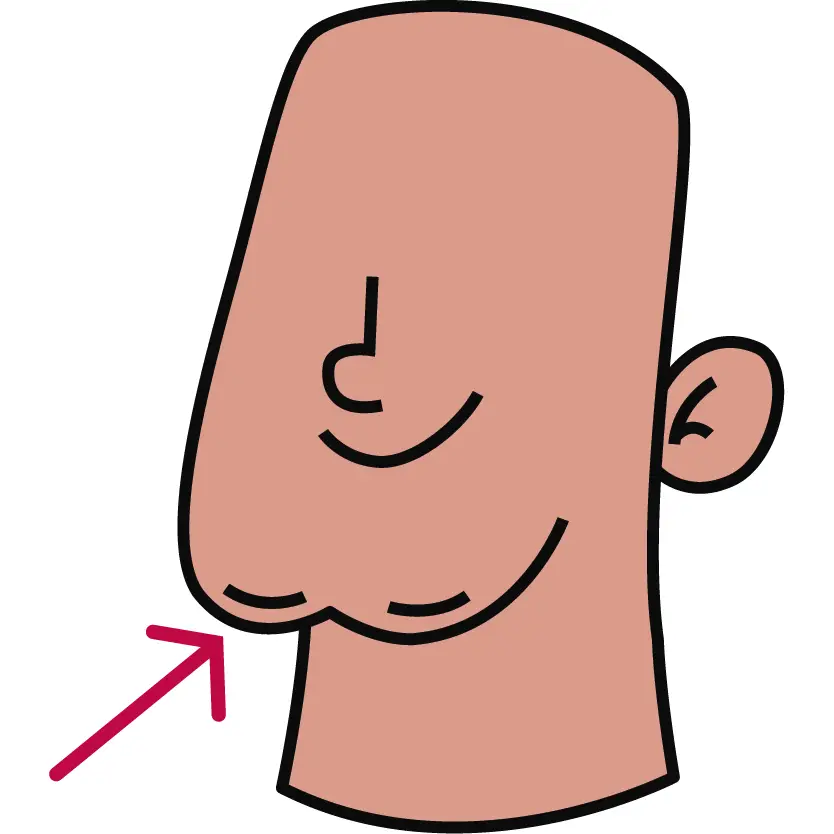
    They want to make it even better than the Belgian festival “Tomorrowland” and the most luxurious festival in the world.

    What luxuries will there be? What special things can be added, implemented, planned, organized, or done in order to create a better festival experience for the guests?

    Students should discuss these points together. They can use the discussion questions below to help them:

    • What special luxuries, things, offers, products, facilities, and features you will provide?
    • What will be different about the campsite? How will you make it better than Dreamville?
    • Describe the atmosphere. What’s unique about the stages and performances?
    • Describe the security concept. How will you make the event safe and what are the policies?

    Students should then give a presentation about their festival concept to the other groups and describe in as much detail as possible what the festival will be like.

    After hearing from the other groups, students can discuss which festival concept was the best and why and give advice about what might help their festival to be better.

    Activity: Making a Business Plan

    Students work together with a partner or group. They imagine that they are opening a vinyl store in their town. They must make a business plan and a to-do list.

    Watch the video “Czech businessman leads vinyl revival” here.

    They can answer these questions in their business plan:

    1. What is the name of your vinyl shop?
    2. Other than vinyls, what will you need to get started?
    3. How will your vinyl shop stand out from the competition?
    4. Describe what kind of theme or atmosphere the shop would have. How would you decorate the shop/front window?
    5. Describe your ideal kind of customer or target market.
    6. Describe your ideal kind of employee or shop assistant.
    7. What could be some clever ways to advertise your shop?
    8. What will be the biggest challenges of opening the shop?

    Students can then present their business plan to the other students in the class.

    Activity: Giving a Presentation

    Students work with a partner or group. They imagine they are giving a presentation to a group of vinyl fanatics.

    They should choose from one of the topics below they’d like to do a presentation about, or they can also make their own topic.

    They should prepare and give a one-minute presentation to the other groups on their chosen topic.

    Even if they don’t know much about the topic, you can just instruct them to be as creative as possible and come up with some interesting things to talk about.

    Here are the topics they can choose from:

    • How to create a sustainable future for vinyl
    • The guide to shopping for and listening to vinyl like a pro
    • The future of music
    • Why the age of vinyl in the 70s beats today’s digital age
    • The steps to starting up a successful vinyl shop

    You can have students do research on the internet if they have access.

    You can also give students the choice to also come up with their own idea for a presentation, anything in the music sector. It doesn’t have to be specifically related to vinyls.

    The most important thing is that students have a structure for their presentation, have researched important information about it, and teach the class something interesting.

    You can also have students include one of each of the following things in their presentation:

    • A problem (Music has become too digital in modern ages.)
    • A statistic or fact (Over 7.6 million vinyls were sold in the US in 2018.)
    • An opinion (We believe that vinyls will continue to be popular for years.)
    • A quote (Zdenek Pelc said, “If people like something, they need something touchable.”)

    Bonus Activity

    This one last bonus activity you could do will help your students develop the skills they need for business and professional reasons.

    Have them give a “show and tell” presentation or just simply talk about three gadgets, tools, products, services, etc they’ve bought in the recent past related to one of their personal interests.

    Have the students teach the class either how to use this product or service, how it works, why they bought it, what the features are, what problem it solves for them, etc.

    Here are some actual examples from my students, which you can show your students to give them an idea of what you’re looking for:

    • A new running watch
    • A subscription to Netflix
    • A Nintendo NES Classic Edition
    • A new bicycle helmet
    • A portable speaker

    Conclusion

    All of these activities referenced are meant to be engaging for your adult students in Business English lessons, but the most effective way to do them is with the full lesson plans via the links above.

    Watching the videos with your students should generate extra discussion and give you extra content to work with.

    Find more resources and ideas for your ESL lessons here.