Tag: materials_intermediate

  • ESL Writing Exercise: Creating Complex Sentences: Las Vegas (Intermediate-Advanced)

    ESL Writing Exercise: Creating Complex Sentences: Las Vegas (Intermediate-Advanced)

    Exercise to practice writing for ESL teachers and students. (Free download available here.)

    Writing Practice

    Change the simple sentences to one complex sentence. Then create one paragraph. Use conjunctions, adjective clauses, noun clauses, etc. when appropriate. Do not repeat words. Use gerunds when possible, or change the words in order to use gerunds.

    1. Las Vegas is in Nevada. It is in the western part of the United States.
    2. It is a popular city. It is visited by millions of people every year. These people are eager to gamble their hard-earned money.
    3. The population of the Las Vegas Metropolitan area is around 2.5 million people. The population continues to grow. People usually think Las Vegas is a smaller city.
    4. Most people are not born in Las Vegas. Most Las Vegas residents come from other states.
    5. Las Vegas residents enjoy many activities. They like to go to bars, clubs and shopping malls. Some people also like to hike in the surrounding desert.
    6. People from Las Vegas are crazy. They should be avoided at all times.
  • ESL Everyday Idioms Vocabulary Exercises (Intermediate-Advanced) (PDF)

    ESL Everyday Idioms Vocabulary Exercises (Intermediate-Advanced) (PDF)

    General Idioms Worksheet 2

    Exercises to learn useful everyday idioms in the English language, for ESL lessons.

    Exercise A: Find the Meaning

    Dialogue 1

    Read the following dialogue:

    Kevin: I can make it. I’m out to win!

    Ella: You’ll make it Kevin. Just put your best foot forward in all you do.

    Kevin: I certainly try. I know life has its ups and downs and hard times to get through, but it’s important to make best of every situation.

    Ella: That’s right. And if a plan falls through, we have to try and try again.

    Kevin: I don’t give up, Ella, you know that. I’m determined to make out well.

    Ella: Why not? Just be on your toes and keep your eyes open. There are opportunities everywhere. You only have to search out and take advantage of them whenever possible.

    Kevin: Well, Ella, like you, I’m go-getter, so I’m sure to make it!

    Ella: With your confidence and optimism, you will. You’ve already come a long way.

    Figure out and write the meaning of the idioms provided below:

    1. Out to win:

    ________________________________________________________________

    1. To put one’s best foot forward:

    ________________________________________________________________

    1. Ups and downs:

    ________________________________________________________________

    1. To make the best of:

    ________________________________________________________________

    1. To fall through:

    ________________________________________________________________

    1. To give up:

    ________________________________________________________________

    1. On one’s toes

    ________________________________________________________________

    1. To keep one’s eyes open:

    ________________________________________________________________

    1. To search out:

    ________________________________________________________________

    1. To take advantage:

    ________________________________________________________________

    1. Go-getter:

    ________________________________________________________________

    1. To come a long way:

    ________________________________________________________________

    Dialogue 2

    Read the following dialogue:

    Aldi: I can’t wait to get going with my new classes at Stanford.

    Njel: Neither can I. Which classes did you sign up for? I signed up for Biochemical.

    Aldi: I signed up for that, too, and also for a computer technology course.

    Njel: Do you think you can handle two courses at the same time?

    Aldi: I hope so. I want to make out well in spite of language barrier.

    Njel: Then, you’ll just have to put your best foot forward, and give it all you’ve got.

    Aldi: That’s right. I want to keep up with the class. I certainly don’t want to fall behind the others.

    Njel: Oh, you’ll keep up if you pay attention to the instructors, take notes, and burn the midnight oil.

    Aldi: I guess so, but we’ll both have to get used to studying.

    Njel: Well, with perseverance and determination, I’m sure we’ll have it made.

    Aldi: I think so. I have set my sights on a bright future. We both will definitely out to win.

    Njel: Yeah … a bright future for us. Education is the key. 

    Figure out and write the meaning of the idioms provided below:

    1. To get going:

    ________________________________________________________________

    1. At the same time:

    ________________________________________________________________

    1. In spite of:

    ________________________________________________________________

    1. To give something all one’s got:

    ________________________________________________________________

    1. To keep up:

    ________________________________________________________________

    1. To fall behind:

    ________________________________________________________________

    1. To take notes:

    ________________________________________________________________

    1. To burn the midnight oil:

    ________________________________________________________________

    1. To have it made:

    ________________________________________________________________

    1. To set one’s sights on:

    ________________________________________________________________

    Exercise B: Select the Correct Answer

    Read the sentences and choose the answer that has the closest meaning to the bold-marked phrase.

    That movie was nothing to write home about. The ending left a lot to be desired.

    a. amazing
    b. terrible
    c. nothing special
    d. nothing I could understand

    a. was interesting
    b. was unsatisfying
    c. was stupid
    d. was what I wanted

    Why are you talking about politics? We’re discussing our relationship. What you are saying has no bearing on this conversation.

    a. is similar to
    b. isn’t interesting to us in
    c. has information useful for
    d. is completely unrelated to

    I saw her cheating on the test, but I didn’t say anything to the teacher, and she got away with it. She got an A and I got a C. I should have said something!

    a. did very well on
    b. did something bad and wasn’t punished for
    c. did badly on
    d. was happy about

    Jennifer says that Lou quit his job and moved to Italy, but as far as I know, he’s still working for General Motors in Detroit.

    a. I don’t think
    b. I’m sure
    c. the information I have is
    d. it’s possible

    Many people didn’t like Inception because they didn’t understand it. As far as I’m concerned, however, it was a fascinating movie.

    a. for everybody
    b. for me
    c. because of that
    d. I’m worried that

    When our kids lose a tooth, they put it under their pillow and during the night we take it and put money in its place. As far as the kids are concerned, it’s the Tooth Fairy.

    a. the kids believe is
    b. what we say to the kids is
    c. we think
    d. the kids don’t think that

    From my standpoint, Obama is a much better president than Romney would be, but from your point of view, Romney would do better with the economy. This is a bone of contention between us. How can I get through to you that you should vote for Obama? All of Romney’s plans and explanations don’t hold water.

    a. What I think is
    b. It’s a fact that
    c. I don’t believe
    d. When I stand up

    a. in your opinion
    b. you don’t think
    c. it’s crazy to say
    d. the point of this conversation is

    a. a problem for the country
    b. nothing to argue about
    c. something we can agree on
    d. something we disagree about

    a. surprise you
    b. convince you
    c. fight you
    d. tell you

    a. are great
    b. are terrible
    c. don’t make sense
    d. don’t work in the rain

    Look, I was only fifteen minutes late. We can still see the movie. We’re only going to miss the previews, so we’ll still get our money’s worth. Don’t blow this out of proportion. It’s not the end of the world. When you get upset about something small, you really drive me up the wall.

    a. get our money back
    b. get a good value for our money
    c. spend a lot of money
    d. work hard

    a. make a mistake
    b. explode
    c. exaggerate
    d. make an excuse

    a. make me crazy
    b. make me happy
    c. take me home
    d. drive your car

  • ESL Vocabulary Worksheet: Food Idioms (Intermediate-Advanced) (PDF)

    ESL Vocabulary Worksheet: Food Idioms (Intermediate-Advanced) (PDF)

    Food Idioms and Vocabulary Worksheet

    Free Food Idioms & Vocabulary Worksheet for ESL teachers and students, to learn idioms or prepare ESL lesson plans.

    Idioms & Vocabulary List

    to grab a bite to eat (i)
    to go out to eat
    Do you want to grab a bite to eat before we see the movie?

    it’s on someone (i)
    paying for a meal/movie etc. for someone else
    Don’t worry about paying for dinner. It’s on me.

    to treat someone (i)
    to pay for a meal/movie etc. for someone else
    You don’t need to bring any money with you tonight. I’ll treat you.

    to go Dutch (i)
    to split the cost of a meal
    We’ve been dating for a long time, so we usually go Dutch.

    to cover someone’s half (i)
    to pay for someone
    I still owe you 20 dollars, so I’ll cover your half and we’ll be even.

    whatever one’s heart desires (i)
    anything you want
    His parents are so rich that he can have whatever his heart desires.

    to be starving / famished (i)
    to be really hungry
    I need to eat something. I’m starving.

    to be so hungry one could eat a horse (i)
    to be really hungry
    I haven’t had time to eat yet. I’m so hungry I could eat a horse.

    to pig out (i)
    to eat too much
    If you keep pigging out all the time, you are going to get really fat.

    an appetizer (n)
    food before the main course
    Do you want to share the calamari for an appetizer?

    an entree (n)
    main course
    Pasta is my favorite entree.

    the house specialty (n)
    the dish a restaurant specializes in
    Their chef is from Japan, so the house specialty is Ahi Tuna.

    to be out of this world (i)
    to be really amazing.
    This chocolate cake is out of this world.

    to be mouth watering (i)
    to be really delicious
    Wow! Whatever you are cooking smells mouth watering.

    to start (v)
    as an appetizer
    Do you want to share the nachos to start?

    to wash something down (i)
    to drink something to help you swallow food; to drink a lot while eating
    I need another beer to wash down all the hamburgers I ate.

    to be tasty (adj)
    to be delicious
    The soup that you made for dinner was really tasty.

    one’s eyes are bigger than one’s stomach (i)
    an expression used when somebody wants more food than they can eat
    You can’t eat all that. I think your eyes are bigger than your stomach.

    to skip a meal (i)
    to miss a meal
    I skipped breakfast today, so I’m really hungry.

    a doggie bag (i)
    the bag that leftovers from a restaurant meal are put in, so you can take the food home with you
    I couldn’t finish my meal, so I took it home in a doggie bag.

    leftovers (n)
    food from a previous meal that you eat later
    We are having leftovers for dinner tonight.

    Dialogue Exercise

    Mike: Thanks for inviting me out today. I was feeling kind of sad. There’s nothing better than grabbing a bite to eat with a good friend to make you feel better.

    Shaun: No problem. It’s for your birthday, so it’s on me.

    Mike: Oh, I thought no one remembered, but you don’t have to treat me. We can go Dutch. Don’t feel you have to cover my half just because it’s my birthday.

    Shaun: Forget about it. I’ve got it covered. Order whatever your heart desires.

    Mike: Great, because I’m starving. I’m so hungry I could eat a horse. It’s time to pig out. Do you know what you’re going to have?

    Shaun: I’m going to have the shrimp cocktail for an appetizer, and a medium-rare steak for my entree. It’s the house specialty, and I hear it’s out of this world.

    Mike: Wow! There are a lot of mouth watering choices on this menu. Let’s see. I think I’ll go with the caviar to start and the seafood platter for two as my main course. Like I said, I’m famished.

    Shaun: Man, it’s going to be pretty hard to eat all that.

    Mike: You’re right. It would be pretty hard to eat all that without something to drink. I think I’ll order a bottle of their finest wine to wash down all that tasty food.

    Shaun: I think your eyes might be bigger than your stomach.

    Mike: Yeah, I might have to skip breakfast tomorrow. But I can always take a doggie bag, so I can have leftovers for lunch and dinner tomorrow.

    Shaun: Well, I might have to skip a few meals after paying this bill.

    Match the Words Exercise

    What comes next:  Match the first person’s comment (1-9) to the right response (a-i)

    1. Where do you want to go for lunch?

    2. I’m totally starving. 

    3. Do you want to go for drinks after work? It’s on me.

    4. I have never been so full in my life. 

    5. What are you going to have for your entree?

    6. Are you going to get anything to start?

    7. Do you think we should get a doggie bag? 

    8. Would you like something to wash down your meal with?

    9. How are things going with your new boyfriend?

    A) I’m not surprised. You totally pigged out. I think your eyes were bigger than your stomach, although your stomach looks pretty big right now.

    B) I think I’m going to give the house specialty a try.

    C) I don’t think so. If I have an appetizer, I probably won’t be able to finish my main course.

    D) No. I don’t like leftovers.

    E) Sounds like a good idea, but you are always treating me. This time I’m going to treat you and cover your half.

    F) I’m not so sure about him. You know last night we went out for dinner for our one-month anniversary. He told me to order whatever my heart desired, but when the bill came he wanted to go Dutch.

    G) Yes. I’ll have a large orange juice.

    H) How about we grab a bite to eat at that new cafe around the corner. I hear their sandwiches are out of this world.

    I) Me too. I’m famished. I’m so hungry that I could eat a horse.

    Discussion

    1. When do you usually pig out?
    2. What is a dish that you think is out of this world?
    3. Do you ever skip meals? Which ones?
    4. Do people in your country take home doggie bags? Why or why not?
    5. Have your eyes ever been bigger than your stomach?
    6. What is the house specialty at your favorite restaurant?

  • ESL Vocabulary Worksheet: Idioms & Slang (Intermediate-Advanced) (PDF)

    ESL Vocabulary Worksheet: Idioms & Slang (Intermediate-Advanced) (PDF)

    Idioms and slang worksheet

    Free worksheet for ESL teachers and students, to learn idioms and slangs or prepare ESL lesson plans.

    Idioms and Slang: What does that mean?

    Idioms and slang are special words and language used within a culture or group of people.

    An idiom is an expression which has a meaning different from the meaning of its individual words.  We call this type of language figurative.  The opposite of this word is literal language.  Look at these examples:

    Break a leg! Figurative meaning: good luck on your performance (for an actor)

    I’m feeling under the weather. Figurative meaning: I’m feeling tired and sick

    If you think about the literal meaning of these expressions, they might sound funny.  English speakers use many idioms (idiomatic expressions) in their everyday speech. 

    Slang is like an idiom, but it is usually used by a group of people, for example: text message slang or California slang.  Slang words are more often used by teenagers and young people.  Here are two examples.

    Example 1:            I have five bucks. (Dollars)

    Example 2:            I aced my test! (Got a good grade, did well)

    These sentences use idioms and slang.  What do these words mean?  Rewrite the sentences without slang. 

    1. I flunked my test and got Grade F. 

    ________________________________________________________________

    2. Do you know that dude’s name ? 

    ________________________________________________________________

    3. The stores are open 24/7 so you can buy stuff whenever you want. 

    ________________________________________________________________

    4. Do I know Jim? Of course, I do. We’ve been pals for years. 

    ________________________________________________________________

    5. I need some bread to pay for my house. 

    ________________________________________________________________

    6. My neighbor is a pain in the neck. 

    ________________________________________________________________

    7. Don’t forget to bring two bottles of booze to the party. 

    ________________________________________________________________

    8. Would you like your scotch on the rocks? 

    ________________________________________________________________

    9. It takes a lot of guts to jump out of an airplane, even with a parachute. 

    ________________________________________________________________

    10. I know zilch about computers. I never use them. 

    ________________________________________________________________

    Idioms and Slang Discussion

    In pairs, ask and answer these questions:

    • Do people in your home country use idioms or slang? Do the young people use a lot of slang? What is one of the common idioms or slang words used in your native language? What does it mean literally? 
    • In your home country do some groups of people use slang more than others? (An age group? An economic group? A social group?) Do you know something about people just by listening to the way they talk?
    • In America where do you hear the most slang and idioms used? When is it most difficult for you to understand English? (Conversations, TV shows, news, telephone, business, etc.)
    • Have you heard any strange slang words or idioms lately? Do you know what they mean? Talk with a partner.
    • In English, we have animal and/or food words in many of our idioms and slang. Is it the same in your native language? If not, what is a common topic in your idioms and slang?

    American Expressions

    Here are some common American expressions. What do they mean? 

    It costs an arm and a leg.

    I am so hungry I could eat a horse.

    She let the cat out of the bag.

    He is a couch potato.

    I am going to catch some z’s.

    She spilled the beans.

    Don’t look a gift horse in the mouth.

    His bark is worse than his bite.

    She wears her heart on her sleeve.

    He is really cool.

    She is a backseat driver

    I bent over backwards to help them.

    Cross your fingers!

    Those children drive me up the wall.

    That was the icing on the cake.

    I’m on the fence about it.

    She made the cake from scratch.

    With your partner(s) write a dialogue using 5 of these idioms or slang words.

  • ESL Listening Comprehension Worksheet: Travel and Transportation (Intermediate)

    ESL Listening Comprehension Worksheet: Travel and Transportation (Intermediate)

    ESL Listening Comprehension Worksheet on Travel and Transport for Intermediate Students

    In this listening comprehension worksheet, you are going to listen to videos about travel and means of transport. The speakers will talk about getting around, public transport, driving, and air travel. (Free download available.)

    Think about how you usually get around and travel and what means of transport you use regularly. Answer the questions in Exercise A and Exercise B.

    Read the questions briefly before answering to make sure you understand them.

    Video link: https://www.youtube.com/watch?v=5WGDTOm3xRk

    A. Exercise one – Multiple Choice Questions

    Watch and choose the correct answer.

    1. What public transport does Speaker A usually use?
      1. metro, car, bicycle
      2. metro, tram, bus
      3. metro, bus
    2. How does Speaker B usually get around in the city?
      1. Speaker B cycles and takes the metro.
      2. Speaker B walks and drives a car.
      3. Speaker B cycles and walks.
    3. What does Speaker B think of cycling?
      1. It is fast but dangerous.
      2. It helps you not get stuck in traffic.
      3. It is faster than the metro.
    4. Why does Speaker A prefer the metro?
      1. Because she knows all the stops.
      2. Because it is superfast.
      3. Because she knows how long it will take.
    5. Why does Speaker B dislike the metro?
      1. Because it is too slow.
      2. Because it is always crowded.
      3. Because it is crowded during rush hour.

    B. Exercise two – Open-Cloze Questions

    Listen and fill in the blanks.

    Speaker A lives on the (1)______ metro line. If she wants to visit Speaker B, she can take that line and change to the blue line in the center for 2 stops or (2) ______ a bus. 

    The bus is a better option, so she will take Bus number 27 and get (3) ______ at October Square. The bus (4) ______ from the bus (5)  ______  that is right (6) ______ the subway station.

    The buses are very (7) ______ and Speaker A will wait no more than 10 minutes. It is Friday night and both buses and the subway run late, so she can return home later in the evening.

    C. Exercise three – Sentence Formation

    Write the correct numbers to make correct sentences.

    1The drive wassecond-hand.
    2The drive tookthey run on fuel. 
    3A hybrid car is great for long trips becausea bit slow but smooth.
    4Speaker A bought her carit is very efficient.
    5Bigger cars can be expensive becauseabout 4 hours.

    D. Exercise four – True or False?

    Listen and circle “T” for true, or “F” for false. Write the correct answers in the lines below (only for questions answered as false). 

    1. Speaker A and B need to sell their tickets.

    1. True
    2. False

    2. Direct flights are more expensive.

    1. True
    2. False

    3. The cheaper tickets have a 4-hour layover.

    1. True
    2. False

    4. Speaker A and Speaker B will not take any checked bags.

    1. True
    2. False

    5. The “Green Jet” airline doesn’t serve food or drinks.

    1. True
    2. False

    Answers:

    1.

    ________________________________________________________________________________________________________________________________

    2.

    ________________________________________________________________________________________________________________________________

    3.

    ________________________________________________________________________________________________________________________________

    4.

    ________________________________________________________________________________________________________________________________

    5.

    ________________________________________________________________________________________________________________________________

  • ESL Lesson Plan: Summer Activities (Intermediate) (PDF)

    ESL Lesson Plan: Summer Activities (Intermediate) (PDF)

    A lesson plan about summer to practice reading, writing, and vocabulary for intermediate ESL students. (Free download available in PDF and Word format.)

    Lesson Activities & Exercises: It’s Summertime!

    Look at the photo. Can you recognize the activities you see in the picture? What is your favorite summer activity? Discuss briefly with your class, then answer activities A, B and C.

    A. Activity: Vocabulary

    1.   Assign Words

    Put each word in the correct section (a, b, c, d)

    trip – snorkeling – cruise – windsurfing – climbing – hiking – sightseeing – quiet- camping kayak – sleeping bag – backpacking – sandcastle- journey – expensive – flip flops – sunbathing  bathing suit – voyage – sunblock – deck chair – excursion – crowded- surfboard – exciting  luggage – scuba diving – goggles – flippers – campfire – tour – noisy – tent – cycling – canoeing 

    a) Things to Do

    _______________________________________________________________

    _______________________________________________________________

    b) What It Is Like

    _______________________________________________________________

    _______________________________________________________________

    c) Things to Pack

    _______________________________________________________________

    _______________________________________________________________

    d) Types of Travel

    _______________________________________________________________

    _______________________________________________________________

    2.   Match words

    Match the words from exercise 1 to their meanings.

    1. a long journey by the sea or in space _________________
    2. visiting places like museums, bridges or monuments _________________
    3. a chair you can fold and carry _________________
    4. glasses that protect the eyes from dust or water _________________
    5. a place full of people _________________
    6. paddling a small boat _________________
    7. it protects your skin _________________
    8. bags that people carry when traveling _________________
    9. a journey to a place organized for a group _________________
    10. swimming deep into the sea _________________
    11. travel or hike wearing only a backpack _________________
    12. sitting or lying in the sun _________________

    B. Activity: Reading Comprehension

    Read Cloe’s email.

    Dear Marcus,

    Thank you for your email. It was nice to hear from you again! 
    I am always happy to read and know more about your life and your family in Belgium. You asked me to tell you about summer plans, so I will tell you what I’m going to do after school is finally over.

    First of all, I will spend more time outdoors with my friends, Katty, Tom, Garry, and Etta. We are planning to ride our bicycles during the day or have a picnic in the park near our school. Tom has a dog called Chip, so he will take it, and we’ll play with it. This year, I will also make movie nights at my place in the evenings. Each movie night, I or one of my friends will choose a film to watch, and the others bring snacks. I’m planning to play “Jumanji”. It’s a really cool adventure movie. Have you watched it?

    Also, my family and I are planning a vacation in Italy in August. My mother told me that we will go to a place called Costa Verde in Sardinia. I googled it and it looks absolutely beautiful. The beaches are sandy and long and the sea is clear and perfect for snorkeling and swimming. Snorkeling is one of my favorite beach activities because I collect shells from every beach that I visit. I have 105 pieces in my collection!

    Tell me about your summer plans and what do you like to do when you’re on holiday. Hope to hear from you soon! 

    Best,
    Chloe

    True or False?

    Are these sentences true or false? Write “T” for true, or “F” for false next to each sentence.

    1. Chloe is planning to walk Chip. ____
    2. Chloe’s family will go to Italy.  ____
    3. Marcus lives in Bejing.  ____
    4. Chloe’s summer plans start when school is finished. ____
    5. Chloe’s favorite beach sport is scuba diving.  ____
    6. Katty, Tom, Garry and Etta will bring snacks to Chloe’s.  ____
    7. “Jumanji” is a horror movie. ____
    8. Chloe’s a collector.  ____

    C. Activity: Writing

    Imagine that you are Marcus and you are writing a short email to reply Chloe. Tell her about your summer plans. (120-150 words)

    Download this worksheet in Word and PDF format (zipped).

  • ESL Reading Comprehension Worksheet: Raising Children (Intermediate-Advanced)

    ESL Reading Comprehension Worksheet: Raising Children (Intermediate-Advanced)

    Reading Comprehension for Advanced - Topic: Raising Children

    A worksheet about raising children to practice reading for advanced ESL students. (Free download available.)

    Bribing children to behave

    Some call it a treat, as when a child is promised dessert if she finishes her Brussels sprouts. Others call it a reward, such as purchasing a video game for doing well on a test. Whatever innocuous terminology the action may be dressed in, though, promises of desserts, toys, or favors are actually bribes. What’s worse, many parents readily admit to caving in to their kids, buying what previous generations simply demanded as appropriate behavior.

    Parenting experts agree that rewards have a time and a place. But some parents have gone overboard. They pay their children to brush their teeth, go to sleep at an appropriate time, or even score a few goals at a soccer tournament! Although it may achieve results in the short term, it can lead children to become adults with unrealistic expectations of how the world works. There grows a sense of “What are you going to give me?”

    In part, bribing our children to behave stems from the modern world, because past generations didn’t have as many material goods to offer their kids. Parents are now busier than ever before, too, with both mom and dad juggling careers and parenting duties. Frazzled, overworked, and overtired, many admit that they don’t want another power struggle. With each bribe, children up the ante. They demand more and more.

    Of course, it’s completely unrealistic to assume parents will never reward their children from time to time. The action should strike a balance and equal the reward, though. It should also be used sparingly. Parents instead should emphasize that it’s rewarding enough to do the thing. For example, going to bed early will ensure that you feel well rested tomorrow. If that doesn’t work, there’s nothing wrong with saying, “Because I said so!”

    I. Exercise one – Fill in the blanks

    1. Some call it a __________________________________.

                a. punishment

                b. reward

                c. trick

                d. treat

    2. Parents are now __________________________________ than ever before

                a. happier

                b. busier

                c. angrier

                d. content

    3 . __________________________________ instead should emphasize that it’s rewarding enough to do the thing

                a. Children

                b. Parents

                c. Adults

                d. Siblings

    II. Exercise two – Answer the questions

    1. What does innocuous mean?

    ________________________________________________________________

    2. What is a bribe?

    ________________________________________________________________

    3. Why do parents bribe their children?

    ________________________________________________________________

    4. What does frazzled mean?

    ________________________________________________________________

    5. What are some of the ways that parents bribe their children to behave?

    ________________________________________________________________

    III. Exercise three – Talk about yourself

    1. Do you think parents should bribe their children to behave?

    ____________________________________________________________________________

    ____________________________________________________________________________

    2. Were you ever bribed to behave well as a child?

    ____________________________________________________________________________

    ____________________________________________________________________________

    3. What do you think a good bribe should be for children?

    ____________________________________________________________________________

    ____________________________________________________________________________

  • ESL Reading Comprehension Worksheet: Dreams (Intermediate-Advanced)

    ESL Reading Comprehension Worksheet: Dreams (Intermediate-Advanced)

    Reading Comprehension for Advanced - Topic: Dreams

    A worksheet about the science of dreams to practice reading for advanced ESL students. (Free download available here.)

    Dreams

    People have been trying to discover the truth about dreams for centuries, and the simplest answer is this: dreams are basically stories and pictures our brains create when we’re asleep.

    Most dreams happen during the times of night when we are most deeply asleep, and our eyes begin to move around quickly under our eyelids. This may sound creepy, but it’s totally normal, and it’s called Rapid Eye Movement, or REM. Dream researchers used to think that REM was the only time people dream, but now most experts agree that we can dream at just about any time of the night. Maybe REM dreams are just our most memorable and realistic dreams.

    The experts disagree on just why we dream. Here are some of their theories:

    • Some say dreams don’t really have a purpose; they’re just one of those things that seem to happen for no reason.
    • Some say dreams are our brains “twitching.” Because our brains are basically huge collections of information, pictures, and feelings, when they “twitch” in the night, all kinds of strange things come out and get thrown into dreams.
    • Some say dreams are a way to process all the events and emotions of the day, and are important to our mental and physical health. It’s sort of like when you leave a computer on, it sometimes runs programs to clean up its hard drive. Our brains are always “on” even when we’re asleep, so dreaming could be a time for them to do their own version of cleaning up the “hard drive.”
    • Other experts say that dreams exist to solve specific problems in our lives. Let’s say you give a computer an incredibly complex math problem, and it has to take a few seconds before it comes up with the answer. This could be what dreaming is about, except instead of solving a big math problem, our sleeping brains are trying to solve emotional issues. The stories and images we experience as dreams are like way-out versions of our emotions, and our brains are working through those emotions.

    1. Blind People Dream

    People who become blind after birth can see images in their dreams. People who are born blind do not see any images, but have dreams equally vivid involving their other senses of sound, smell, touch and emotion. It is hard for a seeing person to imagine, but the body’s need for sleep is so strong that it is able to handle virtually all physical situations to make it happen.

    2. You Forget 90% of your Dreams

    Within 5 minutes of waking, half of your dreams are forgotten. Within 10, 90% is gone. The famous poet, Samuel Taylor Coleridge, woke one morning having had a fantastic dream (likely opium induced) – he put pen to paper and began to describe his “vision in a dream” in what has become one of English’s most famous poems: Kubla Khan.Curiously, Robert Louis Stevenson came up with the story of Doctor Jekyll and Mr. Hyde while he was dreaming. Mary Shelley’s Frankenstein was also created during a dream.

    3. Everybody Dreams 

    Every human being dreams (except in cases of extreme psychological disorder) but men and women have different dreams and different physical reactions. Men tend to dream more about other men, while women tend to dream equally about men and women. In addition, both men and women experience sexually related physical reactions to their dreams regardless of whether the dream is sexual in nature; males experience erections and females experience increased vaginal blood flow.

    4. Dreams Prevent Psychosis 

    In a recent sleep study, students who were awakened at the beginning of each dream, but still allowed their 8 hours of sleep, all experienced difficulty in concentration, irritability, hallucinations, and signs of psychosis after only 3 days. When finally allowed their REM sleep the student’s brains made up for lost time by greatly increasing the percentage of sleep spent in the REM stage. [Source]

    5. We Only Dream of What We Know

    Our dreams are frequently full of strangers who play out certain parts – did you know that your mind is not inventing those faces – they are real faces of real people that you have seen during your life but may not know or remember? The evil killer in your latest dream may be the guy who pumped petrol into your Dad’s car when you were just a little kid. We have all seen hundreds of thousands of faces throughout our lives, so we have an endless supply of characters for our brain to utilize during our dreams.

    6. Not Everyone Dreams in Color

    A full 12% of sighted people dream exclusively in black and white. The remaining number dream in full color. People also tend to have common themes in dreams, which are situations relating to school, being chased, running slowly/in place, sexual experiences, falling, arriving too late, a person now alive being dead, teeth falling out, flying, failing an examination, or a car accident. It is unknown whether the impact of a dream relating to violence or death is more emotionally charged for a person who dreams in color than one who dreams in black and white. [Source]

    7. Dreams are not about what they are about

    If you dream about some particular subject it is not often that the dream is about that. Dreams speak in a deeply symbolic language. The unconscious mind tries to compare your dream to something else, which is similar. It’s like writing a poem and saying that a group of ants were like machines that never stop. But you would never compare something to itself, for example: “That beautiful sunset was like a beautiful sunset”. So whatever symbol your dream picks on it is most unlikely to be a symbol for itself.

    8. Quitters have more vivid dreams 

    People who have smoked cigarettes for a long time who stop, have reported much more vivid dreams than they would normally experience. Additionally, according to the Journal of Abnormal Psychology: “Among 293 smokers abstinent for between 1 and 4 weeks, 33% reported having at least 1 dream about smoking. In most dreams, subjects caught themselves smoking and felt strong negative emotions, such as panic and guilt. Dreams about smoking were the result of tobacco withdrawal, as 97% of subjects did not have them while smoking. They were rated as more vivid than the usual dreams and were as common as most major tobacco withdrawal symptoms.” [Source]

    9. External Stimuli Invade our Dreams 

    This is called Dream Incorporation and it is the experience that most of us have had where a sound from reality is heard in our dream and incorporated in some way. A similar (though less external) example would be when you are physically thirsty and your mind incorporates that feeling into your dream. My own experience of this includes repeatedly drinking a large glass of water in the dream which satisfies me, only to find the thirst returning shortly after – this thirst… drink… thirst… loop often recurs until I wake up and have a real drink.

    10. You are paralyzed while you sleep

    Believe it or not, your body is virtually paralyzed during your sleep – most likely to prevent your body from acting out aspects of your dreams.

    Bonus: Extra Facts

    1. When you are snoring, you are not dreaming.

    2. Toddlers do not dream about themselves until around the age of 3. From the same age, children typically have many more nightmares than adults do until age 7 or 8.

    3. If you are awakened out of REM (Rapid Eye Movement) sleep, you are more likely to remember your dream in a more vivid way than you would if you woke from a full night sleep.

    I. Exercise one – Fill in the blanks

    1. People have been trying to discover the truth about dreams for __________________________________

                a. months

                b. years

                c. decades

                d. centuries

    2. People who become __________________________________ after birth can see images in their dreams.

                a. confused

                b. mute

                c. blind

                d. deaf

    3  When you are __________________________________, you are not dreaming.

                a. snoring

                b. laughing

                c. breathing

                d. crying

    II. Exercise two – Answer the questions

    1. Do blind people dream?

    ________________________________________________________________

    2. What is special about the dreams of “quitters”?

    ________________________________________________________________

    3. Are you dreaming when you snore?

    ________________________________________________________________

    4. What do toddlers dream about?

    ________________________________________________________________

    5. How many of our dreams do we forget?

    ________________________________________________________________

    III. Exercise three – Talk about yourself

    1. What do you usually dream about?

    ____________________________________________________________________________

    ____________________________________________________________________________

    2. Do you sleep well?

    ____________________________________________________________________________

    ____________________________________________________________________________

    3. Do you know anybody who snores?

    ____________________________________________________________________________

    ____________________________________________________________________________

  • ESL Reading Comprehension Worksheet: Studies (Intermediate) (PDF)

    ESL Reading Comprehension Worksheet: Studies (Intermediate) (PDF)

    Reading Comprehension for Advanced - Topic: Education

    An education-related worksheet to practice reading for advanced ESL students. (Free download available here.)

    Why I am studying botanic

    Hi, I’m Dave, and I’d like to talk about the time when I decided to become a physicist. It seemed to be a strong possibility but as I hadn’t prepared for my required exams, there was a slim chance of passing them. In the end, I decided to try my luck at botany instead. This, as it turned out, was a fantastic decision! 

    I adored every second of my studies, made some lifelong friends and discovered more about myself in the process. I’m currently working through my degree and by the end of next year, I will be fully qualified and ready to make my way in the world. Just think, all of this came from me “failing” my original exams. Talk about a successful mistake!

    I. Exercise one – Fill in the blanks

    1. I decided to try my luck at __________________________________ instead.

                a. law

                b. chemistry

                c. botany

                d. engineering

    2. I __________________________________ every second of my studies

                a. loved

                b. hated

                c. adored

                d. abhorred

    3 .Talk about a __________________________________ mistake!

                a. successful

                b. bad

                c. great

                d. poor

    II. Exercise two – Answer the questions

    1. What does Dave want to do?

    ________________________________________________________________

    2. What does “a slim chance” mean?

    ________________________________________________________________

    3. What did Dave study in the end?

    ________________________________________________________________

    4. What will happen at the end of next year?

    ________________________________________________________________

    5. What does Dave mean by a “successful mistake”?

    ________________________________________________________________

    III. Exercise three – Talk about yourself

    1. Are you happy with what you studied / are studying?

    ____________________________________________________________________________

    ____________________________________________________________________________

    2. Is it important to go to university to have a successful career?

    ____________________________________________________________________________

    ____________________________________________________________________________

    3. Do you know anybody successful who didn’t go to university?

    ____________________________________________________________________________

    ____________________________________________________________________________

  • ESL Reading Comprehension Worksheet: Giving Advice (Intermediate-Advanced)

    ESL Reading Comprehension Worksheet: Giving Advice (Intermediate-Advanced)

    Reading Comprehension for Advanced - Topic: Giving Advice in Business

    A worksheet in business context to practice reading for advanced ESL students. (Free download available here.)

    Giving advice

    My name is Fred, and today I stopped my colleague, Penny, to have a chat. We talked about her performance on a recent project and I explained some of the ways that it could have gone better. I started by praising her for the good work she’d done, although she may have seen through this obligatory praise as some kind of sugar-coating in order to cushion the impact of the criticism. 

    That being said, she accepted my guidance genuinely, and I feel that this was a beneficial discussion. She was quite happy to be given the chance to improve, actually, and told me to let her know if there was any other advice I could offer in the future. The fact that she handled this so maturely made me see just how professional she is.

    I. Exercise one – Fill in the blanks

    1. My name is __________________________________.

                a. Francis

                b. Felix

                c. Fred

                d. Fredric

    2. I started by __________________________________ her

                a. commending

                b. pleasing

                c. scolding

                d. praising

    3 .The fact that she handled this so __________________________________

                a. maturely

                b. immaturely

                c. well

                d. poorly

    II. Exercise two – Answer the questions

    1. Who is Fred’s Colleague?

    ________________________________________________________________

    2. What did Fred do?

    ________________________________________________________________

    3. What is obligatory praise?

    ________________________________________________________________

    4. What was the point of the conversation?

    ________________________________________________________________

    5. What was Penny’s reaction to the advice?

    ________________________________________________________________

    III. Exercise three – Talk about yourself

    1. What was the last piece of advice you gave?

    ____________________________________________________________________________

    ____________________________________________________________________________

    2. Are you good at giving advice?

    ____________________________________________________________________________

    ____________________________________________________________________________

    3. Do you think Fred did the right thing in this situation?

    ____________________________________________________________________________

    ____________________________________________________________________________

  • ESL Reading Comprehension Worksheet: Global Warming (Intermediate)

    ESL Reading Comprehension Worksheet: Global Warming (Intermediate)

    Reading Comprehension for Intermediates - Topic: Global Warming

    A worksheet about global warming to practice reading for intermediate ESL students. (Free download available here.)

    Global warming

    My name is Amy, and today I gave a talk on global warming. I had been wanting to speak about this topic for several years, as it’s something I feel very passionate about. I presented the statistics of various factors such as pollution, rising sea levels etc, and I feel like this helped give credibility to what I was saying. I had butterflies in my stomach as I went in, but as I left the stage I felt invincible! I hope that the presentation made a difference. 

    The response was fantastic. Everyone was saying what a good job I did, and some even wanted to do more talks. So, now I have two more talks to give this week and now that I’ve done the first one, it should all be downhill from here (I hope!)

    I. Exercise one – Fill in the blanks

    1. My name is __________________________________.

                a. Andy

                b. Amish

                c. Alan

                d. Amy

    2. I had __________________________________ in my stomach

                a. butterflies

                b. caterpillars

                c. bees

                d. spiders

    3 .So, now I have __________________________________ more talks to give this week

                a. one

                b. two

                c. three

                d. four

    II. Exercise two – Answer the questions

    1. What did Amy speak about?

    ________________________________________________________________

    2. How long had she wanted to speak about this topic?

    ________________________________________________________________

    3. What is some of the information she spoke about?

    ________________________________________________________________

    4. How did she feel when she started the presentation?

    ________________________________________________________________

    5. How did she feel when she finished the presentation?

    ________________________________________________________________

    III. Exercise three – Talk about yourself

    1. Do you think global warming is real?

    ____________________________________________________________________________

    ____________________________________________________________________________

    2. What can be done to combat global warming?

    ____________________________________________________________________________

    ____________________________________________________________________________

    3. Do you do anything to fight global warming?

    ____________________________________________________________________________

    ____________________________________________________________________________

  • ESL Reading Comprehension Worksheet: At the Workplace (Intermediate)

    ESL Reading Comprehension Worksheet: At the Workplace (Intermediate)

    Reading Comprehension for Intermediates - Topic: Workplace

    A workplace-related worksheet to practice reading for intermediate ESL students. (Free download available here.)

    The workplace

    My name is Tom and I’d like to talk about the job I’ve been working at for the last few years. I work in administration and what started out as a temporary job, soon became my full-time employment. I’ve made plenty of new friends there, and we like to go out for meals and drinks after work often. 

    I’m even dating a colleague named Samantha, we’ve been together for 6 months! I think I’d like to keep working here in the future but I’m not sure what the future holds. My boss says he wants to have a word with me at the end of the day and everyone thinks he is going to give me a promotion as there’s a new position opening up.

    I. Exercise one – Fill in the blanks

    1. I’m even dating a __________________________________ named Samantha

                a. person

                b. coworker

                c. friend

                d. colleague

    2. We’ve been together for __________________________________ months!

                a. 5

                b. 6

                c. 7

                d. 8

    3. Everyone thinks he is going to give me a ___________________________.

                a. promotion

                b. raise

                c. pay cut

                d. cat

    II. Exercise two – Answer the questions

    1. What is Tom’s work?

    ________________________________________________________________

    2. How long has Tom been working at his current job?

    ________________________________________________________________

    3. What is Tom’s relationship to Samantha?

    ________________________________________________________________

    4. How long have they been dating?

    ________________________________________________________________

    5. What would Tom like to do in the future?

    ________________________________________________________________

    III. Exercise three – Talk about yourself

    1. Is it important to be happy or successful in your career?

    ____________________________________________________________________________

    ____________________________________________________________________________

    2. What do you think you should do to get a promotion?

    ____________________________________________________________________________

    ____________________________________________________________________________

    3. Do you think it is a good idea to date a coworker?

    ____________________________________________________________________________

    ____________________________________________________________________________

  • ESL Reading Comprehension Worksheet: Job Interview (Intermediate)

    ESL Reading Comprehension Worksheet: Job Interview (Intermediate)

    Reading Comprehension for Intermediates - Topic: Job Interview

    A worksheet related to the topic of job interviews to practice reading for intermediate ESL students. (Free download available here.)

    Job interviews

    I just had a job interview, and it was scary! My interviewer was called James and at first, he seemed nice. He asked me about my current job and where I live. Later though, he started asking really difficult questions. I could tell I was struggling, and I started to sweat. I really wanted this job, but now I’m not sure I will get it. I think I will keep applying to other jobs. I think I might ask my friend Sue for some advice on how to do well in a job interview.

    I. Exercise one – Fill in the blanks

    1. I just had a __________________________________ and it was scary!

                a. interview job

                b. job

                c. interview

                d. job interview

    2. My interviewer was called __________________________________.

                a. John

                b. James

                c. Jim

                d. Jane

    3 .He asked me about my __________________________________.

                a. current job

                b. home

                c. pets

                d. friends

    II. Exercise two – Answer the questions

    1. What was the interviewer’s name?

    ________________________________________________________________

    2. What did the interviewer ask?

    ________________________________________________________________

    3. Was the interview easy or difficult?

    ________________________________________________________________

    4. Is the speaker likely to get the job?

    ________________________________________________________________

    5. Will they apply for other jobs?

    ________________________________________________________________

    III. Exercise three – Talk about yourself

    1. What should you say in a job interview?

    ____________________________________________________________________________

    ____________________________________________________________________________

    2. What should you not say in a job interview?

    ____________________________________________________________________________

    ____________________________________________________________________________

    3. Do you think job interviews are scary?

    ____________________________________________________________________________

    ____________________________________________________________________________

  • ESL Reading Comprehension Worksheet: Holiday (Intermediate) (PDF)

    ESL Reading Comprehension Worksheet: Holiday (Intermediate) (PDF)

    A holiday-related worksheet to practice reading for intermediate ESL students. (Free download available here.)

    Going on holiday

    My name is Jane and I want to go on holiday to somewhere exciting, somewhere fun and with lots of people. Last year I went to Spain for two weeks. I went with my parents and a few of my friends from school. My brother wanted to go to Germany, but I’m glad we went to Spain, it’s much better!

    If I could choose somewhere this year, then I would go to Switzerland. I could go skiing and snowboarding and even have a snowball fight with my dad! I’ve been skiing before, but it was only for a day. If I went on holiday, then I could ski all week.

    I. Exercise one – Fill in the blanks

    1. Last year I went to __________________________________ for two weeks.

                a. America

                b. Germany

                c. Spain

                d. France

    2. I could go __________________________________ and snowboarding

                a. skiing

                b. running

                c. dancing

                d. fishing

    3 .If I went on holiday then I could __________________________________ all week.

                a. sleep

                b. sing

                c. ski

                d. surf

    II. Exercise two – Answer the questions

    1. Where did Jane go on holiday last year?

    ________________________________________________________________

    2. Where does she want to go this year?

    ________________________________________________________________

    3. What would Jane do if she went to Switzerland?

    ________________________________________________________________

    4. Does Jane have a brother or a sister?

    ________________________________________________________________

    5. Does Jane prefer holidays that are relaxing or exciting?

    ________________________________________________________________

    III. Exercise three – Talk about yourself

    1. Where did you last go on holiday?

    ____________________________________________________________________________

    ____________________________________________________________________________

    2. What do you need to take with you on holiday?

    ____________________________________________________________________________

    ____________________________________________________________________________

    3. Where would you like to go on holiday?

    ____________________________________________________________________________

    ____________________________________________________________________________

  • ESL Vocabulary Worksheet: Describing People (Elementary-Intermediate)

    ESL Vocabulary Worksheet: Describing People (Elementary-Intermediate)

    Describing People Vocabulary Worksheet

    A worksheet to practice vocabulary in the context of describing people for beginner to intermediate ESL students. (Free download available here.)

    Woman Who Changed the World

    You are going to learn and talk about 6 women heroes who had important roles in world history:

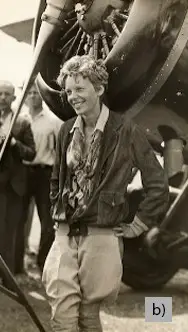
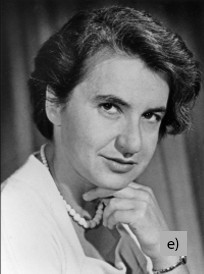
    Ada Lovelace, Amelia Earhart, Frida Khalo, Sacagawea, Rosalind Franklin, and Rosa Parks. Do you know why these women are important?

    Read and circle the correct adjectives that describe each women hero on the photos a-f.

    Look at the photos and discuss them briefly with your teacher. Answer the questions in exercises A, B, and C below.

    A. Activity: Multiple Choice Questions

    • Ada Lovelace was the world’s first computer programmer/ astronaut. She is young/ old.  She has got dark/ light hair and fair/ dark skin. She is wearing glasses/ flowers.
    • Amelia Earhart was the first pilot/ sailor who went across the Pacific. She is short/ tall and chubby/ slim. She is wearing casual/ formal clothes.
    • Frida Khalo is a Mexican poet/ painter. She has beautiful thick/ thin eyebrows. Her style is ordinary/ unique, and she is wearing a crown/ flowers in her hair.
    • Sacagawea was a nurse/ explorer on an expedition. Her hair is curly/ straight and her nose is short/ long. She is wearing modern/ traditional Native American clothes.
    • Rosalind Franklin was an architect/ a scientist. Her eyes are light/ dark, and she has long/ short hair. She is smiling/ frowning, and she is wearing gold/ pearls.
    • Rosa Parks was a lawyer/ an activist who fought for equal rights for African-Americans. She is middle-aged/ young. Her hair is blonde/ gray, and she is wearing a scarf/ sunglasses.

    B. Activity: Presentation – My Woman Hero

    Stick a photo of a woman hero that inspires you. Describe her in the blank lines below the photos, then present your work to the class and share why this woman is important to you.

    Students can place their image here

    This is ___________________________________________.

    She is ___________________________________________________________

    ________________________________________________________________.

    ________________________________________________________________

    ________________________________________________________________.

    She inspires me because ___________________________________________

    ________________________________________________________________.

    C. Activity: Guess Who?

    This game has 4 attempts in total and 10 seconds per attempt. Tell your partner to secretly pick one of the 6 women heroes. Ask your partner the questions below until you guess their women hero. They may answer only with “YES” or “NO”.  

    1. Is your woman hero …. (young, slim, tall, etc.)?
    2. Has your women hero got… (short hair, long nose, etc.)?
    3. Is your women hero wearing… (glasses, pearls, casual clothes)?
    4. Is your women hero… (a scientist, an artist)?

    Write down your and your partner’s score. The winner is the one who will answer the 4 attempts most quickly.

  • ESL Listening Comprehension Worksheet: School Lunch (Intermediate)

    ESL Listening Comprehension Worksheet: School Lunch (Intermediate)

    food school lunch worksheet - listening comprehension

    What School Lunch Around the World Looks Like?

    In this listening comprehension task you are going to listen to a video about how school lunch looks like around the world and what food do students eat during lunch breaks in 10 countries- France, Japan, Nigeria, Finland, South Korea, Ethiopia, Hawaii, Ukraine, the USA, and Italy.

    Think about the food and the details of school lunches in these countries, then answer Exercise A and Exercise B questions.

    Read the questions before answering to make sure you understand them.

    Watch the video to do the listening comprehension:

    A. Activity: Multiple Choice Questions

    Listen and choose the correct letter. Do not fill in the blanks.

    1. French students have a ___-course meal lunch.

    1. 3
    2. 4
    3. 1
    4. 2

    2. Japan students cook, ___and clean for their peers.

    1. study
    2. chop
    3. serve
    4. write

    3. Nigerian schools serve well-balanced meals ___day.

    1. to
    2. each
    3. per
    4. every

    4. Finland lunch includes veggies like___ salad.

    1. lingonberry
    2. beetroot
    3. turnip
    4. roasted veggies

    5. The bigger section in the South Korean lunch tray is for___.

    1. kimchi
    2. soup
    3. fish
    4. rice

    6. Injera is the name of the Ethiopean___.

    1. spicy lentils
    2. zucchini
    3. fermented flatbread
    4. soup

    7. Hawaiian schools serve local, fresh ingredients in meals made ___.

    1. at home
    2. for teachers
    3. from start
    4. from scratch

    8. Borsch is a red soup made with cabbage, beetroot and ___.

    1. salmon
    2. lamb
    3. beef
    4. pork

    9. Lunch in USA schools ends with ___ for dessert.

    1. biscuits
    2. an oatmeal
    3. a brownie
    4. an ice cream

    10. The second course for students in Italy is ___.

    1. protein and salad
    2. mozzarella 
    3. pasta
    4. fruit

    B. Activity: True or False?

    Listen and circle “T” for true, or “F” for false. 

    Write the correct answers in the lines below (only for questions answered as false). 

    1. Hawaii was the first country in the world that gave free lunch to students.

    1. True
    2. False

    2. Students in Nigeria have well-balanced lunches.

    1. True
    2. False

    3. Ukrainian students usually finish their meal with fruit or fruit juice.

    1. True
    2. False

    4. South Korean tray is made for perfect portion sizes.

    1. True
    2. False

    5. French students don’t eat protein for lunch.

    1. True
    2. False

    6. Kids in Japanese schools bring healthy food from home.

    1. True
    2. False

    7. School lunches in Finland have crispbread on the side.

    1. True
    2. False

    8. Most of the meals in Ethiopia are plant-based.

    1. True
    2. False

    9. School lunches in the USA offer only fresh fruit.

    1. True
    2. False

    10. Students who live in Rome, Italy do not eat organic food for lunch.

    1. True
    2. False

    Answers:

    1.

    ____________________________

    2.

    ____________________________

    3.

    ____________________________

    4.

    ____________________________

    5.

    ____________________________

    6.

    ____________________________

    7.

    ____________________________

    8.

    ____________________________

    9.

    ____________________________

    10.

    ____________________________

  • ESL Grammar Worksheet: Phrasal Verbs: Office & Business (Intermediate-Advanced)

    ESL Grammar Worksheet: Phrasal Verbs: Office & Business (Intermediate-Advanced)

    ESL Phrasal Verbs Activity Business And Office Worksheet

    A business-related grammar worksheet to practice phrasal verbs, for intermediate to advanced ESL students. (Free download available here.)

    A. Activity: Select the correct verb

    Choose the best answer for the following questions/statements.

    1. The delivery driver was caught stealing from the warehouse, so he was ________________ of the company permanently.

                a. kicked in

                b. kicked off

                c. kicked out

                d. kicked away

    2. I’m _________________ work next week because I have a family vacation planned.

                a. taking off

                b. taking out

                c. taking away

                d. taking down

    3. We will _______________ the issues immediately and find out what’s wrong with your order.

                a. look up to

                b. look into

                c. look away

                d. look down on

    4. The use of rebates will help our customers _________________ their total expenses, which will be incentive for them to buy from us again.

                a. cut into

                b. cut down on

                c. cut off

                d. cut through

    5. It looks like the supplier added some extra products to our invoice. Do you think they were trying to ________________ or do you think it was a mistake?

                a. rip us apart

                b. rip us up

                c. rip us off

                d. rip us away

    6. We were able to __________________ buying the discounted products even though it seemed like they didn’t need them.

                a. talk our customers out of              

                b. talk our customers about

                c. talk our customers up                   

                d. talk our customers into

    7. I had an opportunity for a job interview with a different company, but I __________________ because I’m already satisfied with my current position.

                a. passed it down

                b. passed it on

                c. passed it up

                d. passed it against

    8. Unfortunately, I had to __________________ the meeting and reschedule because I was too sick.

                a. call out

                b. call off

                c. call ahead

                d. call on

    9. Our printer __________________ ink so we had to order some more from Office Depot.

                a. ran through

                b. ran out of

                c. ran up to

                d. ran by

    10. I was at the gas station this morning and __________________ my colleague. What a coincidence!

                a. ran over

                b. ran into

                c. ran across

                d. ran by

    11. Our office is packed with old supplies and junk. Let’s__________________ it this week.

                a. get rid of

                b. get over

                c. get across to

                d. get onto

    12. Sorry for the delay. Our delivery driver got __________________ in some traffic on the way .

                a. held up

                b. held on

                c. held over

                d. held of

    13. After being sick all week, I have a lot of work to __________________ .

                a. catch up

                b. catch on

                c. catch over

                d. catch up with

    14. We have some very lazy colleagues who just __________________ in the office all day without getting any work done.

                a. mess up

                b. mess around

                c. mess over

                d. mess down

    15. I really thought my colleague was lying about his car breaking down on the way to work. But, it __________________ he wasn’t lying. I saw his car on the side of the street on the way home!

                a. turns up

                b. turns over

                c. turns away

                d. turns out

    16. I was completely __________________ before I had to give my big presentation.

                a. freaking out

                b. freaking up

                c. freaking about

                d. freaking down

    17. I __________________ to work 15 minutes late today and my boss was pretty upset.

                a. showed around

                b. showed off

                c. showed up

                d. showed by

    18. My boss always gives me so much work that I can never __________________ all of it.

                a. keep with

                b. keep up

                c. keep up with

                d. keep with up

    19. I know that ‘CEO’ __________________ Chief Executive Officer but not CFO.

                a. stands up to

                b. stands about

                c. stands to

                d. stands for

    20. Our family only has one car, so I have to __________________ my children at school and then my wife at her office before I go to work.

                a. drop down

                b. drop over

                c. drop off

                d. drop to

    B. Activity: Define the verbs

    For each of the following phrasal verbs, write a short definition and provide an example in context. Use a different context than the examples from the activity above.

    To look into

    Definition: ________________________________________________________________

    Example: ________________________________________________________________

    To catch up with

    Definition: ______________________________________________________________

    Example: ________________________________________________________________

    To get rid of

    Definition: ________________________________________________________________

    Example: ________________________________________________________________

    To talk (somebody) into (something)

    Definition: ________________________________________________________________

    Example: ________________________________________________________________

    To cut down on

    Definition: ________________________________________________________________

    Example: ________________________________________________________________

    To run into

    Definition: ________________________________________________________________

    Example: ________________________________________________________________

    To catch up with

    Definition: ________________________________________________________________

    Example: ________________________________________________________________

    To call off

    Definition: ________________________________________________________________

    Example: ________________________________________________________________

    To rip (someone) off

    Definition: ________________________________________________________________

    Example: ________________________________________________________________

    To freak out

    Definition: ________________________________________________________________

    Example: ________________________________________________________________

    C. Activity: Fill in the blank spaces

    Fill in the blank spaces with phrasal verbs from the list. 5 of the phrasal verbs will not be used. Make sure you change the verb to fit the tense or grammar of the context.

    Verb list:

    run out ofkeep up withhold upcall off
    get rid ofcut down onshow updrop off
    catch up withkick outrun intoturn out
    take offrip offpass upmess around
    look intostand forfreak outtalk into

    Because I was (1) ____________________ in traffic for a long time I wasn’t able to (2) ____________________ my son at school on time.

    The teenage workers in the warehouse just (3) ____________________ at work all day and don’t do anything productive. They’re always playing games, smoking, or chatting.

    I feel like my mobile service provider (4) ___________ me ____________ . Every time I get a new bill, there’s charges on there I don’t recognize.

    She (5) ____________________ the chance to go to a university because she found a very good job.

    We should try to (6) ____________________ our expenses and company spending. Our profit margins aren’t high enough.

    The boss was angry because all of the employees (7) ____________________ extremely late to the meeting.

    My iPhone’s battery is bad quality and it (8) ____________________ battery after only a few hours.

    The only reason I hate the holiday break is because I usually have so much work to (9) ____________________ when I go back to the office.

    I totally thought that the company Christmas party was on Thursday, but it (10) ____________________ that it’s actually on a Friday.

    Our online customer management system isn’t efficient. We’re (11) ____________________ the problems with it this week and then will fix it.

    When my car wouldn’t start this morning, I (12) ____________________ for a minute. I had to get to a very important meeting. Luckily my car started after a few tries.

    I wish I hadn’t (13) ____________________ my colleague in the coffee break room. She never stops talking!

    The company laptops are too old. I hope the company decides to (14) ____________________ these ones and replace them with new ones. I hope I can (15) ___________ everyone ____________ attending to the golf tournament on Saturday, even though it sounds like nobody wants to come.

    D. Activity: Rewrite the sentences

    Rewrite each sentence below using a suitable phrasal verb.

    (1) We used all of the supply of coffee in the break room. Please buy some more.

    _________________

    (2) I think that some phone companies cheat you because you always have to buy new chargers with new products.

    _________________

    (3) You have to stop being so lazy and start the project now!

    _________________

    (4) Can you please investigate the reason the computers aren’t working? We need it solved today.

    _________________

    (5) We need to stop using and throw away all of the old furniture in the storage room.

    _________________

    (6) I completely panicked when I found out I had to submit my reports in one hour. I totally forgot to do them.

    _________________

    (7) Let’s try to persuade our boss to let us leave early today.

    _________________

    (8) Our company is hoping to reduce the amount of paper and plastic products we use in the office by 20%.

    _________________

    (9) I’m sorry I’m late for dinner. I got delayed in the office with some extra work.

    _________________

    (10) My brother denied the position for a new job because the travel time was too long.

    _________________

  • ESL Grammar Worksheet: Phrasal Verbs: Dating (Intermediate-Advanced)

    ESL Grammar Worksheet: Phrasal Verbs: Dating (Intermediate-Advanced)

    ESL Phrasal Verbs Activity Dating Worksheet

    A dating-related grammar worksheet to practice phrasal verbs, for intermediate to advanced ESL students. (Free download available here.)

    A. Activity: Select the correct verb

    Choose the best answer to the following questions/statements.

    1. It doesn’t look like things are working out between us. I think she is going to ________________ me.

                a. break down with

                b. break over with

                c. break up with

                d. break away with

    2. She is the most beautiful girl in school. You can always see boys _________________ her.

                a. hitting on

                b. hitting over

                c. hitting down

                d. hitting in

    3. If you are interested in her, you should _______________ on a date!

                a. ask her up

                b. ask her out

                c. ask her for

                d. ask her in

    4. Me and my girlfriend generally _________________ each other but sometimes we can have a big argument.

                a. get ahead with

                b. get over with

                c. get across with

                d. get along with

    5. She was very upset when she found out that her boyfriend ________________ her.

                a. cheated up on

                b. cheated up

                c. cheated on of

                d. cheated on

    6. You can try asking her out, but she already has a boyfriend. I think she will __________________ because of this.

                a. turn you up            

                b. turn you down

                c. turn you out           

                d. turn you across

    7. Unfortunately our relationship isn’t going so well. I feel like it’s __________________ .

                a. falling apart

                b. falling away

                c. falling out on

                d. falling behind

    8. My sister is single and looking for a partner. I’m trying to __________________ my best friend who is also single and looking. I think they’d make a good match.

                a. set her down with

                b. set her out with

                c. set her up with

                d. set her off with

    9. The couple in the front row of the cinema won’t stop kissing. I they’ve been __________________ each other since the movie started.

                a. making up with

                b. making out with

                c. making in with

                d. making away with

    10. After breaking up with his girlfriend, he’s been trying to __________________ some new girls.

                a. pick off

                b. pick down

                c. pick away

                d. pick up

    11. I hate it when I have a date with somebody and they always __________________ late. It drives me crazy.

                a. show over

                b. show up

                c. show in

                d. show off

    12. I had a first date tonight but the guy didn’t show up. He didn’t even let me know or send me a message. I can’t believe he completely __________________ .

                a. stood me up

                b. stood me over

                c. stood me down

                d. stood me across

    13. It’s clear this girl isn’t interested in me. I should stop __________________ her.

                a. going ahead of

                b. going after

                c. going in on

                d. going behind

    14. If you are with somebody for a long time in a relationship it can be really hard to __________________ after breaking up.

                a. move on

                b. move down

                c. move across

                d. move up on

    15. I gave him my phone number, but I didn’t expect for him to __________________ quickly! I just gave him my number two hours ago.

                a. hit me up

                b. hit me over

                c. hit me across

                d. hit me off

    B. Activity: Define the verbs

    For each of the following phrasal verbs, write a short definition and provide an example in context. Use a different context than the examples from the activity above.

    To hit on

    Definition: ________________________________________________________________

    Example: ________________________________________________________________

    To turn (somebody) down

    Definition: ________________________________________________________________

    Example: ________________________________________________________________

    To get along with

    Definition: ________________________________________________________________

    Example: ________________________________________________________________

    To set (somebody) up with

    Definition: ________________________________________________________________

    Example: ________________________________________________________________

    To cheat on

    Definition: ________________________________________________________________

    Example: ________________________________________________________________

    To go after

    Definition: ________________________________________________________________

    Example: ________________________________________________________________

    To fall apart

    Definition: ________________________________________________________________

    Example: ________________________________________________________________

    To call off

    Definition: ________________________________________________________________

    Example: ________________________________________________________________

    To get over

    Definition: ________________________________________________________________

    Example: ________________________________________________________________

    To hit (somebody) up

    Definition: ________________________________________________________________

    Example: ________________________________________________________________

    C. Activity: Fill in the blank spaces

    Fill in the blank spaces with phrasal verbs from the list. 5 of the phrasal verbs will not be used. Make sure you change the verb to fit the tense or grammar of the context.

    Verb list:

    get along withgo afterstand (smb) up
    fall apartcheat onshow up
    set (smb) upask (smb) outmove on
    hit onhit (smb) upturn (smb) down
    pick upmake out withbreak up with (smb)

    He’s been (1) ____________________ this one girl for years, but clearly she just doesn’t feel the same way as he does. He should (2) ____________________ and find a new girl.

    He was really embarrassed after he (3) _________ her ___________ on a date and she just (4) ___________ him ____________ immediately in front of his friends.

    My friend is having trouble finding a new girlfriend. Do you know any single girls that we could (5) ___________ him ____________ with?

    I think the most important things in a relationship are to have similar interests as your partner and (6) ____________________ each other well.

    They’re always arguing. It’s clear that their relationship is (7) ____________________ .

    Do you see the group of boys over there? They are (8) ____________________ every girl they see trying to get phone numbers!

    You got her number a week ago but you haven’t (9) _________ her ___________ yet? What are you waiting for?!

    I found out that she (10) ____________________ me three times. I’m done with this relationship!

    D. Activity: Rewrite the sentences

    Rewrite each sentence below using a suitable phrasal verb.

    (1) Their relationship has become really bad the past few months. I’m not expecting it to last for much longer.

    _________________

    (2) She denied his request to get dinner on a date together because she already has a boyfriend.

    _________________

    (3) Even though sometimes we don’t agree on everything, me and my wife still have a pretty good relationship.

    _________________

    (4) Wow, look how much he is flirting, trying to gain her interest! Do you think he will be successful?

    _________________

    (5) I can’t stop thinking about her even though we broke up. Do you have any good advice how to accept the situation and get ready for future?

    _________________

    (6) How soon should you get in contact with someone after getting their phone number?

    _________________

    (7) He must really like her. He’s been chasing her trying to convince her to go on a date for months already.

    _________________

    (8) The boy who asked me out arrived to the date reallydrunk. No chance I’m going out with him again.

    _________________

    (9) I’m lucky to have such a great friend who organized a date for me and his colleague who is also single. I’ll have to thank him!

    _________________

    (10) That’s the second time this month that somebody didn’t come to the date without notifying me. What bad luck!

    _________________

    E. Activity: Fill in the gap

    Funny Pickup Lines: Fill in the gaps with the words below.

    runningsocksearthquakeGoogle
    fellpicturebreakalphabet

    (1) {Boy} How much does a polar bear weigh? {Girl} How much? {Boy} Enough to _______________ the ice, Hi I’m Dave.”

    (2) {Boy} That must have been painful. {Girl} – What? {Boy} When you ____________________ from heaven.

    (3) {Boy} Hey are your legs tired? {Girl} Why? {Boy} Because you’ve been _____________________ through my mind all day.

    (4) We’re not _____________________, but I think we’d make a great pair.

    (5) I’m no photographer but I could _____________________ us together.

    (6) Is your name ____________________? Because you’ve got every thing I’m searching for.

    (7) If I could rearrange the _____________________, I would put U and I together.

    (8) Was that an _______________________ or did you just rock my world?