Conducting successful online English lessons and engaging young students can be challenging.
Which factors make or break an online ESL lesson?
Many teaching strategies you’ve learned won’t work outside a physical classroom when you teach English online to kids. Online language lessons aren’t just about cracking open a textbook and lecturing for 25 minutes.
It’s your job as a teacher to make sure that each lesson finishes as a hit instead of a hit on your approval rating.
But worry not! Follow the 7 pro-tips below when you teach kids online — and your students and their parents will certainly book you again and again.
What’s So Challenging About Teaching English to Kids Online?
The first thing you have to do when considering an online teaching job is to understand the differences between having classes in a traditional educational environment and having them online.
They are two completely separate experiences.
Your TEFL course might have touched on online teaching a little, but it probably mostly focused on practical classroom skills. Those skills, however, don’t always translate from a physical classroom to an online one with the type of fluidity you might expect.
In an online setting, incorporating outside media, using physical objects, and involving kinesthetic learning methods will largely be unavailable to you as an educator.
You won’t be able to look over a student’s shoulder as they read or write. You also won’t be able to jump through the computer screen and have as many physical interactions with your students. And, of course, it will also be harder to discipline them.
It will be necessary to adapt and to improvise by coming up with new teaching methods, introducing different ways of checking for understanding, and developing innovative ways to keep your students entertained and engaged throughout class.
Furthermore, the way you plan your lessons will change depending on whether you only have one student or a group of eight students online.
Remember, the structure and audience of an online lesson will always influence the approach you should take.
For a successful online career, it’s so important to learn the most effective methods to teach kids English online.
The Key to Online Lessons is Student Engagement
In the online TEFL industry, you will most commonly teach students ranging from about 5 to 11 years old.
Most bookings tend to be 25- to 45-minute one-on-one English sessions.
That gives you just enough time to make an impression, teach a few key concepts, and make the kid’s parents want to book you again.
The most important thing to remember about teaching English online, especially to young learners in a one-to-one setting, is that it’s imperative to make them feel happy and welcome in your classroom.
That means you must give them your full attention, always be pleasant and smile, and deliver quality work. By being kind and friendly, you make students feel comfortable engaging with you.
Student engagement is the most important part of the lesson. When students are active participants in your lessons, they won’t just learn more – they’ll also be more likely to book your classes again.
Let’s explore some methods you can use to get your little students to be more engaged in the classroom.
1. Show Up a Professional
Showing up to class hungover wearing last night’s outfit will quickly get you fired from a professional online teaching position.
Remember, your clients are children and their parents!
That means you have to be a role model at all times. There is an expectation that you will show up promptly to each class, smile, be well-groomed, and maintain a professional decorum at all times.
Keep in mind that each class that you teach is recorded and monitored.
Not only does the student retain a video copy of every class on their student dashboard, usually there is also a company employee reviewing each lesson for quality control purposes.
If a lesson starts steering into inappropriate territory or a teacher dresses unprofessionally, they will soon hear about it.
So do yourself a favor and make sure that a video or image of you doesn’t end up in your company’s employee training manual as an example of the things you shouldn’t do while on the job. (Yes, this happens).
Choose your wardrobe selectively. I would recommend dressing business casual at all times – or check on your company’s specific dress code.
Even though you’re teaching online, it is important to remember that this job is no less “real” than any other. Certain standards must be upheld, and every company has an image to maintain.
A smart, preppy blouse, a button-up shirt, a collared shirt, or a nice, clean polo work best.
2. Prepare Your Classroom
Keeping your background tidy yet visually interesting is key to creating a fun, professional environment for your students.
You don’t want your dirty laundry making an appearance in the background of your video. However, you don’t want your background to look totally boring, either.
Place maps, alphabet posters, or other fun, simple visuals behind you to create a classroom feel that adds some interest without distracting your students or looking messy.
Proper lighting and good acoustics are also essential to creating the right atmosphere for your classroom. Dim, flickering lighting or an echoey room can ruin even the best-planned class by ruining the atmosphere and creating distractions.
If necessary, buy a small, portable lamp to make sure the student can see you clearly on the screen. Sometimes, only using room lighting isn’t enough to illuminate your face on the screen.
Make sure your camera is positioned properly and centered in the middle of your screen.
In my opinion, students should be able to see you from the elbows up. That way, they can see your facial expressions and mannerisms. It also gives students a more comfortable feeling because it is more personal, almost like talking face-to-face.
Before each class, you should always make sure you know who your student is, how old they are, what their language level is, and what you’ll be teaching.
While most online TEFL companies do provide curriculum and online books to help steer each class in the right direction, you can supplement the materials given with little effort to take your classes over the top.
Incorporating props, knowing a student’s level before class, having an idea of a student’s interests, and brainstorming additional games or topics of discussion can really help enhance a class.
If you really want to have a great online class experience, show a student you went the extra mile by including props regarding the subject they chose or doing research on the things that they like to discuss: things like these can mean the difference between getting booked again or being forgotten forever.
4. Use Activities and Props
For a young learner learning about fruits, being sure to have flashcards of different types of fruit would be a great idea. If you have some of those fruits in your fridge, take them out and show the student.
Ask the student to describe the fruit and ask them questions such as “What do you think this fruit will taste like?”, “Do you like this fruit?”, “Do you eat this type of fruit often?”
There are so many games that you can play by incorporating flashcards or physical props while teaching English online to kids.
Just a few weeks ago, I had a class with a young learner about pets.
She really wanted a dog, but her parents weren’t convinced of the idea. During the lesson, I brought my puppy on screen, and we described what it looked like together, what tricks dogs can do, and where dogs like to go.
She was so delighted to see the puppy in class and left a wonderful post-class evaluation. I will be seeing the same student next week for another online lesson.
Many young learners are just starting to learn their numbers, colors, and ABCs. There is so much you can do to make those lessons more entertaining than simply reading from a book.
One of my favorite games to play when students are learning colors is “Find the Color”. It is basically a scavenger hunt where I tell the student to find something around them in the color that I ask for. They love to laugh and run around looking for the perfect item.
When teaching numbers, I always use stuffed animals to teach students how to count. My favorite game is “How Many Bears Do I Have?” The students count each bear, learn to describe them, create stories about each one, and solve math equations using them.
In terms of ABCs, most online providers offer tracing exercises and repetition exercises in each book. To make those lessons more fun, use the power of sound. If a student is learning the letter “A”, try to teach them how to say A softly, then at a medium sound, and then loudly.
When you turn tasks that can often be mundane into a game, students have the best time.
When I was younger, I always watched a cartoon about a group of superheroines who would fight evil with magic wands. At the time, those types of cartoons were relatively new. Now, similar shows are everywhere.
I try to take advantage of that by bringing my light up, magical toy wand that plays music. When a student answers a question very well or solves a difficult question, I turn on the magic wand and reward the student with a song and some horribly hilarious flailing. They love it!
If you’re looking for printable props for your classroom, we’ve got you covered. Download our free beautifully illustrated flashcards and worksheets to teach vocabulary:
Remember the importance of your body language. Smiling and maintaining a pleasant demeanor throughout class will make your students feel comfortable and welcome in your class.
Keeping your voice at an appropriate volume and pitch and speaking and slowly and clearly will also improve the quality of your class.
You can also indicate that you’re engaged in class by nodding to indicate that you hear what your student is saying and refraining from eating, drinking, or scrolling online during class. Use body language and gestures with your hands to help establish your points. Total physical response will help you engage students better and will aid in their understanding of the ideas you’re illustrating.
6. Always Have a Backup
When teaching English online, sometimes accidents happen.
Whether there’s a family emergency, a power outage, an internet issue, or an online textbook not loading, it’s smart to always have a backup plan.
Document everything. If there is a glitch on a website that you need for your lesson, take a screenshot of it. If a student is late for class or a no-show, be sure to record that in case that information is needed later.
If concerned whether or not a textbook will load, download it in advance.
7. Leave Actionable Feedback
As soon as you begin teaching your class, start taking notes about things you observe throughout the class.
If a student keeps mispronouncing a word or has trouble with a certain grammar concept, make a note so that you can remind them to work on it when you leave them feedback after class.
You should also correct mistakes students make during class so that they don’t get into bad habits.
However, it’s important to do this in a kind, positive way. Rather than telling them they’re wrong, simply demonstrate the correct way to say a word or sentence once they’ve finished speaking.
Pay attention to any notes left prior to the class about the student’s preferred correction style and help cater to their needs.
Once you have finished teaching your first class, you might think you’ve done all there is to do. Not so fast, though!
Your job is not over when the lesson ends. After each lesson, you usually have the opportunity to leave feedback for the student or their parents.
This feedback might seem like an unimportant, throwaway step, but you should put as much care into it as you put into your lesson.
Not only can the feedback help your students keep working on their English outside of class, it’s also a way to sell yourself and further set yourself apart from other teachers.
To be an effective online English teacher, it is important to list the positive aspects of the lesson and the student’s abilities. It is equally essential to reference all of the things that a student might have missed in the lesson, or the things that they must work on to improve their overall English abilities.
Be sure to use the sandwiching technique when giving feedback to the students. You want to be honest about your feedback but also delicate in your approach.
Always incorporate ways to improve in between positive sentences, offering the student praise. Always end each lesson memo with a positive sentence, thanking the student for coming to your lesson and stating that you hope to see them again.
Remember, when you teach English online to kids, you only have one shot to make a lasting, positive impression. What you do in your online lessons count.
It doesn’t take too much time to do, and the young learners and their parents always notice it – and often reward teachers for it by booking them again in the future.
One of the best parts of being an online English teacher is having the satisfaction of seeing your students improve throughout their time with you.
You may also realize you have grown as a teacher, too. So, teach, teach, teach – and remember, there is no perfect teacher.
What matters is getting the online English teaching experience you need and putting your best effort forward to grow in your skills.
If you’re a classroom teacher or tutor, then you know how important it is to create lessons that interest and excite your students.
And you also know that the best students are the ones who feel welcome in the classroom and are empowered to share their thoughts and feelings with the class.
The hard thing can be figuring out how to create a learning environment that accomplishes these things.
Culturally responsive teaching helps you create classes that excite and motivate students, and that make them feel like their classes are for them instead of just somewhere they need to be.
What is Culturally Responsive Teaching?
In the traditional classroom setup, the teacher is positioned as an expert who passes down knowledge to the students.
We’re all familiar with this setup, and there are times when it is useful.
The truth is, though, that positioning the classroom as a strict hierarchy where the teacher is the sole keeper of knowledge can be hurtful to students and keep them from getting the most out of class.
Each student brings a fount of knowledge and lived experience to the classroom.
It helps everyone when the teacher can build on that knowledge and draw on it to create classes that are meaningful and relevant to students, and that honor what everyone has to bring to class – not just the teacher.
Culturally responsive classrooms address the problems with traditional classroom setups by using strategies and techniques that draw on students’ cultural contexts and experiences.
A culturally responsive teacher creates classes that feel relevant and immediate to students and that are connected to their backgrounds and knowledge bases.
Why Is Culturally Responsive Teaching Important?
If you think back to your time in school, you might remember a specific type of classroom experience: books written by white men that take place in Europe or America, pictures featuring smiling white children, and examples in your math textbook involving children named Alice and John dividing up pieces of pizza or apple pie.
While there are of course some great books written by white men (and we all love pizza), classroom institutions like these can create an environment that caters to a specific kind of student and speaks to a specific kind of lived experience.
Culturally responsive teaching seeks to broaden that scope, acknowledging the various identities of the students in a given classroom and creating lessons that speak to the full range of backgrounds and ethnicities in a classroom.
This makes each student feel more included in class and makes the lesson content feel more relevant to them, which in turn leads to greater participation and more learning.
More than that, it helps students feel seen and accepted for who they are.
Culturally responsive education turns the classroom into a place that affirms and celebrates students’ backgrounds and identities instead of furthering a narrative that certain cultures, backgrounds, or references are more valid or normative than others.
Culturally responsive curriculum is important in any learning environment, but it can be especially important in ESL classrooms.
That’s because in ESL classrooms, students often have extremely diverse sets of backgrounds and cultural references from their teachers and thus may struggle to connect with the types of lessons the teacher provides.
5 Strategies and Techniques for Culturally Responsive Teaching
There are a number of easy ways to incorporate culturally responsive teaching into your classroom.
Most of these strategies are fairly easy to implement, but they’ll make a huge difference in terms of what your lessons look like and how your class feels.
Learn About Your Students
The first step toward creating a more inclusive classroom is to figure out who your students are and what they care about.
There are a number of ways to do this – and you don’t need to limit yourself to just one method.
One of the easiest ways to learn about students is to distribute a survey or questionnaire at the beginning of the semester asking students about their hobbies, interests, backgrounds, and more.
You can also facilitate open-ended discussions throughout the year that center on your students’ favorite activities, areas of interest, and more.
Once you have an idea of what your students like and what’s important to them, it becomes easier to incorporate those things into the classroom – whether that means playing the newest Billie Eilish song at the beginning of class or facilitating a unit on oceanography.
Make Your Classroom Setup More Inclusive
Simply evaluating the way your classroom looks can go a long way in terms of creating a learning environment that feels more relevant and inclusive to students.
For example, if you have posters on the wall, do they feature modern families or only traditional nuclear families? Do your bookshelves feature works by diverse authors or only canonical white authors?
If you teach younger students, do you have dolls, toys, and costumes that speak to a number of identities or are they limited in their scope?
Expand the array of decorations, tools, and objects in your classroom to be more inclusive. This can be as simple as putting up a poster of a celebrity or public figure your students look up to or including playthings that represent a number of different backgrounds, living situations, and professions.
As was discussed above, changing the norm wherein the teacher is the sole expert in the classroom is a huge part of culturally responsive teaching.
Creating classroom experiences where your students get to be the experts validates the importance of the knowledge they bring to the table, and it also helps them practice compiling knowledge and teaching.
There are ways to let students be the experts in all sorts of classroom settings. For example, in an ESL class you can have a unit where students teach the class about foods, holidays, or other topics that they grew up with.
Or in a history class, you could teach about historical events that are relevant to your students and have them interview parents or relatives about said events and then report back to the class on their findings. If they did a great job, you can motivate them by giving rewards.
Bring in Guest Speakers
An easy way to make students feel represented in and excited by the classroom experience is to bring in guest speakers.
You can bring in speakers who share a cultural background, gender, or nationality with your students – and in fact, a 2015 study shows that students are often motivated to perform better in the classroom when they have educators who share a background or racial identity with them.
You can also bring in speakers who share interests with your students. So, if your class is ga-ga over soccer or guitar or TikTok, you can try to find a speaker who’s an expert in one of those fields.
Or you can feature guest speakers who can speak to your lesson material. So for example, if you’re teaching a certain book, you could try to contact the author to come speak (or Zoom into your class for 10-15 minutes).
Or if you’re teaching about a geographical region, you could invite someone who’s spent time there to come speak.
Your students will love getting to hear from someone with a background that speaks to them or the content, and they’ll also be excited about a special lesson that’s a change from the norm.
Make Room for Each Student
It’s important to make each student feel that their voice is important and that there is room in the classroom for their unique perspective.
You can foster this kind of environment by calling on each student and giving them a chance to speak.
You can also make room for each student by having everyone submit anonymous feedback or answer questions on index cards that you then redistribute randomly to be read back to the class.
Another way to include every student is to invite students to teach back material after you’ve introduced it, making sure to cycle among every student eventually.
These methods create a more inclusive environment and make each student feel that they have a stake in the classroom experience.
Culturally Responsive Education is What You Make It
At the end of the day, there’s no specific rubric for culturally responsive teaching – and that’s a good thing because it gives you room to connect with your students and really see what they need.
The most important thing you can do in terms of creating a culturally responsive classroom is to listen to your students, create genuine connections with them, and make them feel valued and welcomed in the classroom.
Hopefully, these strategies will help you accomplish that, but no matter what techniques you use you’ll be successful as long as you show up as your most authentic self and create an environment that makes students feel celebrated and secure.
If you have other methods you use for creating a culturally responsive learning environment, please let us know in the comments below!
We love hearing your ideas for how to make any classroom a more inclusive, learning-friendly place.
You have a PowerPoint that you put a ton of work into, and you’re teaching your favorite class, but when you look out into the sea of students, or at the tutee on your screen…
People look bored.
Too often even the most dynamic, interesting classes turn into this kind of scene, but it doesn’t need to be this way.
Interactive learning can help you create a class structure that’s more engaging and fun, so your students show up actually wanting to learn.
Click to save this post on pinterest
What is Interactive Learning?
Interactive learning is a hands-on, immersive method of teaching and learning where students take an active role in their education.
It’s a departure from the normal classroom structure where teachers lecture and students take notes, which can also be thought of as passive learning.
Interactive learning can encompass traditional classroom tools like role-playing activities and group projects as well as online modalities that encourage self-directed learning.
The most important aspect of interactive learning is that it encourages critical thinking and a spirit of discovery in students.
Strategies and Methods for Interactive Teaching
If you’ve spent much time teaching in the classroom or online, you’re probably already starting to get a sense for what kind of strategies and activities interactive learning might encompass…
And you may even use some of these in your classroom already!
Either way, you can implement this list of activities and tools in your interactive classroom or use it as a jumping off point to come up with your own strategies for creating a more dynamic, responsive classroom environment.
Concept Mapping
Concept mapping is a wonderful tool because it’s endlessly adaptable for different class sizes and age groups, and it’s applicable for pretty much any kind of content.
You can use this technique when introducing a new concept to get students’ wheels turning or once you’ve taught it to help them recap and summarize what they’ve learned.
Concept mapping entails drawing a circle on your physical or virtual whiteboard and writing the main concept you’re discussing inside it. Then, you can create lines to other bubbles that talk about related ideas or subconcepts.
Eventually, you’ll have a branching diagram encompassing a number of interrelated ideas. This encourages students to think more deeply about the topic at hand, deepen their association and synthesization skills, and participate more fully in class.
Short Story Writing
This easy-to-implement exercise will challenge your students’ powers of imagination as well as their English language capabilities.
Once you’ve introduced some new vocabulary or grammar concepts, have your students take 15-20 minutes to write a short story encompassing the new concepts they’ve learned.
You can give them a prompt to help them, like write a scary story or write about a real event that happened to you, or you can leave it more open-ended and have your students decide for themselves what to write about.
Once your students have finished writing, you can ask them to read their stories aloud to the class. For more advanced students, you can have pairs or groups pass their stories between themselves. Each student will edit another’s story and provide feedback on it.
Q&A Sessions
For this exercise, all you need are some index cards or an online tool like Slido, which allows students to post questions anonymously and then upvote the questions they like.
After you’ve introduced a new concept, have each student come up with 3-5 questions and write them down on their notecard or enter them online.
Then, read some of the questions out loud and answer them.
The anonymity of this exercise may help quieter students feel more confident and encourage people to ask questions they would be embarrassed to ask otherwise. It also forces students to think critically about the ideas being presented.
Peer Teaching
For this exercise, place students in pairs and have one act as the student and one as the teacher. The teacher will explain a grammar concept or other theme or idea to the student while the student takes notes.
The student may ask the teacher questions, and once the lesson is over the student can point out information the teacher may have missed and evaluate the teacher’s teaching.
If you’re tutoring online or in person, you can simply have your student act as the teacher and you will act as the student.
This method is great because explaining a concept to someone else requires a deep understanding of it, and students will work through their working knowledge of the concept more as they prepare to teach.
Interactive Whiteboard
Whether your school provides you with a Smartboard or you use a virtual interactive whiteboard like Ziteboard, you can use this tool to make your classes more collaborative and fun.
Interactive whiteboards have a number of applications, like letting multiple people write on the board and annotate content. They also let you easily download and share what’s been written on the board.
There are tons of ways to use interactive whiteboards in person and virtually, from games to brainstorming to doodling to group problem-solving, that allow your students to participate more in the classroom experience.
Interactive learning has been proven to increase student performance and help students develop more autonomy. It also improves students’ retention of material and promotes self-directed learning.
Beyond that, it provides students with a number of other benefits, such as the following…
Improved Classroom Collaboration
Interactive learning promotes classroom collaboration because it makes students active players in the class. They learn the skills to take control of their own learning process and work well with others.
These skills will serve your students well both in the classroom and beyond.
Interactive learning encourages students to hone their critical thinking skills and information synthesis capabilities because it puts students in the position of developing their own opinions instead of simply receiving and regurgitating the teacher’s words.
Activities that include free association, student teaching, and idea generation help students learn to synthesize information, think critically, and develop an understanding of the class material that they can articulate in their own words.
More Immersion
In an interactive classroom, your students are constantly doing activities or preparing to do something active with the information you’re learning.
Because of this, students in interactive learning environments stay more engaged than their peers in more traditional situations. This keeps them more interested and engaged, helps them learn the information better, and also makes class more fun.
Challenges of Interactive Teaching and Learning
Although interactive classrooms overwhelmingly benefit students and teachers alike by creating a more cohesive, collaborative environment that empowers students, there are some challenges that come with this learning model.
Here are some of the challenges that come with transition:
Technical Difficulties
A number of interactive teaching techniques utilize technologies like interactive whiteboards, social media back channels, and other virtual solutions.
While these solutions can be vastly helpful in increasing the possibilities for students in the classroom, they may have a steep learning curve if you’re new to this type of technology.
However, technical difficulties don’t need to be an impediment to your interactive classroom. Many virtual tools have video tutorials, virtual assistants, and other aids that can help you overcome bumps in the road.
Or you can go a lower tech route and still create a perfectly successful interactive learning model in your classroom!
Increased Workload
When you first make the switch to an interactive classroom, you may find yourself with an increased workload as you figure out which methods make most sense to implement in the classroom and how to best use them to the advantage of your students.
Designing a new syllabus and curriculum, getting acquainted with new technologies, and getting students accustomed to interactive learning while keeping up the pace of their current education all take time.
However, you can alleviate the stress of transitioning to interactive learning by gradually introducing new learning strategies instead of attempting to overhaul your classroom all in one day.
Resistance to Change
Some students may not want to switch over to an interactive learning model and may mock or resist new techniques or technologies rather than embracing them.
This can be compounded when they are expected to participate more in interactive learning methods and students are used to being more passive classroom participants.
You can help students adjust to an interactive learning model by giving them agency in choosing the activities they do and making the activities more fun. Introducing new technologies may also excite students and make them more enthusiastic about proposed classroom changes.
Interactive Teaching Aids, Apps, and Tools
There are a number of online resources and apps that can help you incorporate interactive learning into your classroom and expand the possibilities for your classroom. A tablet helps you to use many apps and still be mobile.
You can find a few great resources below, but these are just a small sampling of the range of interactive learning tools available online.
This innovative application combines the functionality of interactive whiteboards with a number of other useful capabilities.
It has a collage function that allows students to draw individually or collaboratively as well as voting polls that can expedite class decisions and give students a greater voice.
This neat tool allows students to create collaborative comics!
This is a great way for students to integrate the new vocabulary and grammar they’ve learned in class and practice their English skills while having fun.
They’ll love creating funny, kooky comics with their friends – and best of all, they’ll be learning while they’re at it.
This innovative teaching tool lets you import existing content like YouTube videos, presentations, and more and make your whole lesson interactive.
You can add quizzes, polls, virtual reality simulations, and other fun interactive pieces into your lessons seamlessly, giving your students more opportunity to engage with the lesson – and yourself more opportunity to check in on your students’ progress.
This classroom app has a number of functionalities. It lets you ask students quick questions for instant feedback, create quick quizzes and exit tickets, split students into virtual rooms, and more.
You can use this app as a resource for virtual learning or as a backchannel in a physical classroom.
This tool is particularly good for ESL learning environments because it allows teachers and students to send voice messages.
You can send voice messages to students that they need to listen to in order to practice listening comprehension, and they can send messages to you to work on their pronunciation and speaking skills.
You can incorporate this as homework or in a number of other ways to supplement students’ learning.
And More…
Interactive learning may look different to every teacher – and every student. Especially, when you are teaching in front of multicultural students. Then you might have to adapt some strategies to teach culturally responsive.
Use these tools in your ESL class to create more opportunities for students to learn, practice, and engage.
And don’t sweat the small stuff too much. As long as students are active participants in class, they’re getting what they need to out of it.
You don’t need to use 100 different apps and strategies to create a successful interactive classroom.
Just find the techniques you love and run with them – your students will thank you for it.
Have you ever been in a classroom full of young learners?
When 20 or so preschoolers are in a room together, things can get hectic. Crying, running around, you name it.
How do you stop the madness — or prevent it from happening in the first place?
Classroom procedures are a lifesaver when it comes to class management! These systems streamline your class and keep everyone calm and organized: the students and yourself.
Read on to find out four classroom procedures you can use in your class, and discover four hassle-free tools that will help you implement them!
How Classroom Procedures and Routines Help Your Students Learn
Classroom procedures and routines, simply put, are systems you implement to help organize and direct the students in your class.
The students should know what your classroom procedures are and what different signals and instructions mean so that they can follow directions more easily, and so they know what’s going on in the classroom.
Having a routine allows students to be more self-directed, and it also gives them the opportunity to learn important leadership skills.
Classroom procedures also teach students how to recognize and follow patterns.
For example, they’ll learn that when you ring the bell at 11:15, that means to get ready for lunch and that every single day they need to follow the same pattern of tasks when they enter the classroom.
The routines that emerge from clear classroom procedures teach students about time management!
They’ll learn to mark the morning by a series of activities that take the same amount of time every single day and to use the time they have for an allotted task wisely.
Easy Classroom Procedures You Can Put Into Place Now
Here are some simple classroom procedures you can use to streamline your classroom — and tips for how to most effectively introduce them into your class! Try these tips out: you’ll be pleased to see how much more smoothly they make your class go.
1. Procedures for the Start and End of the Day
It’s important to develop standard, clear procedures for the start and end of the day. These will help the time in between go smoothly by anchoring students when they enter and leave your class.
Here are sample classroom procedures for the beginning and end of the day:
Morning Procedure:
Greet the teachers
Place shoes, coats, and backpacks in cubbies
Turn in homework to the homework box
Drink water and go to the bathroom
Grab a book
Go to circle time and read quietly while you wait for class to start
30 small kids running toward a door with no order or reason is, in a word, chaotic. It’s important to create a clear procedure for lining up so that your whole class doesn’t go haywire, and so that you can preserve some peace in your class.
When it’s time to line up, you can play a song alerting students to get ready. Have them clean up their desks, push in their chairs, and stand at their seats. Then, you can call students table by table (or girls, then boys, etc.) to come to the door and line up quietly.
Patience is key to this procedure. In order to facilitate orderly, quiet lining up, you should send students who are unruly or who try to cut to the back even if it makes things take longer. This will set a norm for classroom etiquette.
3. Restroom Procedures
How your restroom procedures will work really depends on the age of your students — if they’re super young, you’ll probably need a member of your teaching staff to go to the bathroom with them.
You can have students raise their hands or make a special hand signal for someone to come accompany them to the restroom.
If your students are a little older, though, you can have them raise their hands and ask to go to the restroom or take a bathroom pass when they want to use the restroom — the pass ensures that only one or two students can go to the bathroom at a time.
Make sure that students replace the bathroom pass and return quietly to their seats without disrupting others after they’re done going to the bathroom.
You can make restroom procedures (and other classroom procedures) more interesting by spicing them up and making them exciting for students. This list of 8 ideas for bathroom passes has some hilarious alternatives to your average boring bathroom pass!
4. Lunchtime Procedures
When your children break for lunch they might get rowdy and overactive, making lunchtime procedures particularly important. You want to ease students into lunchtime in a way that’s orderly and calm to avoid major headaches.
Maybe your class’s lunchtime procedure will look something like this:
Clean up and push the chairs in
Go to the bathroom and wash hands (not all at once!) Call students who’ve been behaving well first, or call them section by section.
Get lunchboxes and water return to the seat
Eat quietly without disturbing others
When finished eating, clean up section and push in the chair
Students who’ve finished lunch can go to the circle and quietly play with a designated toy while they wait for everyone to finish eating
5. More Procedures for Your Classroom
You can create procedures for every part of your day: cleaning up, getting ready for naptime, playing outside, doing group activities, and more.
Procedures don’t need to be complicated or fancy — just a routine that your students can easily learn the steps of and enact!
4 Tools to Implement Classroom Procedures Effectively
No matter what classroom procedure you’re enacting, it’s important to use clear signals and patterns to let students know what they’re supposed to be doing.
These four tips will help you enact any and every procedure easily and effectively!
1. Use Signal Songs or Bells to Transition Between Activities
Signal songs are a really fantastic way to signal to students that it’s time to pay attention and follow directions.
If you have a computer connected to speakers in your classroom, you can create a file with your signal songs in it so you have them on hand throughout the day.
Here are some suggestions for songs you can use for different classroom procedures:
Cleaning up: The Clean Up Song from Barney
Nap time: The Yo Gabba Gabba Nap Time Song
Circle time: Make a Circle from Super Simple Songs
Lining up: The Ants Go Marching from Super Simple Songs
Be creative with the songs you use and the activities you use them for! You can even use silly songs that don’t have anything to do with the activity as long as you use them consistently.
And if you can’t easily play music in your class, don’t worry! You can use bells, instruments, or even clapping patterns to signal activity changes. Look at this list of fun call and response patterns for ideas you can use as procedure signals.
The important thing is to make sure that you’re not just you yelling at your students when it’s time to pay attention — you want a sound that engages them and grabs their attention without being harsh for you or them.
2. Give Warnings Between Activities
It’s important to give students warnings between activities so that they have time to finish what they’re doing, clean up, and get ready for the next activity.
Giving students 5- and 2-minute warnings lets them finish up at their own pace and make sure that they wrap up their work in a way that satisfies them before moving on.
3. Use Teaching Tools to Help Students Remember and Follow Procedures
Visuals help students remember what they’re supposed to be doing so they don’t have to ask you or feel embarrassed if they forget a part of the classroom procedure.
They also enforce the routine so that students can’t veer from it and pretend they didn’t know what was going on.
Here are a couple of teaching tools you can use to enforce your classroom routines and procedures:
Illustrate Starting and Ending Procedures On the Wall
An example morning procedure
If every day students are supposed to enter the classroom and then immediately take their shoes off, put their coats away, drink water, and then come to circle time, you could create a chart with a picture of a pair of shoes, a picture of a coat rack, a picture of a glass of water … you get it.
Make it easy for children to look around the room and know what they’re supposed to be doing!
Appoint Student Leaders to Guide Procedures
Having class monitors or other students who assist in enforcing procedures will do wonders for your class’s behavior — and it reduces your workload as a teacher.
You can elect two new class monitor every week, following a pattern that ensures every student is a monitor at least once, or you can let the two students who got the most points the day before be the student leaders each day.
Whatever system you choose, make sure it’s consistent and clear.
Student leaders can guide and help peers who are having trouble or misbehaving, and they’ll learn about leadership in the process!
Create a necklace or vest for class monitors to wear so everyone knows who they are. Your kids will be clamoring to be appointed student leaders!
4. Introduce Clear, Simple Procedures and Routines — Over and Over and Over Again
Make a clear (classroom management) plan for what your routines and procedures will be, and practice them with students over and over and over at the beginning of the year and even after breaks and weekends so that students learn what’s expected of them.
It’s easy to forget the details of procedures — even for grown-ups. Make practicing routines fun and easy so that your classroom procedures don’t become scary or intimidating for students.
Do you have days — or weeks — when you feel like you’ve just hit a wall?
Students you usually think are delightful turn into little demons, every little thing makes you irritated, and you’re just plain overwhelmed with work.
It may not be in the DSM yet, but teacher burnout is real.
So how do you know when you have it, and what can you do to fix it?
Read on to learn the symptoms of teacher burnout as well as 6 mechanisms for coping with it when it hits.
And — real talk — we’re getting into what to do when you’ve really, really had enough.
Signs of Teacher Burnout
Teacher burnout is no joke.
It can manifest itself in ways as subtle as increased annoyance or exhaustion, or as drastically as depression or decreased appetite. It’s important to know the signs of teacher burnout so you can recognize them in yourself and remedy the problem before it becomes bigger than you.
Here are a few symptoms of teacher burnout:
Anger
Do you find yourself snapping at every little thing — at work or at home? Being annoyed when people talk to you while you’re working, finding yourself wanting to raise your voice at unruly students, feeling enraged when anything veers from the plan even slightly?
If you find yourself becoming more irritated and angry, you may very well be suffering from teacher burnout. We get it — teaching is no walk in the park.
Exhaustion
Exhaustion can manifest in many forms: not just yawning and feeling tired, but also feeling foggy-brained or unable to concentrate, or feeling physically and emotionally drained. If you’re consistently struggling to focus or stay awake while lesson planning (or while doing other things), your body may be telling you it’s had enough.
Teaching is a lot of work, and it’s important to listen when your body tells you that it’s worn out.
Negative Thought Loops
Do you keep telling yourself that you’re a bad teacher, that it’s not worth it, that there’s no point? It’s easy to get into this kind of thought cycle when you’re under a lot of pressure and you’re jumping through hoop after hoop with no end in sight.
These negative thought loops will feed on themselves and eventually eat you right up, so it’s important to recognize when your brain is being mean to you.
Changes in Appetite
When you’re stressed out or depressed it can affect your appetite. Everyone reacts differently to stress, meaning it looks different ways in different bodies. If you find yourself stress eating all the time, or if you struggle to make yourself eat because you’re just never hungry, you may have teacher burnout-induced stress.
Pay attention to the signals your body gives you, and make sure to nourish yourself — especially when it’s hard.
Physical Symptoms
Stomach aches, headaches, illness, and insomnia can all result from teacher burnout. This is because stress, depression, and exhaustion can make you physically ill.
The psychosomatic effects of our mental states have been documented and discussed, and they’re important to pay attention to.
If you’re constantly feeling ill or unwell, take time off and allow yourself the time and energy you need to heal.
You should also see a doctor or go to a clinic if you’re having mental or physical problems.
6 Effective Ways to Fight Teacher Burnout
Graphic of the ways to fight burnout: calming exercises, make time for yourself, exercise, ask for help, change up lessons, remind yourself why it’s worth it
If you’re suffering from teacher burnout, don’t worry: there are steps you can take to give yourself peace of mind and stop the suffering.
These 6 coping mechanisms will help you build a healthier life in and out of the classroom, and they’ll help you deal with the bad feelings when they inevitably come.
1. Do Calming Exercises
A great way to combat teacher burnout is to amass an arsenal of calming exercises that you can pull out when you’re under pressure in the classroom and in your daily life as preventative measures.
Calming exercises will help you reassess your emotional response to situations, and they’ll help you be more serene in the classroom and in your daily life.
Here are three calming exercises that are simple enough to be used in the classroom or as part of your daily routine:
Tapping
Graphic of points on the body for tapping — see picture in Trello board for example
Have you ever heard of EFT tapping? It’s a super easy technique used to reduce anxiety, and it’s just as simple as it sounds: basically, all you do is tap on specific points of your body rhythmically. You can recite a mantra while you tap if you want, or just tap tap tap away.
Tapping exercises are used widely to reduce anxiety — in schools, on battlefields, and everywhere in between. You can do tapping exercises anywhere, even in class!
Tapping is great for kids, too. Try leading a tapping exercise with your whole class — it’ll make you feel better, and it’ll give your students a tool they can use to reduce their own stress as well.
If you’re in class and under duress, try just tapping on the karate chop point (it’s on the edge of your hand, about halfway between your wrist and your pinky knuckle). It’s a subtle enough movement that you can really do it in any situation.
This video is a great tutorial on how to tap to reduce stress and anxiety.
Yoga
Yoga has long been touted for its calming and centering effects, and studies have shown that people feel radically less stressed out once they start a yoga practice.
If you’re self-conscious or are unable to access yoga classes in your area, don’t worry. The internet is full of beginner yoga tutorials like this one that you can do right in your bedroom (or maybe in your classroom during naptime? We won’t tell.)
Breathing Exercises
Breathing exercises are really fantastic because you can do them anywhere, anytime, and you can adapt them to fit you.
Do you have time for 10 minutes of deep breathing in the morning? Fantastic! Only have time to squeeze 3 deep breaths in? That’s fine!
Even a very short breathing exercise will calm you down when you just need something to help you find your center.
This Harvard Medical School article has some good ideas for how to start your own deep breathing practice, and it also talks a little more about the benefits of breathing exercises.
2. Make Time For Yourself
Making time for yourself is incredibly important — and it’s incredibly easy to neglect. Whether you’re hanging out with your friends, going to an art gallery, or just watching TV on the couch, you need time to unwind, recuperate, and just be.
Take the time you carve out for yourself as seriously as you take any other commitments: schedule it on your calendar, get excited about it, don’t make excuses for why you just don’t have time.
It’s not lazy or frivolous to spend time doing things just for fun; in fact, it’s essential to your very well-being. And besides, this is your one precious life. Shouldn’t you enjoy it?
3. Move Your Body
Exercise is seriously important for your overall well-being, and study after study shows that it improves your mental health, mood, stress level, and sleep, to name a few.
Whether you’re lifting weights at the gym, swimming laps, or just walking around the block, make sure that you’re making exercise part of your day. Your body, mind, and spirit will thank you.
4. Ask For Help When You Need It
You aren’t alone: your teaching staff, fellow foreign teachers, and school are all there to help you and be there when you need a shoulder to lean on.
Don’t be afraid to borrow lesson plans or teaching tools from other teachers if you’re feeling completely overwhelmed with work — they understand what stress is like, too.
Likewise, if you need to step out of the classroom for a moment when things are getting to your head, don’t be afraid to ask your co-teacher to take the reins for a minute. They’ll be happy to help you get recentered, and who knows? One day they might even ask you to return the favor.
It’s also vital to build a community with your fellow teachers. They’re in the same boat as you, and having an outlet where you all can talk about the ways in which you’re stressed out and overwhelmed will make you feel less alone. You all might even be able to brainstorm some ways to help each other out and make everyone’s situation a little better.
5. Buck the Norm! Add Some Fun To Your Classroom
If you just can’t stand the doldrums of teaching in the classroom day in, day out, change things up! Hold a class outside, take your class to visit another classroom in the school, or have a day where you halt regular lessons and just do silly activities and watch a movie.
Giving your students a break from the daily grind isn’t robbing them of education — it’s giving yourself and them a chance to reset, so everyone can return to the classroom energized and ready to learn.
6. Remind Yourself Why It’s Worth It
You probably became a teacher for a reason: because you love kids, because you want to help people learn, because you want to spread knowledge and make the world better.
Teaching is a noble and admirable career, but it can be easy to lose sight of all the good you’re doing when you’re stuck in the mire of all the work that surrounds you day-to-day.
That’s why it’s important to remind yourself of how awesome teaching is, and how much joy the classroom can hold.
Here are a couple of ideas for things you can do to remind yourself of why teaching is such a worthwhile thing to do, and why you love it:
Keep a Teaching Scrapbook
Keep a scrapbook of cute memories, gifts, and mementos from students. You can look back on all your happy memories and adorable kids when you’re at the end of your rope and be reminded of how much your students love and appreciate you.
Start A Gratitude Journal
Every night, write down three things you’re grateful for. They don’t have to be teaching-related, just anything you feel truly thankful for. You’ll start realizing how much there is to feel joyous about, and you’ll probably be surprised at how much of your joy and gratitude emanates from your own classroom.
Best of all, when you start gratitude journaling you’ll start thinking about gratitude more, and you won’t be able to help going through life noting down the things that are great, rather than the things you’re annoyed about.
The Greater Good Science Center has some useful tips for how to gratitude journal in a way that’s easy, impactful, and meaningful.
Remember Your Options
If you’re truly at the end of your rope, it’s important to recognize that. If you have day after day of unfulfilled misery, if you are just plain unhappy and exhausted, there is nothing wrong with changing schools — or even changing jobs.
It’s easy for teachers to stay in terrible situations for too long because they feel they owe it to their students, but remember that your livelihood is your top priority. You can’t help any students if you’re not in the mood to teach, and at the end of the day you only have one life — don’t spend it unhappy.
Your students will be sad to see you go, but students at all schools need good teachers, and finding the school that’s the right fit for you — that allows you to be the best teacher you can be — is the best for everyone.
And if you feel that you really hate teaching, that’s okay, too.
It’s a hard job and it’s not for anyone, and quitting in no way makes you a failure. In fact, recognizing your true self and having the strength and courage to say no to something that’s not working is gutsy and downright brave.
The most important thing is for you to find a life that makes you happy and allows you to contribute to the world in a way that’s fulfilling and good.
If you’re feeling depressed or out of control, remember that you’re not alone. No matter where you are or what your situation is, there is help to be found.
Reach out to a doctor or therapist in your insurance network. If that’s not possible, talk to someone on a free online forum.
You’re standing at the front of your ESL classroom (or sitting at your computer screen) and you’ve planned an amazing lesson out.
You have a great Powerpoint and you’re excited to teach, but when you ask the first question to the class…
Crickets.
Your students (or student) don’t say anything. They’re all avoiding eye contact, looking at the floor, or shuffling their feet.
Those awkward classroom moments are awful, but thankfully there’s a cure for them.
Icebreaker activities help your students become more comfortable in the classroom – and get to know one another, and you, a little more.
And the right icebreaker activity can transform your class, taking it from totally awkward to extremely fun and educational.
So, what is an ESL icebreaker activity?
Any game or activity you do at the beginning of class can be an icebreaker!
ESL icebreakers usually get your class speaking in English with one another so they start practicing using the language and getting comfortable in the classroom.
ESL icebreakers for kids usually involve more movement so the kids can get the wiggles out, while activities for adults might involve more free speaking and imaginative language.
Icebreakers for beginners may include more movement or simple activities involving identifying colors and shapes, while icebreakers for more advanced speakers will encourage students to form fuller sentences on their own.
Once you start implementing icebreakers in your class, you’ll get a better sense of what works for your learners.
The Best ESL Icebreakers for Any Age and Ability Level
Here are some of our favorite icebreakers for ESL students of all ages, in no particular order.
1. Name Game
Student level: All levels
Lesson type: Group
Setting: In person/Online
This is a great game to play on the first day of class to help your students get to know each other.
Simply have your students toss a ball to each other. Each one says their own name and then the name of the person they’re tossing the ball to – and no one can toss the ball back to the person who tossed it to them.
You can also ditch the ball and have students say each other’s names if you’re teaching online.
This game isn’t terribly complicated, but it will get your students talking and help them all remember one another’s names!
2. Two Truths and a Lie
Student level: Intermediate/Advanced
Lesson type: Group or individual
Setting: In person/Online
You may have played this game before.
The rules are simple: Each player comes up with three facts about themselves. Two are true, and one is a lie. Everyone has to guess which statement is the lie, and whoever guesses correctly gets to go next.
This game is great because it can be adapted to many levels and since the students learn about one another while also practicing their speaking and listening abilities.
3. I’m Going on a Picnic
Student level: Intermediate
Lesson type: Group
Setting: In person/Online
This repeating game will have your class on the floor laughing while also challenging their memory skills and vocabulary.
The way it works is that you go around the circle and each participant says a picnic item in alphabetical order. Each participant adds on another item, while repeating the items mentioned before.
So if the first participant says “I’m going on a picnic and I’m bringing apples,” the second might say, “I’m going on a picnic and I’m bringing apples and a blanket,” and the third would say, “I’m going on a picnic and I’m bringing apples, a blanket, and cake,” and so on.
As the string of words to remember becomes longer and longer, your students will be giggling trying to remember everything they’re bringing.
4. Four Corners
Student level: Beginner/Intermediate
Lesson type: Group
Setting: In person
If you’re looking for a listening comprehension game that incorporates movement, you can’t do better than this game.
In this game, you’ll ask students a question like “What’s your favorite food?” Then you’ll assign a different answer to each corner of the room, like noodles, pizza, burgers, and chicken.
Students will run to the corner of the room that corresponds with their answer.
You can have students choose the questions and possible answers for this game, too!
5. Jeopardy!
Student level: Intermediate/Advanced
Lesson type: Group/Individual
Setting: In person/Online
This topical icebreaker is great to play online or in person. It’s better for intermediate to advanced students, but in general it’s pretty adaptable to meet your needs.
You’ll create questions ahead of time and your students will try to answer them individually or in teams, racking up points for each correct answer they get.
JeopardyLabs.com is a great online Jeopardy! quiz maker that you can use to make your very own Jeopardy! game.
You can make questions that are topical to your unit, about seasons or weather, or silly questions about your students themselves!
Everyone starts standing, and then the teacher (or an appointed student) starts making statements, like “Sit down if you have a younger sister” or “Sit down if you’re wearing shorts”.
If you’re in a zoom class, you can have students turn their camera off or lower their hands instead of sitting down.
The last person standing can be the next to make statements – or if your students are too young, you can continue to be the person making statements each round.
7. Organize Yourselves
Student level: All levels
Lesson type: Group
Setting: In person
This game works best in person with a group of students.
Have the students line up in a row, organizing themselves by height or birthday…without speaking.
They may not get much speaking practice in this game, but they will have to figure out how to communicate with each other and get along.
8. Riddle Game
Student level: Intermediate/Advanced
Lesson type: Group/Individual
Setting: In person/online
Students love playing this game, which can easily be done individually or in groups.
Choose a category like animals, and then have each student or team come up with something in the category and three clues to help others guess it.
For example, if a student chose an elephant as their animal, they might say “I’m gray…I have big floppy ears…I have a long trunk.”
Whoever chooses correctly will go next!
This is a great way to cover basic vocabulary like shapes and colors while also reviewing subjects you’ve learned in class.
Incorporating Icebreaker Games Into Your ESL Class
If you allot just 5-10 minutes at the beginning of your class for icebreakers, you’ll be astounded at the difference it makes.
So you’ve decided to teach English online to Chinese students – by the way, it’s a great idea: the demand is sky-high!
But you don’t want to start on your own, and you are not sure which company is right for you.
With tons of English teaching companies, it can be hard to figure out which one is best.
This post will discuss which companies are the best and the worst, breaking down the salary, teaching requirements, and teacher satisfaction at each.
It will also talk about what it takes to teach English online to Chinese students, as well as telling you what equipment you’ll need for the job.
The Benefits of Teaching English Online
Teaching English online to Chinese students is a great job for a few reasons:
Work is Abundant: Demand for online English teachers in China is huge, meaning that you’ll never be short of students.
No matter what your qualifications are, you’ll be able to find a job teaching that you can start now.
The job is flexible: You can work from home or on the go. As long as you have a quiet, well-lit space and a strong internet connection, you’re all set to teach.
You can set your own schedule: Choose the teaching time that works for you, and design a job that revolves around your life instead of vice versa.
This means that …
You’re in control of your salary: Feeling good about your finances? Want to take a vacation? Schedule fewer classes, or take a week or two off.
Crunched for cash? Just teach more! Open more teaching slots and watch yourself get scheduled.
You’re off the grid – your schedule, and your finances, are up to you.
It’s low-risk: Most of the tools you need to teach online you already have: a good internet connection, a white wall you can use for your teaching background, a friendly smile.
Because you don’t have to invest much to start your teaching career, you can try it out to see if it’s right for you before you quit your day job or spend a bunch of time or money.
Click to save this post to Pinterest
Finding the Perfect Teaching Company
The teaching market is flooded with companies you can teach for, which can make deciding where you want to teach overwhelming.
There are a few factors you should consider when deciding which company to work with.
Teacher Requirements
First, make sure the company you want to work with will hire you.
Some companies prefer teachers with certain accents (i.e. U.K. or North American).
Some places also only hire teachers who reside in or are citizens of certain places, due to payment and server requirements.
(Source: VIPKID)
Most companies require teachers to have a bachelor’s degree in any field and to be native English speakers. A TEFL certificate is also preferred, but not always required.
If you don’t have a bachelor’s degree or aren’t a native speaker, don’t worry. You may have to look a little harder for work, but there are companies that will hire you.
You’re probably thinking, “Great, I can get hired, but how can I choose the company that’s best for me?”
When comparing companies, you’ll want to consider a few factors:
Payment Model
Look at the salary range for the companies you’re considering, as well as how often you’re paid.
Are you paid per minute, per 25-minute class, or per hour?
Will you receive payment monthly or do you have to earn a certain amount before the company will deposit payment to your account?
Does the company use PayPal or another online payments system?
Make sure you won’t have trouble accepting payments to your bank account in your home currency – this shouldn’t be an issue with major companies.
Required Schedule
Companies vary widely in terms of how they schedule teachers. You want to make sure you choose a company that accommodates your needs.
Some companies require you to set a schedule and stick to it, and give plenty of notice if you want to modify it.
This model gives you less flexibility but usually ensures that you get paid for slots you have opened even if you end up not teaching during them.
Some companies give you control over your scheduling, letting you open and close slots until they’ve been booked, at which point you’ll be penalized for canceling because a student is counting on you to show up.
This model gives you ultimate control, but it can make it harder for you to get booked up at first.
It also can make it harder to commit to a teaching schedule if you’re not self-motivated because it’s easy to cancel classes and give yourself less opportunity to meet new students
Keep in mind that some companies have minimums on how many hours their teachers work.
You may have to sign up for at least 6 classes a week, for example.
Having minimum teaching hours helps you stick to a good teaching schedule, but it can also mean you have to plan in advance or give notice if you want to take a vacation where you won’t be teaching.
Working Conditions and Teaching Support
Read this, because this requirement is more important than it may initially seem.
You’ll probably want to work with a company that has good teaching support and a strong teacher’s community.
When you inevitably run into technical problems or have issues with students you’re teaching, you’ll want to have a community of fellow teachers that you can talk about your job with as well as professionals working for your company that can help you resolve issues.
Having good support will make your class run more smoothly, and it will help you make your classes better.
The Kind of Lessons You’ll Teach
Before signing with a company, consider what kind of work you want to be doing. Different platforms design different types of curriculums and cater to different kinds of students.
Most companies teach children and adolescents, but some work with all ages or only cater to certain populations, such as business people or high school students studying for standardized tests.
Consider also what kind of teaching you want to do. Do you want to converse, teach in a flipped classroom, or have complete control over your curriculum development?
Doing some research about different companies’ teaching styles and audiences will help you get a sense of which place is best for you.
The Best Companies to Teach English Online to Chinese Students
There are tons of online English teaching companies popping up all the time.
With all the choices out there, it can be hard to tell which companies are legitimate and which ones don’t have a clue.
Below, we’ll break down some of the most popular online teaching companies.
Applicant Requirements: Have a bachelor’s degree, the eligibility to work in the U.S. or Canada and one school year of teaching, tutoring, mentoring, or other educational experience
Note: Due to independent contractor laws, potential teachers who have California, New York, or Washington state residence can no longer sign with VIPKID
VIPKID caters to Chinese students between the ages of 4 and 12.
Teachers don’t have a minimum teaching requirement, although VIPKID recommends that teachers work at least 7.5 hours a week in order to maximize booking opportunities.
VIPKID provides teachers with lesson plans and a teaching platform complete with a points system, a feedback system, Powerpoints, and a conversation box.
Teachers don’t plan their lessons. Instead, they use VIPKID’s curriculum, which centers on the flipped classroom method of teaching.
VIPKID is a particularly great company to teach for because they have great teacher’s resources, including “firemen” that are always available to help out if you have problems in class.
For example, if you or your student run into technical issues, the fireman can help you. They can also help if either of you have trouble understanding technical things or if you have confusion about scheduling or lesson time.
Additionally, there’s a great teacher community for VIPKID. Teachers on online forums trade information about improving their classes, attracting more students, and creating classroom props. They also sometimes meet up for in-person gatherings of VIPKID teachers!
VIPKID also offers great personal development resources. They recently offered all of their teachers free TESOL certification. This certification can serve you well in getting other ESL jobs – online or in person.
They also offer lots of workshops and courses for improving teaching skills.
Teacher requirements: be a native English speaker from the U.S. or Canada, have a bachelor’s degree or be in the process of getting your bachelor’s degree; have a 120-hour ESL certificate
Teaching requirements: live in the U.S. or Canada, have a bachelor’s degree and a teaching license or English teaching certificate (like TEFL, TESOL, CELTA, ESL)
QKids has a 6-hour weekly teaching minimum, and requires teachers to have a bachelor’s degree and previous teaching experience.
If you teach for QKids you’ll have to work at least 6 hours a week, and your schedule will be set weekly. You’ll teach 1-4 students in each lesson.
QKids pays teachers $16-$20 an hour, including base pay and bonuses. You’ll receive half pay for lessons where the student doesn’t show up with QKids, and you’ll receive payment for classes you teach during the interview process.
QKids is an attractive company because it offers a competitive salary and, unlike many companies, compensates teachers for their classes during the interview process.
However, their scheduling is less flexible than some other places.
SayABC serves Chinese students aged 5-12. Teachers teach 40-minute classes to 1-6 students at a time.
SayABC has laxer teaching requirements than some other companies. Unlike many companies, they don’t have citizenship requirements for teachers.
However, while teachers used to be able to apply even if they didn’t have a bachelor’s degree, due to changing Chinese government requirements they now require all teachers to have at least a bachelor’s degree.
The biggest complaint SayABC teachers have is of having inconsistent bookings and sometimes not getting as many classes as they’d like.
italki is a great company to work for if you want lots of control over your teaching practice.
Anyone over the age of 18 can work for the platform as a Community Tutor, although Type 1 Teachers need a bachelor’s degree and references and Type 2 Teachers need a teaching license or ESL certificate.
Tutors on the site set their own pay, curriculum, and schedule, and italki collects a commission on your pay.
The site is basically just a platform that connects tutors with students. italki doesn’t have its own teaching platform. Teachers are allowed to use whatever platform they want, although most of the site’s lessons are conducted through Skype.
If you’re self-motivated and want to put the work in to really build a teaching practice, italki may be for you.
However, if you want to jump into a structured program that requires less work, you may want to consider a more traditional teaching platform.
Teacher requirements: Be a native English speaker with a neutral accent, have a bachelor’s degree, have experience teaching or tutoring and experience in the U.S. or Canadian educational system
Teaching requirements: be a native English speaker from the USA, Canada, or UK; have a bachelor’s degree; have a TEFL/TESOL certificate; have one or more years of prior online teacher experience
Consider a job with BOXFiSH if you’re a native English speaker with a bachelor’s degree!
The company pays $22-$24 an hour. If a student doesn’t show up for class, you’ll make 60% of your normal salary, which is higher than what most companies offer.
BOXFiSH teachers work with Chinese students from kindergarten to grade 12. The company offers 25-minute one-on-one classes and group classes with up to four students.
They also offer 5-minute review classes, during which teachers assist students in reviewing lessons that the students have learned independently.
BOXFiSH gives teachers lots of flexibility in creating their teaching schedule, like VIPKID does.
BOXFiSH also lets teachers conduct class via app, unlike many companies. This offers teachers more flexibility in when and where they can give lessons.
Many teachers like the company because it offers a good salary, a flexible teaching schedule, and a generous cancellation policy.
Teaching requirements: No requirements apparently (from what it looks like on their website); it seems like you do need to be a native English speaker, according to OET
Salary: $0.17 per minute or $10.20per hour; $0.20 per minute or $12.00 per hour on Cambly Kids
Cambly tutors make $0.17 a minute, which works out to around $10.20 an hour. If you opt for the Cambly Kids option, you can make 3 cents more a minute, which works out to $12.00 an hour.
The company seems to require its employees to be native English speakers, but doesn’t require tutors to have prior experience or even a bachelor’s degree.
As a Cambly tutor, you’ll chat with students rather than teaching formal lessons. You can choose to teach either children or adults.
Cambly gives you lots of flexibility and has a low barrier to entry, but it also pays less than many other companies.
UUabc has a four-hour minimum weekly teaching requirement.
The company doesn’t require applicants to be native speakers, so long as their English is clear and fluent.
If you work for UUabc you’ll use their provided materials to teach Chinese kids individually or in groups of four.
The company seems to offer pretty competitive pay, but it’s less established than other companies, which means you may not have great teacher support or steady working hours if you decide to teach for them.
As a teacher with EF, you’ll get to work with either children or adults, although most of the company’s students are adults. You may teach students 1 on 1 or in groups of 6-8.
EF teachers are given all the teaching material they need for class.
Teaching requirements: English speaker at an idiomatic level; teaching license, TEFOL/TESL certificate, or equivalent, bachelor’s degree, teaching experience
Salary: Not listed on the company website (Glassdoor reports pay ranging from $8-$17 per hour)
As a teacher with iTutorGroup, you’ll need to commit to teaching during 6 peak hours per week. Other than that, though, you’re free to set your own schedule.
So, while you’ll have less flexibility than you would with some other companies, you can still make your schedule work for you.
As an iTutorGroup teacher, you’ll be able to work with children aged 5-18 or adults aged 18_. The company provides all the materials you’ll need to teach!
iTutorGroup, doesn’t offer information about teacher salaries on its website.
DaDa (formerly DadaABC) is a platform for teaching children aged 4-16 English one-on-one.
Classes are 30 minutes long and teachers must teach for at least 10 hours a month.
Some teachers really love working for DaDa. However, others complain about not getting paid on time, and its lack of flexibility and transparency makes it less attractive than other companies.
LIKESHUO (out of business)
LIKESHUO Teaching Portal
Teacher requirements:
Native English speaker
Bachelor’s degree
Salary: Not listed on the company website (OET Jobs reports $16-$25 per hour for teaching children and $10-$18 per hour for teaching adults)
Glassdoor rating: 1.0 out of 5 stars
LIKESHUO splits their online English teachers into three levels based on experience and credentials. Requirements vary based on level.
The company requires most of its teachers to work at least 30 hours per month.
This company has scant information available and online and has a poor rating on Glassdoor. Some have reported having a good experience working with them, but overall, it seems that this might not be your best bet.
What Are the General Requirements to Teach English Online?
Being an online English teacher is easier than you think! All you need are native-level English, a bachelor’s degree, and a friendly attitude!
What English Abilities Do You Need?
Most online English teaching companies require their teachers to be native speakers. Some also require teachers to be from specific countries. For example, VIPKID requires its teachers to be from the U.S. or Canada.
Keep in mind that there are companies that only require that their teachers have a native level of English.
Does “Teaching Experience” Mean You Have to Be a Classroom Teacher?
Many companies don’t require their teachers to have prior teaching experience. However, if you have teaching experience or a TEFL certificate, you’ll be a more attractive candidate and may even be offered a higher starting salary.
Some companies do require teaching experience, but don’t worry. Often you can count tutoring, camp counseling, childcare, or leadership roles as prior experience.
Employers just want to know that you’re good with children and are able to be an educator.
What Personality Traits Will Help You Teach English Online to Chinese Students?
Perhaps the most important part of becoming an online ESL teacher is your personality.
To really shine through the screen and teach effectively, you should be a lively, fun person whom students can relate to and feel comfortable around.
In your interview and mock class, your employer will want to see you use TPR (total physical response). That means talking with your body as well as your voice, using gestures and signals to indicate that you’ve heard the student and to illustrate concepts.
Don’t be afraid to be expressive and let your personality shine through. Your employer will love it, and so will your students!
Can You Teach English Online Without a Degree?
Most companies require all of their teachers to have a bachelor’s degree or above. However, some do accept students in their last year of university or applicants who have an associate’s degree.
Additionally, some teaching marketplaces allow anyone to teach on their platform.
Do You Need TEFL Certification?
Most teaching companies don’t require teachers to have a TEFL certificate. However, some teachers do require teachers to have a TEFL/TESOL certificate, and others offer teachers who are certified higher base salaries.
A TEFL online course is a good option even if you don’t work for a company that requires its teachers to be certified, because the course will give you teaching skills and will look good on your resume generally.
Some online teaching companies, like VIPKID, offer free teaching certification to their teachers.
What Equipment Do You Need?
Besides CV requirements, you need a few technical requirements to be an online ESL teacher.
You probably have most of what you need, and everything else is pretty easily attained. Here are the physical requirements for teaching ESL online:
Internet Connection
Since your classes will be delivered online, you’ll obviously need a good internet connection to teach online.
Some companies ask teachers to have a wired internet connection to ensure stability, but overall you should be fine if you can Skype and do similar tasks easily with your internet connection.
You can also check different platforms’ websites to see their specific requirements for internet speed and system requirements.
System Requirements
Many companies require you to have at least 4 GB of RAM, as well as a newer OS.
If you have a reasonably new Mac or PC you should have no issues, but check specific websites tech reqs to make sure your current computer is up to snuff.
Your classroom should have good lighting and be somewhere quiet.
Choose a room where you can close the door, and if there isn’t good overhead lighting make sure you have plenty of lamps. You can even buy studio lamps to better light your classroom.
Make sure you’re lighting yourself from the front and that the whole room is well-lit to avoid weird shadows or too much darkness.
Do You Need to Bring Your Own Lesson Plans and Worksheets?
Most companies provide you with all of your teaching materials, meaning you don’t have to do any curriculum planning or prep!
Some companies, however, do require teachers to create their own lesson plans. EF and italki, for example, give teachers the freedom to create their own lessons.
No matter what, there are a few items that you’ll want to prepare in order to make your classroom livelier and your lessons more engaging:
Teaching Background and Props
One of the most fun parts about teaching online is creating your classroom. You’ll want a fun, educational teaching background to keep your students engaged.
Lots of teachers like to decorate their classrooms with alphabet charts, points boards, and other fun wall hangings that attract students attention and help create an educational setting.
Teaching Props
Props help your students understand what you’re teaching, and they also keep them entertained during lessons.
You can use flashcards, realia, and other objects during class. Funny hats, puppets, pictures, and toys will also help you illustrate your lessons. Your students will also love seeing what wacky props you have in store!
Most companies allow you to set your own schedule. Some require you to keep a schedule that you set every week or month, while others let you open and close teaching slots at any time until they get booked.
Some companies having minimum weekly or monthly teaching requirements, while others let you teach as much or as little as you like.
A minimum teaching requirement can help you make sure you’re teaching enough classes to make good money, but it can also make planning trips or taking vacations harder.
Also, even though you can set your own schedule, you’ll still be tied to students’ schedules. As a teacher in China, you’ll have to work when students are around to take classes. Peak class times are in the Chinese afternoons, which means that you’ll be teaching late at night or early in the morning depending on what time zone you’re in.
How Much Is The Pay?
How much you’ll make depends based on what company you work for, but most teaching platforms pay somewhere between $10 and $25 an hour.
Your pay will probably include your base salary as well as incentives for things like starting class on time and hitting a certain number of teaching hours per month.
If you work for a teaching marketplace, you may be able to set your own salary.
What’s the Application and Interview Process Like?
The process of applying to teach English online varies based on what company you’re applying to, but most companies have roughly similar application processes.
You’ll most likely start the process by filling out an application form where you give some basic information about yourself, like what country you’re from, what your education level is, and whether you have any teaching experience.
Next, you’ll do a video interview with someone from the company – either an employee or another teacher. You’ll probably just talk a little with them and go over a few of the things from your resume.
After the interview, you’ll have one or two demo classes. The company will give you some materials to review, and then you’ll use them to teach a mock class to a teacher for the company. The teacher will grade your performance and give you feedback for how you can improve.
During the interview and the mock classes, make sure you look your best, speak clear, fluent English, and are enthusiastic, collected, and prepared. This is your chance to show the company how great of a teacher you are!
After the mock classes are over, you’ll most likely receive notice that you’ve been hired! You’ll be offered a starting salary, and if you accept it you’ll sign a contract for somewhere between 3 months and a year.
After that, you’ll create a profile on the website and start teaching!
Can You Teach English Online While You’re Traveling?
YES!
However, make sure that you’ll have a quiet classroom and a stable internet connection before you start adventuring.
You can set up a classroom anywhere that’s bright and quiet: a hallway, a broom closet, a bathroom, whatever. If there’s no strong wifi, though, you’re out of luck.
You also need to be extra disciplined if you’re planning on traveling while teaching. Keep track of time change differences and scheduling to make sure you don’t accidentally miss class and get penalized.
You Don’t Speak Mandarin – Can You Still Teach English Online?
YES!
Most companies center on an immersion-based language curriculum, encouraging students to hear, speak, and think in English during class time. You won’t be required to speak Chinese at all.
Using props and body language will help you convey ideas to young learners without speaking the same language as them. And you’ll be surprised by how well many students speak English!
What’s it Like to Teach Chinese Students Online?
There are some bad misconceptions floating around about what it’s like to teach Chinese students. Don’t listen to stereotypes: your students in China are probably pretty much just like the people you know in your home country.
Teaching will be a little different depending on what age group you teach. Think about what kind of students you want to teach, and then apply to a company that caters to that group.
Children
Teaching kids is super fun, but it can be draining, too. When you teach children you’ll want to speak slowly, use lots of fun props, and make class interesting and exciting. If you’re bubbly and high energy, you’ll love teaching children!
However, if you’re more serious or staid, you may want to consider working with older students.
High School Students
High school in China can be pretty intense, meaning that your students may be totally slammed with work. They’ll probably pay attention well in class and have good English skills, but they may not give your ESL classes as much attention as you’d like because they have so much other work to do.
Pre-College Students
Students who want to go to university in the U.S. need to pass a language test in order to get admitted to school.
You need to be familiar with CELTA, TOEFL, or other tests to teach these students, but if you’re good at teaching to these tests you can make a pretty high salary.
Keep in mind, though, that teaching to a test is more stressful than other types of teaching because your students are relying on you to get into university.
Adults
Adults take English lessons for a number of reasons. Some simply want to practice their English, while others are specifically looking to learn English for business purposes.
If you’re teaching business English you can make a lot of money because it’s a niche field.
Teaching regular adults is also rewarding because you can develop a good relationship with an adult language learner. They’ll probably also be vocal about what they want in their lessons, making for a more collaborative teaching process.
Is Teaching English Online to Chinese Students Right for YOU?
Teaching English online is a lucrative and flexible job, but it’s not for everyone.
Thankfully, applying to teach online is pretty low-stakes, but you might want to consider whether the job is right for you before you apply.
Here are some traits you should have if you want to be an online English teacher:
Be Self-Motivated
There’s high competition in the online teaching market. Therefore, you should be able to market yourself and persevere to ensure that you get a good student base and regular lessons.
You also need to be able to set and stick to your own schedule, and to wake up early or stay up late to teach.
You’ll be on your own when you teach online. Although this gives you a lot of freedom it also means that you need to be your own boss in lots of ways. No one is in charge of you but you.
Have Thick Skin
Teaching online is a lot of fun, but it’s also a wild job. You might get bad reviews from parents, or have to deal with unruly or even mean students.
Being able to roll with the punches and bounce back from criticism will help you keep going even when the job gets tough.
Be Personable
Your personality is your biggest asset when you’re teaching online. Being able to captivate students, even students who are distracted or don’t want to be in class, is what separates great online teachers from poor ones.
If you are happy and have a sparkling personality, your students will love you and their parents will too. And you’ll probably have a great time teaching if you’re smiling, too!
Online Teaching Might Just Be for You!
If you think you meet these requirements and you love teaching, children, or interacting with people from different cultures, then online teaching is perfect for you!
The job is mobile, person-to-person, and flexible. If that sounds like a great setup, then don’t hesitate… apply to teach English online now!
Do you want to teach English online – to pad your income or work full-time, from home or location-independently while traveling?
Usually, teaching through an online teaching company is the easiest way to start a career in the industry. But you can also build an independent teaching business or advertise on platforms where you are matched with students.
Whichever way you prefer, you certainly have questions upfront and want to prepare for success.
This is where this handy guide comes in: In only a glance, you’ll get an overview of all the requirements, possibilities, and specifics of teaching English online.
Read on to have a head start to your online teaching career!
What is Online English Teaching?
Teaching English or ESL (English as a second language) online can take several forms. It’s become incredibly popular worldwide in recent years because it lets language learners worldwide easily connect with tutors.
Some people look for highly trained tutors or native speakers, while others just want someone they can practice conversing with through the internet.
People teach all age ranges, from young children just starting to learn English to business people working to improve their speaking skills.
You can work with students all over the world: Chinese high schoolers, immigrants who’ve recently come to the U.S., South Korean children, adults in the Middle East.
As an online English teacher, you can also decide how much control you want over the back end of teaching: curriculum development, marketing, and pay and class structure.
Some online English teachers work for companies that manage everything except teaching the class itself, while others take total control of all aspects of their teaching business.
Other Great Guides on Online Teaching
While this article focuses on working for online teaching companies, we have other guides for teachers who want to work independently.
The Benefits
Teaching English online may seem kind of weird at first, but once you find out a little about it, it sells itself. Because there are so many routes to teaching English online, the job can really look whatever you want it to look like. Once you try it, you won’t want to miss the undeniable benefits.
Jobs are Abundant
There’s a high demand for native English speakers to teach online, so it’s relatively easy to get a job teaching.
If you don’t have any teaching experience or training, no problem. Most companies will train you, and some will even pay you for training hours!
Although the demand for non-native speakers is lower, you’ll still find plenty of opportunities to teach provided that your English is good.
Flexibility: The Job Works for You
Teaching English online is a fantastic option for anyone who wants flexibility and a mobile workplace. You can teach anywhere with a stable internet connection, and you can set your own hours.
Also, you can work as little as much as you want, meaning that you can make the job work for you. Whether you’re looking for a new full-time job or a side hustle, online English teaching can work for you.
The Job is Meaningful
Perhaps the most surprising benefit of teaching English online is the relationships you’ll make.
Because you work one-on-one with students, you get to form relationships with children across the globe, and you get the satisfaction that comes from watching children grow and learn as a result of your instruction.
You’ll also learn teaching skills that will serve you well on paper and theoretically if you ever decide to live abroad and teach ESL in person.
The General Requirements
Requirements for online teaching vary by employer, but by and large, companies require teachers to have a bachelor’s degree and either be a native English teacher or speak with native fluency.
Most companies don’t require a TEFL/TESOL certificate, but they encourage it, and you may be paid more highly if you have a TEFL certificate, a teaching certificate in your home country, or teaching experience.
Can you Teach English Online Without a Degree?
While most companies require all teachers to have bachelor’s degrees, some companies are more flexible with their requirements. However, most likely, you will earn less at these companies.
If you work independently and teach own students, there are no requirements at all, except for being a great teacher!
The Salaries
If you teach ESL online through one of the major online teaching companies like VIPKID or DaDa, you’ll generally make $14-26 an hour.
Some companies pay teachers a flat rate, while others set your salary according to your teaching experience and performance in your interview.
So, let’s say, if you teach 30 hours a week at $20 per hour, you’ll earn $2,400 a month. Not bad, isn‘t it?
On online teaching marketplaces like Preply, usually, competition is high; thousands of private tutors offer their services for $15 and below. Having many 5-star ratings and a professional profile, you will be able to make $25 to $40 per hour.
When you are an independent teacher or tutor, you can set your own rates: They’ll heavily depend on where and who you teach. As an experienced business English tutor, you can easily make $50 per hour or more. On the other hand, you’ll have to advertise and find students yourself and have much higher expenses.
Remember that you should consider tax deductions when calculating your expected salary as a freelancer or independent contractor.
Types of Students and Classes
Innumerable people are looking for tutors teaching English as a foreign language online all over the world.
School children take supplemental English classes outside of school, business people learn English independently or through their companies, and people who want to travel to English-speaking countries practice English on tutoring platforms.
If you’re a fun, bubbly person, you’ll probably want to look at online TEFL-teaching jobs aimed at children. Keeping small children engaged for a full lesson can be hard work, but it’s incredibly rewarding especially if you like kids and are a high-energy person. However, if silly faces, props, and big hand gestures sound exhausting to you, you may want to look into teaching adults.
Teaching teens or adults is rewarding because you can often talk about the more advanced subject matters than with children. It’s challenging in its own way because you need to make a class interesting and worthwhile and you can’t fall back on shiny toys and stickers to keep your students engaged.
However, you’ll practice your tutoring skills and may even foment a cross-cultural relationship with someone halfway around the world.
Give 1-on-1 Lessons or Teach Small Groups
Different online teaching companies design classes a number of ways, according to what they feel is the best teaching style and format for their platform and goal.
Although some platforms only facilitate one-on-one tutoring, a number of online teaching companies, such as Boxfish and QKids, allow you to teach classes of up to 4 students.
Teaching more students can be an added challenge because it requires you to keep the attention of multiple students, and sometimes to cater to slightly different English levels at once. However, it also lets you play games and do group exercises in your classes, making class more fun and taking some of the pressure off you as the teacher.
Often you’ll also make a little more money teaching group classes than individual students.
Different Lesson Types
As alluded to above, lesson style will vary based on the age of online teaching companies’ students and the nature of their mission.
Classes that prepare students for English exams, business, or interviews will be structured to hit specific language aims. Exam prep classes specifically are serious and highly structured.
Classes for children often use an interactive platform that revolves around games and songs.
There are also platforms that host conversation spaces, where you and a student simply practice conversational English by talking for a set period of time.
Working for an Online Teaching Company
The hardest part of building your online English teaching career is getting started. Working for a company is definitely the easiest way to get started teaching online, and probably your best option if you’ve never taught online before.
If you decide to work for an online teaching company, you’ll go through an application process and then the company will offer you a salary when they give you a job offer.
At that time, you’ll sign a contract, probably for somewhere between 3 and 12 months. After your contract period ends, your position will be reassessed and assuming you’ve performed well, you’ll renew your contract and may be offered a raise.
It’s a great idea to teach through a company when you first start out because they’ll provide support and help you get started.
Terms and Conditions
The contract usually lays out that you are an independent contractor and not an employee, and as such are responsible for your taxes.
Most of the major teaching companies have teacher portals that let you set your schedule, see what classes you have booked, and manage feedback and payments.
Some companies, like VIPKID, let you change your schedule continuously (although you can’t cancel a class once it’s been booked without penalty), while others, like DaDa and Englishunt, require you to maintain a set schedule.
Some companies also set minimum teaching hours. At DaDa, you have to commit to teaching at least 4 hours a week, and at QKids you must teach for at least 6 hours a week.
Minimum teaching hours can help motivate you and keep you on track, but they can be annoying when life gets hectic, and you want to put teaching on the back burner for a bit.
The Application Process
The application process varies by company, but most online teaching companies have you submit an application and then invite you to an interview.
Following that, there will be one or two mock lessons that you’ll need to prepare and practice for before you’re hired. The whole process may take a week or two, depending on how quickly you move through all the steps.
The interview and mock classes may seem intimidating, but there are many resources online for preparing for both — if you work for any major company, you’ll find tons of demos and advice videos made by their teachers on YouTube.
Pros and Cons
Do you prefer teaching with a large company or independently? Here are the benefits and downsides of working for a company.
The Pros
Online teaching companies provide professional support and pre-made lesson plans and resources.
They communicate with the parents and book classes for you, so you’re only responsible for teaching.
They often have room for raises and further training and certification.
It’s easy to build up a large enough student base to make a steady income teaching with a company.
The Cons
The company makes the rules, and it can be difficult to communicate with management.
The teaching requirements can be strict, and punishments tend to be inflexible. (For example, even if you have to miss class for an emergency, you may be penalized if you don’t have proper documentation.)
You have less room for flexibility than you would teaching by yourself.
You have less earning potential than a specialized tutor would.
You have to file your taxes.
You may end up teaching classes or lessons that you don’t like.
Now for the nitty-gritty. If you want to teach English online, you need some basic tools.
Stable Internet Connection
For starters, should have a stable high-speed internet connection. Some companies, such as VIPKID, technically require that you have an Ethernet connection, but a strong, fast Wifi connection should be just fine.
Computer, Tablet or Mobile Phone
Most companies require that you teach from a laptop or omputer on their platform, but some have apps that allow you to teach from your tablet or phone.
Webcam and Microphone
You should also have a good webcam, mic, and headset. The headphones that come with a Mac are perfectly good for teaching online, but some teachers prefer buying their headsets for increased comfort and reliability.
A quiet, well-lit environment is a must for online teaching. A home or office is preferable, but any spot will do in a pinch.
If you’re traveling, you may have to be creative to create the appearance of a professional classroom setting. You can set up your classroom in a closet, a quiet corner, or a deserted hallway.
All you really need is quiet and a patch of wall where you can set up your teaching background!
Read our Buying Guides for Online Teaching Supplies
In our buying guides, we recommend high-quality yet affordable online teaching supplies.
Tools to Teach English Online
If you teach independently or through a marketplace or company that doesn’t provide or require a certain platform and requisites, you’ll need to figure out what software and physical materials work best for the kind of teaching you’re doing.
Here are a few options you can consider:
Video Call Software
The success of an online class is contingent on the quality of the platform it’s held on. Make sure you choose to host your classes using the video call software that works best for both you and your students.
Perhaps the most popular video call platform, Skype is a great option because it’s easy to use, and your students probably already have it.
It lets you have the chat box and the video open at the same time. It automatically makes the video call visible when you have something else pulled up on your computer, making it easy to refer to teaching materials and communicate with your students at the same time. Skype also lets you easily share files within the platform, which makes teaching much easier. The basic version of Skype, which should have all the functionality you need, is also free.
Zoom is user-friendly, popular, and not prone to technical issues. If you’re teaching one-on-one, you’ll also be fine with Zoom’s free plan. However, some people complain that lots of Zoom features are add-ons that you have to pay for, which means it can get expensive fast.
This is a great free platform for group or one-on-one meetings. It also allows screen and file sharing and is easy to use. However, it’s blocked in China, which means if you make it your main platform you’ll be excluding a huge population of potential students.
WeChat’s video platform allows file sharing, and is a great option if you’re teaching in China because your students will already be familiar with it. It’s also free!
The biggest disadvantage of WeChat is that it stores conversation history on your device, meaning that if you change devices, you won’t have a record of what’s been said. This is particularly frustrating if you’re trying to refer to files you’ve sent or other information you’ve exchanged on the platform.
Other Online Tools
Aside from a good video call platform, there are a number of other online tools that you can use to make teaching easier for you and your students alike.
Google Drive andGoogle Docs allow file sharing and collaboration, making it easy to correct homework, share lesson materials, and edit writing.
Witeboard, a free shared whiteboard, lets you illustrate concepts as you would with a real whiteboard, and lets both you and the student draw.
Calendly andGooge Calendar are both good tools for scheduling lessons and planning out your availability. Best of all, you can share events with your students.
PayPal is the easiest tool for handling your finances and collecting tuition from your students internationally. If you’re living in China, you may also consider conducting payments throughWeChat Pay orAlipay.
Physical Materials
Of course, you need real-life tools to teach, too, not just ones online.
Having a cache of objects to decorate and fill your classroom with will make your students’ learning experience more engaging and fulfilling.
A whiteboard, pinboard, or magnet board is a great tool to have in your classroom because it doubles as a tool and decoration. You can use it for a points system, to illustrate teaching concepts, or to hang pertinent decoration or a sign with your name.
Flashcards are a great teaching tool for any age of language learners. Depending on your students’ age and level, you can put letters, objects, colors, or words on them. If you teach young kids, it’s a good idea to have a catalog of flashcards with basic concepts on them next to your computer so you can use them when they come up in your lesson.
If you’re teaching kids, you’ll want lots and lots of fun props. Hand puppets and realia are great tools. Fruits, stuffed animals, miniatures, and anything that may be pertinent to your lesson will help draw your students’ attention and help them understand you.
Create a log of videos and articles for students to look at before class so that you can have topical discussions about them in class. Likewise, you should have a file of worksheets you can assign after class.
Make the classroom yours! Whatever unique things you can add to your classroom will help you and will make your students want to keep coming back to your lessons.
More Tips for Teaching English Online
Personal Traits and Qualities Needed
Teaching English online looks very different from teaching in a classroom, or, for that matter, almost any other job. To succeed, you should develop the necessary personal traits.
Be Energetic and Engaging
ESL teachers must create a vibrant and engaging lesson for a person halfway across the world who doesn’t speak fluent English. For that reason, being friendly, energetic, and engaging is essential for the job.
You should be able to keep a child’s or adult’s attention, use body language and expressions to illustrate concepts, and be instantly friendly and relatable so that students don’t feel intimidated or shy.
Be Disciplined and Self-Motivated
Also, because when you teach ESL online you’re effectively your own boss, it’s important to be disciplined and to be able to self-motivate. That way you’ll keep booking classes, waking up, and making money.
The blessing and curse of a job that allows you to make your own schedule is that if you don’t decide to work, no one will force you to.
Be Flexible and Adaptable
Last, teaching online constantly throws you into new situations with people with various needs, English levels, personalities, and cultural backgrounds.
It’s exciting and gives you an opportunity to connect with different people all around the world. However, it can also be hard to adjust to all the different kinds of people you’ll meet.
A good online ESL teacher will be able to adapt to new situations and relate to people of all ages, language levels, and dispositions.
The Challenges of Teaching English Online
Teaching English online is, in many ways, an incredibly easy job.
You can roll out of bed in the morning, fire up your computer, and teach in your sweatpants. If you work for one of the major online teaching companies, you’ll never have to do lesson planning or much prep work at all. And best of all, your schedule is flexible.
But it’s not all sunshine and roses.
Unconventional Work Hours
Keep in mind that a flexible schedule does not mean teaching any time of the day or night that you fancy it.
As many teaching companies are focused at teaching students in specific countries, they open classes at times that are convenient for their student base.
This means that if you work with students in China and you live in America your prime working hours will be early in the morning (as early as 3 am, depending on what time zone you live in), and late at night.
While this gives you the day for yourself, it does mean you have to keep unconventional hours if you want to get lots of classes booked.
You’ll Need to Put On a Mask
As an online English teacher, you need to deliver high-quality lessons to your students. This means that you will have to spend some time familiarizing yourself with lessons before class time.
You’ll also need to create a fun and educational classroom environment and teaching props. You’ll also need to look put-together and awake, even when you have a class scheduled at 4 am.
Being a good teacher means always being friendly, patient, and kind. This means that even if you’re sick, tired, are going through personal issues, you need to put your best face forward and be totally enthusiastic and focused during class.
You may have to teach the same lesson over and over again or try to get a kid that’s absolutely bonkers to focus, and it’s your job to maintain your positive, encouraging attitude and never show your frustration.
It Takes a Lot of Self-Discipline
Additionally, you must be organized and self-motivated to teach ESL online. Without the structure and hierarchy of a traditional office setting, you’re in charge of maintaining your schedule, showing up on time for class, and doing the preparation you need to.
It’s easy to lose motivation or forget about a class if you don’t discipline yourself well, and if you miss lessons or get unsatisfactory remarks from parents you can get penalized or even fired.
You can make up to $24.40 an hour, create your own schedule, and work from your home — or a hostel.
Sounds great, right? But how do you get started?
We’re about to break down exactly what it takes to teach for VIPKID: we’ll explain what basic qualifications teachers need, what materials and personality traits you need to teach, and more.
And the best part is, we’re even answering some frequently asked questions about the job!
What is VIPKID?
If you’re not familiar with it, VIPKID is an online teaching platform that lets you conduct classes with students in China for $15.60-$24.40 an hour.
Depending on how often you work, that works out to anywhere between $150 and $6,000 a month.
The requirements for VIPKID teachers are pretty straightforward: you need a bachelor’s degree and license to work in the U.S. or Canada. Oh, and you need to be fluent in English.
You also need 2 years of teaching experience — note that this number was recently updated from one year of teaching experience.
If you haven’t been a classroom teacher, don’t worry. Tutoring, mentoring, and “alternative education” also count.
What does that mean? It means that if you’ve been a camp counselor, you can include that. Been a nanny? Fantastic. Coached soccer? Great! Do you have kids? Perfect.
If, in your estimation, you have had a leadership or teaching role with children, you really should be good to go for VIPKID.
The Requirements to Work for VIPKID
be eligible to work in the U.S. or Canada
have a bachelor’s degree
have two years of experience (teaching, babysitting, coaching, etc)
be fluent in English
Pass the Background Check
Every teacher who works for VIPKID must pass an FBI Criminal Background Check. It’s not entirely clear what findings will disqualify you from teaching, but if you have a misdemeanor or DUI on your record you should be fine.
Some people say that VIPKID is mainly worried about applicants who’ve been convicted of violent crimes or crimes involving children.
Equipment
Because VIPKID is taught online, there are a few things you need to be equipped with to make sure you’re able to conduct classes smoothly.
Ready to get technical?
Just kidding. I’m writing this at my level of tech fluency, so your grandma should be able to understand everything covered in this section.
Hardware and Accessories
First off, you need a desktop or laptop computer to teach for VIPKID. A Microsoft Surface is fine, but an iPad or other tablet isn’t adequate for teaching through VIPKID.
Second, you need an HD camera and a headset with a microphone. Your computer probably already comes equipped with an HD camera, but if it doesn’t you can get one online.
And you can use your iPhone earphones or similar ones as your headset, or you can purchase a more heavy-duty one.
VIPKID Tech: Buying Guide
Stuck trying to figure out which camera and headset to buy? We’ve got you covered.
You can buy [amazon link=”B004FHO5Y6″ title=”an HD webcam like this Logitech one”] for as little as around $20.
And you can get a high-quality headset for around $25! [amazon link=”B004FHO5Y6″ title=”an HD webcam like this Logitech one”] This NUBWO gaming headset delivers high quality at a reasonable price.
Computing Requirements
Beyond all the gadgets, you’ll also need an adequate operating system, meaning Windows 7 or Mac 10.x or above, and at least 4G of RAM on your computer.
Not sure if your computer meets these requirements?
No problem! Just follow these instructions:
Mac
If you have a Mac, click on the Apple logo on the top left corner of your screen. Click “About this Mac”, and a box will come up.
Under the name of your computer, it will say what version it is, and then by “Memory” it will say how many gigabytes of RAM you have!
Easy!
Apple macOS System Info
Windows PC
If you have a PC, search “Control Panel” Windows search bar. Then click System and Security > System.
That should bring up a box that tells you what version of computer you have, along with how much RAM your laptop has.
This box will show you your computer’s specs if you have a Mac.
You’ll also need a stable internet connection that has upload and download speeds of at least 20 Mbps. You can use Speedtest to find out if you meet this requirement.
If your computer doesn’t meet the speed requirements, you can try situating yourself closer to your router or getting an Ethernet cable.
Last, you need at least Chrome version 51 and Firefox version 47 and updated Flash.
Props and Teaching Setup
Okay, you guys — this is the fun part!
Besides the technical requirements for your computer, you need a good classroom setup for VIPKID.
What does that entail?
Classroom Setup for VIPKID
Great lighting
A cool rewards system
Some fun teaching props
An engaging teaching background
A quiet space with no distractions
You can go all-in with your teaching space, making it totally fun and immersive, or you can be more simplistic.
I personally don’t like having my teaching background up during the day because my classroom doubles as a home office (and I don’t want to be in “teacher mode” 24/7), and I also travel a lot, which means I need to take my teaching things with me sometimes.
Because of that, my whole classroom setup is super mobile and transportable — and less flashy and impressive than some other people’s. At the end of the day, though, it gets the job done and the students love it. And that’s what matters most!
A little decoration goes a long way in your VIPKID classroom! (Photo: Graham Carroll)
Let’s bust a common VIPKID myth:
All VIPKID teachers used to have to wear orange t-shirts to teach, but that is no longer the case!
Rejoice and wear whatever solid-colored shirt makes you feel comfortable (and doesn’t make you look like you have freaking scurvy).
Just make sure you’re not wearing anything with logos or anything that’s stained or too revealing.
Personal Traits and Behaviors
Waking up super early to teach young students who might not speak any English takes a specific personality type.
For one thing, you need to be on first thing in the morning.
You might be teaching pretty young kids who can’t understand the bulk of what you’re saying, so you’ll have to rely on exaggerated facial expressions and movements to help them understand you and keep them engaged.
Be Friendly
You should be enthusiastic, friendly, and smiley to make your students feel comfortable and engaged in your classes.
A note on this: you might see Youtube videos from VIPKID teachers who are super duper chipper and preternaturally happy all the time.
That kind of personality is great, but if that’s not you, don’t worry. It’s not me, either, and I get along just fine.
You don’t need to act like you’re in the cast of Disney on Ice during your classes — just be friendly, awake, and welcoming, and don’t be afraid to be a little silly. Your kids will love you for it!
While we’re talking about personality traits, I’d like to note that all this smile-ness goes along with plain old not being rude.
It can be really frustrating when a student doesn’t understand a concept you’ve explained 46 times, especially when it’s 4:30 in the morning.
But remember that your student is probably frustrated, too, and your impatience will only make them feel worse.
A little patience and understanding go a long way when you’re teaching for VIPKID.
Not being rude also means listening. It can be hard to stay focused in class (especially if you’re teaching the same lesson for the 3rd time in a row), but it’s important to stay engaged, listen to the student, correct their mistakes, and provide encouragement.
Me during an online lesson. (Photo: Graham Carroll)
Be Awake
Yawning in class is a big no-no, and some parents will call you out on it.
I definitely have days where I can’t help but let a little yawn escape from my mouth, but I’ve found ways of disguising it: by covering my mouth with my hand, ducking out of the screen to “grab a prop”, or opening my mouth and acting really surprised!
You’ll find methods of disguising yawns that work for you, too — promise.
Being awake also means not looking like you just rolled out of bed. Again, you’ll see some people on YouTube who go to class at 5:00 in the morning with freshly curled hair and a full face of makeup. Again, I am 100% not that teacher and I do just fine.
I usually go to bed in a solid t-shirt with no logo so I can teach in it, and then I make sure my hair looks just this side of being a rat’s nest before I teach.
If I do wear makeup, it’s usually mascara to make me look more awake and maybe red lipstick to help students pay attention to what shapes my mouth makes when I pronounce words in English.
The great thing about the camera is that it really blurs your features, so you’ll look good even if you have a raging zit on your nose and an eye booger the size of Texas hanging out in your tear duct.
Be Self-Motivated
Working from home means that you don’t have a boss telling you what to do and when to do it. So you need to make sure that you’re prepared, organized, and ready for class.
Beyond that, you need to be your own hype man, making sure you’re motivated and confident before class!
You need to hold yourself accountable, making sure you’re aware of when your classes are scheduled and are prepared for them.
Availability
Exactly when you need to wake up to teach for VIPKID depends on what time zone you live in.
You don’t need to be available during every slot that you can possibly teach lessons, but it’s a good idea to make sure that you’ll be able to teach some classes before you go through the effort of applying and interviewing.
You can teach for VIPKID anytime between 7:30 PM and 9:00 AM CDT, or between 8:30 AM and 10:00 PM Beijing time.
The highest demand for classes is between 5:00 AM and 9:00 AM CDT, and between 12:00 AM and 9:00 AM CDT on the weekends. And high demand means you have an increased likelihood of getting booked during those times.
Note that there’s no Daylight Savings Time in China, so the schedule shifts forward an hour when Daylight Savings Time starts.
Frequently Asked Questions
This section includes answers to a few common questions about VIPKID teacher requirements. If you have a question that’s not answered here, feel free to drop a comment below!
Am I Locked into a Certain Schedule Once I Sign Up?
No! You can open slots whenever and close them back up again until a student has booked them without penalty. VIPKID is super-duper flexible — it’s one of my favorite parts about it!
How Long Is the Contract Period for Vipkid?
Each VIPKID contract period lasts 6 months.
Do I Have to Teach a Certain Number of Classes Each Week to Stay Employed?
Nope! VIPKID recommends that teachers teach for at least 7.5 hours a week, but you won’t be penalized if you don’t maintain that every week or have to go on vacation or take time off.
Can I teach for VIPKID if I’m not living in the U.S. or Canada right now?
Yes! You just need to be eligible to work in either country.
Conclusion
Teaching for VIPKID is super fun, and almost anyone can do it! All you need is a bachelor’s degree, English fluency, eligibility to work in the U.S. or Canada, and 2 years of experience doing some type of teaching or childcare.
VIPKID has flexible hours, and you can teach online English classes from almost anywhere with a quiet corner and a stable internet connection!
If you’re interested in becoming a VIPKID teacher, drop a comment below — I’d love to answer any questions you might have and help you on your journey!
VIPKID provides lessons and curriculum, has excellent support staff for teachers and students, and schedules your classes for you once you’ve decided your availability.
All you really need to do is show up with a smile!
VIPKID classes are 25 minutes long, and the students are 3-12 years old.
How to Calculate Your VIPKID Salary
At most jobs, your wage is calculated using a simple equation, more or less: your hourly wage times how many hours you work.
Simple, right?
You can earn between $15.60 and $24.40 an hour teaching through VIPKID, and you can work … well, pretty much as many or as few hours as you want.
Which is great, except all the wiggle room doesn’t tell you much about how much you can actually expect to earn through VIPKID.
In the next two sections, we’re going to break down each component of your VIPKID salary to give you an idea of where on the spectrum you might fall and how to increase your paycheck.
Part 1: How Much Can You Earn Hourly?
As we’ve mentioned, you can earn $15.60 and $24.40 an hour through VIPKID.
How much you’ll get paid depends on how many classes a month you teach, how high your base pay is, and whether you finish the class on time.
The Equation for Hourly Pay =
(Base Pay ($7-$9) + Finished Class Incentive ($0.80-$3.20) *2 Classes Per Hour
Your finished class incentive is determined by how many classes you teach per month and how many lifetime classes you’ve taught through VIPKID.
And remember, there are two classes in an hour.
How is Base Pay Calculated?
Your base pay is calculated based on two factors: how much teaching experience you have and how well you perform in the interview and mock class.
In terms of teaching experience, you may be wondering what does and doesn’t count.
Obviously, classroom experience counts. It’s unlikely that you’ll make $9 base pay per class unless you’ve been a classroom teacher and have your teaching certificate or have some other type of significant experience.
However, if you have a TEFL certificate, have been a classroom assistant or tutor, have taught abroad, or have even been a camp counselor, you should list these on your application — they do count as past experience, and they very well may help you get higher base pay.
There are a bunch of factors that you have to consider in answering this question!
The first is what you’d like your schedule to look like, and the second is whether you’re hoping to work part-time or full-time for VIPKID.
The majority of classes are held in the early morning and late at night. I live in the Midwest, so I teach sometime between 6:00 AM-9:00 AM regularly and from 5:00 AM-8:00 AM during Daylight Savings Time (China doesn’t have Daylight Savings Time).
The available “peak time” slots for lesson bookings at VIPKID
I could wake up at 4:00 am but I’m not trying to burn out — after all, this is not my full-time job.
I rarely fill all my slots and I don’t teach on Fridays, so I end up teaching 2 hours a morning 4 days a week.
I make $20 an hour, so that totals out to somewhere around $20/hour x 2 hours a day x 4 days a week x 4 weeks a month = $640 a month.
Not bad as extra income, right?
There are people who teach with VIPKID full time. You can make upwards of $4,000 a month if you wake up super early to teach (some people wake up as early as 3 am!) and stay up all night on the weekends.
It definitely requires a certain kind of lifestyle to keep these hours, but for many people, it’s worth it to get to work from home, have their days off, and spend time with their children during the day.
Your Schedule is Completely Up to You
The really great thing about VIPKID is how flexible it is.
When I first got started, I opened every single slot, waking up super early and then taking a nap when I was done teaching at 9. I got a lot of students that way, and I learned what kind of schedule worked for me.
I know now that I like waking up at 5:00, but 4:00 is way too early for me. I also know that I am absolutely not willing to stay up all night teaching on the weekends — I tried that exactly once and swore to never do it again.
I also know that if I teach more than about 4 classes back-to-back I start losing focus and stop being a good teacher, so I try to schedule breaks or leave an empty spot in my schedule on days when I’m booked full.
I figure that it’s better to sacrifice $10 here and there than to burn out and be miserable during my classes.
I went all-in when I first started VIPKID and then let my foot off the gas a little bit, but some people go the opposite route: they dip their toe in the water, opening more and more slots each week until they’re booked full.
You don’t have to decide whether you’re going to be a part-time or full-time teacher now, and you don’t need to stick to any decision you don’t want to long-term.
And that flexibility, in my opinion, is one of the best things about VIPKID.
How Can You Increase Your VIPKID Salary?
Now that we’ve broken down the elements of your salary, here are a few tips for how to raise it.
These six tips will help you organize your schedule, book more classes, and maximize your teaching time for higher profits.
Book More Classes
This one is obvious, but the more classes you book per month, the higher your finished class bonus will be.
Having that goal in mind (and watching your earnings increase) will keep you motivated throughout the month.
Try to set weekly goals for yourself to hit that mark — for example, 11-12 classes a week.
Promote Yourself
Creating an appealing intro video and a concise, impressive bio will do wonders when you’re trying to book classes.
VIPKID is like Tinder for teachers — parents can pick from any number of candidates to conduct their classes, so you want to stick out from the crowd.
Tips for Your Intro Video
Speak Slowly and Clearly
If parents can’t understand your intro, they probably won’t feel overly confident about your ability to communicate with their children in English.
Make sure your lighting is good
Film outside at midday or in a well-lit room to make your video look bright and cheery.
Use Props
A silly hat, a stuffed animal, whatever! Props and goofy accents will make your video more memorable to parents, and they’ll also show them how fun and engaging you are as an English teacher!
This simple video is a great example of how to create your video.
Don’t be afraid to play around with it — parents will love seeing your personality shine. And that means more bookings!
Show up on Time
This one is a giant no-brainer. Not only do you need to show up on time and end on time to get a bonus, but doing so also makes you look professional and will lead to better comments from parents.
A teacher with a reputation for not being punctual probably won’t get too many bookings.
Show up to All Your Classes
This one, like the last one, is less about making more money and more about not losing money.
If you miss class without canceling it or cancel within 2 hours of your class, you’ll be charged a $10 no-show fee. And if you cancel between 2 and 24 hours before class, you’ll be deducted $2 per canceled class.
Note that there are exceptions for emergencies, so you don’t have to worry about being penalized should something awful happen to you or a loved one unexpectedly.
Besides the cancellation fee, parents will be unlikely to book you again if you’ve missed a class with them (unless you have a legitimate reason for doing so), because you’re wasting their children’s time when you don’t show up to commitments you’ve made with them.
Keep a Regular Schedule
Keeping a regular schedule will get you more bookings because you’ll get regular students who book you at the same time each day or week.
Instead of opening slots willy-nilly and sitting around between classes, you can get more reliable clients when you keep a more reliable schedule.
My available class openings during Daylight Savings Time in the Midwest. You can open and close slots at your leisure until they’re booked by students.
A regular schedule is also more sustainable and will keep you accountable, so you don’t start finding excuses to cancel classes right and left when you just don’t feel like waking up early.
Get More Certifications
The more certifications you have, the more levels you’re able to teach. And thus, the greater the pool of students you can teach!
If you want every slot you open to fill up, you should get as many certifications as you can, so you’re available to teach every student.
You can always see which certifications you have – and which you can earn – in the Certification Center.
Conclusion
VIPKID can look just about however you want it to:
You can turn it into a full-time job and work all hours of the night, earning $4,000 per month.
Or you can do what I do and teach a few hours each morning, earning between around $150 and $700 per month depending on your schedule.
Every online ESL teacher wants to increase their bookings – but only some teachers have what it takes to consistently fill all their slots.
If you want to be a top-tier ESL teacher, there are a few things you definitely have to do to max out your bookings and provide consistently good classes.
Intrigued?
Here are some best practices you must follow to be an A+ online ESL teacher:
Be Punctual
Have you ever made plans with a friend only for them to show up 15 minutes late, sweaty and apologizing?
I bet waiting on them was pretty frustrating. When people show up late we feel annoyed and cheated out of our precious time, and that’s all the more true when we’re paying them.
As an online teacher, it’s imperative that you’re always ready for the start of class. After all, it’s not like you can act like traffic held you up between your kitchen and the computer.
Dress to Impress
Make sure to dress appropriately for your lessons. You don’t have to go all out for your online classes or anything – a clean solid-color t-shirt or sweater and combed hair should generally do the trick.
Just make sure you look neat, presentable, and professional, and that you obey any company policies regarding appearance.
Have a Plan
You should go into every class having an idea of what each part of the lesson will consist of and having materials prepared for each part of your lesson.
Most teaching platforms give teachers lesson plans, meaning that most of the heavy lifting is done for you – all you need to do is prepare any relevant props and rewards and review the lesson material ahead of class.
If you’re creating your own lesson plans, it’s not enough to think through each individual lesson – you need to think about the arc of each student’s learning over time.
Your curriculum should help your students build on what they’ve previously learned and solidify new information, and it should be clear to your students themselves how they’re progressing and building toward goals in your lessons.
Creating curriculum that builds on itself and leads toward tangible goals will help your students learn more, and it will also make students feel more motivated and confident in their learning.
Pick the Right Material
It’s important that your lessons are tailored to your students: that they’re tailored to their age level and ability, of course, but also that your lessons speak to your students particular interests.
For example, if you’re teaching a student who’s obsessed with trains, you could have them read passages about trains, use trains in examples, or use toy trains as rewards.
You don’t need a trillion dollar laptop and space age headset to teach online – after all you’re holding English lessons over video call, not commanding the Hubble Space Telescope.
You do, however, need a setup that’s reliable and sturdy. You don’t want your laptop dying halfway through a class or your microphone crackling while you’re trying to teach, for example.
Investing in some decent teaching equipment now will save you headaches and potential embarrassment down the line.
Speak to Their Level
How quickly you speak, how much you enunciate, and what kind of vocabulary you use should all be dictated by the level and ability of the student you’re teaching.
If you’re teaching total beginners, it’s important to speak slowly and clearly, enunciate each word, and use simple vocabulary that they can understand. It’s important to accommodate your students as they develop their listening ability and build a foundation in English.
After all, never learn how to ride a bike if you don’t take the training wheels off at some point!
Don’t Miss Classes
Everyone misses class once in awhile: emergencies arise, power outages and wifi mishaps occur, and sometimes that pesky alarm clock just doesn’t go off.
When unavoidable hiccups happen and you just can’t make it to class, don’t worry: your students and the people you’re contracting with will understand. After all, they’re human too.
However, it’s super important to not make a habit of missing classes.
Doing so will make you seem unreliable and uncommitted, and it’ll give you less leeway if and when you have to miss class for legitimate reasons.
Handle Cancellations Well
Over the course of your teaching career, students will occasionally miss class (or show up late).
If you teach for a platform like VIPKID they’ll help you handle lateness and missed classes, but if you teach independently you should have a firm policy in place so that students know the consequences of cancellations in advance.
You can of course be lenient with students and evaluate cases according to each student’s track record and their unique situation.
You don’t, however, want to be stuck arguing with students about whether they owe you payment after they cancelled class 5 minutes before it was supposed to start for the third time in a row.
Have a Backup
You don’t want to be caught with a malfunctioning headset at the start of class, and you want a poor wifi connection even less.
Having good supplies is key to creating smooth lessons – check out this buying guide if you’re looking to upgrade your classroom.
Having extra supplies on hand is even better.
Investing in a backup pair of headphones, a backup computer charger, and perhaps an ethernet cable or some other alternate means of connecting to the Internet will help you ensure that every class goes off without a hitch.
Hone Your Technical Know-How
You’ll need to troubleshoot problems on your end during class, sure, but your students will also doubtlessly run into problems with your teaching platform.
Knowing enough about the platform and basic computer info to help a student restart their router, reload the webpage, unmute themselves, or angle the camera to their face will save you time and a headache.
And you’ll appreciate not having to call for an intermediary every time a small problem arises.
Create an A+ Environment
The most important components of a great classroom environment are a private, quiet area to teach in and good, bright lighting.
Once you have those components, you can start worrying about cutesy backgrounds and props.
But in the end, it doesn’t matter how many killer teaching tools you have if your student can barely see them, or if there’s so much background noise that it’s hard for them to hear you.
When you smile, you come off as friendlier and happier, which will make your students feel more at ease in class and in turn encourage them to feel more comfortable taking risks and speaking more.
You don’t need to ham it up as much with older students as with younger students, but a pleasant demeanor will go a long way with students of any age.
And the more you practice smiling during class, the more it will come naturally to you!
Use Props
Props are a relatively inexpensive investment that make a huge difference in the quality of your lessons.
They can add a bit of fun to class, which helps engage younger students especially. They can also help you easily explain concepts that might otherwise be difficult to convey.
Whiteboards, flaschcards, and “realia” (i.e. using a real or plastic apple when you’re discussing fruit) are all great props. You might also invest in a puppet to demonstrate dialogue or a toy microphone to signal who should be speaking when.
Props don’t just add fun to lessons – they also show that you’ve put thought and preparation into your lessons.
I’ve had more than my fair shares of scheduling mishaps – forgetting I have a class scheduled until five minutes before it starts, running home to make it to class on time, or showing up a minute late to a class I totally blanked on.
Now, I’m totally on top of my class schedule.
I double check my schedule for the following day every night before I go to bed and close any early morning slots that haven’t been booked because I know I’m not going to wake up to check to see whether I had a short-notice booking at 4:30 am.
I also check my teaching schedule anytime I schedule something, closing bookings the morning after I plan on going out or on travel days and not scheduling activities if I already have classes booked.
Managing your schedule like this will become second nature once you’ve been teaching for awhile, but it’s important to start cultivating these habits early.
Assign Homework
If you teach with VIPKID or a similar company, you don’t need to worry about this step! The teaching platform will assign homework and the student’s learning partner will check it – all you have to do is teach class.
If you’re teaching independently or through a tutoring marketplace, though, you’ll want to assign homework to help your student concretize the information they’re learning and progress faster.
Homework also helps your students come to class more prepared, which makes lessons go more smoothly, and it gives students a sense of control and accomplishment.
Stay Up-To-Date
Join forums, message boards, and Facebook groups (like ours!) to stay up-to-date on the latest teaching developments.
Being ahead of the curve will help you teach effectively and stay in demand!
Just Keep Chugging!
If you take these tips to heart, you’ll be on your way to getting full bookings in no time.
And remember: you’re on your teaching journey and you’ve made mistakes along the way, don’t worry! Everyone has missteps while they’re learning, including your students – and including you.
The more classes you teach, the more you’ll learn how to prepare and make every class a smash hit.
Interested in teaching English through VIPKID? Click my referral link and apply today!
Do you want a lucrative, fulfilling work-from-home job?
Do you want to set your own schedule and maintain flexibility and freedom while making money?
If so, teaching online might be for you.
Teaching online lets you improve the lives of children around the world and earn good income all from the comfort of your home.
This article breaks down how you can start teaching from home and earning money today with VIPKID!
You probably have a ton of questions about VIPKID, and we’re here to answer them in this step-by-step guide to applying to work with this ESL company.
What’s So Great About Teaching Online, Anyway?
You can work anywhere with a solid internet connection
You get to set your own schedule
You can work as much (or as little) as you’d like
You’ll be helping students learn an important skill – English!
You can make up to $22 an hour – plus bonuses (more on that later)
1. Get To Know VIPKID
Over 30,000 people teach with VIPKID, including digital nomads, stay-at-home parents, entrepreneurs, and classroom teachers. Collectively, VIPKID teachers serve more than 500,000 registered students.
Teachers choose to teach English online through VIPKID because the platform allows them to set their own schedules and decide how many hours to work each week.
Basic info about VIPKID classes:
Each class is 25 minutes long, and you’ll always teach a Chinese student aged 4-12. There’s a 5 minute break in between each class.
Peak teaching hours are in the morning and evening in Beijing (we’ll go more into the specifics of your teaching hours a little further down).
Teachers can make $15.60-$24.40 an hour teaching through VIPKID, depending on their experience, bonuses, and how well they perform during the interview process.
Teachers are given a base pay of $7-$9 for each 25-minute class – that number will vary depending on your teaching experience and your performance in your mock class. This works out to $14-$18 per hour, just for base pay.
On top of base pay, you’ll get a finished class incentive that ranges from $0.80-$3.20 per class, depending on how many classes you teach per month and how many classes you’ve taught through VIPKID in total. The bonuses bring your pay up to $15.60-$24.40 per hour!
Besides these requirements, you should have a good classroom setup. That means a kid-friendly background, a quiet spot to teach in, headphones with a mouthpiece, and teaching props including a white board and flashcards.
FAQ: I’m an introvert. Can I teach for VIPKID?
While it’s true that the prototypical VIPKID teacher is bubbly, outgoing, and extroverted, that doesn’t mean there’s not room for different kinds of teachers, too.
Shyer students might prefer calmer, less intense teachers, and older students might prefer a more serious teacher over a super enthusiastic one.
However, you should still be sure to be friendly and full of life during your VIPKID interview.
3. Apply Online!
If you meet the requirements to become a VIPKID teacher, you’re ready to apply right now!
The application process varies in length, but it should take less than two weeks from submitting your application to teaching your first real class if you complete each step of the process in a timely manner.
The application covers basic information about you and ensures that you meet the teaching requirements for VIPKID. It shouldn’t take longer than 10 minutes to complete.
Step 2: Complete a Live or Pre-Recorded Demo Lesson
The recorded option takes 5 minutes, and you can rerecord your lesson as many times as you’d like. You can also do the recorded option whenever you’d like!
The live option is 30 minutes and is scheduled ahead of time, but it gives you the advantage of being able to get feedback about your lesson, ask any questions you have, and even potentially negotiate your salary.
For both the live and recorded options, you’ll be given slides to review and prepare before your class.
Step 3: Pass Your Mock Class
Mock classes are like demo lessons in a lot of ways. In a mock class, you teach for 10 minutes and introduce yourself to the interviewer, get feedback, and ask questions for 15 minutes. You’ll be sent a full lesson plan to prepare for this.
Some people get hired after their first mock class, but most people need to do 2 mock classes before they’re sent over a contract.
I taught English in China for 2 years before I started working for VIPKID and I did 2 mock classes!
Your mock class is your chance to show VIPKID that you understand their platform and have an effective teaching style! This is also the chance for you to show that you have a good internet connection and an appropriate teaching environment.
Step 4: Take or Submit a TESOL Course
If you don’t already have a TEFL certificate, you’ll need to take and pass a TESOL course that VIPKID offers for free before signing your contract. The course is only around 10 hours, and it contains lots of information that will help you be a better teacher!
Step 5: Sign Your Contract
This is the fun part. Once you’ve finished all the previous steps, it’s finally time to sign your contract and start teaching! VIPKID contracts last 6 months.
When you sign your contract, you’ll find out your base salary! Your base salary is determined by how much teaching experience you have plus how well you did in your mock class.
Your base pay will fall between $7 and $9 for each 25-minute class, and you’ll have the opportunity to earn bonuses on top of that as well.
I find online tutoring to be incredibly rewarding and convenient, but teaching for VIPKID has its challenges, too.
You have to either wake up early or stay up late to work
You need to be on-camera and “on” at early or late hours
You can work as much or as little as you want – but you aren’t guaranteed a certain number of hours (Either you get booked or you don’t, and you may find yourself booked solid for stretches and teaching just one class a day at other times.)
Teaching for VIPKID means going with the flow and learning to accept (and maybe even appreciate) some uncertainty
If these challenges sound like something you can deal with, then I’d recommend applying – because for many teachers, myself included, the tradeoff is well worth it.
4. Start Teaching
Once you’ve signed your contract, it’s time to start teaching. Teaching can be stressful at first, but believe me when I tell you that you’ll start feeling like a pro in no time.
Lessons with VIPKID aren’t exactly like normal classroom lessons – VIPKID uses the flipped-classroom method.
This means that students do activities that teach them about the class material before each lesson and then spend their classes solidifying what they’ve learned, practicing conversation, and doing other project- and activity-based things.
This strategy is really great for immersion teaching (like you’ll be doing with VIPKID!) because it means that you’re not teaching the students new material from start to finish — you’re just helping them deepen their understanding and get more comfortable with the English language.
All of this theory and terminology matters kind of minimally in the end, though because you don’t do any actual lesson planning with VIPKID. You’ll get fleshed out lesson plans with down-to-the minute content. Your only job is to show up and teach!
The key to feeling confident when you start teaching is to prepare, prepare, prepare.
Getting your props set up ahead of class will make every lesson a breeze. (Photo by Graham Carroll)
Top Tips for Making Every Lesson a 5-Apple Lesson
1. Open slots early
The earlier you open teaching slots, the more opportunities parents have to book you! Open slots as soon as you can and make sure to check back on your teaching schedule often so you’re not caught teaching a class by surprise.
2. Review the materials before class
Knowing what content is in each class will help you pace yourself properly, and it will also prevent you from trying to figure out how to teach each slide before class.
When you’re reviewing, you can set up props that will help you illustrate different vocabulary words and concepts.
You can also get your rewards set up and brainstorm ways to extend the material by asking questions or inserting extra activities in case your student blows through the content extra fast.
3. Get your classroom set up
Before each class make sure your classroom environment is well-lit, your props and rewards are set up, and your appearance is well-kempt and professional.
FAQ: What will my working hours look like?
The good news is that there’s no maximum (and no minimum) to how much you work for VIPKID! Work however much you want, whenever you want to.
Want to work for 2 hours each morning, 5 days a week? That’s fine. Want to teach 60 hours one week, opening all your slots and staying up all night, and take the entire following week off? That’s fine, too.
Peak teaching times for VIPKID are 5:00-8:00 EST – afternoon for kids in China (which doesn’t observe daylight savings time, by the way. Fun fact, right?)
However, you can open slots from 8:00 pm EST to 8:00 am EST – and you can fill pretty much all those slots reliably on weekends.
That’s It! Go Get Hired, Rockstar!
Becoming a VIPKID teacher is lucrative and fun – and it’s not as hard as it might seem.
We hope this guide gave you the tools you need to start your application process today. Check out our website for more tips about teaching English online and in-person, and don’t hesitate to comment with any questions you might have!
If you’re thinking of applying to VIPKID, you probably already know about the mock class.
It’s an essential part of the application process, and the good news is that it’s not as scary as it seems.
In this article, we’re going to break down what the mock class looks like. We’re also going to give you some essential tips about preparing for it to help you ace it and become a VIPKID teacher faster!
Note that VIPKID’s mock class procedure changed in September 2018. This post discusses the mock class process now.
What is the VIPKID Mock Class?
The mock class is perhaps the most essential part of training if you want to teach English online for VIPKID: it helps determine whether or not you’ll be hired by the company, and it also has a role in determining your base salary for VIPKID.
It’s an opportunity to practice your teaching skills using VIPKID’s platform with a certified VIPKID teacher, and to make sure that you’re fully ready to teach before you enter the classroom with a real student.
Look at it as an opportunity to improve your teaching skills and fully prepare to become a VIPKID teacher rather than an exam to be graded on!
You’ll take the mock class after you complete your application, interview, and demo.
If you don’t do a totally amazing job on your first mock class, don’t worry: you can take the mock class multiple times!
And here’s the best part: no matter how you do on your mock class, once you’ve gotten to this point in the hiring process you will get hired as a VIPKID teacher. You can take the mock class infinite times, and you’re guaranteed employment once you finish the phase no matter what!
So congratulations on making it this far!
What Does the Mock Class Look Like?
Your VIPKID mock class will take place with a current VIPKID teacher, who will act as a student while you teach and then grade you on your performance.
The teacher will also answer any questions you might have and give you feedback immediately after you finish teaching.
Their feedback (and their availability to answer any questions) is enormously helpful, so be sure to have a pen and paper handy so you can jot down notes when you’re talking to them before and after you teach!
Breakdown of the Mock Class
The mock class is 25 minutes long in total.
The First Few Minutes
You’ll spend a bit introducing yourself and chatting with your “student”. You can also ask them any questions you want during that time, including any questions you might have about how to teach the lesson.
The Lesson
The lesson will last 10 minutes long (15 minutes for Mock II). During that time, you’ll teach part of a VIPKID lesson that you’ve prepared ahead of time.
The Wrap-up
After your ten minutes of teaching are up, the interviewer will review the lesson with you and go over what you can improve on.
What Will You Teach in the Mock Class?
Once you’ve passed your interview, you’ll be able to enter the Certification Center and choose which level you want to do your mock class in. Completing your mock class will certify you to teach students at that level.
Don’t worry too much about which level you choose: you can always go back and get certified for other levels later.
The VIPKID certification center
After you’ve chosen which level you want to certify in, you’ll be given materials to prepare for two different mock classes at that level.
In addition to VIPKID’s materials, there are tons of videos online of teachers going through the mock lessons so you can see how they teach them and decide how you want to conduct your class.
You won’t find out which of the two lessons you’re teaching until your mock class begins, so it’s important to prepare for both of them just in case!
How Should You Prepare for the Mock Class?
The mock class tests you on whether or not you’re ready to be a VIPKID teacher.
So by the time your mock class rolls around, you should be fully prepared to teach. That means having your classroom set up and knowing how to interact with students and use the classroom.
Setting Up Your Classroom
Having your classroom ready means that you have a stable and fast Internet connection, headphones with a built-in microphone and a well-lit area to teach in.
It also means having a decorated teaching environment complete with a teaching backdrop, a reward system, and props you can use to illustrate concepts you’re teaching.
Have props and teaching tools on standby! (Photo: Graham Carroll)
Props
As you can see in the picture above, I have cutouts of Meg and Mike (two characters that appear in VIPKID lessons) near my computer. I also have props and illustrations for concepts that I take out to have on standby for certain lessons.
For example, if I’m teaching about animals, I’ll take out my toy cow and cutouts of horses and other animals in the lesson.
Classroom Background
Your background doesn’t need to be anything fancy. Lots of teachers include maps or ABCs in their classrooms, but really you should do whatever works for you. The main thing is to make sure to have your name and your reward system visible.
As you can see in the picture below, my classroom setup includes my name, some simple colorful decorations, and my reward system, which is currently a flower (the petals are all Velcro so I can put them on when the student earns a point).
My simple teaching backdrop, featuring my name and my reward system. (Photo: Graham Carroll)
My reward system itself is Velcroed to the poster so that I can change it out depending on what I’m teaching.
You can make your reward system anything you want, and there are tons of ideas online if you can’t think of one!
My article about VIPKID teacher requirements has more information about what exactly you need to ace the mock class and become a VIPKID teacher — and it has pointers for making sure your lighting and Internet connection are up to snuff!
How Should You Conduct Your Mock Class?
Let’s get into the dirty details: how should you teach in your mock class to ensure that you pass?
In this section, I’ll break down …
Be Enthusiastic
Above all, be sure to be happy, enthusiastic, and engaging in your mock class. That means big smiles, positive encouragement, and lots of big body movements.
You want to make your students feel welcomed and safe in class, not like they’ll be judged if they make a mistake.
A big part of positive encouragement only is not saying “no”. When the student makes mistakes, don’t say “no”. If they’ve said something that’s not correct English or answered a question wrong, simply model the right answer, cue them to try saying it the right way, and move on.
Make Yourself Easy to Understand
Remember that your students are not native English speakers, and some of them may have little to no English at all.
You have to make it easy for all students to understand you, no matter what their English levels may be.
…By Making Your Voice Heard
One way to make yourself understood more easily is with your voice.
You should slow down your speech and enunciate every word to help students pay attention and comprehend more easily. You can modulate how you speak depending on what level of students you’re teaching.
If you’re teaching students at a very low level, it’s important to speak extremely slowly and clearly.
It’s also important not to pepper your speech with anything extra. Rather than explaining things using language they might not understand, simply jump into activities and make sure to use simple language that won’t confuse them.
If you’re teaching more advanced students, you can speak more normally — just gauge their understanding and be sensitive to it rather than speaking according to how much you think they should comprehend.
…By Using Nonverbal Cues
Use teaching tools and body language to illustrate what you’re saying, especially when you’re teaching younger students.
The best way to do this is by using TPR, or total physical response. This means illustrating your words with body language and hand motions and using body motions to give instructions rather than saying them out loud.
Props and body language will help you illustrate concepts for your students! (Photo: Graham Carroll)
If you want the student to circle something on the screen, draw a circle with your finger. Cup your ear when you want them to speak, and put your finger on your chin pointing at your mouth when you’re speaking.
Your grader will be looking to make sure you use TPR, so be sure to incorporate it throughout your lesson.
The other nonverbal tool you can use is props.
Stuffed animals, paper cutouts, and other objects will help you explain what vocabulary means and illustrates concepts! And your grader will definitely be happy to see that you’ve prepared materials to accompany the slides.
Pace Yourself
VIPKID classes run on strict time parameters, and it’s important for teachers to finish all the material in each lesson during class time so that students don’t fall behind.
For that reason, it’s important for you to show that you can stick to time parameters during your mock lesson.
Try to teach about a slide a minute: it’s a good idea to set up a timer on your phone and put it next to your computer during your mock class to make sure that you’re sticking to the time frame.
Watching other teachers teach the mock lessons in YouTube videos will also help you get a good idea of how to pace your lesson.
Watch Out for Mistakes
Your teacher trainer will be checking to make sure that you’re an effective teacher, which involves being able to spot and correct any mistakes your student makes.
In the mock class, your trainer will make some obvious mistakes on purpose. Be on the lookout for grammar and pronunciation errors, and when your “student” makes them be sure to correct them (without saying “no”) immediately.
You should also always encourage your student to speak in full sentences.
Make corrections gently but promptly.
Let the Student Speak
VIPKID is all about helping students learn English, so it’s important to make sure that they have ample opportunity to speak during class instead of just lecturing the whole time.
With more advanced students, you should shoot for a 70:30 student-to-teacher talking ratio. With beginning students, aim for a 50:50 ratio.
Of course, it can be hard to gauge exactly how much time your student is spending talking, but you can make sure to hit your ratio by having your student read as much of what’s on the screen as possible instead of reading it to them (even when the teacher instructions on the side of the screen say you should read it to them).
Extend, Extend, Extend
Extending is another great way to get your student talking more, and it also shows that you have flexibility as a teacher. Extending simply means adding on to slides and fitting the lesson to your student more.
The first way you should extend is by having some free talk at the beginning of class. Ask your student a few questions about themselves, modulating the question to fit their level.
I always open lessons by asking students what their name is and how they’re doing. Then I do a few other questions to warm them up before starting class.
Good Intro Questions
How old are you?
What’s your favorite color?
What city are you from?
What’s your favorite animal?
What did you do today?
Throughout the lesson, you can also extend by asking the student additional questions. For example, if you’re learning the names of different aquatic animals, you can ask, “What’s your favorite aquatic animal?” or “Have you ever seen a manatee?”
Don’t stress out too much about extension — the way you extend doesn’t have to be anything special, just make sure to do a bit of it.
Be Prepared
This one is obvious, but worth mentioning just in case. You should have gone through the slides before class so you’re not reading what’s on the side of them or figuring out how to teach them during class.
You should also look professional, with your hair combed and wearing a plain shirt with nothing on it.
Last, you should have some props and teaching tools at the ready aside your computer, so you aren’t reaching for them throughout the class.
How are you Graded in the Mock Class?
Your mock class grade will be based on your performance in four areas:
A huge percentage of teachers need to do a second mock class after their first one, and some even need to do 3 or more mock classes.
Doing more than one mock class is not a big deal or a sign of failure: simply look at it as a chance to practice more.
I did two mock classes, and I taught ESL abroad for two years. And I have a friend who’s a classroom teacher who had to do two mock classes as well. So remember that doing more than one mock class doesn’t say anything about your teaching ability.
Mock 2 (and 3 and 4 and 5 …) look just the same as Mock 1, but in these ones you’ll be armed with the feedback you’ve gotten from your first mock class. Be sure to put the tips you get into practice in your next trial class!
Conclusion
Passing the mock class can definitely seem daunting, but it really doesn’t need to be.
Just keep calm, prepare, talk slow, and you’ll be great. And don’t forget to smile and use lots of body language!
If you’re still nervous about your mock class, remember that it’s only 10 minutes long. It’ll be over before you know it!
And if you have further questions about passing the mock class, please drop a comment below. I’m always happy to help another VIPKID teacher out!
The truth is, they’re more similar than you might think. In fact, all teachers are also managers.
To be an effective classroom manager, you need to develop a classroom management plan.
Do you need an MBA to make one?
Of course not! When you know what factors to consider, creating a classroom management plan is actually a pretty straightforward process.
Read on to find out how you can make a classroom management plan that really works in just 4 easy steps!
Why Teacher Have to Be Managers
A classroom, like an office, is a system of people trying to work together, and a teacher’s job is to organize and guide people in order to achieve goals — just like a manager does.
If your classroom isn’t well managed it breaks down, devolving into chaos with no clear plan or direction.
A well-managed class, however, runs like a tight ship. Everyone knows what’s going on, they work together well, and they help each other and cooperate because there’s already a clear plan in place.
Let’s dive into what makes up a good management plan that suits your management style and class — no matter who you are or what kind of students you’re teaching.
The Basic Components of an Effective Classroom Management Plan
A good classroom management plan covers every single aspect of your class’s flow and structure. The plan includes preparation, execution, and process.
While that might sound like a lot, it’s fairly simple to create an effective, comprehensive classroom management plan. In fact, you can do it in four steps:
Lay out clear classroom expectations
Introduce clear classroom procedures
Configure systems for rewards and punishments
Consistently enforce all aspects of your classroom management system
These steps can be used in any classroom, for any age of students. Let’s go into what each piece of our classroom management plan really entails:
1. Lay Out Clear Classroom Expectations
Laying out classroom expectations is important because it gives students a clear outline of what they should be doing and how they should be behaving throughout the day.
Classroom expectations (rather than rules) create guidelines your students can refer to and abide by — think of them as a kind of code for how to act in the classroom.
Classroom procedures are basically routines and systems for carrying out tasks throughout the day.
Procedures are an essential part of your classroom management plan because they help your class go smoothly and give students concrete steps for each part of your day, from arriving in your classroom in the morning to getting ready for lunch to leaving at the end of the day.
Classroom procedures are what makes — or breaks — the flow of each day in your class.
Rewards and punishments are, of course, a necessary part of maintaining your classroom management system, because they put grit and meaning behind your expectations and procedures.
Effective reward and punishment systems will incentivize and even excite students to behave in a way that benefits themselves and the class.
They also give students a good reason to refrain from disobeying the rules or causing trouble in your classroom.
Not all reward and punishment systems are created equal, however.
A good system is one that’s clear, simple, and meaningful — that means that students know how many points they have at any given time, that they know what does and doesn’t merit a reward or punishment, and that they know why they want points — what they’re all accumulating toward.
A good system is also one that emphasizes rewards rather than punishments and has rewards and punishments for the whole class — not just one student.
You can have more than one system in place to fulfill all these requirements.
For example, you can have a marble jar that you add one marble to when the class (or an individual student) is behaving well, and take a marble away from when students are misbehaving.
Set a prize for when students have accumulated a certain number of points.
Check out our guide to classroom rewards for some educational rewards for individual students and the whole class!
The important thing is that students aren’t just working for points — they’re working toward something, whether it be a field trip or the chance to be classroom monitor or 5 extra minutes at recess. And also, they’re working together!
4. Enforce All the Great Systems You Have in Place
Consistent enforcement is the most important part of your management system because, without it, your whole classroom management plan breaks down.
If you want students to take you at your word and trust in your management system, you need to abide by it as well.
This means that you make sure to follow the classroom expectations and procedures you’ve set in place and that you check whether your students are doing the same.
It also means making sure that any co-teachers and other classroom staff are clear about your classroom management plan so that they can enforce rules in the same way you do, creating a coherent system no matter who’s in charge at a given moment.
Enforcing your classroom management plan also means, of course, that you need to be consistent in doling out rewards and punishments, and that you need to follow up warnings and promises with concrete results.
That means that if you’ve warned a student that you’ll send a letter home if they keep misbehaving that you actually send a letter home, even if you really don’t want to.
It also means that if you’ve promised your class a pizza party, you need to deliver one — even if there’s no time for one and you’re feeling totally overwhelmed.
If you don’t follow through on your promises, then the students stop trusting in all the components of your classroom management plan and the whole thing falls apart.
Changes and Exceptions
Now, you’re probably thinking that this sounds like a lot. No changes or exceptions, ever? Well, not completely.
Here’s a secret:
Your classroom management plan is almost definitely going to have components you’ll want to change.
And there will be times when you just can’t deliver the students what you’ve promised them — because one of your higher-ups changes their mind about something because there simply isn’t enough time, or because of a parent or co-teacher steps in.
Your classroom is a busy place with lots of moving parts, and sometimes things just come up.
You should, of course, try to limit inconsistencies as much as possible, but when they do arise, or when you realize you need to change something in your classroom management plan, the key is to not panic.
Instead, sit down with students and co-teachers and be transparent about what’s going on.
Even if you have young students, you can explain that you’re making a change to the rules or that something is not going to pan out, and explain why.
If you are teaching students whose mother tongue is not English, have a local teacher help explain if necessary, so students truly understand what’s going on.
You can use changes as a teaching moment to model good communication skills!
Apologize, let students know what’s going on, and make room for questions and clarifications.
By letting students in on what’s going on when you need to make changes, you let them into your process and keep your classroom management plan intact.
Just make sure to be consistent about the changes you’ve made, to note them down on whatever charts and teaching tools you use to maintain your classroom management plan, and to try your hardest to be fair and kind to students at all times.
This how-to guide is a great reference for when you need to change something mid-year.
If you have a 4-part classroom management plan and enforce it consistently, you are sure to have a cohesive, calm, and orderly class — well, most of the time, anyway.
All of us were kindergarteners at some point, right? Hopefully?
Well, I remember the rewards that I got in kindergarten: bubblegum, a movie day, a pizza party at the end of the year.
Were these classroom rewards totally fun? YES! Did they help me learn? Well…..maybe not.
You, a shrewd and cunning teacher, can do better than the rewards that you got as a kindergartener, which is why we’re giving you the perfect guide to rewards that students will fall all over themselves for, without even realizing they’re learning!
Genius, right?
Read on for 13 mastermind classroom rewards that your kids will go bananas for, no matter how old they are.
Why the Rewards (and Punishments) We Give Matter
While there’s nothing wrong with having rewards that are just fun, it’s important for teachers to recognize the power of rewards and punishments and how they affect students.
Good rewards are educational, motivating, healthy, and promote learning and leadership.
Bad rewards promote screen time, junk food, and unhealthy behaviors, or don’t have anything to do with the class.
It’s perfectly fine to incentivize good behavior with the occasional pizza party, for example, but if you consistently use food as a reward you risk instilling an unhealthy relationship to food in your students.
In fact, studies show that using food as a reward in the classroom can not only contribute to poor nutrition and physical health, but it can also negatively impact behavior, and learning.
When we use junk food, screen time, or other indulgences as rewards, we teach students that they should be working toward those things, and we make them seem more desirable.
When we use physical activity, leadership opportunities, and learning activities as a reward, however, we instill a spirit of discovery and healthy living in students.
The rewards that follow are healthy and downright fun, contribute to classroom culture, — and best of all, your students will truly love them! And what’s better than that?
Classroom Rewards For Individual Students
For Students of any Age
While the exact way you implement some of these rewards will vary based on the age of your students, the basic idea will remain the same.
1. Class Monitor
This is the Cadillac of rewards because it benefits students and takes away from your workload.
Tell your class that the two students who accumulate the most points over the period of a day or week get to be class monitor the next day (or week), and make up badges, vests, or necklaces for your class monitors to wear.
You should devise specific roles for your class monitors and make sure students know what they are, so the monitors don’t over- (or under-) step. Class monitors can guide students to clean up, line up, do group activities, and play outside.
You’ll be shocked at how willing and excited your students are at the chance to be class monitor — and they’ll learn leadership skills in the process!
2. Teacher’s Helper
Like the class monitor, the teacher’s helper(s) may be one or a couple of students who got the most points over a specified period. Teacher’s helpers can do tasks like handing out worksheets, collecting homework, going to the office to collect items from the printer, and/or helping set up lunch or naptime things.
3. Star of the Class
Graphic: Sample “Star of the Class” setup: Includes student’s picture, name, birthday, place of birth, favorite color, fun fact
Each week, you can feature a student as “star of the class”, and put a picture of them on the wall along with some information about them.
At some point in the week, make time for the Star of the Class to make a short presentation about themselves to other students — in English, of course.
Your students will love getting to be the center of attention for a week — just make sure to do a little engineering to make sure everyone gets a chance to be the star. It’s no fun when there’s a teacher’s pet hogging the spotlight all the time!
For Younger Students
Younger students are fantastic because they get excited about everything, even high fives.
So don’t worry about giving them rewards that are really grandiose — just make sure that rewards are more frequent when you have younger students because they like classes with more excitement and more things happening!
Here are a few rewards you can give students who’ve reached certain benchmarks (perhaps choose a reward when they’ve accumulated 5 points, and another when they’ve accumulated 20 … etc.)
4. Pick the Story Time Book
Your students will be thrilled to get to pick out the storytime book, and it will get them excited about reading! What a dream!
5. Choose Their Activity Corner First
Let the students who’ve behaved best in the morning pick their activity corner first to motivate them to behave well and get them excited about independent play!
6. Sit Somewhere Special During Story Time
…or circle time, or class time, or whenever makes the most sense in your classroom. Have a special seat at the front of the class reserved for a student who’s been well-behaved and accumulated a lot of points.
Not only does the special seat motivate students, it also puts your most well-behaved student in a position where they can model good behaviors to the rest of your class!
7. Pick a Reward from the Treasure Box
You should save this reward as a super-special treat, say when a student’s racked up 100 points, maybe.
Here’s how to set up a treasure box: Find a box, any box. Decorate it with glitter and gemstones and gold paint (or however you want to! Just make it fun!)
Fill the box with treasures — educational treasures. They don’t need to be super fancy or expensive; your students will get excited no matter what’s inside.
At the beginning of the year, give students a sneak peek into your treasure box — don’t give away all your treasures, though. Then, leave the treasure box somewhere students can see it.
When a student has gotten enough points, let them come up to the front of the class and pick out a treasure. They’ll be so excited, and other students will want a treasure too!
Ideas for treasures
Easy reader or picture books
Toy animals
Rubik’s cubes
Tokens/gift certificates that can be redeemed for extra reading time, the chance to pick an activity, or another privilege
School supplies like pencils and notebooks
Art supplies like paintbrushes, stickers, and colored paper
For Older Students
While older students still love rewards (after all, who doesn’t?), they probably won’t get as excited about colorful erasers and sticker packs as younger students. They also don’t need to be rewarded as frequently.
Meaningful rewards that students work toward over a longer period are a great motivator in a more mature classroom. Here are a few rewards that older students will be happy to work toward:
8. The Chance to Retake a Test
This is big, right? The opportunity to retake a test is one that students will most definitely want to work toward, and it actually benefits them because retaking a test means more studying, which means more learning. Everybody wins!
9. Extra Reading Time
If you have silent sustained reading or something of the like in your class, you can give students who’ve behaved well extra time to read. They’ll be thrilled with the time to be independent, and they’ll be getting excited about books in the process!
Also, the other students will want to work hard so they can have more time to read, too.
Rewards for the Whole Class
Rewards for the whole class are really great because they encourage cooperation. They also incentivize students enforcing the classroom expectations among themselves, meaning you don’t need to be on constant alert.
Here are some whole-class rewards that are great for any age of student!
10. Field Trip
A field trip is educational, fun, and totally motivating. You can bet students will work hard if the chance to leave class during the day is on the line!
If you’re not actually allowed to take students on a field trip at your school, you can take them to a different classroom or part of the school — maybe to see the principal’s office or the inside of the cafeteria!
Or, you can organize an in-class field trip instead: pick a destination to transform your class into that place for a day!
For example, you could have a “staycation” to the zoo where you watch a Planet Earth documentary, eat animal crackers, dress up as animals, and do other zoo-themed activities.
Discovery Education is just one outlet for exciting and educational in-school field trips.
11. Extra Recess
The kids get to run around, get physical exercise, and play all the sillies out? Yes, please!
12. Special Class Visitor
Invite a scientist, a parent with an exciting job, or someone else fun to the class to give a presentation to the students.
You can even dress up as a subject that you’re studying and “visit” the class (perhaps put on a tall hat and be Abraham Lincoln, or dress up like a lion or a zebra if you’re learning about animals!)
13. Immersive Group Project
Your kids will seriously love the chance to work together on a fun group project. You can make the project totally holistic, including games, a class movie, a book on the subject, and crafts.
Your students will get more involved and learn more when they’re directing their learning process, and they’re all wrapped up in it! ESL Library has some great group projects you can do with your class.
Have Fun With Your Rewards!
At the end of the day, rewards are fun treats for students, and hopefully for yourself, too.
Don’t stress out if not every single reward is educational and fun and totally perfect. As long as the kids are motivated and you’re not spending more time thinking of and doling out rewards than you are teaching, you’re probably doing great.
So find some rewards that make you happy, and get ready to show them off to a class full of students who are excited and ready to learn!
Have you seen classes where everyone was running around and the teacher had no control over the students — or where the classroom was completely silent and the students were staring into space, either totally bored or too nervous to talk?
These classes contrast sharply with ones where everyone’s smiling and laughing and the classroom is full of energy and excitement.
Do teachers need secret superpowers to create interested, involved classes
Nope! All it takes to have a good class is a solid plan and some good old ‘sticktoitiveness’.
Creating a good classroom culture is imperative to fostering a class that’s bubbling, interested, and respectful.
Read on to find out what it takes to cultivate a curious and involved class and find out the three building blocks of positive classroom culture!
What Does Good Classroom Culture Look Like?
The thing about good classroom culture is that it’s not only good for your students — it also benefits you!
In a class with good classroom etiquette and culture, students are respectful, self-directed, and well-behaved.
They behave kindly and courteously to one another, they follow systems and routines in the classroom, and they feel empowered to learn and discover on their own.
When you foster positive classroom culture, you generate a system that allows students to feel safe, heard, and respected, and thus able to discover and grow without fear.
The Three Building Blocks of Good Classroom Culture
Set Up Clear Classroom Expectations and Rewards Systems
The first step to creating a good classroom culture is to set up clear classroom expectations and to enforce your expectations with consistent, frequent rewards, as well as sparing and consistent punishments.
Developing classroom expectations and a system of enforcing together with your students is essential to establishing behavior norms and to helping them understand what kind of student they should aspire to be in your class.
Read this guide to classroom expectations for more information on classroom expectations and how they help establish classroom etiquette and culture!
Create Classroom Systems and Routines
Good classroom culture is a byproduct of systems and routines that give students a sense of security and control. You can nurture your students’ control over the classroom by initiating clear routines in your classroom.
When students have a system or routine that they follow, they don’t need to wait for you to tell them every single thing they need to do:
They can move onto the next task when they’re ready, and feel like they’re not just bodies in chairs but rather free agents who can direct their own learning experience and make decisions on their own.
Having routines might seem boring, but in fact, it gives students the freedom to create their own unique experiences within routine — and it takes some of the teaching work off of you!
What Does a Solid Classroom Routine Look Like?
What your class routine looks like will vary based on the size and level of your class and the age of your students.
In general, though, you should have routines for the start and end of class, and routines that go with different units.
Perhaps students take the first 5 minutes of class to turn in homework, prepare their things at their desks, and watch a funny video or have a group discussion over a topic at hand.
After that, you might introduce the lesson using a PPT before breaking students into groups to do work on their own, receiving and replacing any materials they might need from designated spots independently.
End class by having students clean up, ask any remaining questions, tally up rewards and demerits, and note down homework.
You can have a number of routines that you use during the middle of your class based on what unit you’re on or what kind of activity you’re doing, as long as students have rubrics and solid expectations they can draw from so they’re self-motivated and know what’s going on.
If you teach younger students, it’s a great idea to have activity stations where students can learn through playing in small groups.
A classroom with good classroom culture is one where students are taking ownership of their learning experience, leading and asking questions on their own.
Foster these traits by creating room for lots of questions, presentations, projects, and discussions.
You can place a box for feedback in the back of your classroom to give shy students an outlet to make their voices heard.
You can even have an explicit conversation with students at the beginning of the semester where you emphasize that there are no wrong answers, that your classroom is a safe place for questioning and thinking, and that students may not mock or laugh at one another in your class.
Classroom Culture Starts With You! Model Good Classroom Etiquette and Behavior
As a teacher, you have enormous power to influence your students — for better or for worse. By being a good role model, you set an example for the kind of behavior you seek in your students.
Being a good role model means not being overly harsh or unfair (hey, if students can’t be mean to one another, then you can’t be mean to them!).
This doesn’t mean that you should be a pushover or totally buddy-buddy with your students, though.
You can also show how to ask big questions and find the answers to them, how to admit when you don’t know something, how to be a good listener.
Simply acting in a way that’s calm, respectful, and open to active discovery will give your students the tools to do the same. Don’t underestimate your power!
If you set up the three good building blocks for good classroom culture and act the way you want to see your students acting, you’re sure to find yourself with a class full of students that are kind, honest, interested, and more than ready to learn!
As an ESL teacher, you’re probably looking for ways to maintain an orderly classroom, not to mention create a positive, calm learning environment.
Even if you’re an experienced teacher, you may be struggling to make your class better behaved and more focused.
The truth is that maintaining a great ESL class is hard — and you can’t do it alone.
You need to work with your students continuously to create a classroom full of people discovering and helping each other question and learn.
Fear no more, because you’re about to learn how you can create a path to more rewarding and full ESL classes by establishing and maintaining classroom expectations.
Best of all, you’re getting the inside scoop on the three expectations that are key for creating a great classroom, along with tips for adapting them to suit your teaching style!
Why Classroom Expectations Matter
Too many teachers fall into one of these two traps:
Either they’re totally strict and spend more time disciplining than teaching, or they’re too wishy-washy and end up letting students watch movies and read during class because they’ve just given up on maintaining control.
The key to changing that is setting classroom expectations. Good classroom expectations — not classroom rules — involve students in setting up the structure of a class.
Classroom expectations set the tone for your class, creating a blueprint that guides the way both you and your students behave.
How To Set Up Classroom Expectations
Set up classroom expectations on the first day of class, and do it with your students. Creating classroom expectations as a class is important because it gives students ownership of their learning and makes them invested in the guidelines.
If you’re teaching very young students, you may have to lead the discussion about classroom expectations more, but you can still let students use TPR (Total Physical Response) and single words to give input!
If you have older students, you can have them split into groups to brainstorm rules or get together as a class to think of some.
Make sure to enforce that these are expectations and not rules, and so they should be simple and positive. They should be guidelines that encourage participation and discovery, not a laundry list of dos and don’ts.
As students brainstorm expectations, write them down and condense them. Lots of students will probably think of ideas that are variations of a theme, and you can facilitate their thinking process by condensing ideas or combining them into one guideline.
Have students write the final list you come up with on posters that they can decorate and hang around the classroom! That way they’ll have a reminder of the expectations all semester — in their handwriting.
The Only Three Classroom Expectations You Need
Note: Every ESL classroom is different, so these exact expectations may not be for everyone. You may want to expand on them or adapt them, but I encourage you to use them as a blueprint because I’ve found that they’re the bones of what makes a good ESL classroom.
Best of all, they can be adapted for any age of learner because they’re really simple and really universal.
Without further ado, here are the three magic classroom expectations:
Speak English
This one’s kind of a no-brainer, right? Anyone learning a language needs to speak the target language if they want to learn it, and they need to hear it, too.
A classroom full of people speaking English is a classroom full of people practicing using and listening to a new language; it’s a classroom full of people learning.
Notice that I didn’t say “No Chinese” (or “No Spanish” or whatever language), because the point of this expectation isn’t prohibition. We don’t want to bar students from speaking their native language or focus on negatives.
Instead, we want to emphasize that this space is for learning English. We all speak English in English class so that we can all learn English.
This expectation is probably the most broadly applicable one, but its generality doesn’t make it unuseful.
In fact, “Be Respectful” is the cornerstone of the classroom: it sets the entire note for what kind of class yours is and how students should behave in it.
You can adapt this classroom expectation for different ages. For very young students, for example, you can say “Be nice!”, and pair it with a movement like bowing or doing an exaggerated, fingers-on-your-cheeks smile.
For older students, you have the option of breaking this expectation into three pieces:
Respect other students
Respect the classroom
Respect the teacher
Respect myself
Talk to the students about what this expectation means: it means not defiling classroom property, not hitting or biting or saying mean words, not running around during class or making fun of people.
Being respectful means trying hard, helping others, and not laughing at them. Your students will be eager to give examples of respect, and maybe even illustrate them on their posters! This is especially helpful, if you have students with different backgrounds and want to teach culturally responsive.
Bonus idea: With your students, think of other things you want your class to respect!
Perhaps you can say “Respect the Earth” and encourage recycling and other acts of environmentalism? Make this your own, and give your students’ interests and concerns a platform.
Listen When Others Are Speaking
This last one seems repetitive. I mean, this is a form of respect, right? Yes, it is!
But here’s the thing: it’s so important, it’s worth writing separately. If students are talking over each other, talking over you, then no learning can get done and the class goes to chaos.
Establishing this expectation gives you the tools to establish others and conduct a calm, productive class.
Even though it’s redundant, put it down.
You’re going to be happy to be able to point to this classroom expectation clearly on the wall when students are yelling over one another and you think you’re about to lose your cool.
Tip: If you teach younger students, you can reduce this rule to “Listen!”, paired with a cupped hand behind the ear.
How Do I Make My Classroom Expectations Matter?
Great list, you’re thinking, but how do I put these into action? How do I use them to create real change in my classroom?
The trick to making your expectations matter is making them clear — over and over and over again.
If you have young students, you can chant the expectations call-and-response style with accompanying motions for the first month of the year or even longer!
If you have older students, have the expectations visible on the wall, and refer to them both when you’re disciplining and when you’re rewarding behavior. Speaking of which…
Give Lots Of Rewards
The best way to encourage behaviors is through positive reinforcements! Rather than focusing on bad behaviors, reward students for trying, for being respectful, for really showing up and learning. Before you know it, your students are going to be so eager to do well and act well in class that they’ll be doing your job for you!
So set out classroom expectations and positive rewards and let them work their magic.




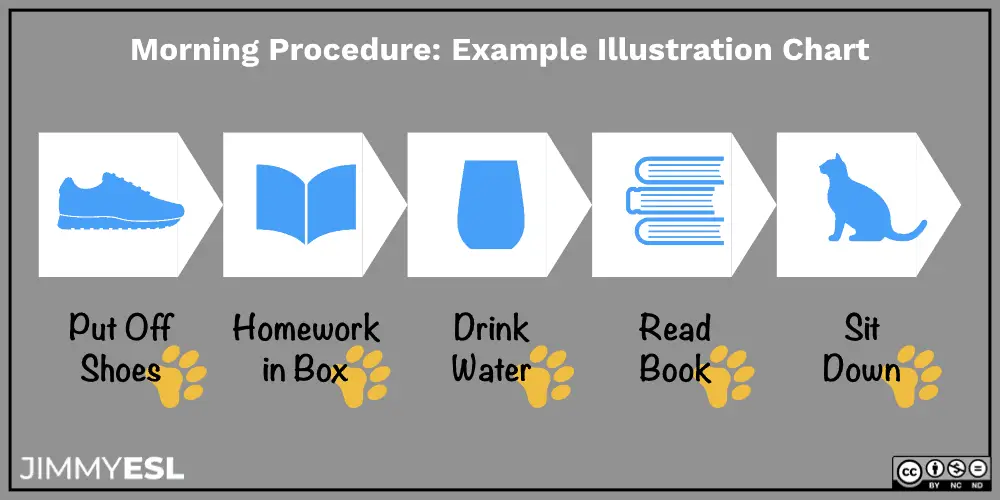






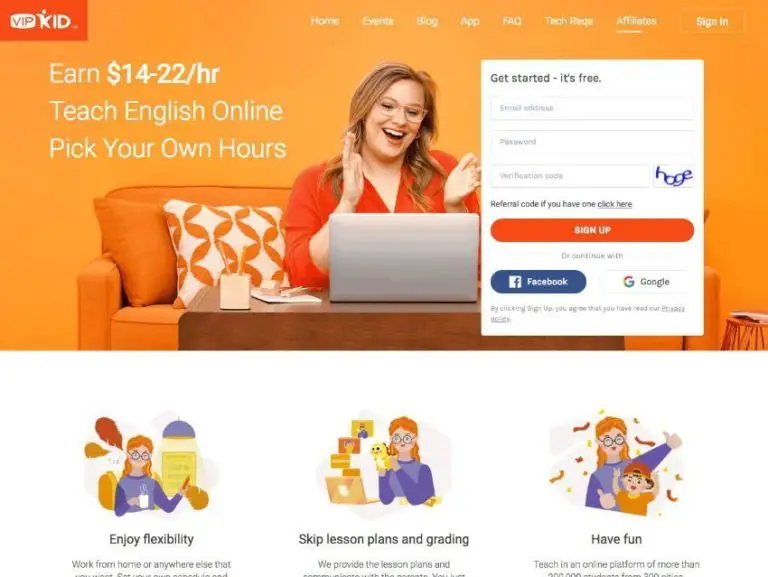
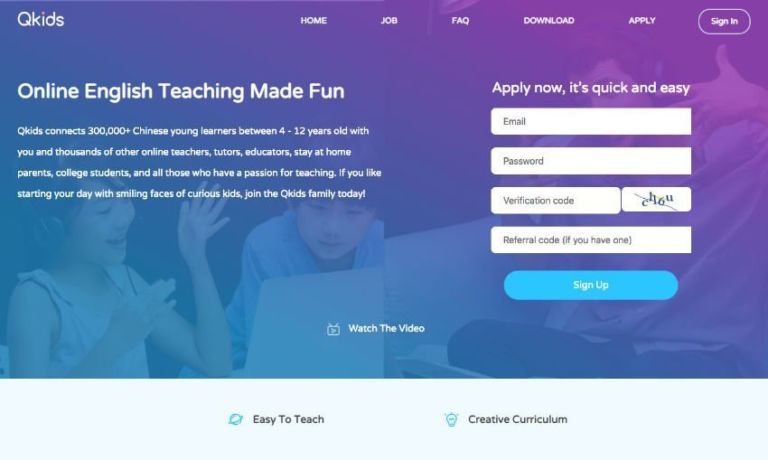
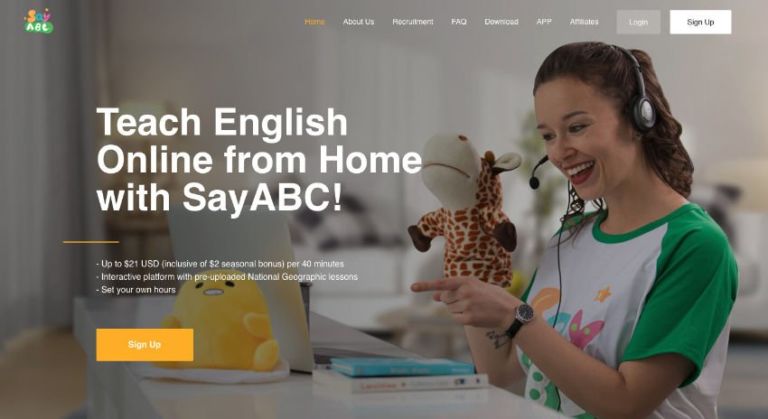
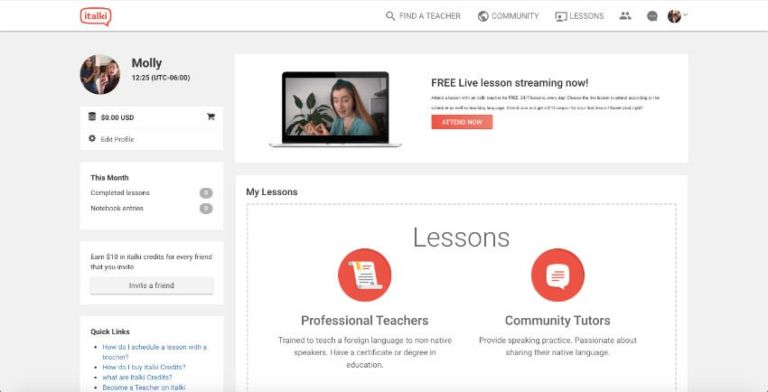
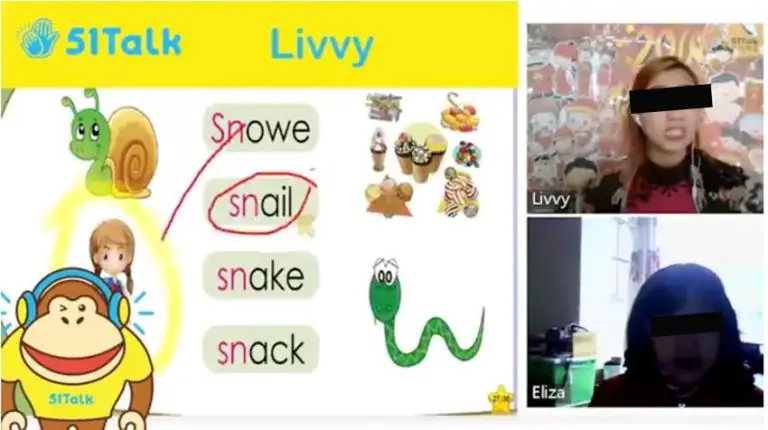
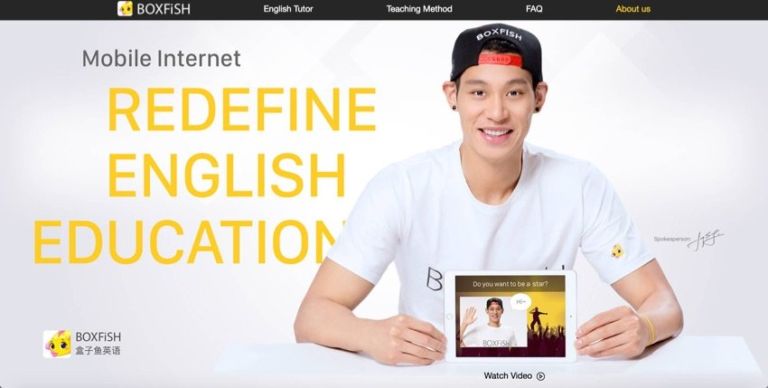
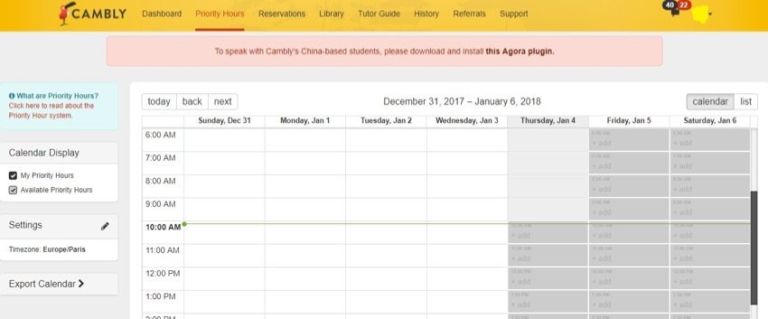
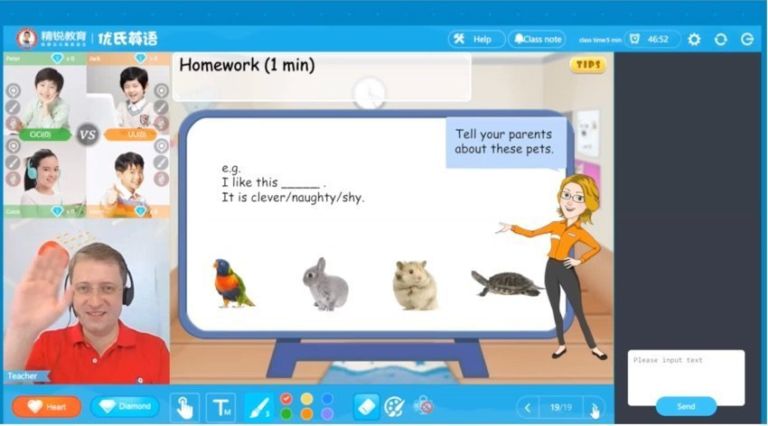
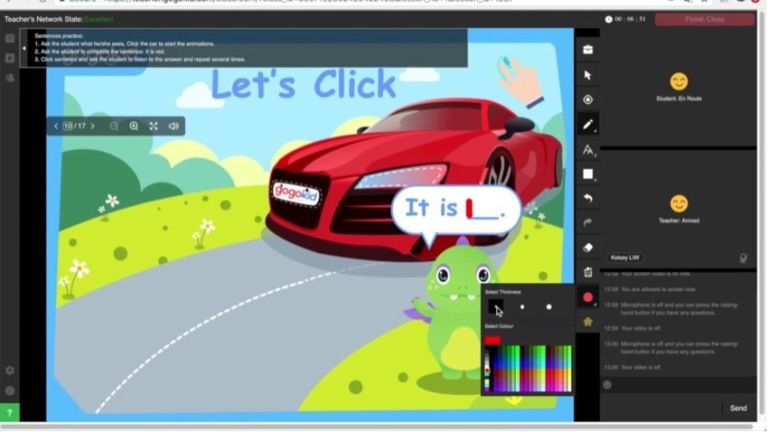
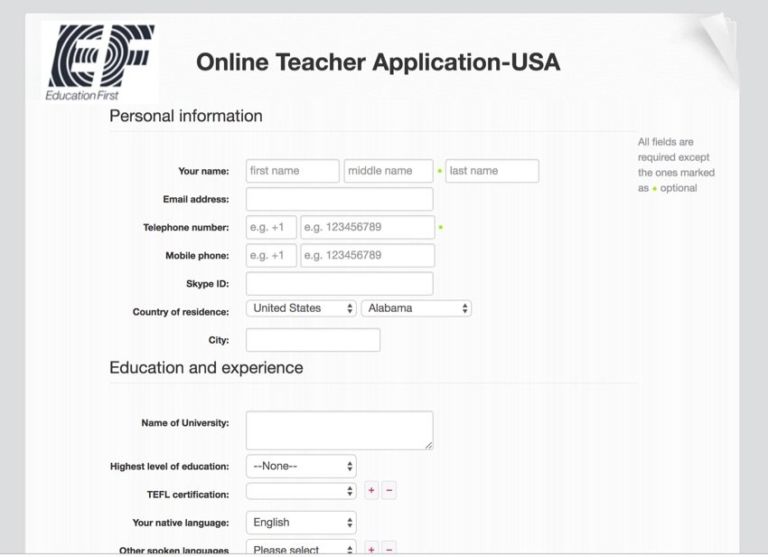

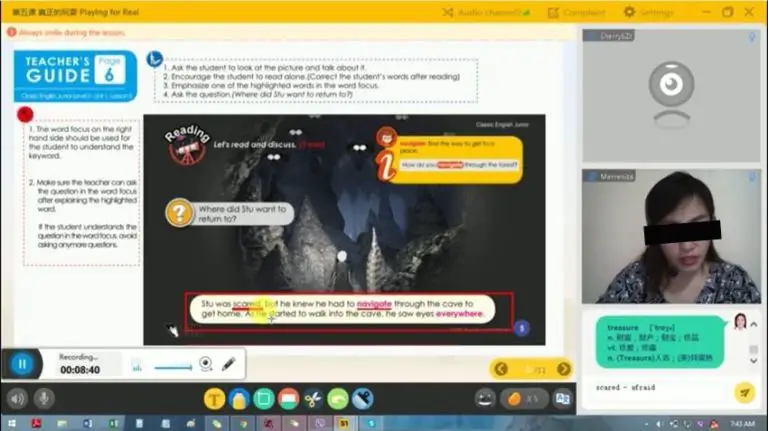

![VIPKID Teacher Requirements: The Complete Breakdown [UPDATED]](https://jimmyesl.com/wp-content/uploads/2020/09/vipkid-requirements-thumb.png)

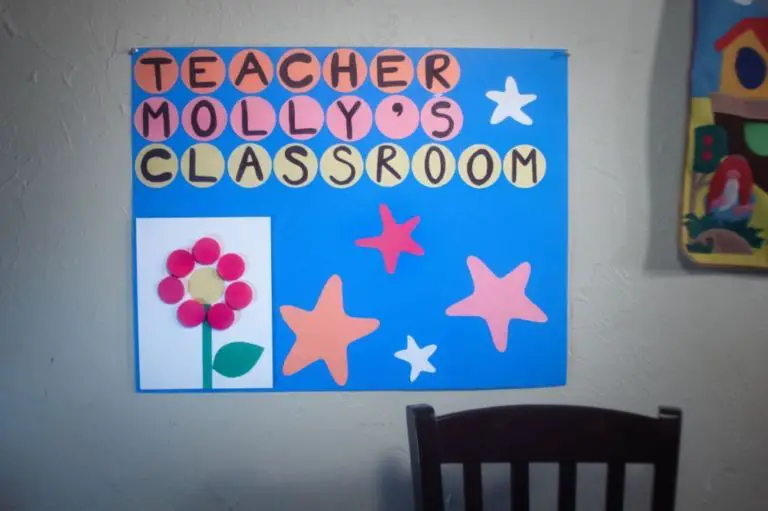
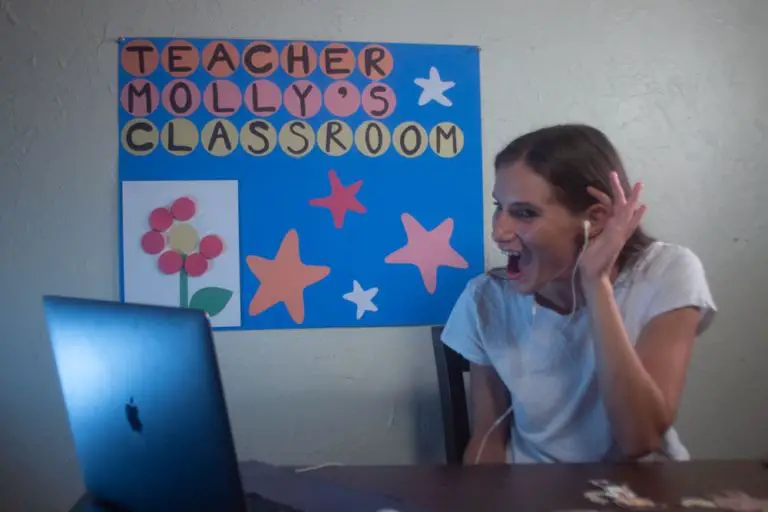
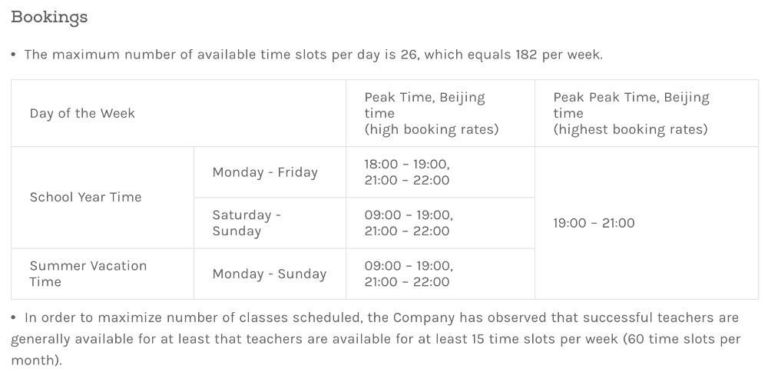


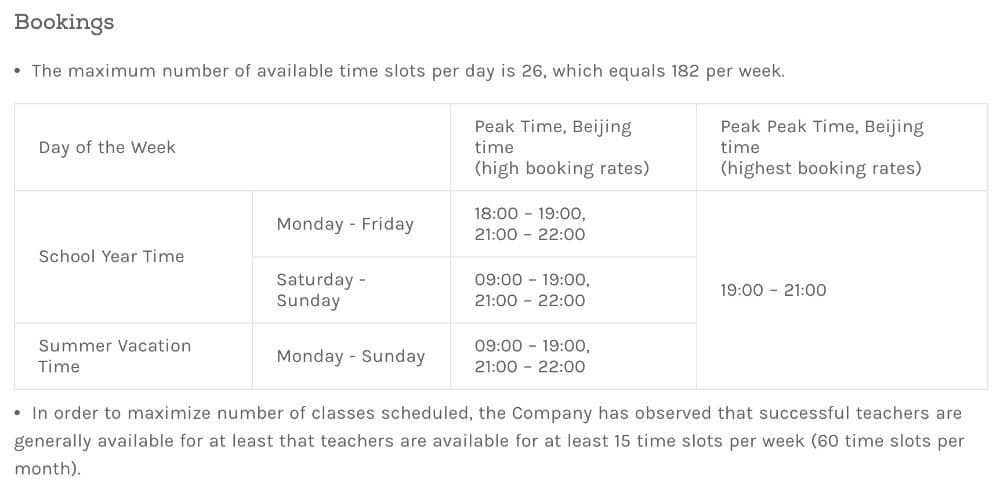
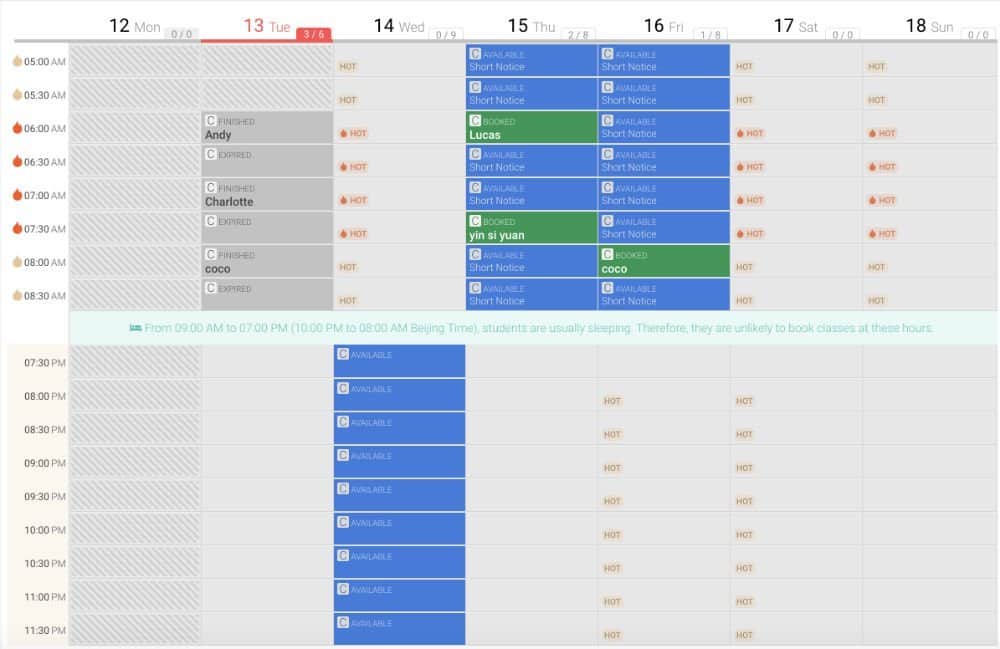
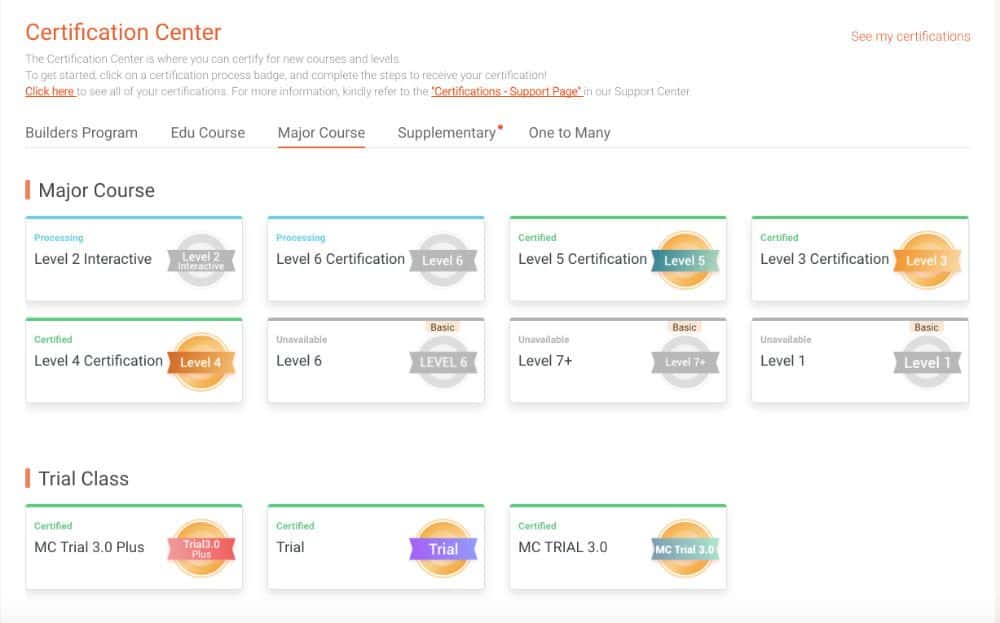



![How To Teach English With VIPKID: The Comprehensive Guide [UPDATED]](https://jimmyesl.com/wp-content/uploads/2020/04/teach-english-with-vipkid-thumb.png)

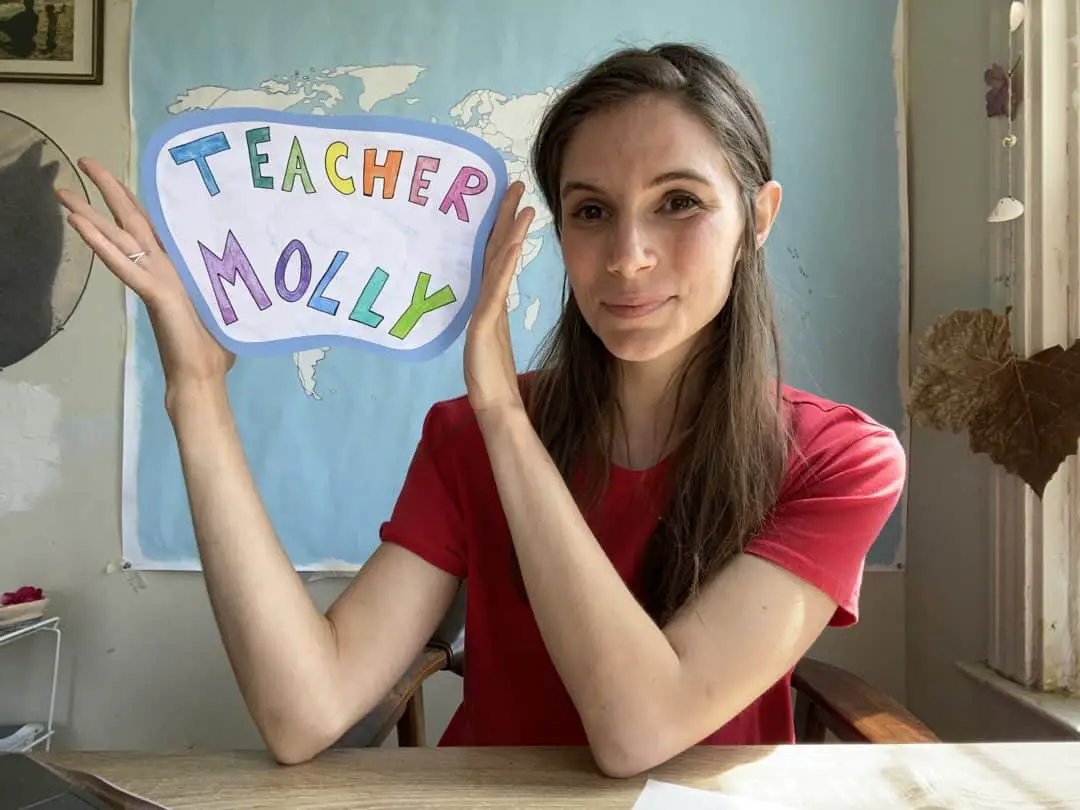




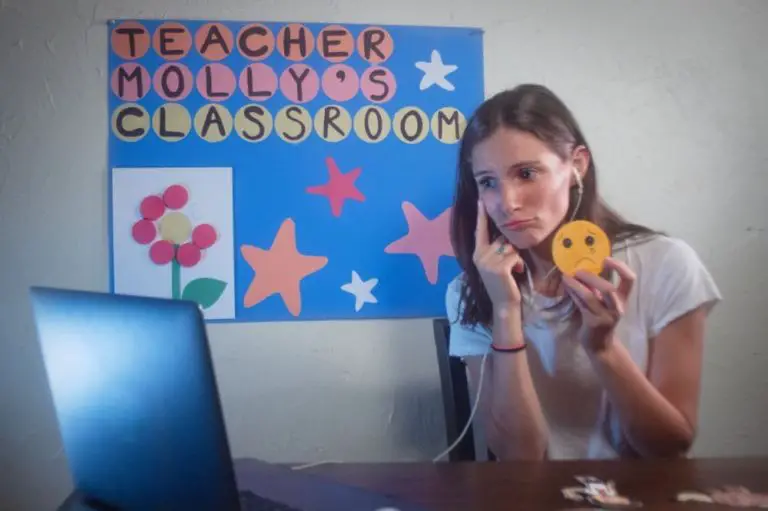

)
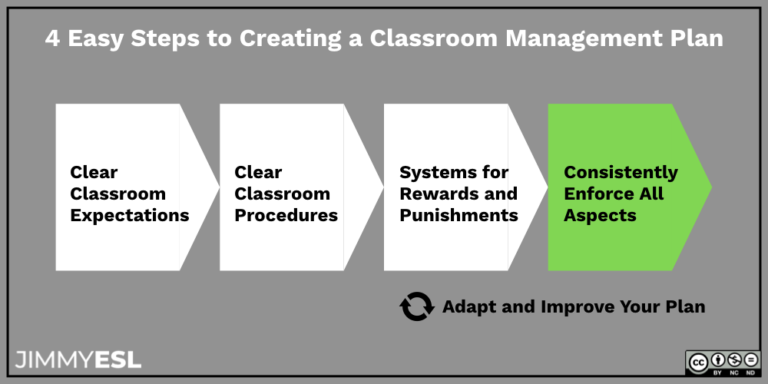



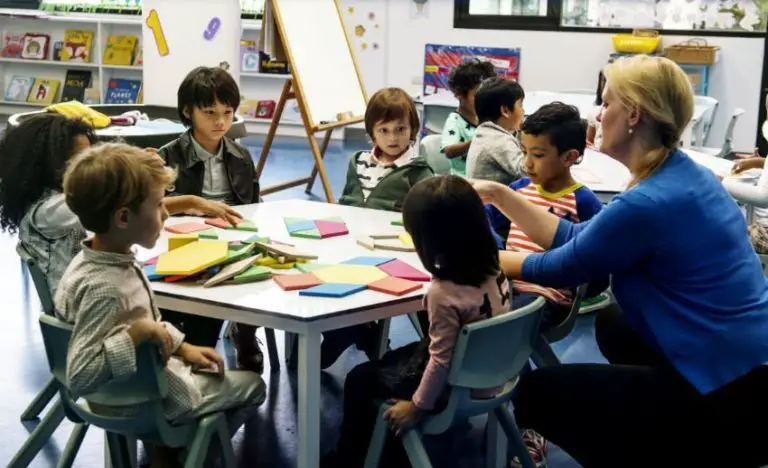


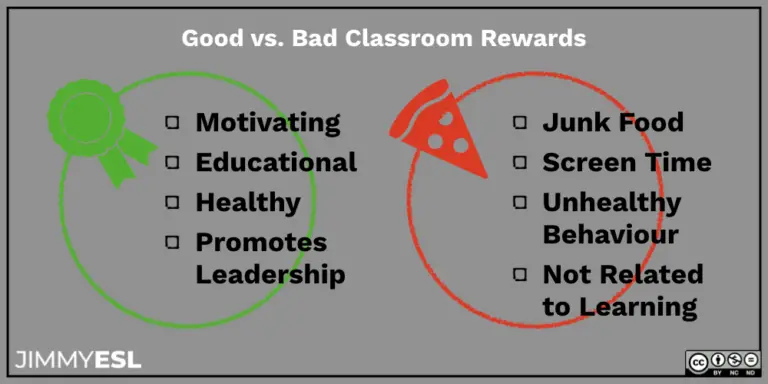


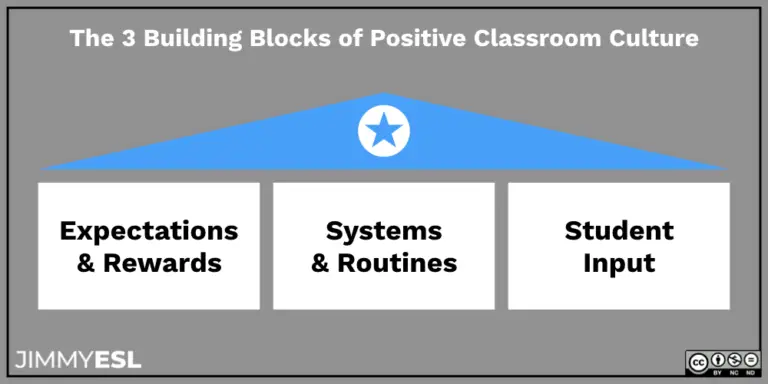

)